
Film
In a Shallow Grave
A disfigured WWII veteran hires a drifter to woo his former sweetheart by proxy, only to watch desire and identity tangle into something none of them expected. James Ivory's adaptation of Shallow Grave is intimate, strange, and achingly tender—a meditation on longing that refuses easy sentiment or neat resolution.
Should you watch it?
Watch it if you love slow-burn period dramas where unspoken desire and quiet moral compromise carry more weight than plot, the way early Patricia Highsmith adaptations do.
Skip it if you want brisk momentum or a clear hero to root for, since almost every character here is evasive, self-serving or scarred in some way and the mood stays low and sober.
What it asks of you: Ninety-two minutes of patient, talky scenes that let silences and letters do the work, with a dark undertow you have to stay alert to rather than a story pushed along by action.
Not sure? Find tonight's pick in a minute.
If you liked this
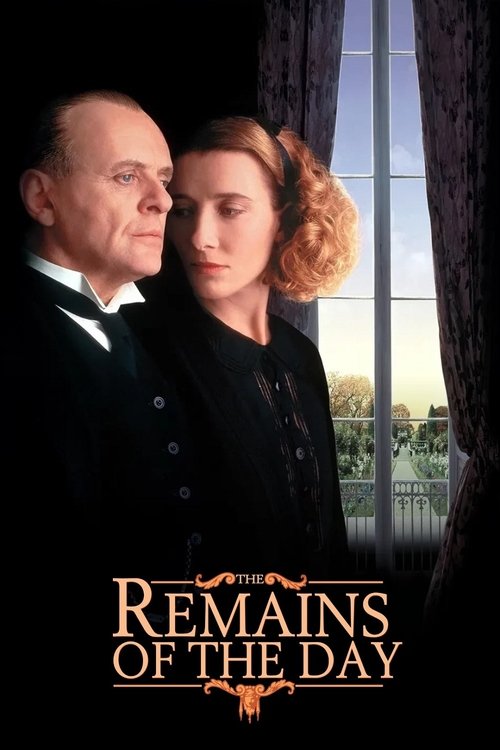
The Remains of the Day1993
Ivory's study of a man unable to speak his deepest feelings across decades. Restrained, exquisitely acted, about how love can live in silence and regret. Essential Ivory in the same emotional register.
But Very slow. Dialogue is minimal; the real drama is in posture and glances. Emotionally devastating rather than dramatically eventful.
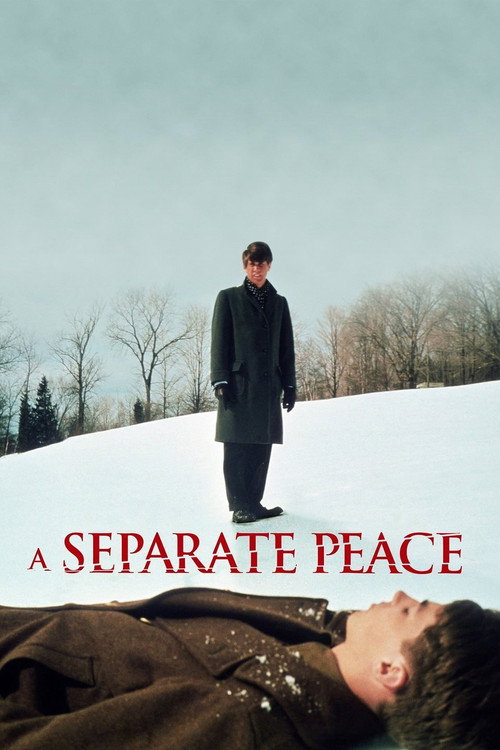
A Separate Peace1972
Two boys at boarding school during WWII; one returns from war damaged, their friendship fractured. The same postwar disillusionment and masculine vulnerability, told with the same careful restraint.
But The 1970s aesthetic is dated. Pacing is deliberate; it won't grab you instantly if you're not patient with mood.
The Best Years of Our Lives1946
Three returning WWII veterans struggle to reintegrate. Faces the aftermath of war head-on—physical disability, emotional wreckage, the difficulty of being wanted again. Deeply humane and honest.
But Three hours, and the domestic drama can feel slow by modern standards. A major studio production, so it's earnest rather than strange.

Not sure tonight? Get a pick in a minute, starting from In a Shallow Grave
The wildcard
Something you would not have found on your own.
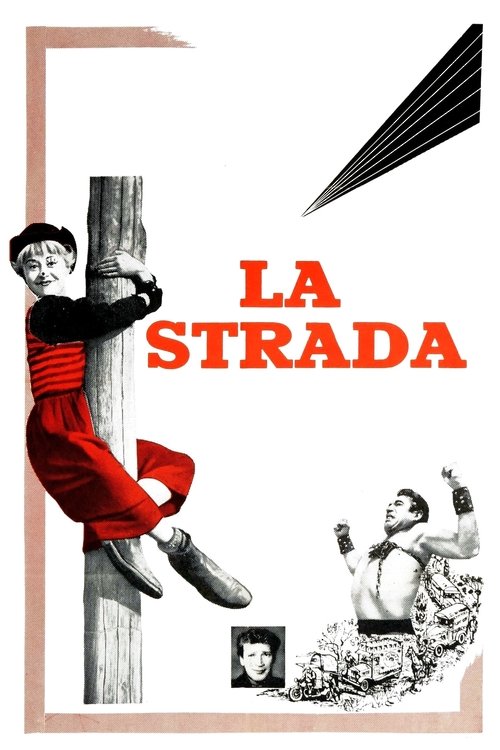
La Strada1954
Both films cast a drifter as a vessel for someone else's desire—hired not as himself but as proxy. Both understand that love mediated through a third party reveals truths neither party wanted to know.
Fellini's masterpiece: a drifter travels with a circus strongman and a waif-like woman. The connection is structural—a vagrant hired to inhabit someone else's dream of love, beauty rendered through another person's performance. Profound on how we use each other as mirrors.
But Italian neorealism with surreal edges; rhythms are Fellini's, not conventional. Subtitled. The ending is not redemptive; it's existential and can feel remote.
More like this (8)
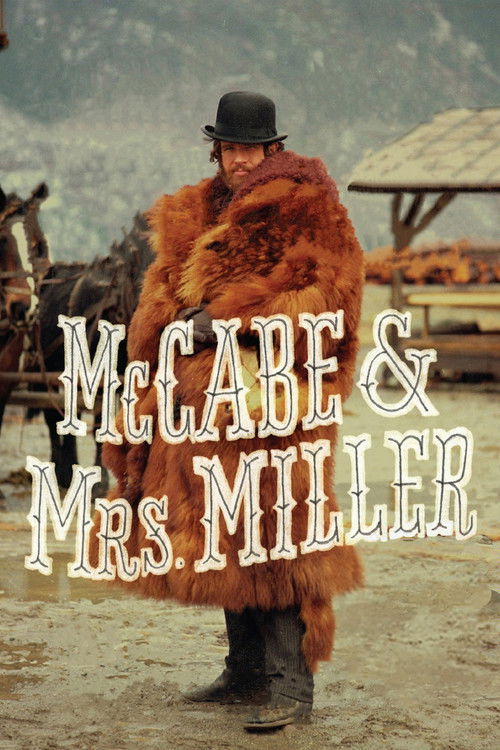
McCabe & Mrs. Miller1971
Two flawed people negotiate desire and survival in an unforgiving landscape. Warren Beatty's drifter has the same rootlessness as Potter Daventry; the film finds tenderness in the margin between want and reality.
But Muddy, intentionally anti-glamorous, shot in muted tones. Robert Altman's style can feel mannered if you're not attuned to it.
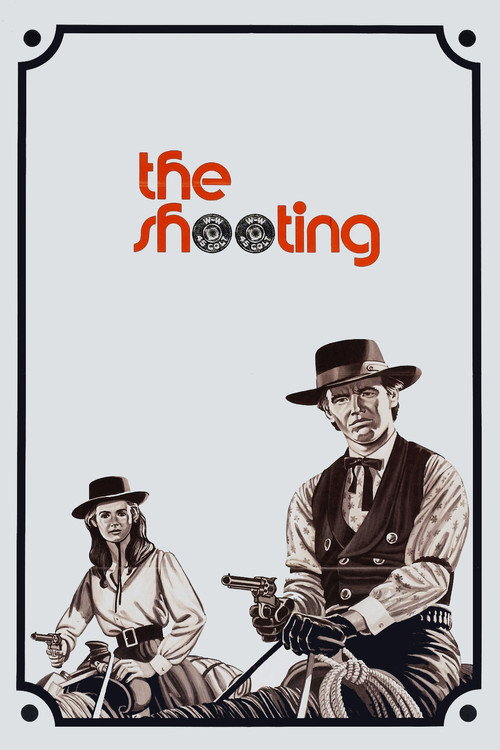
The Shooting1966
Monte Hellman's desert noir about a hired gunman drawn into mysterious purpose. Sparse, oblique, atmospheric—a film about what's unsaid between bodies and glances, not exposition.
But Deliberately cryptic and slow. No clear plot resolution. Feels like a Western that had half its scenes removed, which is intentional but unsettling.
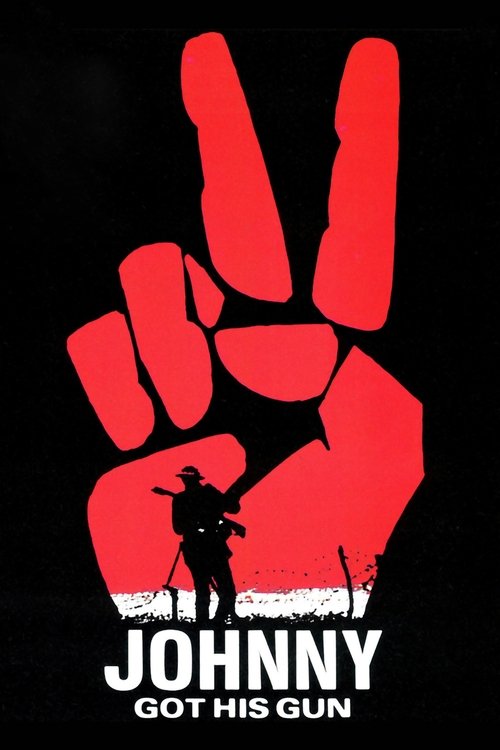
Johnny Got His Gun1971
A WWI veteran so catastrophically wounded he is paralyzed, blind, deaf—but conscious. A raw, difficult meditation on what remains when the body is hollowed. Faces disability without flinching or romance.
But Extremely heavy. Deliberately traumatic imagery. Hal Ashby does not offer comfort, only truth. You will be shaken.
Come and See1985
A boy encounters war for the first time. Elem Klimov's Soviet film is a portrait of innocence obliterated—grainy, urgent, historically vital. Shares Shallow Grave's sense that war leaves a stain nothing washes.
But Brutally, deliberately bleak. Handheld; the ugliness is not prettified. Not a film you watch for entertainment, but for witness.

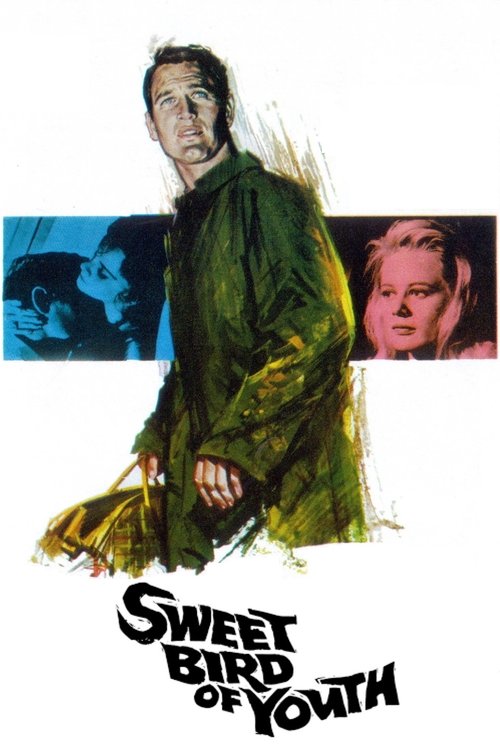
Sweet Bird of Youth1962
Tennessee Williams on drifters, beauty, desire, and the men who want to own them. Paul Newman as a gigolo hired to seduce. The same baroque emotional hunger beneath small-town surfaces.
But Melodramatic. The sexual politics are of its era. The film sometimes reaches further than its grasp, lurching into overstatement.
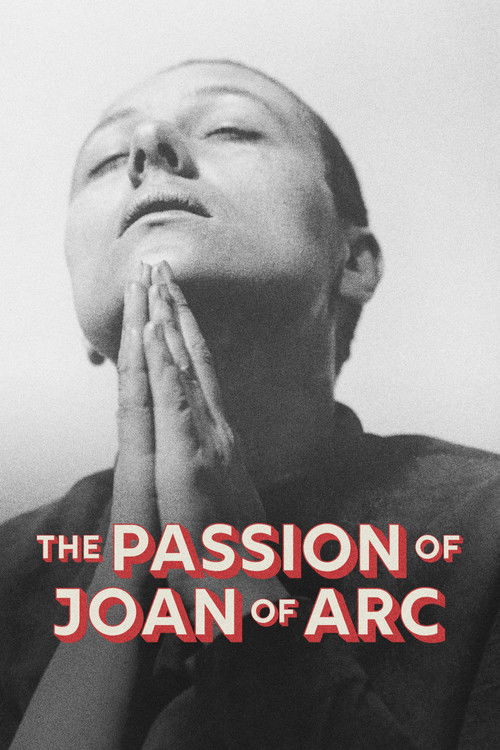
The Passion of Joan of Arc1928
Dreyer's silent film is pure emotion rendered through face and gesture. No dialogue to hide behind. If you want to see acting as physical truth, this is the summit.
But Silent, 1928, extremely austere. Renée Jeanne Falconetti's performance is almost unbearable in its intensity. Not a relaxing watch.
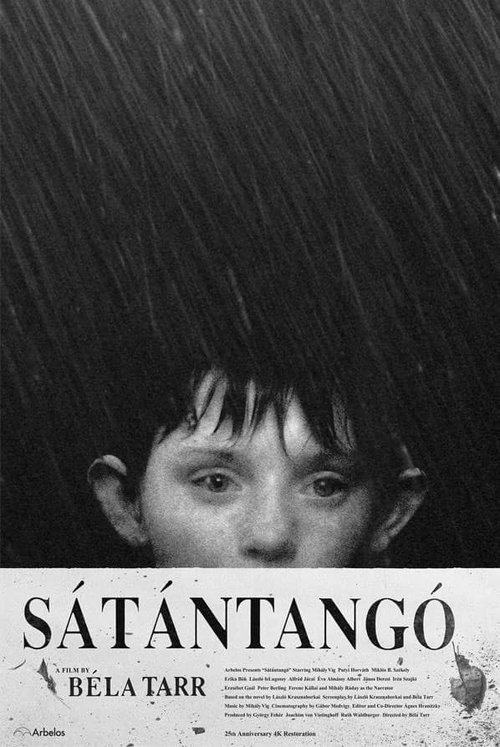
Satantango1994
Both films treat disfigurement and damage—physical and spiritual—as starting points, not plot obstacles. Both refuse psychological realism in favor of emotional abstraction. Both are about repair as impossible, which is their strange freedom.
Béla Tarr's seven-hour Hungarian apocalypse filmed in black and white. Yes, seven hours. An entire world of small-town wreckage rendered in long, meticulous takes. The same patient regard for masculine shame and the spaces between bodies that Ivory brought to Shallow Grave.
But Seven hours. Shot in windows of time that feel like eternity. Visually monotonous by design. Requires spiritual surrender, not mere patience.
Superstore2015
Both understand that love in confinement—literal or emotional—breeds complexity without resolution. Both find tenderness in people who can't leave, won't leave, even as they hurt each other. Superstore is Shallow Grave's comedy; same structure, different weather.
NBC sitcom about retail workers and the ties they knot with each other. Why here? Because it has the same structure as Shallow Grave—a circle of flawed people negotiating desire, jealousy, and belonging within constraints that won't yield. But it's funny, warm, human. A different register; same truth.
But It's a network sitcom. If you hate laugh tracks and bright lighting and warm fuzziness, this won't convert you. The tone is entirely opposite to Ivory's restrained melancholy.

People
Cast
 Michael BiehnGarnet Montrose
 Maureen MuellerGeorgina Rance
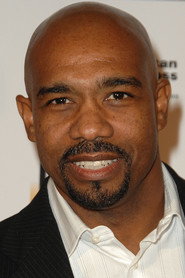 Michael BeachQuintus Pearch
 Patrick DempseyPotter Daventry
- Thomas B. MasonEdgar Doust
- Mike PettingerMilkman
- Prentiss RowePostman
- Ron RosenthalArmy Doctor
- Muriel MooreMrs. Gondess
- Walter DavyDoc Farmer
- Jim BynumReverend Spinney
 Lonnie R. Smith Jr.Soldier
Directing
- Kenneth BowserDirector
- Elliot Lewis RosenblattFirst Assistant Director
Writing
- James PurdyWriter
- Kenneth BowserWriter
Production
- Ron TippeAssociate Producer
- Ron WolotzkyProduction Manager
Recommended by
Crime of Passion, Ride the Pink Horse, 'Tis Pity She's a Whore