
Film
'Tis Pity She's a Whore
Pasolini's operatic adaptation of John Ford's Jacobean tragedy, transplanted to Renaissance Italy. A sumptuous, unflinching meditation on forbidden desire, family honour, and the violence that erupts when secrets collide with social order. Ravishing and disturbing in equal measure—a film that luxuriates in its own transgression.
Should you watch it?
Watch it if you love Jacobean tragedy stripped down to raw emotion, where forbidden passion and gossip-fuelled vengeance play out in candlelit, stylized Italian intrigue.
Skip it if you cannot stomach incest at the centre of a romance, since the film treats it with cool, unhurried seriousness that never looks away.
What it asks of you: Expect a slow, formal rhythm across a compact 105 minutes, with long stretches of measured speech and staging that rewards stillness over momentum.
Not sure? Find tonight's pick in a minute.
If you liked this
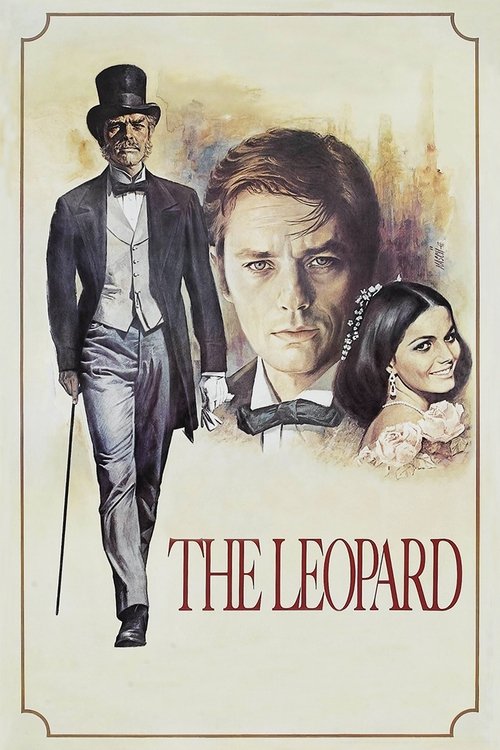
The Leopard1963
Visconti's equally baroque examination of Italian aristocracy in crisis, with comparable visual opulence and an intimate understanding of how social structures crumble when personal desire meets duty.
But Three and a half hours of measured, philosophical cinema—not a film that rushes. Some find its pace glacial.
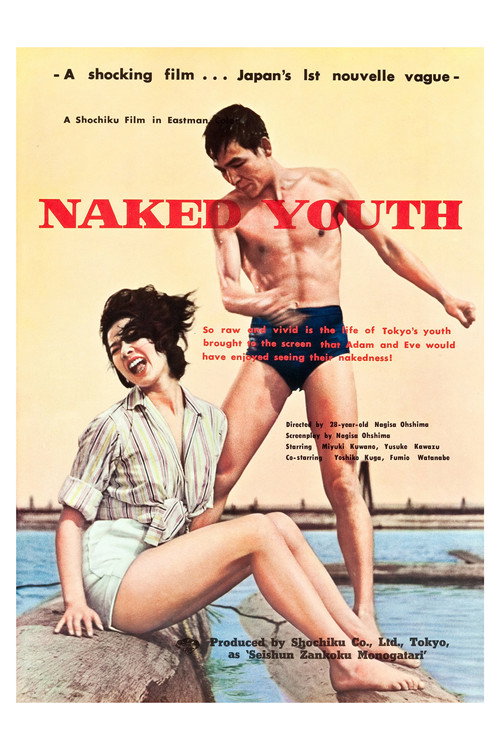
Cruel Story of Youth1960
Oshima's raw Japanese exploration of transgressive youth and family rupture. Same interest in desire as destructive force, with a directness that strips away romanticism to expose pure damage.
But Visually harsher and less painterly than Pasolini. The alienation can feel suffocating rather than beautiful.
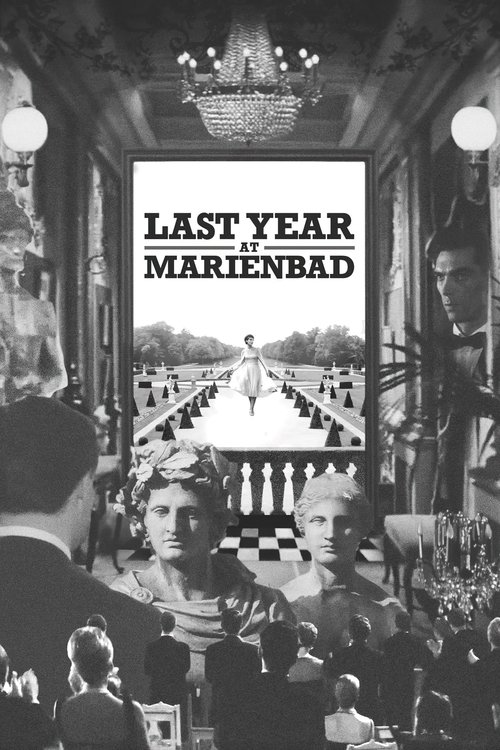
Last Year at Marienbad1961
Resnais and Robbe-Grillet's enigmatic masterwork about memory, truth, and narrative uncertainty. Shares an obsession with how stories get told and retold, and what happens when versions collide.
But Deliberately opaque and anti-narrative. Demands active interpretation rather than passive reception.
Not sure tonight? Get a pick in a minute, starting from 'Tis Pity She's a Whore
The wildcard
Something you would not have found on your own.
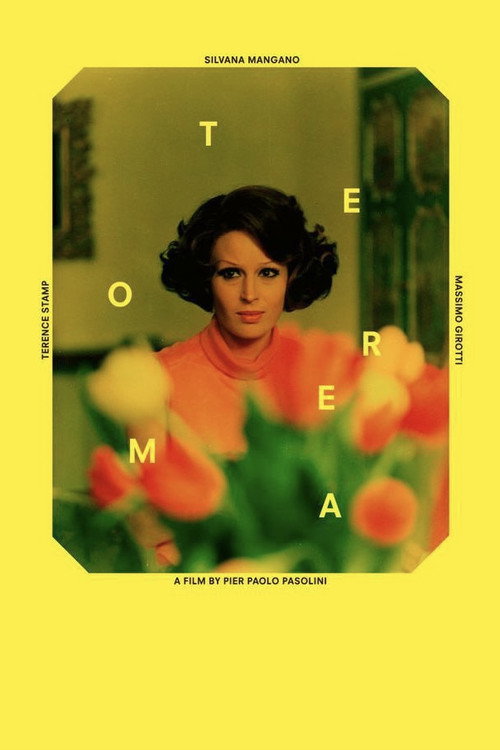
Theorem1968
Both Pasolini films, separated by three years. Teorema is what happens when you push the same philosophical inquiry (desire as violation) further into abstraction.
Pasolini's other masterpiece—a metaphysical parable about desire arriving like a virus in a bourgeois Milan household. Same director, same obsession with how wanting destabilises everything it touches, but here filtered through science fiction and Christianity.
But Deliberately abstract and allegorical—no conventional narrative. Some scenes are deliberately transgressive in ways 'Tis Pity clarifies, while Teorema withholds meaning.
More like this (8)
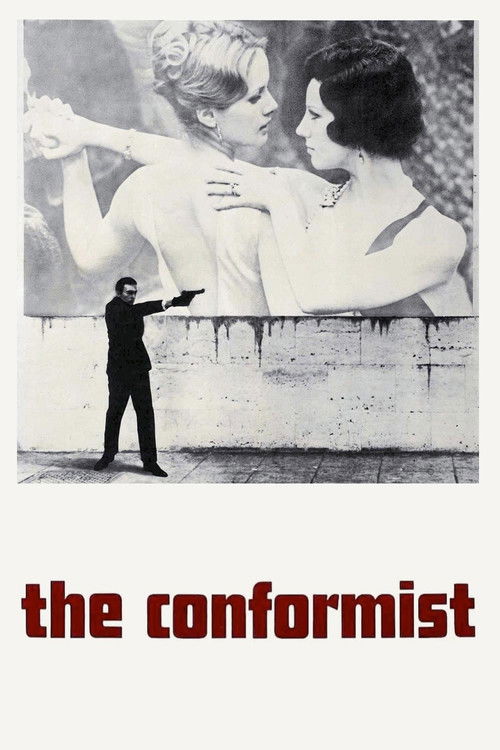
The Conformist1971
Bertolucci's politically charged chamber piece about desire, complicity, and self-deception. Visually magnetic, psychologically intricate, and equally aware that beauty can be a mask for corruption.
But Slow-burn psychological thriller. If you want plot momentum, you won't find it here.
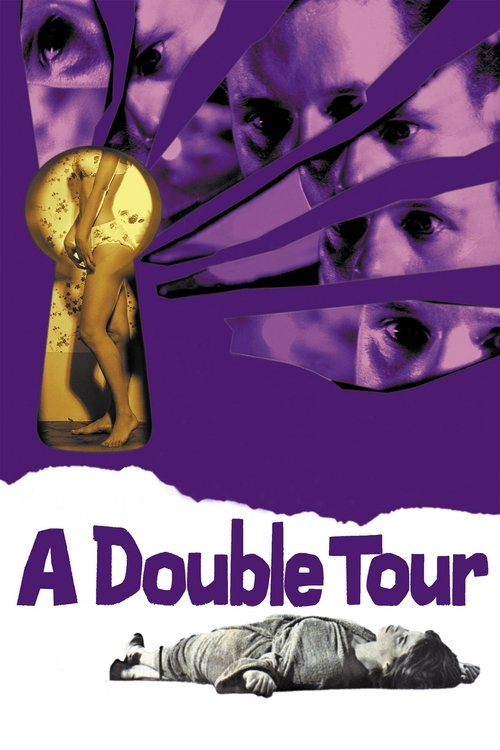
À double tour1959
Chabrol's elegant Riviera-set mystery about desire tangling with murder. Shares the interest in how eroticism and violence intertwine within confined, privileged spaces.
But A puzzle-box that doesn't fully resolve. Some viewers feel deliberately withheld from rather than intrigued.
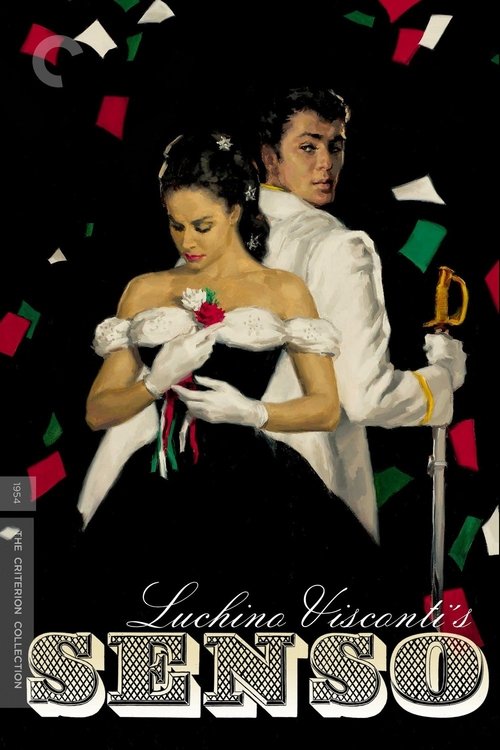
Senso1954
Visconti's earlier color masterpiece about a passionate affair destroying a woman's honour and a nation's fate. Same luxuriant Venetian setting, same collision of private desire and public consequence.
But Operatic melodrama—if you bristle at heightened emotion as a tool, the intensity will feel overwrought.
Contempt1963
Godard's film-within-a-film about artistic integrity and desire crumbling a marriage. Gorgeous and sad, with that same interest in how performance and reality bleed into each other.
But More philosophical than plot-driven, with Godard's characteristic self-reflexiveness. Can feel cool where you might want warmth.

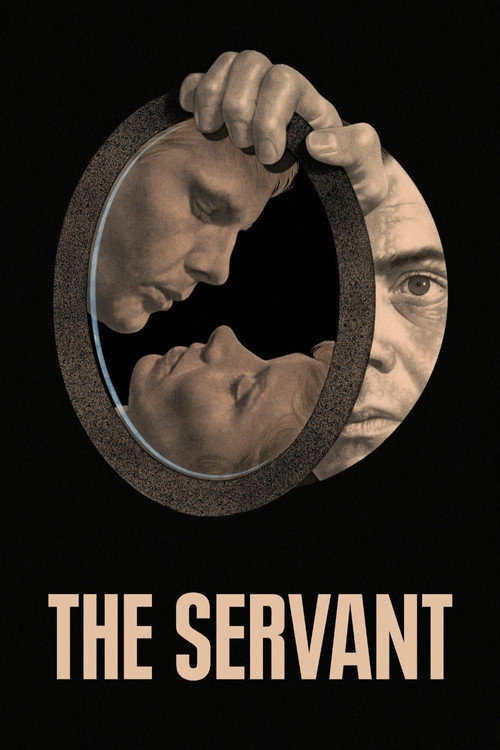
The Servant1963
Losey's claustrophobic English chamber piece about power, class, and dangerous desire. Like Pasolini's film, a small cast in a confined space where hidden dynamics finally erupt into violence.
But Deliberately stuffy and mannered—the formality might feel dated or alienating rather than purposeful.
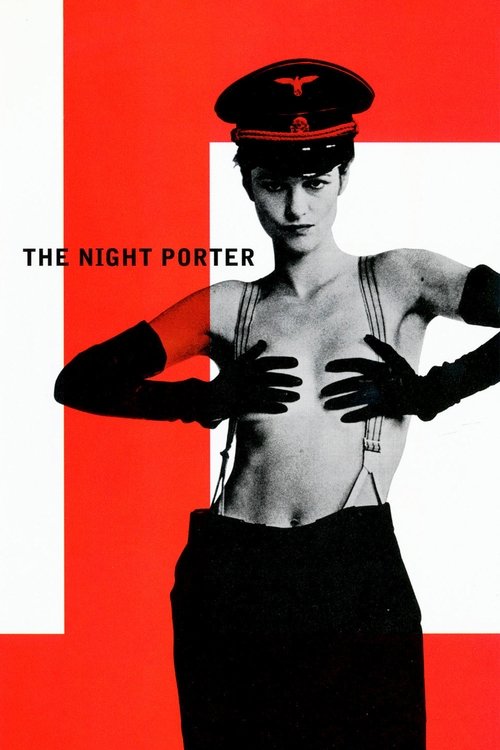
The Night Porter1974
Cavani's controversial exploration of sadomasochism, power, and the persistence of desire across moral borders. Equally unafraid of taboo and equally committed to treating transgression seriously rather than sensationally.
But Explicitly erotic and politically provocative in ways some will find exploitative. Based on true horror, not fiction.
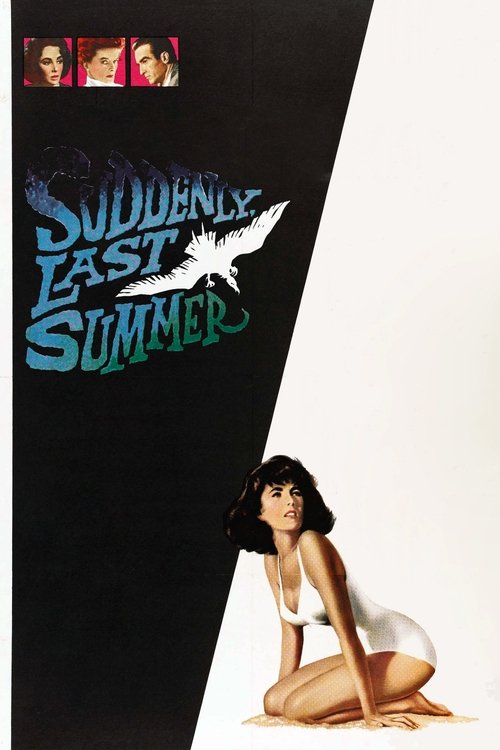
Suddenly, Last Summer1959
Inverts the geography and class (American South rather than Renaissance Italy, but same sexual transgression buried beneath family propriety; same eruption into violence; same interest in how desire gets weaponised by those defending the family name).
Wyler's Tennessee Williams adaptation about a young man's violent death and the forbidden truths his family conceals. American Gothic where incestuous desire and family honour combust in a garden. A pulp tragedy that doesn't apologize.
But Campy melodrama in places—Elizabeth Taylor at maximum theatrical intensity. Some will find the period theatricality undermines the material; others will find it essential.
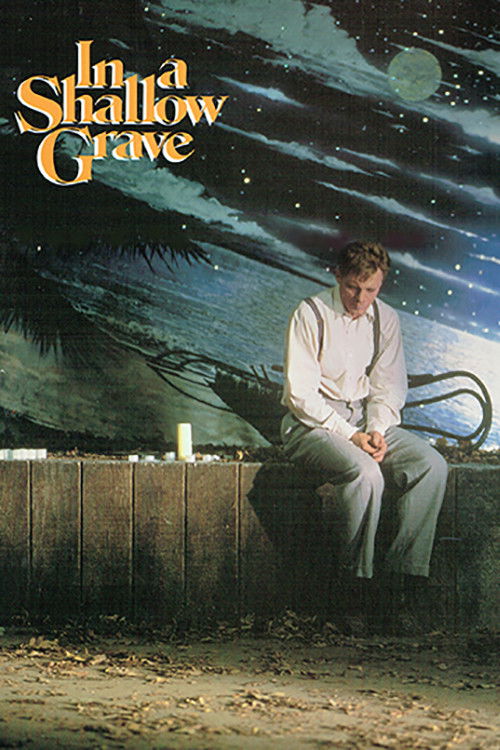
In a Shallow Grave1988
Not from the same era, country, or aesthetic, but shares that core: desire as something that breaks rules, defies explanation, and leaves damage. Where Pasolini is operatic, this is deliberately anti-operatic—no beauty to soften it. A wildcard specifically because it approaches the same psychological territory from the opposite direction.
Ferris's overlooked adaptation of James Purdy's grotesque Americana novella. A facially disfigured war veteran enters into an ambiguous, homoerotic relationship with a beautiful drifter while a small Southern town watches. Transgressive and genuinely weird in ways that defy easy categorisation.
But Shot on video, deliberately ugly in places, narratively elliptical. Most people have never heard of it and there are reasons—it's genuinely difficult and small.
People
Cast
 Fabio TestiSoranzo
 Charlotte RamplingAnnabella
 Oliver TobiasGiovanni
 Antonio FalsiBonaventura
 Angela LuceMercante's Governess
 Rik BattagliaMercante
- Rino ImperioSoranzo's Manservant
 Eva AxénYoung Woman at the Table (uncredited)
Directing
- Carlo CarunchioAssistant Director
- Giuseppe Patroni GriffiDirector
Writing
- John FordBook
- Alfio ValdarniniScreenplay
- Carlo CarunchioScreenplay
- Giuseppe Patroni GriffiWriter
Production
- Silvio ClementelliProducer
- Giorgio AdrianiProduction Manager
- Eros LafranconiProduction Supervisor