
Film
À double tour
A 1959 French crime thriller where a woman's murder in a wealthy household spirals into suspicion and revelation. Stylish, lean, and morally murky—it's *Hitchcock* without the artifice, a puzzle that trusts you to keep up. For anyone drawn to mid-century European mysteries where nobody's quite clean.
If you liked this
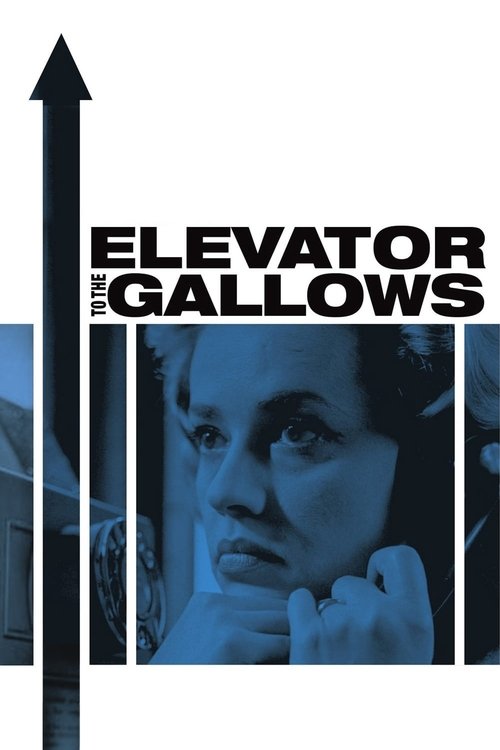
Elevator to the Gallows1958
Melville's precise, atmospheric take on a botched heist and its messy fallout. A masterclass in suspense built from character and consequence rather than mechanics. If you loved À double tour's moral ambiguity, this is essential.
But A jazz-score French noir from 1958 can feel remote or slow if you're after genre thrills. The resolution hinges on misunderstanding rather than revelation, which unsatisfies some.
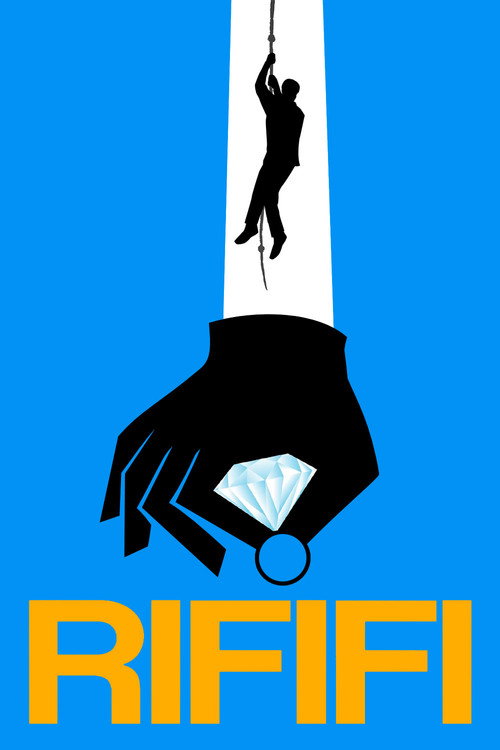
Rififi1955
Dassin's geometric heist film—virtually silent for its most famous sequence, a robbery that plays like ballet. It shares À double tour's fascination with how ordinary violence cracks open a household's secrets.
But The pacing is deliberate and the emotional temperature is cold. If you need warmth or character interiority, this will feel like watching architecture.
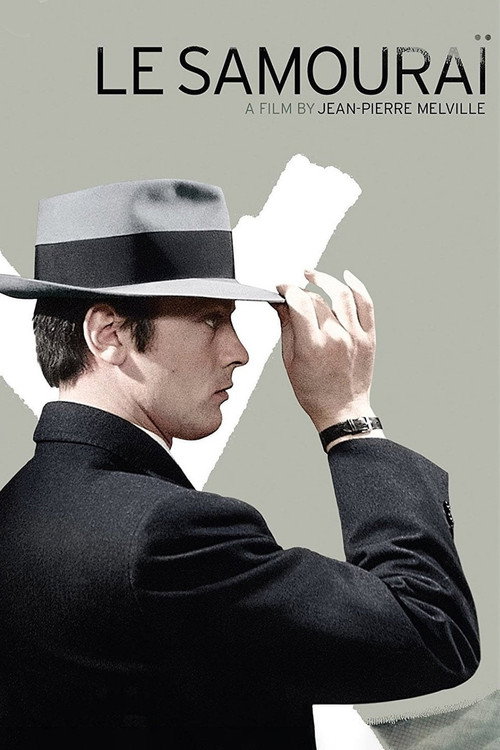
Le Samouraï1967
Melville again, perfecting the mode: a hitman, a job, a conspiracy that spirals outward. Alain Delon as a cipher stalking the same moral wasteland À double tour maps. Hypnotic and strange.
But It's almost abstract in its detachment from feeling. Some find it glacial. The plot matters less than the texture, which isn't for everyone.
Not sure tonight? Get a pick in a minute, starting from À double tour
The wildcard
Something you would not have found on your own.
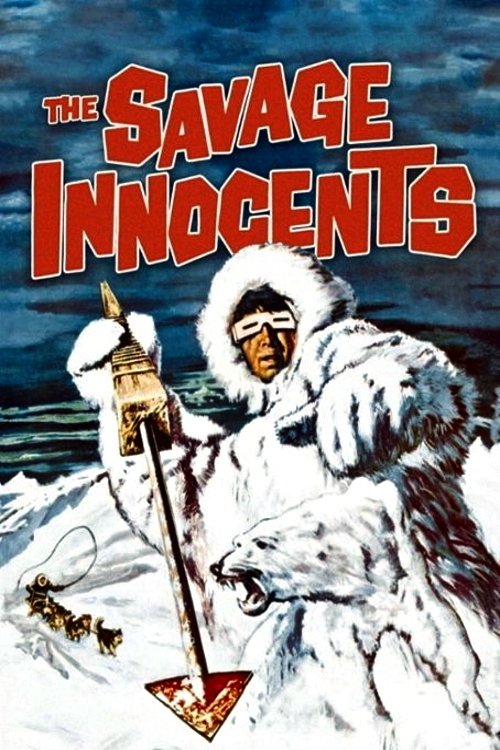
The Savage Innocents1960
Both films are about accusation and false certainty. À double tour pins guilt on a servant; The Savage Innocents pins it on a man outside the system. Each interrogates how society scapegoats the vulnerable.
Anthony Mann's arctic outsider tale, with Peter O'Toole as an Inuit navigating a collision between cultures. Filmed on location in the Arctic, a world away from French bourgeois drama—yet it shares À double tour's fascination with how misunderstanding breeds violence and how innocence is weaponized against the powerless.
But It's a Western wearing Inuit skin, which modern audiences find complicated. The anthropology is dated. It's also rarely shown; finding a good print takes work.
More like this (7)
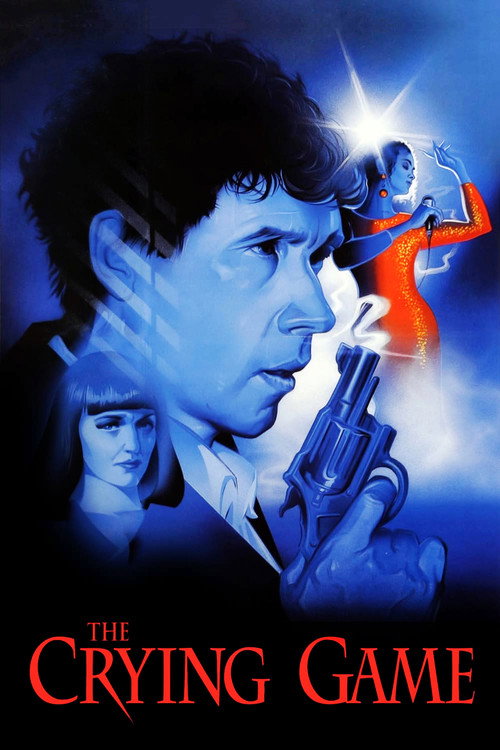
The Crying Game1992
Neil Jordan's twisty thriller about identity, guilt, and the violence that can hide in plain sight. It shares À double tour's refusal to let you settle into moral certainty. One of cinema's great plot pivots.
But The twist can overshadow everything else on a first viewing. Some find the politics muddled or the romance unconvincing compared to the intrigue.
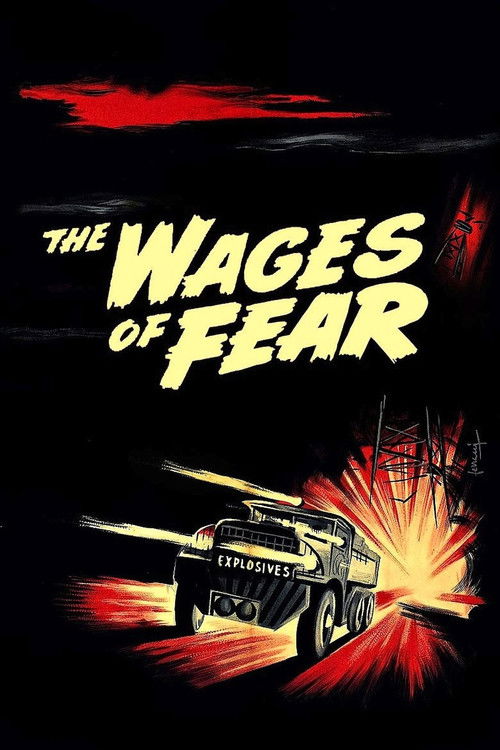
The Wages of Fear1953
Clouzot's masterpiece about men driving dynamite across South America. Impossible suspense married to character study. The same unflinching gaze at desperation that À double tour uses on its wealthy household.
But Nearly two and a half hours of mounting dread. If you need relief or humor, it grants almost none. Relentless can become exhausting.
The Killing1956
Kubrick's debut: a racetrack heist told in fragmented time, where a small theft implodes under the weight of human weakness. The architecture of chaos feels very close to À double tour's spiral.
But The fractured timeline can feel more like a trick than a story. Some sequences sag. It's admired more than loved by many viewers.

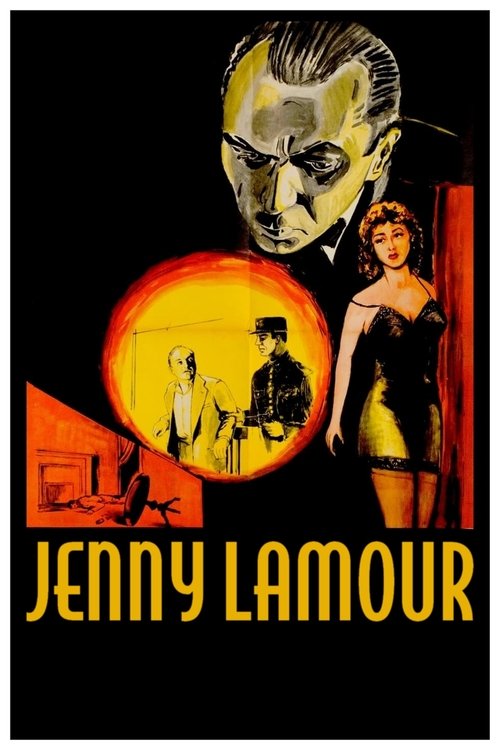
Jenny Lamour1947
Clouzot's police procedural, a murder investigation that peels back the varnish on a theater world. Taut, corrupt, humane. It proved that the thriller could also be about morality, which À double tour learned.
But Post-war French cinema can feel distant, and this one's length and pacing demand patience. The film stock shows its age, which bothers some viewers.
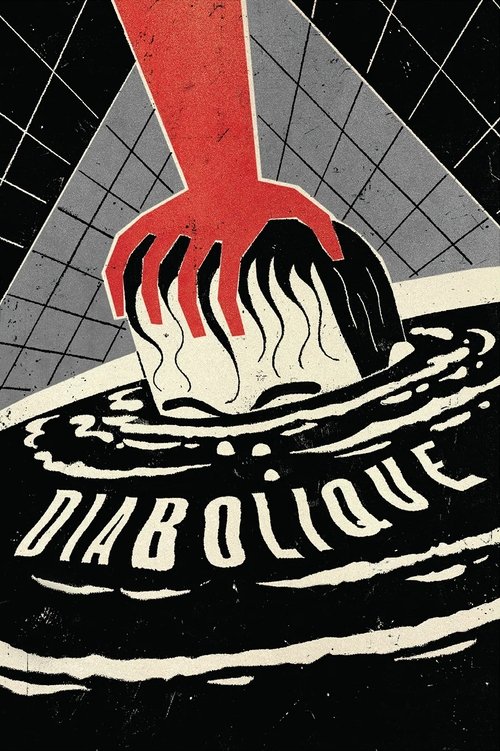
Diabolique1955
Clouzot again, this time with a bathtub and a secret. A wife-murder plot that twists inside-out. Shares À double tour's delight in wrongfooting the audience and its fascination with what women endure.
But The twist is famous now, which dulls its power. The second half relies on jump-scares that feel cruder than the first half's psychological precision.
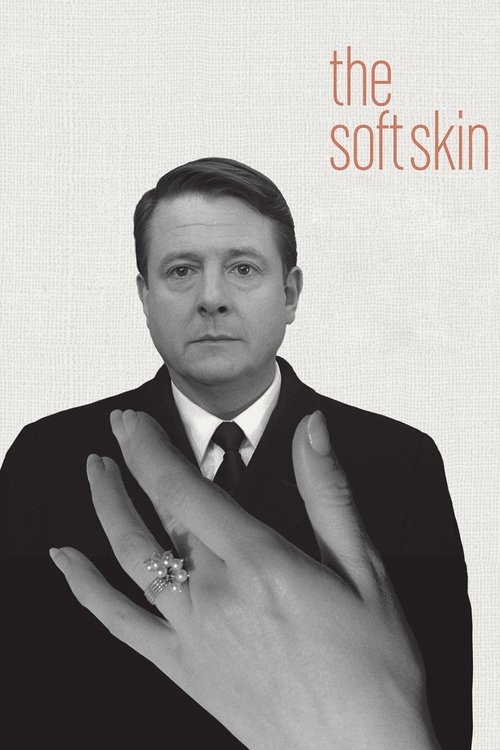
The Soft Skin1964
Both anatomize desire and deception within households. À double tour uses melodrama; Truffaut uses silence. Both conclude that propriety is a mask worn over chaos.
Truffaut's chamber piece about infidelity and its aftermath. Intimate, conversational, almost mundane until it isn't. The same social hypocrisy À double tour dissects, but filtered through New Wave restraint and filmed in black-and-white close-up.
But It's quieter and more interior than À double tour. The violence arrives suddenly and feels jarring rather than inevitable. Some find it slow and emotionally detached.
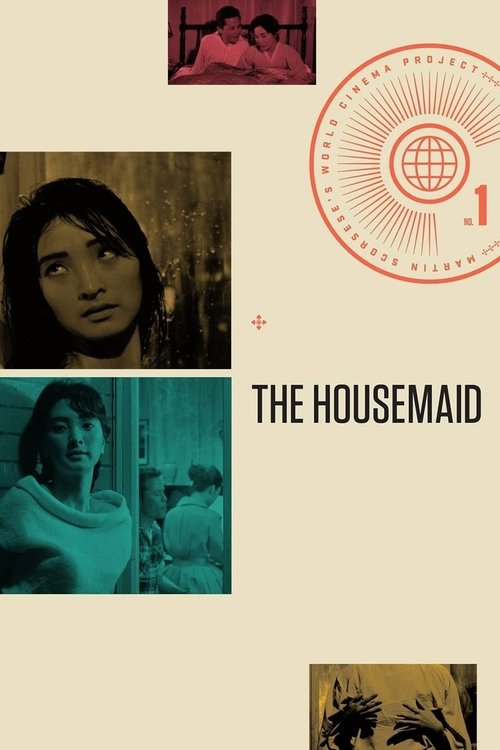
The Housemaid1960
Both films use hired help as the catalyst for moral and social collapse. À double tour assumes guilt flows downward; The Housemaid suggests it flows upward. Each reveals how fragile respectability truly is.
Kim Ki-young's Korean masterpiece about a maid who infiltrates a middle-class home, subverting every assumption. It mirrors À double tour's interest in how outsiders destabilize the wealthy family, but inverts the power dynamic completely. Gorgeously composed and genuinely unsettling.
But It's in Korean with subtitles, and its tonal shifts—from domestic comedy to psychological horror—can feel jarring. The morality is deliberately murky, which frustrates viewers seeking clarity.
People
Cast
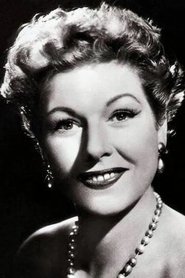 Madeleine RobinsonThérèse Marcoux
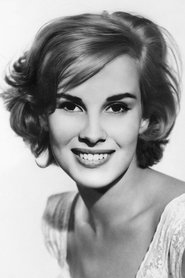 Antonella LualdiLeda
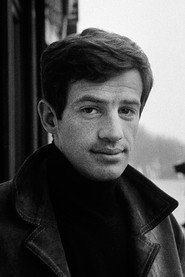 Jean-Paul BelmondoLaszlo Kovacs
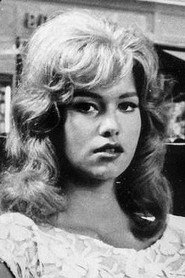 Jeanne ValérieElisabet
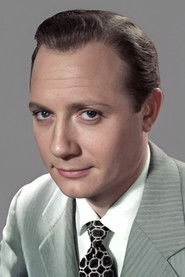 Jacques DacqmineHenri Marcoux
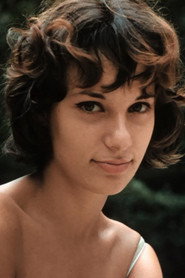 Bernadette LafontJulie
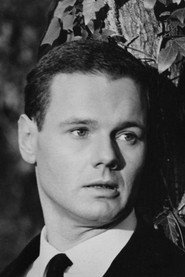 André JocelynRichard Marcoux
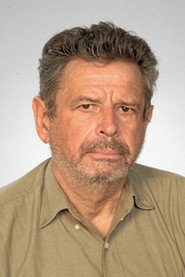 Szabó LászlóVlado
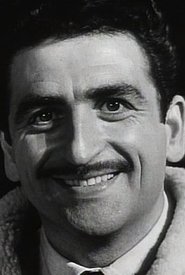 Mario DavidRoger
Directing
- Claude ChabrolDirector
Writing
- Paul GégauffAdaptation
- Claude ChabrolDialogue
- Paul GégauffDialogue
- Stanley EllinNovel
Production
- Raymond HakimProducer
- Robert HakimProducer