
Film
Jenny Lamour
A postwar French noir about a cabaret singer caught in a murder investigation. Taut, witty, and morally ambiguous, it watches people lie and scheme under pressure with the precision of a jeweler. For anyone who loves crime fiction that trusts its audience to follow the knots without spelling them out.
Should you watch it?
Watch it if you love a slow-burning whodunit where the pleasure is watching a methodical detective circle a tangle of jealousy, backstage glamour and small lies, with postwar Paris as a moody backdrop.
Skip it if you want a quick-fire puzzle; this one takes its time with interviews and domestic friction, and its suspense is quiet rather than breathless.
What it asks of you: It asks for patience and close attention across a feature-length 108 minutes, the mood cool and talky rather than urgent, with the darker jealous undercurrents built up slowly.
Not sure? Find tonight's pick in a minute.
If you liked this
The Third Man1949
Postwar Vienna, moral corruption, a detective pursuing the truth through layers of deception and betrayal. Carol Reed's film has the same European elegance and the same refusal to let anyone off easy.
But Black-and-white and shot in rubble. If you need your heroes uncomplicated, the moral geography here will frustrate you.

In a Lonely Place1950
A man under suspicion for murder; a woman drawn to him despite the danger. Bogart and Bacall in a film about how investigation corrodes trust and how being watched can poison even genuine affection.
But Shorter on plot momentum than on psychological claustrophobia. Some will find it slow; others will call that atmosphere.

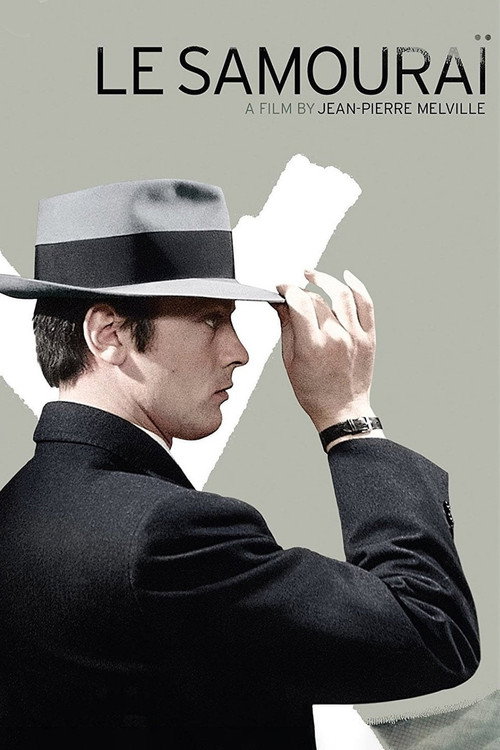
Le Samouraï1967
A professional hitman investigated by a patient, brilliant cop. Melville's film shares Jenny Lamour's love of procedure, observation, and the cat-and-mouse of two intelligent people circling each other.
But Deliberately paced. If you watch it for action, you'll be disappointed. It's a chess match, not a chase.
Not sure tonight? Get a pick in a minute, starting from Jenny Lamour
The wildcard
Something you would not have found on your own.
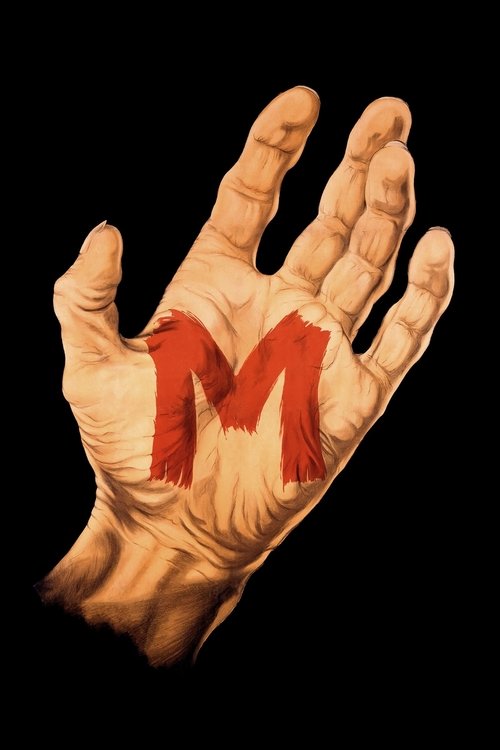
M1931
Both are procedurals where the investigation matters more than the crime; both trust the audience to follow moral complexity without guidance; both use ensemble cast and parallel investigations (police vs. underworld) to examine how justice actually works.
Fritz Lang's film about a child murderer hunted by both police and the criminal underworld. Like Jenny Lamour, it's a procedural that becomes a moral argument—about justice, about the crowds we become when we pursue vengeance. Jouvet would have known this film and learned from it.
But German, 1931, black-and-white, and the subject is a child murder. Approaching it requires emotional work. Not entertainment.
More like this (8)
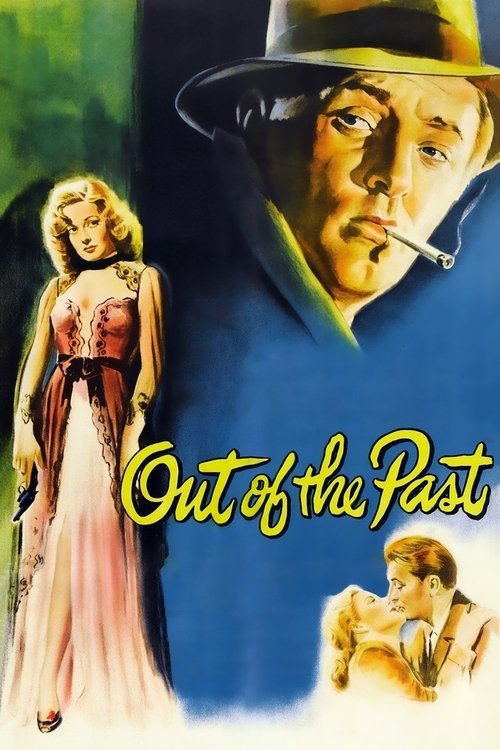
Out of the Past1947
Released the same year, same DNA: a man pulled into criminal orbit by a beautiful woman, unable to trust anyone including himself. Mitchum and Greer in the definitive American version of this trap.
But The femme fatale is a type, and the film doesn't interrogate it the way better noir does. She's dangerous because she's beautiful; that's the whole argument.
Rififi1955
A heist film and a crime procedural where the detective work and the criminal planning get equal weight. Dassin loves showing how professionals think, which is exactly what Jouvet brings to this one.
But The famous silent heist sequence is brilliant but the surrounding film is sometimes workmanlike. It's competent rather than inspired outside that set piece.

The Killers1946
Siodmak's film about a man waiting to be murdered and the insurance investigator who won't let it go. Like Jenny Lamour, it's built on the principle that everyone has secrets and investigation means peeling them back one by one.
But Burt Lancaster is magnetic but the film sometimes substitutes style for substance. You're watching camera movement, not always believing the stakes.

The Asphalt Jungle1950
Huston's heist film treats planning and police work with equal seriousness. The cops are as carefully drawn as the criminals, which is the same balance Jenny Lamour strikes.
But It's methodical to the point of testing patience. Nothing happens by accident, but nothing crackles either. Some will find that admirable; others will find it dull.

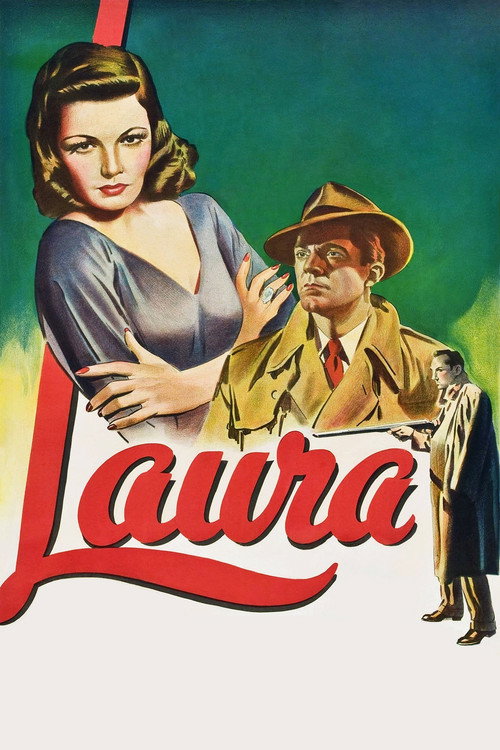
Laura1944
An elegant murder investigation where everyone has lied about the victim and the detective has to rewire his understanding of her. Same postwar American sensibility transplanted to Paris, same game of truth and performance.
But Otto Preminger's style can feel distant. The film is beautifully constructed but doesn't quite persuade you to care about the people inside it.
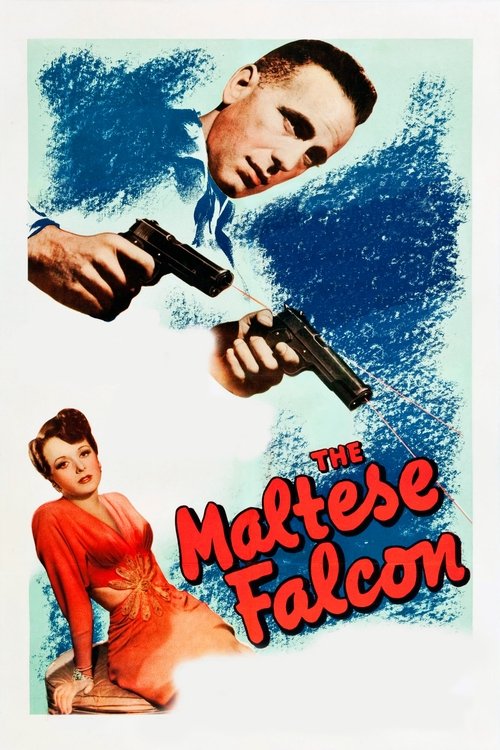
The Maltese Falcon1941
Huston's prototype for everything that follows: smart dialogue, moral compromise, a world where nobody is straight and the detective has to be smarter and harder than everyone else. It's the grandparent of Jenny Lamour.
But It's been imitated so often that seeing the original can feel like watching a Xerox of its own copies. The story feels familiar even if you haven't seen it.
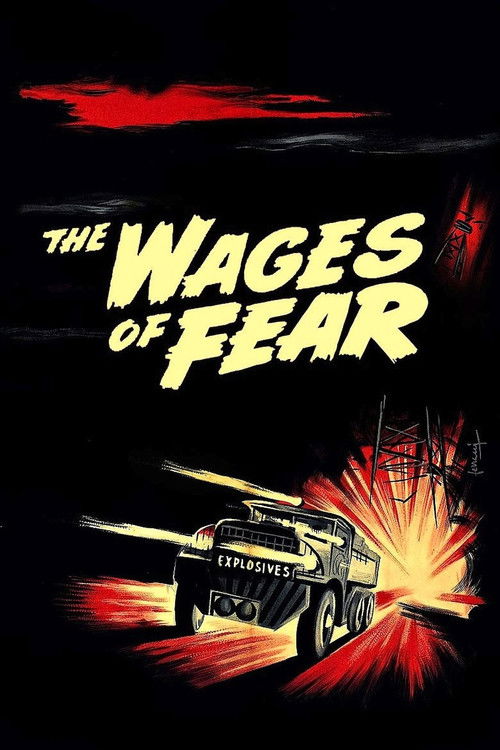
The Wages of Fear1953
Both are European films from the postwar period built on the principle that watching intelligent people think is more gripping than watching them run. Both are about what people do under pressure when the stakes are clear.
Four men driving nitroglycerine through a South American jungle; a master of suspense (Clouzot) building tension from character and circumstance, not action. The investigation here is survival—how people behave when tested. Same precision of observation as Jenny Lamour.
But Two and a half hours, mostly men in trucks, a lot of it very quiet. If you need plot, this will feel glacial. If you need things to explode, you'll be frustrated.
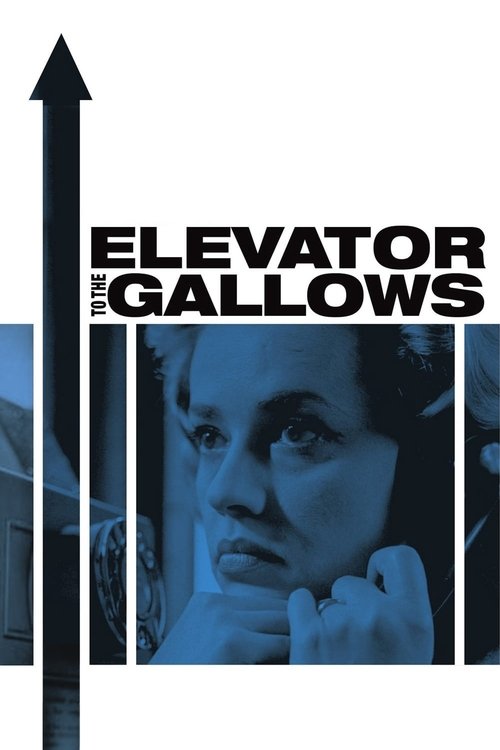
Elevator to the Gallows1958
Both are French postwar thrillers about isolation and observation; both are interested in the gap between what you intend and what actually happens; both feature protagonists trapped by their own actions, watched by detectives or circumstance, unable to control the consequences spreading out from them.
Louis Malle's film about a man locked in an office building elevator after murdering his lover's husband—stuck watching his crime unravel on the streets below. A French film about Paris, about investigation, about the weight of a single action. A live jazz score by Miles Davis.
But The tone is strange—part thriller, part meditation, part moral essay. If you want clarification about who deserves what, the film refuses to provide it. And the elevator sequence is repetitive by design, which some will find tedious.
People
Cast
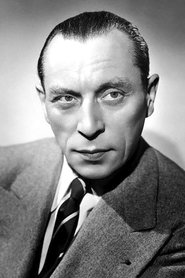 Louis JouvetInspector Antoine
 Simone RenantDora Monnier
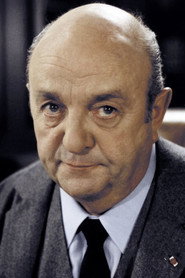 Bernard BlierMaurice Martineau
 Suzy DelairJenny Lamour
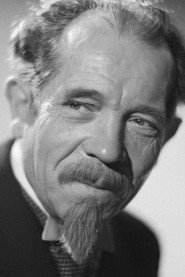 Pierre LarqueyEmile Lafour
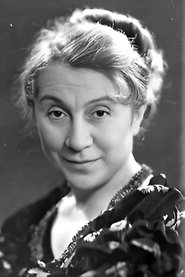 Jeanne Fusier-GirPâquerette
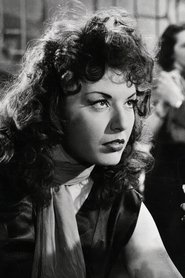 Claudine DupuisManon
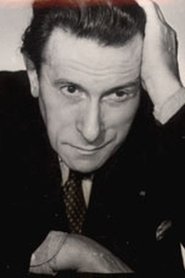 Charles DullinGeorges Brignon
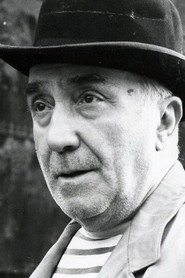 Henri AriusLéopardi
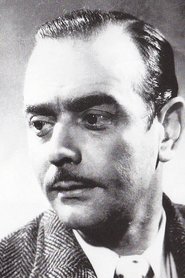 Charles BlavetteGendarme Poitevin
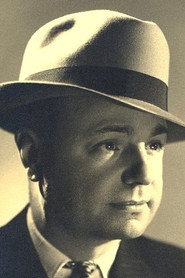 René BlancardPolice Commissioner
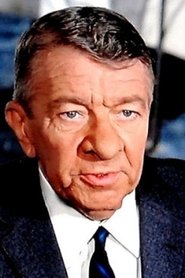 Robert DalbanPaulo
Directing
- Serge VallinAssistant Director
- Henri-Georges ClouzotDirector
- Laurence ClaviusScript Supervisor
Writing
- Henri-Georges ClouzotDialogue
- Jean FerryDialogue
- André HornezLyricist
- Stanislas-André SteemanNovel
- Henri-Georges ClouzotScreenplay
- Jean FerryScreenplay
Production
- Louis WipfProducer
- Roger de VenlooProducer
- Louis WipfProduction Director
- Lucien LippensUnit Manager