
Film
Mujib: The Making of a Nation
A sweeping biopic of Sheikh Mujibur Rahman, Bangladesh's founding father, tracing his journey from childhood through his struggle for independence. Director Shyam Benegal crafts an intimate yet monumental portrait of political awakening, blending personal conviction with national destiny. For those drawn to historical epics that humanize their subjects and explore how individuals reshape nations.
If you liked this
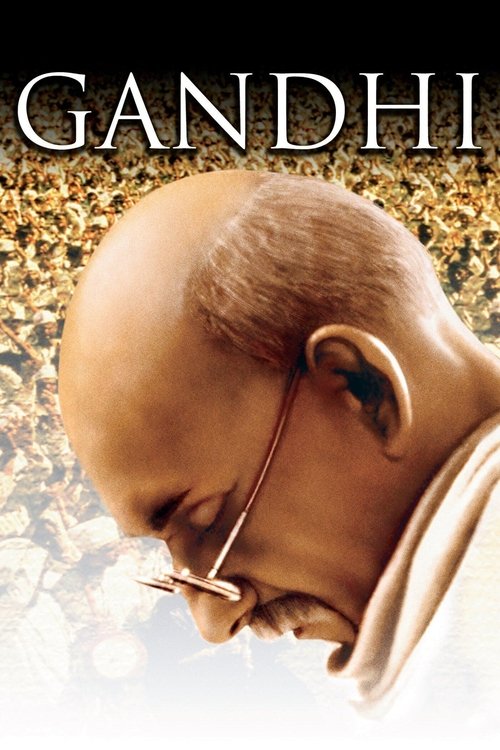
Gandhi1982
Attenborough's definitive portrait of nonviolent resistance and moral clarity. Like Mujib, it follows one man's conviction reshaping a nation, with sweeping historical scope tempered by quiet personal moments that reveal character.
But Nearly three and a half hours of measured pacing. If you need constant narrative momentum rather than meditative examination, this will test your patience.
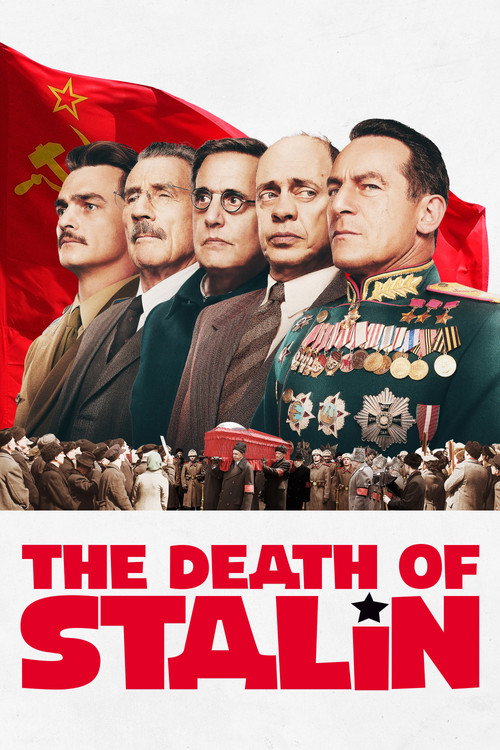
The Death of Stalin2017
A blackly comic dissection of power, succession, and the machinery of state. Shares Mujib's interest in how nations transition, but approaches it through satire rather than reverence, showing the messy human side of historical upheaval.
But The satirical tone may feel jarring if you're expecting solemn historical drama. Some find the comedy undermines the gravity of the subject matter.
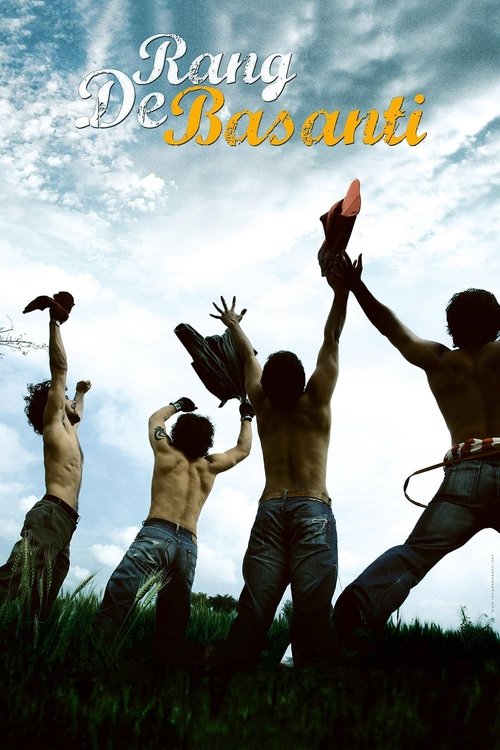
Rang De Basanti2006
An Indian epic about young people galvanized by injustice into political action. Captures that same electricity of idealism meeting reality, with Aamir Khan embodying conviction. The scope rivals Mujib's ambition, the emotion its equal.
But Melodrama peaks uncomfortably high in the final act. The film doesn't always trust subtlety when it could lean harder into restraint.
Not sure tonight? Get a pick in a minute, starting from Mujib: The Making of a Nation
The wildcard
Something you would not have found on your own.
A Gentleman's Dignity2012
Both examine how individuals become who they must be, not through singular moments but through sustained moral choice. Mujib shows us history's shape; this shows us its texture.
A South Korean drama about friendship, aging, and how the choices made in youth echo through decades. The connection to Mujib isn't obvious, but it shares something essential: how conviction tested over time defines a person. Intimate where Mujib is monumental, but equally concerned with legacy and moral integrity.
But It's a romantic ensemble melodrama, not a historical epic. If you expect geopolitical scope, you'll find domestic heartbreak instead. Also, it's 16 hours—commitment required.

More like this (7)
19712007
A Bangladeshi film about the independence war itself, directed by Seemantaa Sinha. Raw, visceral counterpoint to Mujib's biographical scope, showing the war from the ground up rather than through one man's eyes. Essential context.
But The violence is unvarnished and difficult. If you're watching Mujib for inspiration, this film offers none—only survival and suffering.
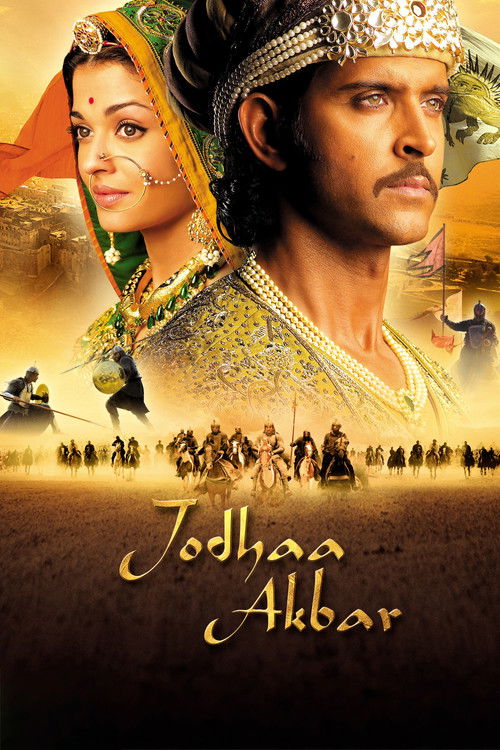
Jodhaa Akbar2008
An epic historical drama about duty, marriage, and political alliance in Mughal India. Ash Pallavi and Hrithik Roshan anchor sweeping sets and romantic tension. If you loved Mujib's personal stakes within historical grandeur, this delivers both in abundance.
But Historical accuracy takes a backseat to romance. The film beautifies history rather than interrogating it, which can feel shallow if you want substance beneath spectacle.
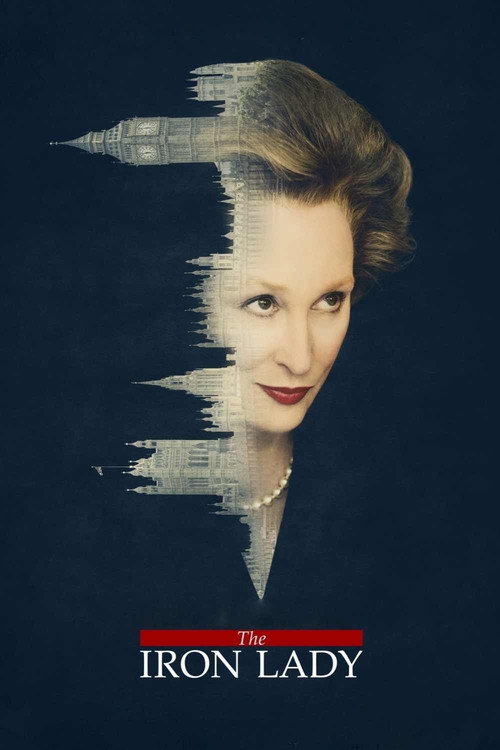
The Iron Lady2011
Meryl Streep as Margaret Thatcher, exploring how an outsider rises through conviction and will. A study in political determination, though from the opposite ideological pole. Offers an interesting mirror to Mujib's moral clarity.
But Streep's performance can overshadow the political analysis. If you want ideas, you'll find personality instead.
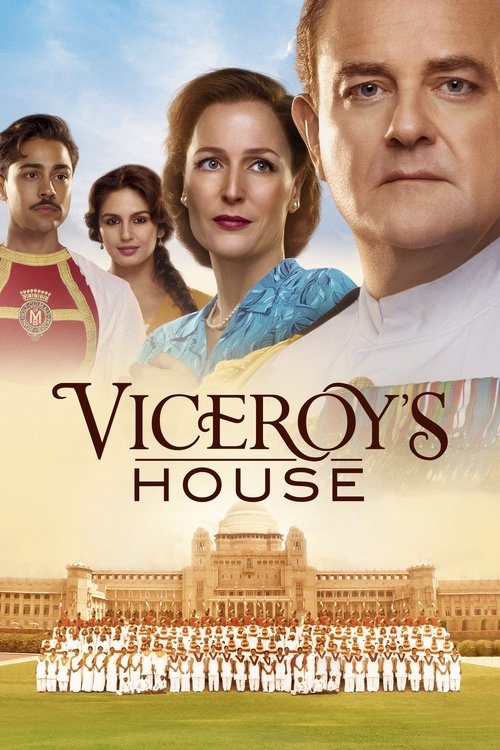
Viceroy's House2017
Gillian Anderson and Hugh Bonneville navigate the Partition of India and Pakistan. Directly precedes Bangladesh's own independence struggle, showing the chaos from which Mujib emerged. Historical context wrapped in intimate drama.
But The film privileges the British perspective, which can feel tone-deaf given its subject matter. Some find it fails to reckon honestly with colonial complicity.
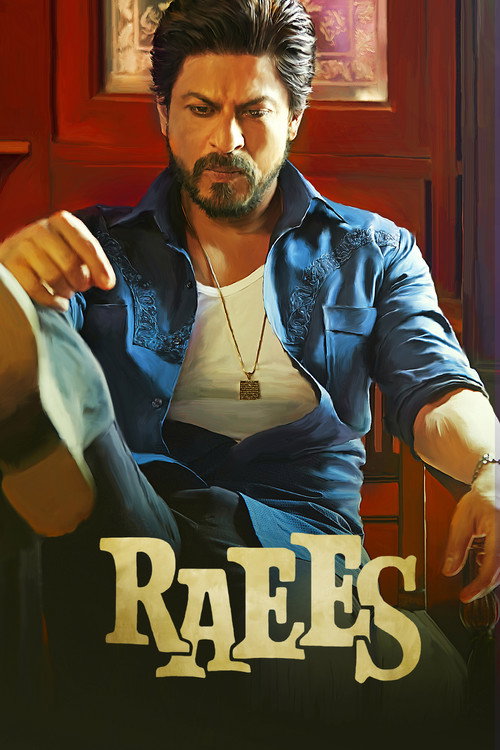
Raees2017
Shah Rukh Khan as a man of principle caught between street and state, morality and pragmatism. A crime drama that wrestles with the same tensions between personal conviction and public duty that animate Mujib, but in a completely different register.
But It's a Bollywood mass entertainer, not a serious historical work. If you want intellectual rigor, the thrills-and-style approach will feel frivolous by comparison.
The Battle of Algiers1966
Both are unflinching examinations of armed struggle for national sovereignty. Mujib is a personal epic; this is a structural one. Together, they frame independence from inside the movement and from the architect's perspective.
Gillo Pontecorvo's monochrome masterpiece about urban insurgency and colonial resistance. Shot like a documentary, urgent as a dispatch. It doesn't dramatize liberation—it documents the machinery of it. If Mujib shows you why independence mattered, this shows you how it happened in the streets.
But Black and white 1966 Italian neorealism is a severe aesthetic. No conventional narrative, no score to guide emotion. You must meet it halfway, and many find it austere rather than moving.

My Son, My Son, What Have Ye Done2010
Both ask what it means to be consumed by historical or personal mission. Mujib vindicates that sacrifice; Herzog's film questions whether any individual conviction can justify such costs. They're philosophical opposites, which makes them perfect companions.
Werner Herzog and Michael Shannon in a film about a man consumed by a conviction so absolute it destroys everything around him. A psychological horror-drama about idealism curdled into obsession. The inverse of Mujib's arc: where the father of a nation's conviction saves his people, this examines what happens when private conviction destroys a family.
But Herzog's art-film approach is deliberately obtuse and sometimes pretentious. The narrative is fragmented, the tone unsettling. This isn't entertainment; it's an interrogation of certainty itself.

People
Cast
 Arifin ShuvooSheikh Mujibur Rahman
 Nusrat Imrose TishaRenu (Sheikh Fazilatunnesa Mujib)
 Nusraat Faria MazharSheikh Hasina
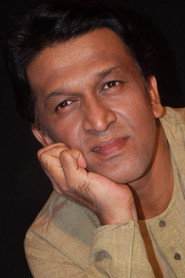 Gazi RakayetRenu's Grandfather
 Raisul Islam AsadAbdul Hamid Khan Bhashani
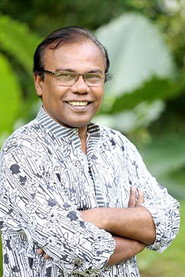 Fazlur Rahman BabuKhandaker Mustak Ahmed
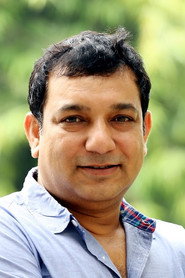 Tauquir AhmedHuseyn Shaheed Suhrawardy
 Misha SawdagorMohammad Ayub Khan
 Rokeya PrachyOld Women
 Chanchal ChowdhurySheikh Lutfar Rahman (young)
 Sabila NurSheikh Rehana
 Siam AhmedShamsul Huq
Directing
- Sham KaushalAction Director
- Shyam BenegalDirector
Writing
- Atul TiwariScreenplay
- Shama ZaidiScreenplay