
Film
Dim Sum Funeral
A Chinese-American family gathers for their mother's funeral and must navigate traditional ceremonies while confronting decades of resentment, unresolved conflicts, and the complicated love they never quite expressed. It's a comedy-drama that finds dark humour in grief, family obligation, and the gap between what we feel and what our culture demands we perform. For anyone who's survived a family gathering weighted with unsaid things.
If you liked this
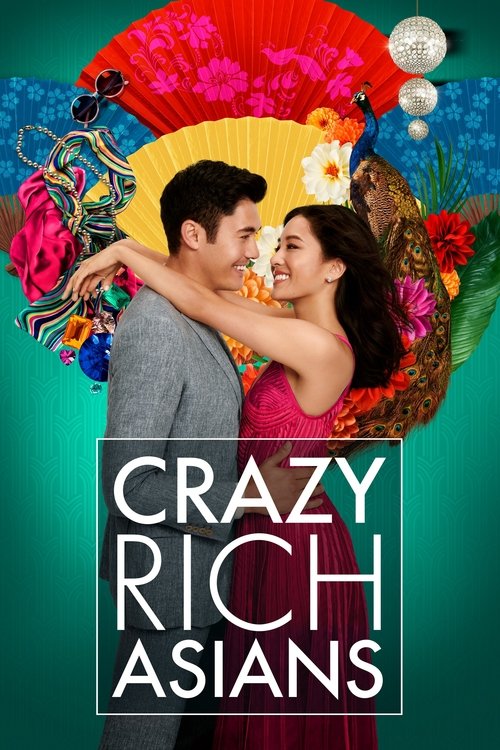
Crazy Rich Asians2018
A vibrant, funny ensemble film about family, wealth, and cultural identity. Like Dim Sum Funeral, it balances comedy with genuine emotional stakes and features a strong cast navigating complicated family dynamics across cultures.
But It's glossier and more romantic than Dim Sum Funeral—less interested in dysfunction and grief, more interested in wish-fulfilment. The tone is fundamentally lighter.
The Farewell2019
A Chinese-American family gathers around a terminal diagnosis, navigating tradition, deception, and what it means to care for someone. Shares the same emotional DNA: cultural specificity, dark comedy, and the gap between family obligation and genuine connection.
But It's quieter and more melancholic than Dim Sum Funeral. There's less ensemble chaos—it's tighter, more focused on one woman's perspective and internal conflict.

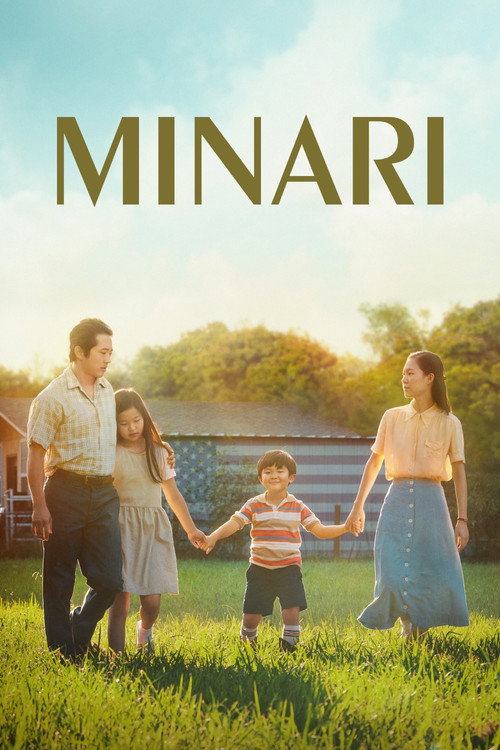
Minari2021
An immigrant family chases the American dream while their relationships fracture under pressure. It's deeply felt without sentimentality, funny without deflecting from real pain, and genuinely interested in how families hurt each other.
But It's set in rural Arkansas and centres a heterosexual marriage, so the family structure is different. The pace is slower and more contemplative; less verbal sparring, more quiet suffering.
Not sure tonight? Get a pick in a minute, starting from Dim Sum Funeral
The wildcard
Something you would not have found on your own.
In the Mood for Love2000
Both films understand that the most painful moments in families (and relationships) often happen in silence—in what cannot be said. Both use physical space and blocking to express emotional distance.
Wong Kar-wai's masterpiece about two neighbours who discover their spouses are having an affair. It's about restraint, longing, and the things we don't say—shot in jewel-toned, claustrophobic spaces that make emotion feel physical. A completely different genre, but the same emotional core: grief, desire, and the performance of normalcy.
But It's a slow, visual film that trusts you to feel rather than understand. There's no plot momentum, no comic relief, and precious little dialogue. If you want momentum or clarity, it will frustrate you.

More like this (7)
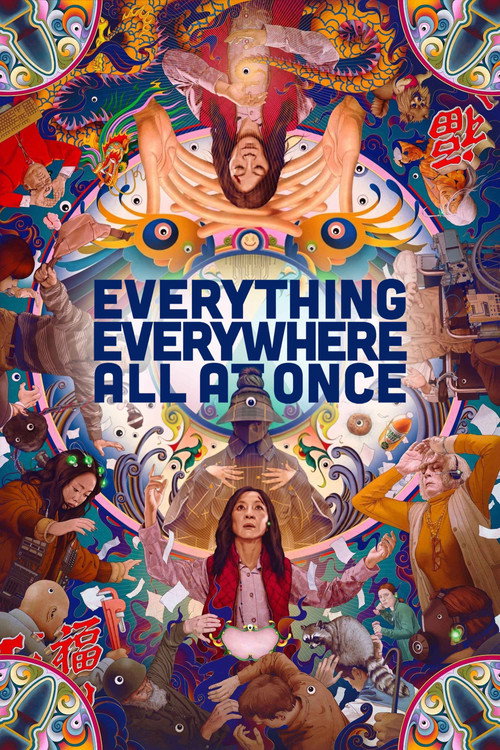
Everything Everywhere All at Once2022
Technically a multiverse film, but really a story about a Chinese-American mother and daughter whose relationship is fractured by expectation, sacrifice, and the immigrant experience. Visually wild but emotionally precise about family pain.
But It's maximalist and formally experimental—a lot happening at once. If you want something contained and character-driven like Dim Sum Funeral, this is overwhelming rather than intimate.
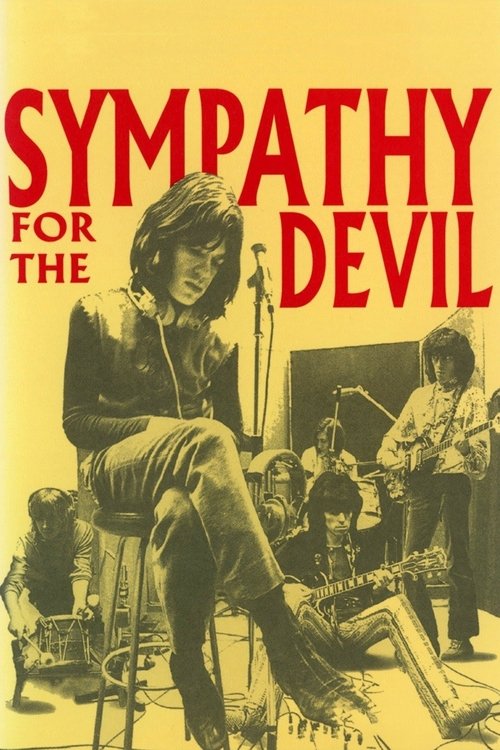
Sympathy for the Devil1968
Two friends navigate a season of weddings and family events, watching people pair off and settle down. It's warm, ensemble-based comedy-drama about people who don't quite fit the mould and keep showing up anyway.
But It's about younger people and romantic possibility. There's no death, no intergenerational conflict, no cultural specificity—it's more universally 'indie comedy' and less culturally textured.
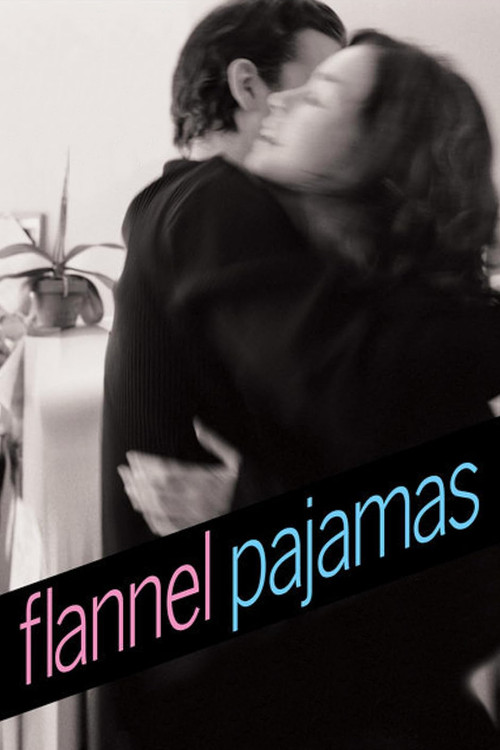
Flannel Pajamas2006
A long, unspooling look at a marriage dissolving—not through plot mechanics but through accumulated hurt, miscommunication, and the gap between who we are and who our partner needs. Deeply uncomfortable and often funny in its recognition of how we wound each other.
But There's no family ensemble here, no cultural context, and it's genuinely bleak without redemption. If you want catharsis or warmth, this won't provide it.
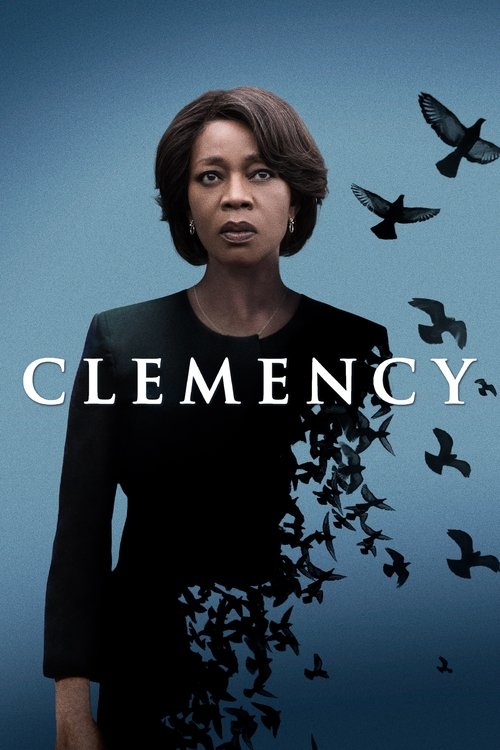
Clemency2019
A death row prison chaplain confronts her own capacity for detachment and numbness. It's about how we protect ourselves from feeling, how systems dehumanize, and what happens when we can't avoid emotion anymore. Quiet, devastating, and very precisely observed.
But It's a serious examination of capital punishment and trauma. There's no comedy here at all, and the register is almost liturgical. It's punishing in a way Dim Sum Funeral isn't.
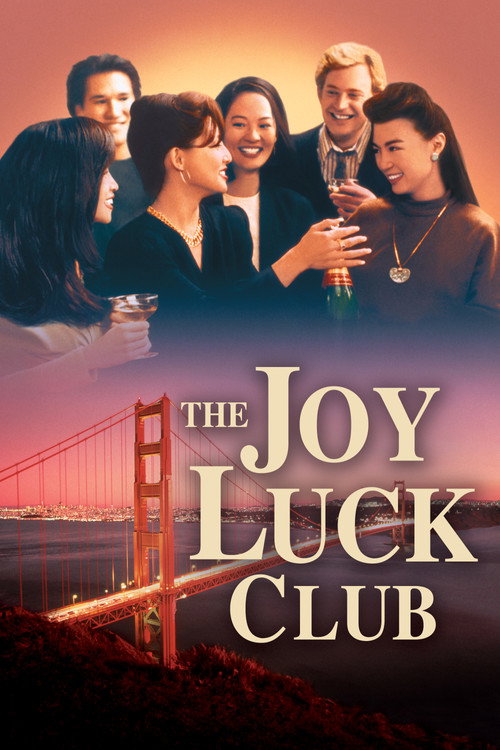
The Joy Luck Club1993
Mothers and daughters across two generations and two cultures. It's earnest about cultural specificity and family pain, and genuinely interested in what gets lost and gained in immigration and intergenerational estrangement.
But It's quite earnest and dated in its style. The characters sometimes feel like representatives of ideas rather than people, and it reaches for uplift in ways that feel unearned.
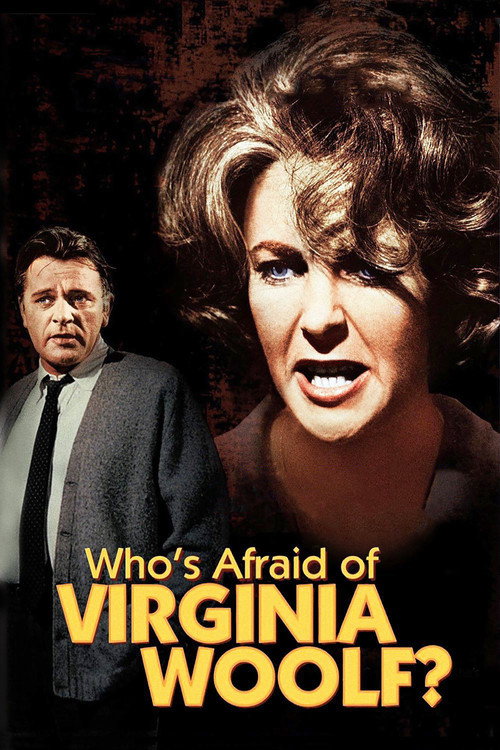
Who's Afraid of Virginia Woolf?1966
Both understand that families (chosen or biological) are places where we can express aggression we hide everywhere else. Both use comedy as a way to make cruelty bearable, and both suggest that the people who hurt us most are often the ones we're most tied to.
Two couples spend a night tearing into each other with wit and cruelty, decades of resentment pouring out in real time. It's a masterclass in how people use language as a weapon and how deep affection can coexist with genuine hatred. Brutal, funny, and impossible to look away from.
But It's a filmed stage play—two hours in one room with four people verbally eviscerate each other. There's no relief, no plot, no exterior action. If you need narrative momentum or escape, this is a pressure cooker that won't release.
Synecdoche, New York2008
Both films are interested in performance within intimate spaces—what we perform for our families, what gets hidden beneath cultural ritual. Both suggest that the gap between who we are and who we present is where the real story lives.
A theatre director creates an increasingly elaborate play inside a warehouse, blurring the line between art and life, performance and authenticity. It's dense, strange, and formally inventive—but underneath is a story about mortality, the failure to connect, and what we owe the people we love. Made the same year as Dim Sum Funeral, but from an entirely different place.
But It's deliberately oblique and requires active interpretation. The narrative loops and fragments; you're never quite sure what's real or what's performance. Some find it pretentious and exhausting. If you want clarity, you won't find it.

People
Cast
 Talia ShireViola Gruber
- Steph SongMeimei

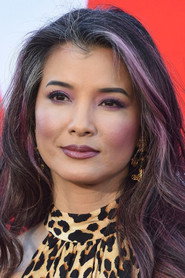 Kelly HuCindy
 Julia NicksonElizabeth
 Bai LingDeeDee
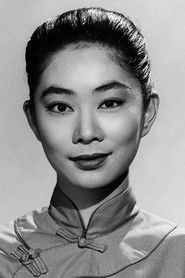 Lisa LuMrs. Xiao
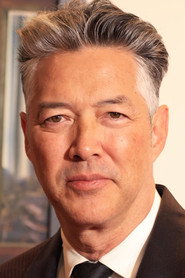 Russell WongAlexander
- Valerie TianEmily
Directing
- Anna ChiDirector
Writing
- Donald MartinWriter
Production
- Susan Taylor BrouseCasting
- Andrew ReimerExecutive Producer
- Clark PetersonExecutive Producer
- Stefan WodoslawskyExecutive Producer
- Jeffery Scott LandoProducer