
Film
Flannel Pajamas
A Manhattan couple navigates the messy reality of long-term love across seven years. Flannel Pajamas is patient, unglamorous, and deeply felt—intimate scenes of tenderness punctuated by fights that don't resolve neatly. It's for anyone who recognizes that sustaining a relationship is harder and stranger than falling into one.
Should you watch it?
Watch it if you enjoy talky, observant romances where the drama lives in ordinary negotiations over in-laws, careers and religion, and you are happy to watch two decent people slowly work each other out.
Skip it if you want plot momentum and quick cuts; at over two hours of mostly conversation, its repetition of domestic bickering can feel like a long wait.
What it asks of you: Settle in for more than two hours of unhurried, mostly conversational scenes, where you need to track small shifts in tone and temperament rather than waiting for events to arrive.
Not sure? Find tonight's pick in a minute.
If you liked this
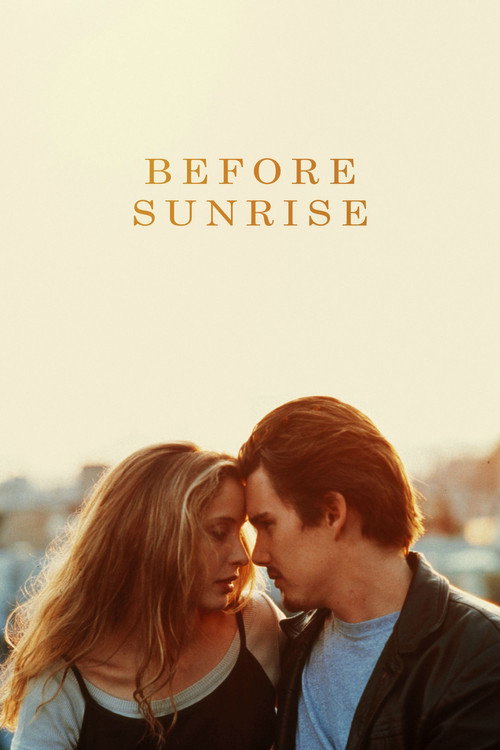
Before Sunrise1995
Two strangers meet by chance and spend one night talking through Vienna. Like Flannel Pajamas, it finds profound drama in conversation and small moments, trusting that dialogue and chemistry can carry an entire film without spectacle.
But Dialogue-heavy and deliberately paced. If you need plot momentum or external stakes, this will feel static and occasionally precious.
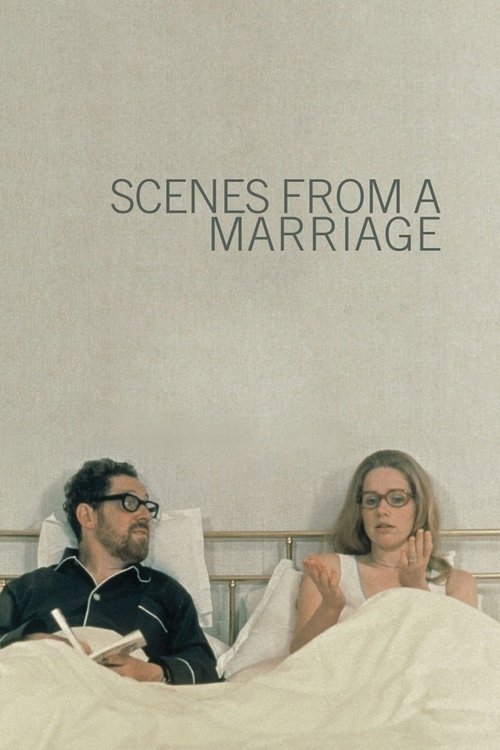
Scenes from a Marriage1974
Bergman's masterwork follows a couple through marriage, infidelity, and unravelling with unflinching honesty. Both films refuse to prettify relationships; both find depth in the ordinary cruelty couples inflict on each other.
But Intensely bleak and sometimes brutal. The original miniseries runs over four hours; even the film version is emotionally exhausting and offers no comforting resolution.
Krisha2016
An American family rebuilds after addiction and homelessness. Like Flannel Pajamas, it's a non-narrative portrait of domestic life—focused on texture, small interactions, and the weight of shared history rather than plot.
But Shot on video with non-professional actors. The pacing is deliberately slow and nothing 'happens'—if you're looking for conventional storytelling, this won't satisfy you.

Not sure tonight? Get a pick in a minute, starting from Flannel Pajamas
The wildcard
Something you would not have found on your own.
Boyhood2014
Both reject the lie that relationships have three acts. They show the real rhythm: lull, argument, reconciliation, boredom, tenderness, resentment, all repeating like weather.
Filmed over twelve years, watching these characters age naturally creates a unique intimacy. Like Flannel Pajamas' seven-year span, it understands that relationships are defined by accumulation—small moments become the substance of a life.
But At nearly three hours, it can feel repetitive and plotless. Some viewers resent that Linklater refuses to dramatize life into something more 'interesting' than actual living.

More like this (7)
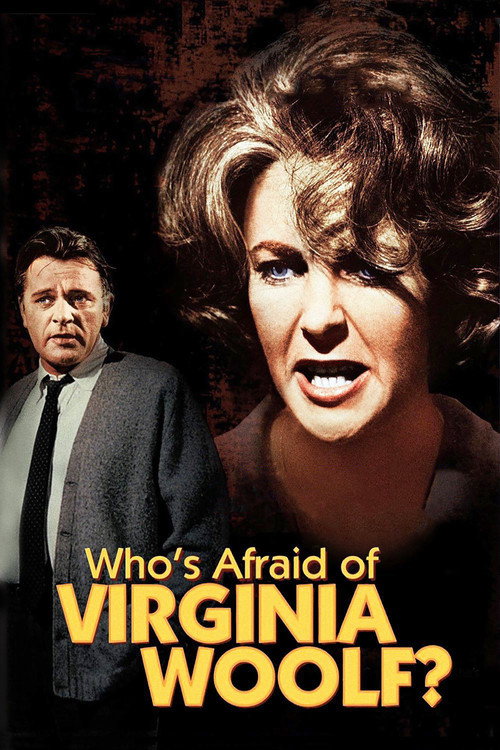
Who's Afraid of Virginia Woolf?1966
Elizabeth Taylor and Richard Burton wage a savage, hilarious battle across one night of marriage. Both films understand that couples can be simultaneously loving and destructive, and that real intimacy includes real conflict.
But Relentlessly antagonistic and loud. It's a performance, not a portrait—if you prefer subtlety and quiet moments, this theatrical approach might feel over-the-top.
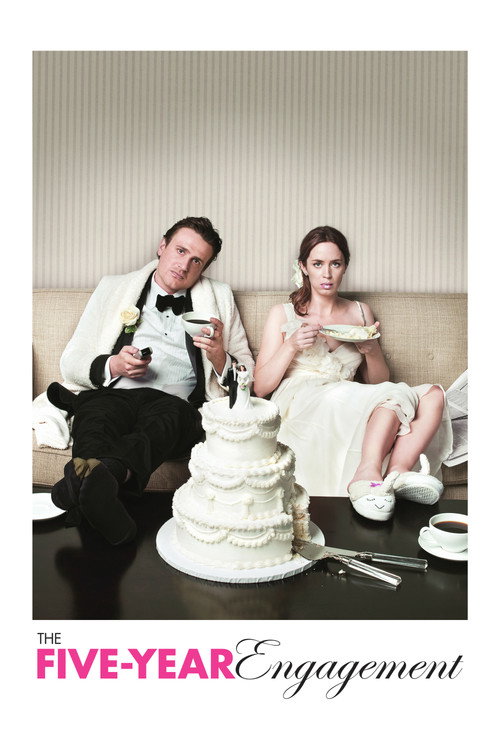
The Five-Year Engagement2012
A couple's engagement stretches on as career ambitions and life complications pile up. It acknowledges that modern relationships are negotiations between two people's dreams, much like how Flannel Pajamas treats love as a series of compromises.
But Comic sensibility softens the stakes considerably. The film aims to balance drama with laughs in ways that sometimes undercut the seriousness of what these characters face.
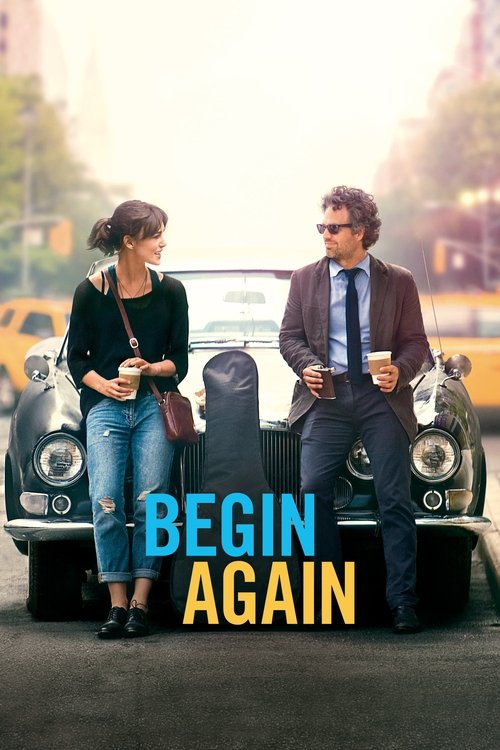
Begin Again2014
A story of two people rebuilding after loss and failed relationships. It shares Flannel Pajamas' interest in how damaged people try to connect, and how vulnerability can be both a risk and a necessity.
But The soundtrack is intrusive and the New York backdrop becomes pretty-postcard. It's ultimately more romantic than realistic, which diminishes the messy complexity both films are after.
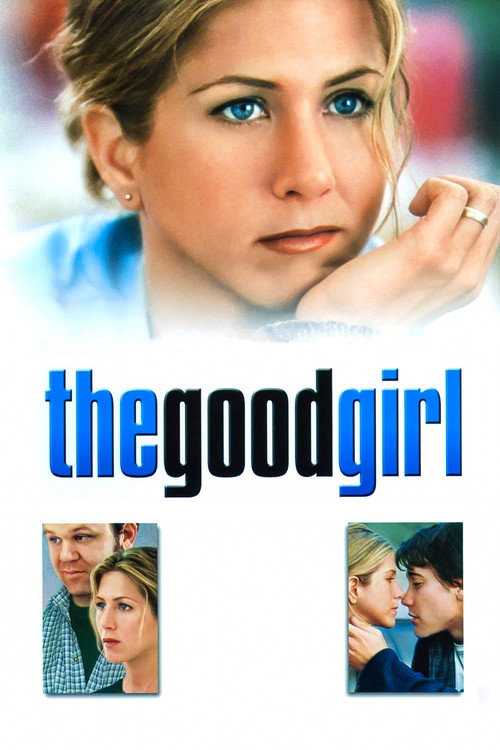
The Good Girl2002
A bored married woman in a failing relationship drifts into an affair. It captures the specific despair of feeling trapped in a marriage without the explosiveness—the quiet suffocation of ordinary unhappiness.
But Deliberately unglamorous and somewhat grim. There's no redemption here, just accumulating disappointment, which some viewers will find too bleak.
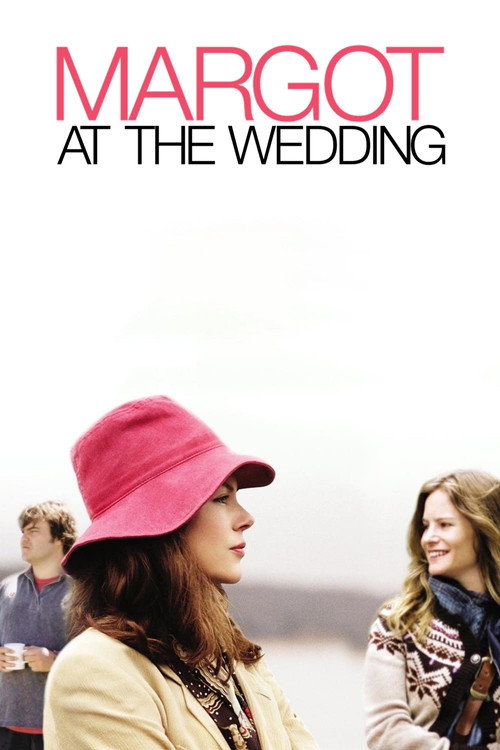
Margot at the Wedding2007
Noah Baumbach observes a sister and her fractured marriage over a wedding weekend. Both films are interested in how relationships expose us—all your defenses fail when someone knows you this well.
But The characters are often unlikeable and the observation feels cold rather than warm. If you need to root for people, you'll find this detached and sometimes cruel.
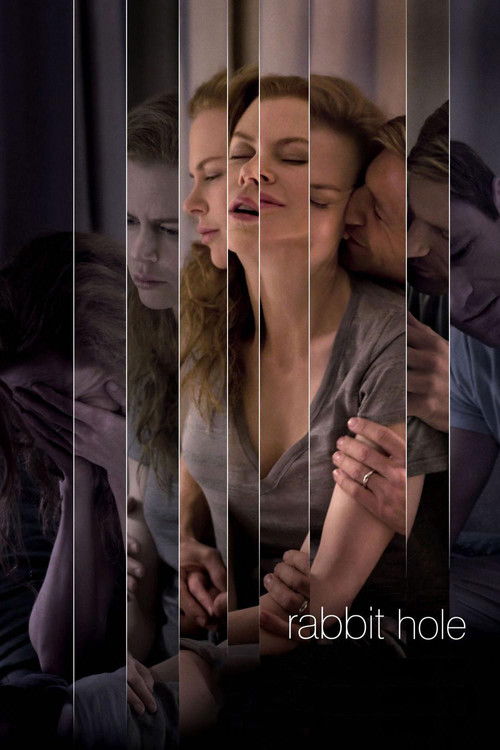
Rabbit Hole2010
A couple grieves the loss of their child and discovers they grieve differently. It's about how shared trauma can either bind or fracture a partnership, and how love sometimes isn't enough to bridge certain gulfs.
But Deliberately mournful and quiet to the point of stasis. The emotional heaviness never lifts, and some will find it punishing rather than cathartic.
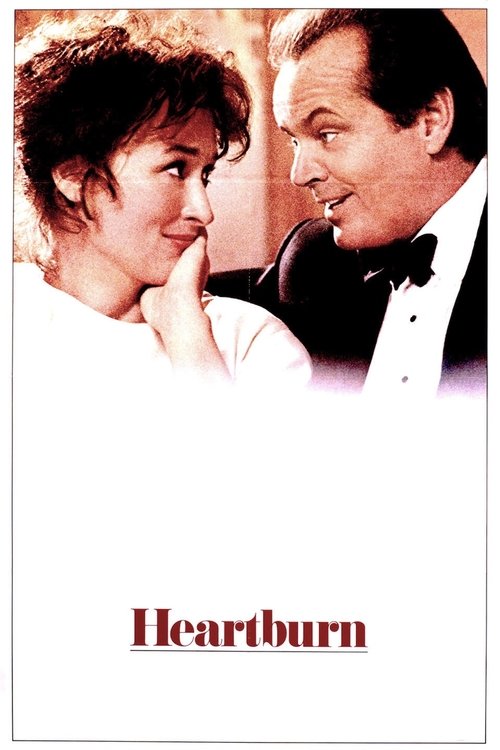
Heartburn1986
Where Flannel Pajamas is quiet and patient, Heartburn is loud and acerbic—but both refuse the fantasy that love conquers all. They insist on the comedy and cruelty that coexist in real marriages.
A pregnant woman discovers her husband's infidelity and documents her rage with dark comedy. It's a sharp, funny antidote to relationship sentimentality—anger and humor as legitimate responses to betrayal, not obstacles to overcome.
But The film is strikingly glib about serious hurt. Some will feel it trivializes infidelity by making it pithy, and the ending feels designed to console rather than challenge.
People
Cast
 Julianne NicholsonNicole
 Justin KirkStuart
 Jamie HarroldJordan
- Chelsea AltmanTess
 Tom BowerBill
 Rebecca SchullElizabeth
 Michelle FedererTara

 Stephanie MarchCathy
 Geoffrey NaufftsPeter
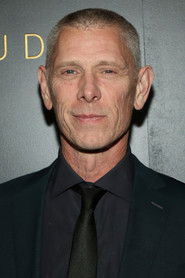 Jamie HarrisBrad
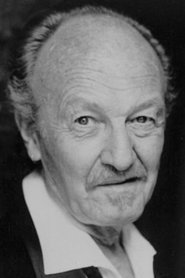 George RiddleCalvin
Directing
- Jeff LipskyDirector
- Shahrzad 'Sheri' DavaniFirst Assistant Director
- Aline MottaScript Supervisor
- Loren SklarSecond Assistant Director
- Jake NeufeldSecond Second Assistant Director
Writing
- Jeff LipskyWriter
Production
- Christopher PizzoAssociate Producer
- Patricia Kerrigan DiCertoCasting
- Julie SchubertCasting Assistant
- Bryce AngellCo-Executive Producer
- Eric SchollCo-Executive Producer
- Brian ReingoldCo-Producer
- Simon Channing WilliamsExecutive Producer
- Brian ReingoldExtras Casting
- Melissa KleinExtras Casting
- Tevin AdelmanLine Producer
- Brian ReingoldLocation Manager
- Brian DevineProducer
- Jason OransProducer
- Jonathan GrayProducer
- Adam SpielbergProduction Coordinator
- Paul JarrettUnit Production Manager