
Film
Killer: A Journal of Murder
A 1996 drama about the unlikely friendship between a sadistic career criminal and a young prison guard at Leavenworth. James Woods delivers a fearless performance as the unredeemable Carl Panzram while Robert Sean Leonard's idealistic guard tries to find humanity in him. It's unflinching, claustrophobic, and morally complex—a character study that refuses easy answers about redemption or evil.
Should you watch it?
Watch it if you are drawn to talky character studies where a grim true-crime subject plays out as a conversation behind bars, with a brilliant, unnerving lead carrying nearly every scene.
Skip it if you need propulsive crime-thriller momentum, since this is mostly talk between walls, and its bleak subject makes the slow stretches hard to sit through.
What it asks of you: Expect a lean 91 minutes of patient, dialogue-heavy scenes that stay in one bleak institution and rarely lighten, so settle in and listen closely.
Not sure? Find tonight's pick in a minute.
If you liked this
In Cold Blood1967
Richard Brooks's masterpiece explores the psychology of two murderers with the same clinical precision and moral weight. Truman Capote's source material provided the template for this kind of intimate true-crime examination.
But Shot in bleak black-and-white and deliberately paced. It's more interested in understanding than sensationalizing, which can feel slow if you want faster momentum.
Brawl in Cell Block 992017
S. Craig Zahler's brutal prison film with Vince Vaughn plays with similar moral ambiguity—a man trying to be better while trapped in a system that punishes goodness. Extraordinary craft applied to uncomfortable material.
But Genuinely violent and difficult to watch. Zahler doesn't flinch from the physical brutality, which means neither can you. Not cathartic, just punishing.
My Name Is Khan2010
Shah Rukh Khan's performance as a man navigating prejudice and trying to reach people who've decided he's a monster. Different setting, same core question: can understanding bridge an unbridgeable gap?
But It's a Bollywood film, so melodrama and length. The emotional register is quite different from the American prison-drama tone you might expect.
Not sure tonight? Get a pick in a minute, starting from Killer: A Journal of Murder
The wildcard
Something you would not have found on your own.
The Last House on the Left1972
Both understand that cinema about evil must itself feel dangerous and unclean; neither offers the viewer the comfort of moral distance.
Wes Creed's raw, unwatchable early film puts you inside the psychology of violent criminals in a way that feels obscene—the connection isn't narrative but register. Both films refuse to make violence bearable by distance or narrative form.
But This is genuinely difficult to sit through. Not difficult-but-rewarding; it's designed to provoke nausea. It's also technically crude, which makes it harder to defend as cinema.
More like this (8)
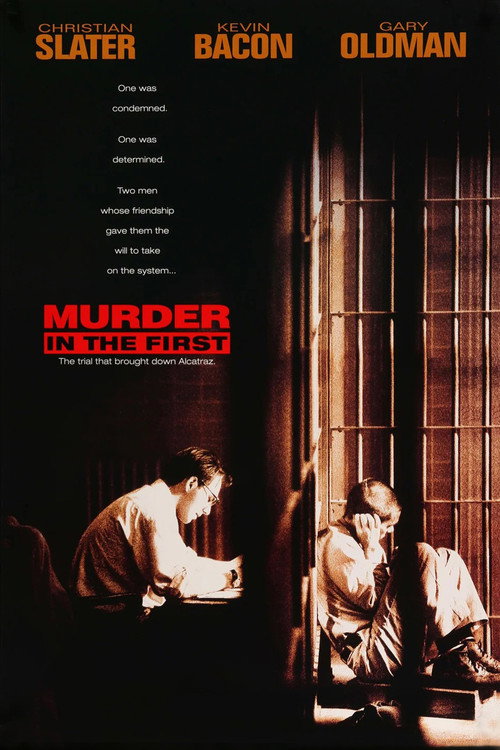
Murder in the First1995
Christian Slater's young lawyer battles the prison system itself, learning that institutional brutality creates the monsters we fear. It's a companion to this film's theme, told from the defence perspective.
But More conventional courtroom-drama structure. Slicker and less morally murky than Panzram's story—it gives you heroes and villains more clearly.
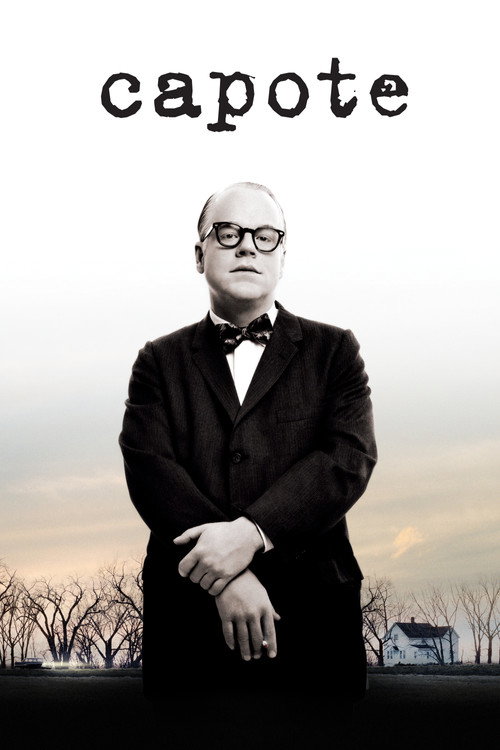
Capote2005
Philip Seymour Hoffman captures the writer obsessed with understanding In Cold Blood's killers. It's about the exact impulse that drives Henry Lesser: can intimacy with evil corrupt or redeem?
But Ultimately about a writer's vanity and manipulation more than the criminals. If you want the focus on the killers themselves, this pivots away.
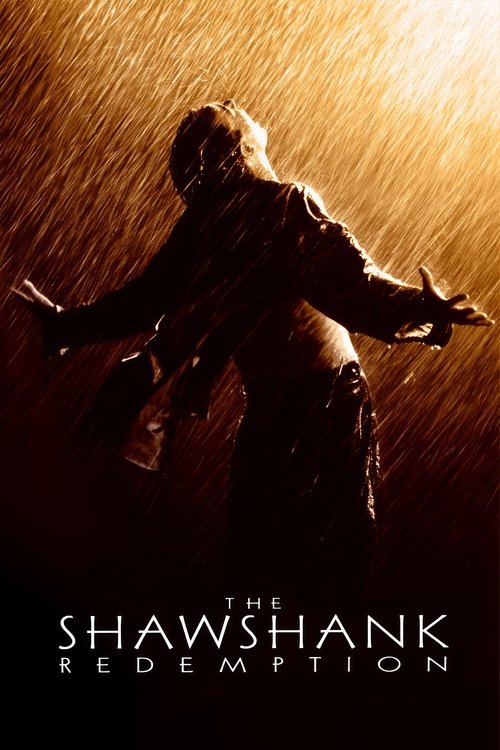
The Shawshank Redemption1994
A prison bond that also hinges on one man's faith in another's capacity for change. The opposite tonal register—hopeful where Panzram is bleak—but structurally they mirror each other.
But Sentimentally beautiful and redemptive. If you're drawn to Panzram for its refusal of easy uplift, this will feel like betrayal.
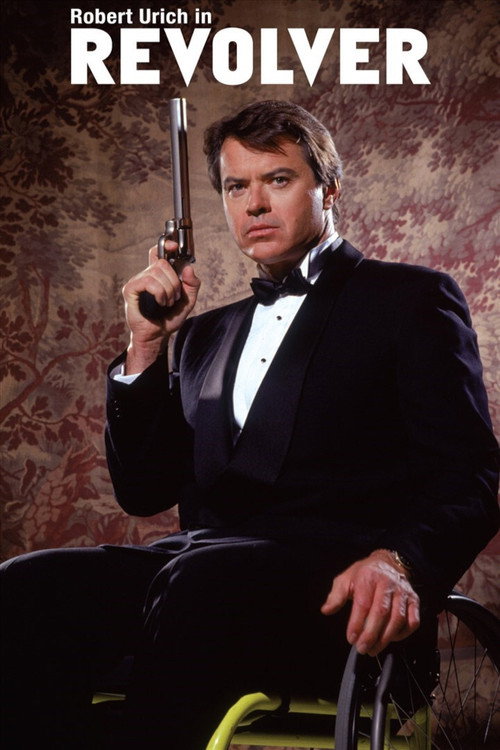
Revolver1992
A French prison film (dubbed in English) about the relationship between a lifer and a young inmate. Sparse, intense, and focused entirely on the psychological dynamics of captivity.
But French cinema of this era doesn't move fast. It's a slow examination of power and control that rewards patience but punishes distraction.
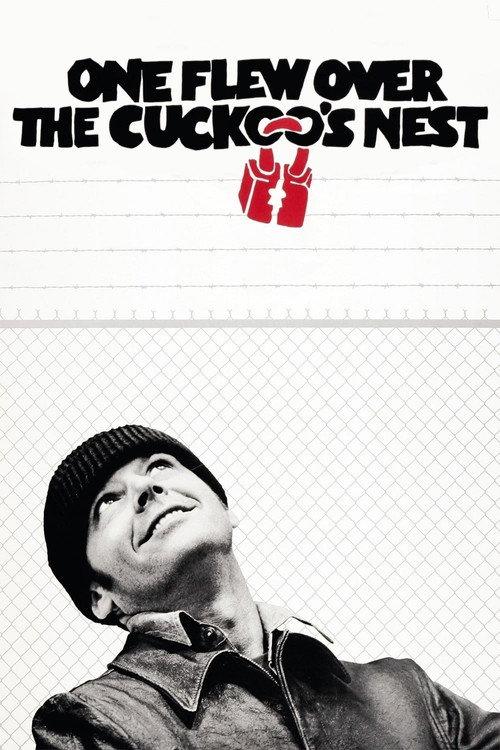
One Flew Over the Cuckoo's Nest1975
The definitive film about systems crushing individuality and the dangerous charisma of men who won't conform. It explores institutional control with the same intensity as Panzram's Leavenworth.
But You likely know it already. Also, its triumphalism about rebellion plays very differently now—less clear who deserves sympathy.
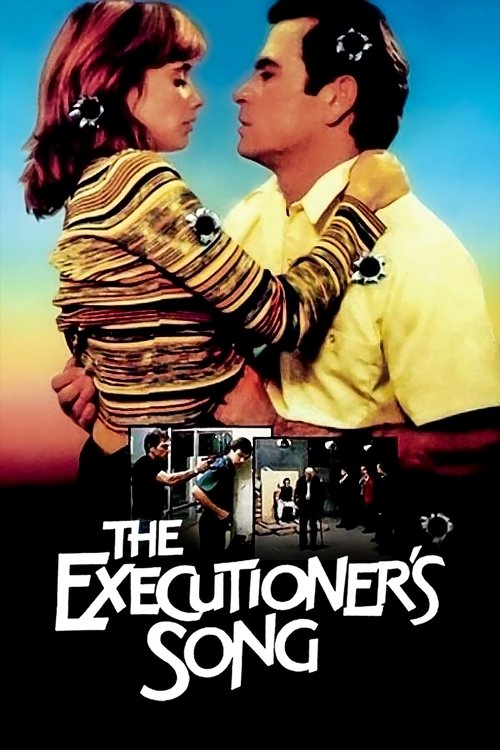
The Executioner's Song1982
Tommy Lee Jones in an HBO film about death row inmate Gary Gilmore's relationship with his biographer. Sparse, deliberate, and genuinely haunting about the desire to document the undocumentable.
But Made in 1982 and it shows. Also deeply sad without offering even the false comfort of Panzram's ambiguity—Gilmore just wants to die.
The Ballad of Little Jo1993
Both are about identity as a prison: one man cannot escape his past, one woman can only escape by abandoning her identity entirely.
Maggie Greenwald's film about a woman passing as a man in the Old West explores the possibility of rebirth and reinvention in a way Panzram's story denies. Where Panzram is trapped by his nature, Jo escapes her circumstances entirely by rewriting herself.
But Quiet, literary, slow-moving. It's interested in interiority and myth-making rather than plot. Feels more like a historical novelette than a traditional film.

Memories of Murder2003
Both films pivot on the unbridgeable gap between the observer and the observed: Bong's cops can never know their killer the way Lesser thinks he knows Panzram.
Bong Joon-ho's Korean serial killer procedural mirrors Panzram's investigation of evil, but from the investigator's perspective—watching detectives try to understand a killer they can never quite reach. The mood of moral uncertainty is identical.
But Subtitled, which slows reading. Also South Korean so the procedural logic and institutional dynamics are unfamiliar. Longer than you'd expect.

People
Cast
 James WoodsCarl Panzram
 Robert Sean LeonardHenry Lesser
 Ellen GreeneElizabeth Wyatt
 Cara BuonoEsther Lesser
 Robert John BurkeR.G. Greiser
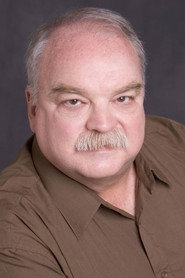 Richard RiehleWarden Quince
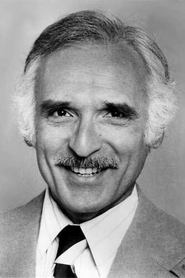 Harold GouldOld Henry Lesser
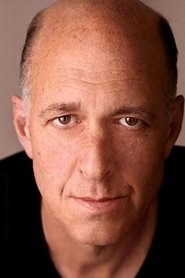 John Bedford LloydDr. Karl Menninger
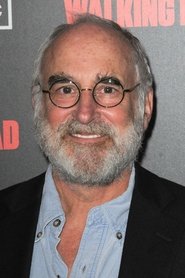 Jeffrey DeMunnSam Lesser
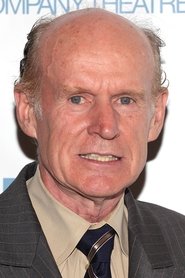 James MurtaughWalter Bailey
- Conrad McLarenJudge John W. Kingman
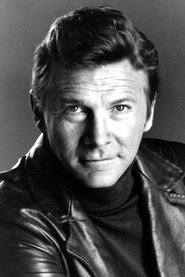 Steve ForrestWarden Charles Casey
Directing
- Tim MetcalfeDirector
Writing
- James LongNovel
- Thomas E. GaddisNovel
- Tim MetcalfeScreenplay
Production
- Janet YangProducer
- Mark LevinsonProducer
Recommended by
Bates Motel, Shotgun Stories, The War at Home, The Chamber, Appropriate Adult, The Killing of America, The Deliberate Stranger