
Film
Revolver
A 1992 spy thriller about a paralyzed intelligence agent hunting his would-be killer through the murky world of arms smuggling. Robert Urich carries the film with quiet intensity as a man whose disability becomes neither obstacle nor metaphor, just fact. It's lean, European-flavored espionage—more cerebral than bombastic, the kind of thing that played better in cable's golden age than it does now.
If you liked this
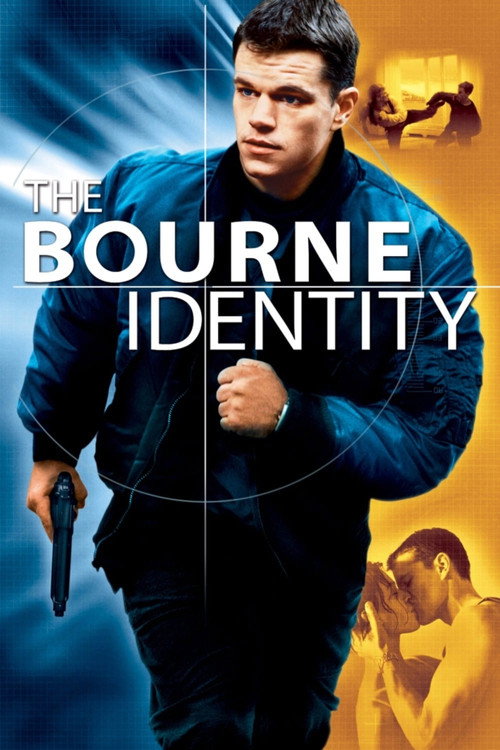
The Bourne Identity2002
A paralyzed agent seeking vengeance against those who tried to kill him mirrors this film's core: stripped-down espionage stripped of politics. Efficient, propulsive, and grounded in physical reality rather than gadgetry.
But The action vocabulary feels distant now—post-9/11 spy craft has moved on, and the film's cool detachment can read as cold rather than compelling.
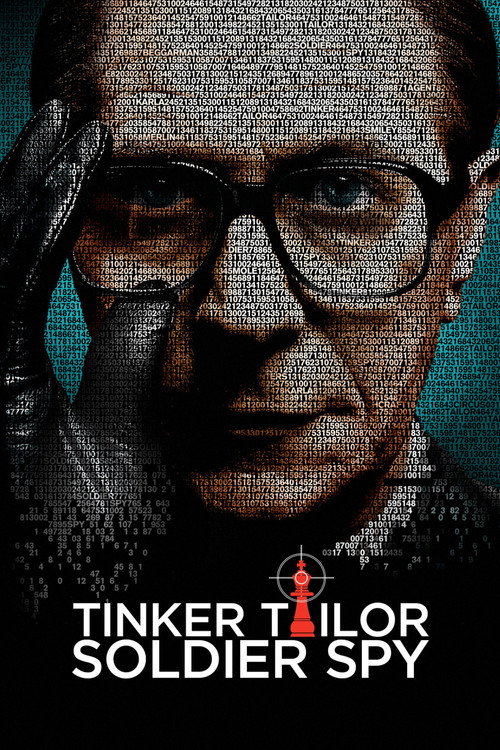
Tinker Tailor Soldier Spy2011
Slow-burn espionage that trusts the audience to piece together a web of betrayal. Like Revolver, it values restraint and moral ambiguity over spectacle, with a protagonist who solves puzzles through intellect.
But If you want plot momentum and clear answers, this will frustrate you. It's a film that requires patience and active watching.
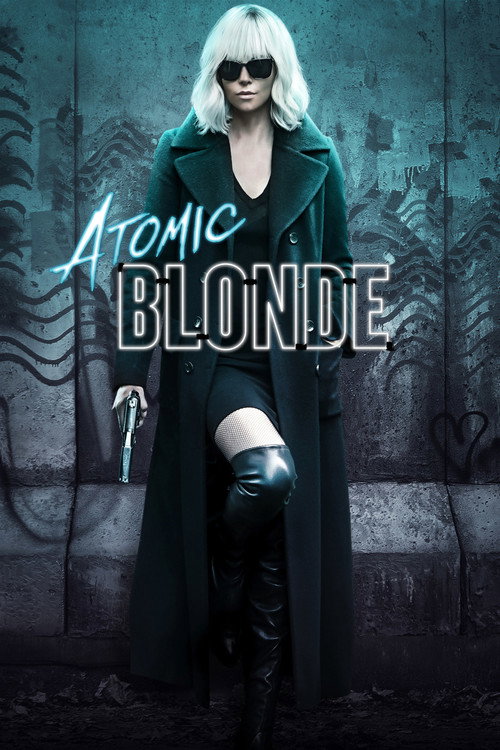
Atomic Blonde2017
An agent working against shadowy intelligence networks in European locations. Theron's performance has the same controlled physicality Urich brings—competence without ego, violence as professional necessity.
But It's far more stylish and action-heavy than Revolver. If you want understated 90s television craft, this movie's aesthetic will feel like overkill.
Not sure tonight? Get a pick in a minute, starting from Revolver
The wildcard
Something you would not have found on your own.
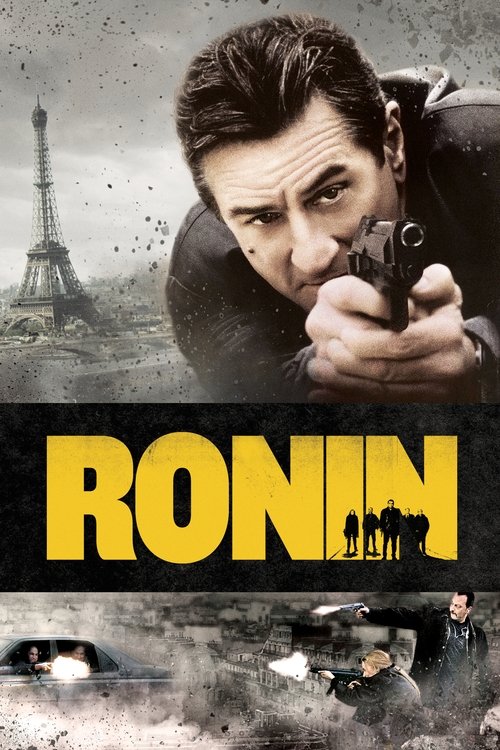
Ronin1998
Both are built on the foundation of competent people in morally gray spaces. Neither film is interested in heroes—only in operators doing their jobs and the human cost of that work.
John Frankenheimer's masterpiece about ex-soldiers in France involved in espionage and arms dealing. The car chases are legendary, but the real thrill is watching professionals work—no heroics, just craft and mutual respect.
But It's a genre exercise executed at the highest level, but it's still a genre exercise. The plot is secondary to the sensation of watching skilled people operate.
More like this (7)
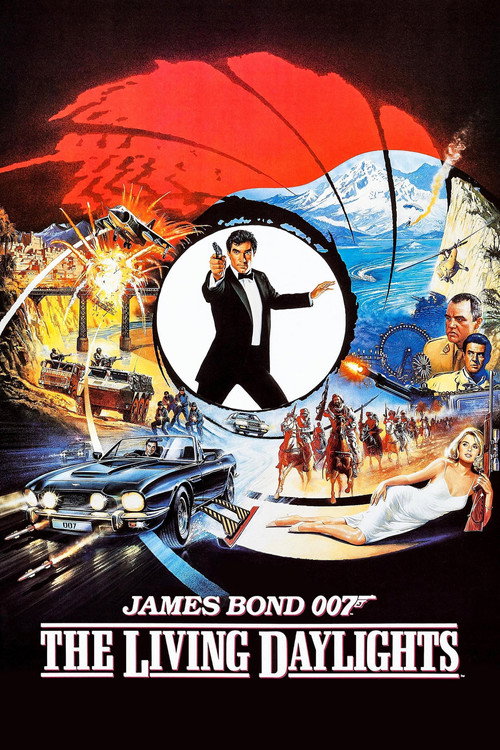
The Living Daylights1987
Dalton's Bond is a serious operative in a serious world, not a cartoon. Cold War espionage with real stakes, European locations, and a tone that matches Revolver's refusal to wink at the audience.
But It's still Bond—there are gadgets, formula beats, and a certain camp that sits uneasily with genuine grittiness. Revolver's world feels more authentic.
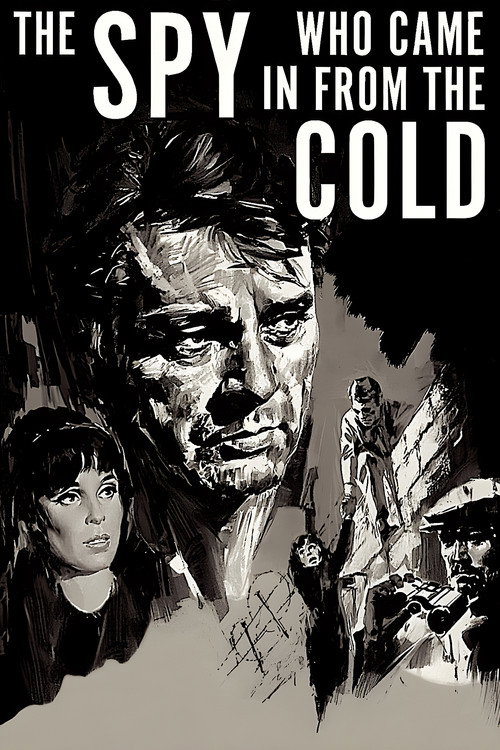
The Spy Who Came In from the Cold1965
Le Carré's bleak masterpiece about an aging agent in a morally compromised world. The source material's philosophy—that espionage is ugly and corrosive—runs through Revolver's DNA.
But It's a period piece now, and the pacing is genuinely slow. Even devoted spy-fiction fans find it a slog.
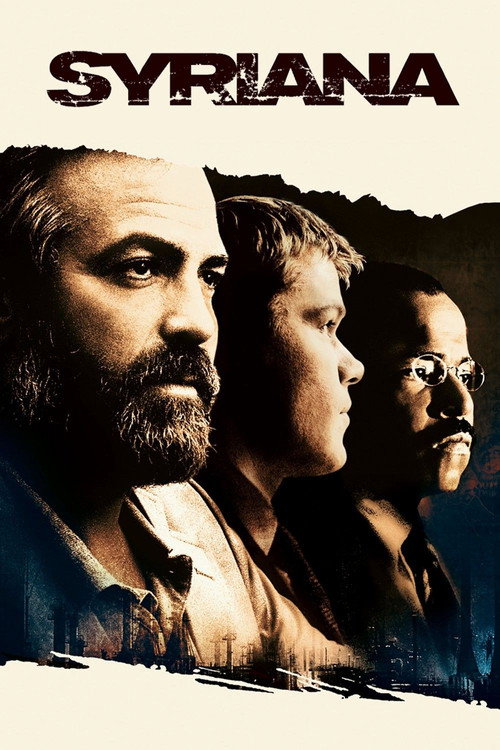
Syriana2005
International espionage, arms dealing, geopolitical consequences, and a protagonist seeking answers in a world where loyalty is currency. Denzil Washington's arc mirrors Suster's: a man dismantling a system that tried to dismantle him.
But The narrative is deliberately fractured and the film demands real concentration. Some viewers find it pretentious; others find it genuinely complex.
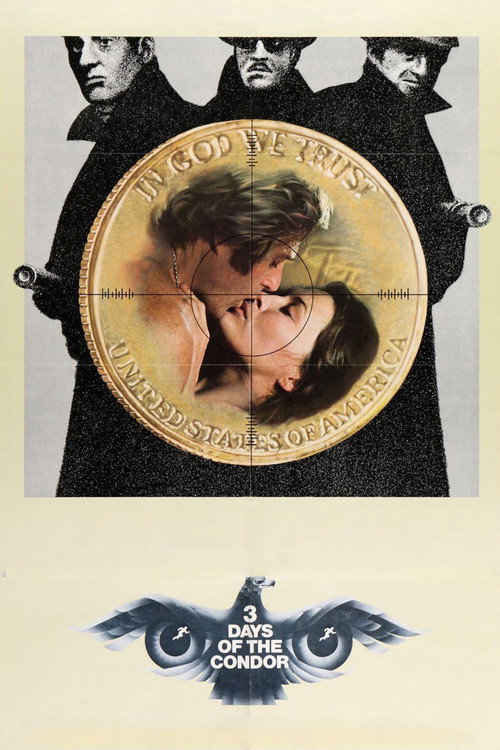
Three Days of the Condor1975
Robert Redford as an analyst pulled into a conspiracy. The paranoia, the sense of institutional betrayal, the European glamour of the locations—this is Revolver's spiritual ancestor and still one of the great American spy thrillers.
But The pacing reflects the 70s, which means it moves slowly by modern standards. The ending is deliberately unheroic, which some find unsatisfying.
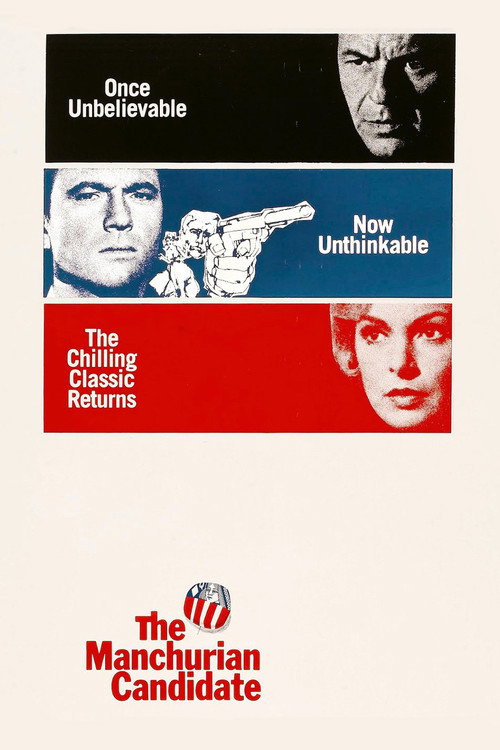
The Manchurian Candidate1962
Frank Sinatra unraveling a conspiracy rooted in intelligence services and psychological control. It has Revolver's interest in how institutions corrupt and how a man fights back against invisible machinery.
But It's a product of early 60s filmmaking—the style feels distant, and the political paranoia can seem quaint compared to what we now know was real.
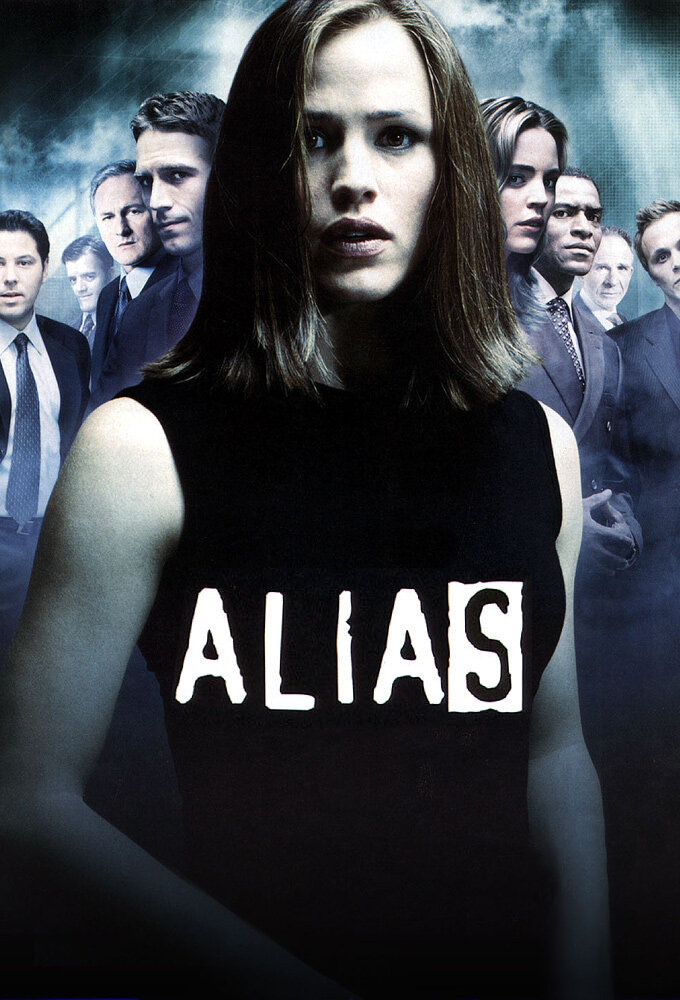
Alias2001
A CIA operative fighting rogue factions within intelligence services. Jennifer Garner's Sydney Bristow has Urich's quality of being a professional operating in a world of moral fog, though the show is far more operatic.
But It's serialized television with a bloated mythology that collapses under scrutiny. If you want focused, self-contained storytelling, Revolver's tight narrative is superior.
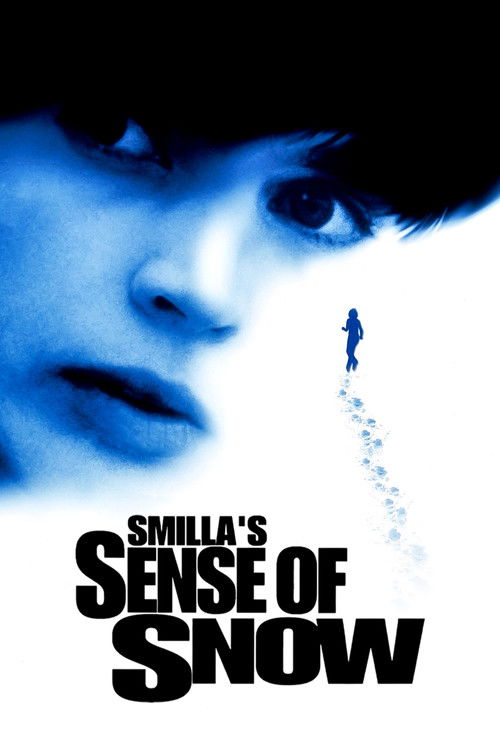
Smilla's Sense of Snow1997
A solitary protagonist operating alone, using intellect rather than firepower, navigating a conspiracy that reaches far higher than the initial crime. Both films' logic derives from the mystery, not from spectacle.
Julia Ormond as an outsider investigating a death that leads into geopolitical conspiracy. Nordic noir before the term existed, with a protagonist whose distance from normal society becomes her strength in uncovering truth.
But The plot becomes increasingly baroque, and some viewers find the film's tonal shifts—between mystery, thriller, and something else—disorienting rather than sophisticated.
People
Cast
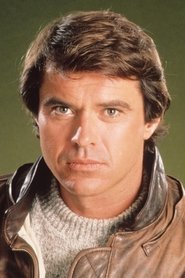 Robert UrichNick Suster
 Dakin MatthewsTom McCall
 Steven WilliamsKen Seymour
 David RyallAldo Testi
 Assumpta SernaCountess Angela Rossetti
 Neil DudgeonEric Volkner
- Gwen HumbleClare
Directing
- Gary NelsonDirector