
Film
The Living Daylights
Timothy Dalton's lean, dangerous take on Bond. This is a sharper, more vulnerable spy than his predecessors—less quip, more grit. The plot winds through Afghanistan and arms dealers with real Cold War dread. It's Bond for people who want their spy thrillers grounded and tense, with a lead actor who plays the role like a coiled spring rather than a movie star.
Should you watch it?
Watch it if you want a cool, grown-up Cold War spy thriller with tangled double-crosses and a Bond who plays it straight rather than as a gadget-chasing smirk.
Skip it if you came for gadgets, quips and glossy spectacle, since this one is talky, shadowy and a long two hours and ten minutes.
What it asks of you: Settle in for a long, unhurried stretch where the suspense builds through conversations, shadows and loyalty tests rather than rapid cuts.
Not sure? Find tonight's pick in a minute.
If you liked this
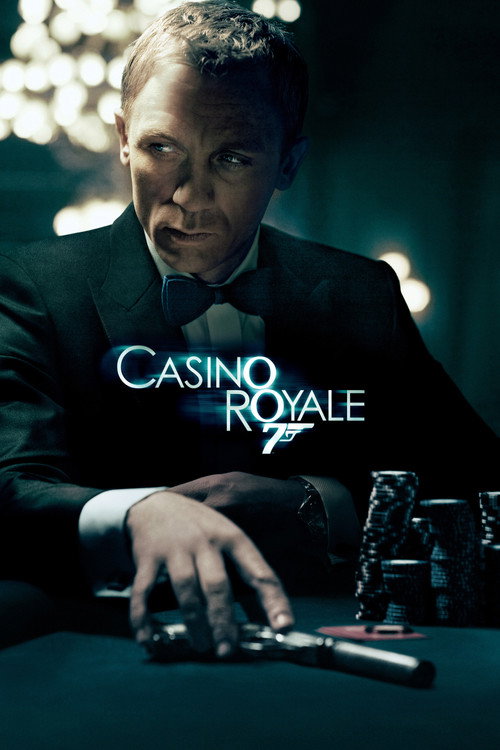
Casino Royale2006
Daniel Craig's debut did for Bond what Dalton attempted: strip away the gadgetry and play him as a damaged operative. Same lean intensity, same refusal to let charm do the work. You'll see the blueprint *The Living Daylights* laid down.
But If you want spectacle and gadgets, Craig's first outing is comparatively restrained. Some find it too serious for Bond.
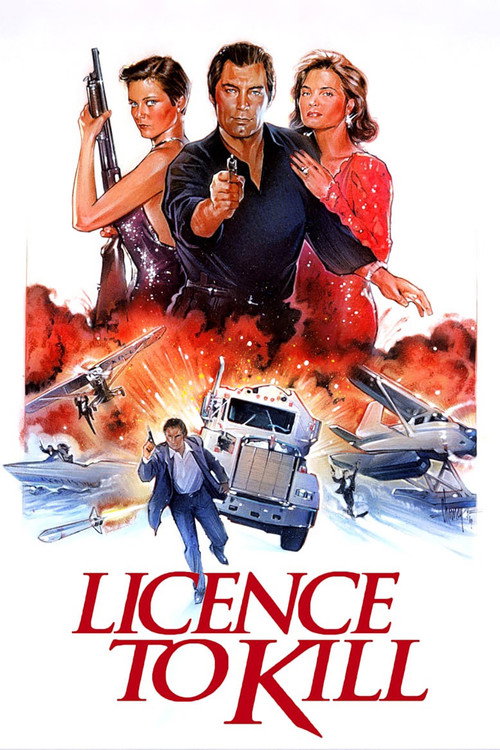
Licence to Kill1989
Dalton's second Bond film goes darker still—more personal vendetta, less globe-trotting glamour. Same actor, dialed up. If you liked the grittier edge here, this pushes it further into genuine revenge thriller territory.
But The pacing sags in the middle, and the villain is less interesting. It's the one where Dalton's Bond feels almost too angry.
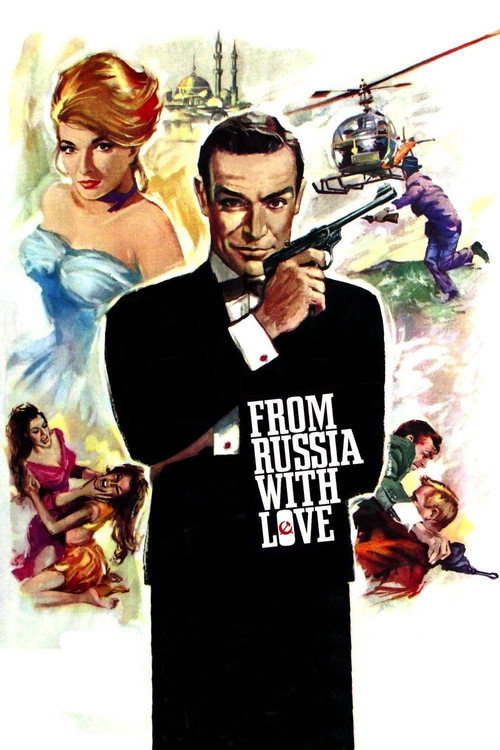
From Russia with Love1963
Connery's second outing, and it's the template *The Living Daylights* directly revives: realistic spy craft, genuine Cold War tension, a plot built on double-crosses rather than doomsday devices. The ancestor of everything Dalton does here.
But Slower than modern Bond. The action sequences feel quaint, and there's a long stretch where very little happens. Patience required.
Not sure tonight? Get a pick in a minute, starting from The Living Daylights
The wildcard
Something you would not have found on your own.
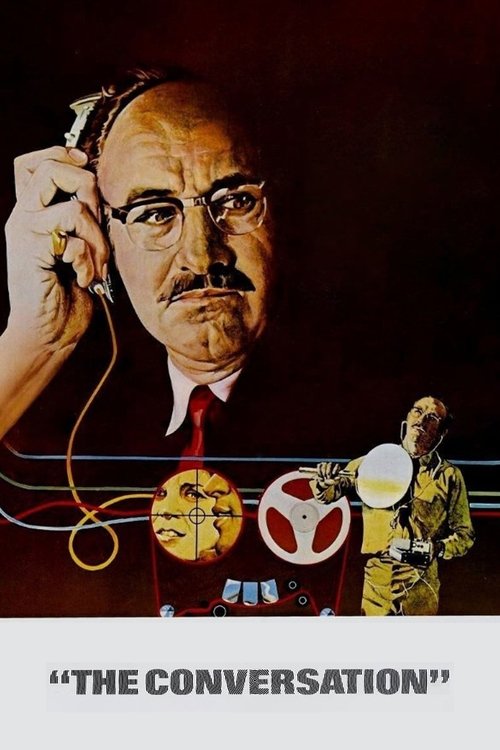
The Conversation1974
Both understand that the real spy work is the thinking, the doubting, the realizing you're played. *The Living Daylights* has chases; *The Conversation* has paranoia. Same genre, opposite speeds.
Coppola's masterpiece about surveillance and guilt. Gene Hackman as a surveillance expert spiraling into paranoia. Not an action film—it's an espionage film about listening and watching, about the moral weight of information. The *opposite* register from Bond, but the same obsession with secrecy and betrayal.
But Very slow, very internal. It's about what *doesn't* happen. If you need action or even plot momentum, this will feel like watching someone have a breakdown in real time.
More like this (8)
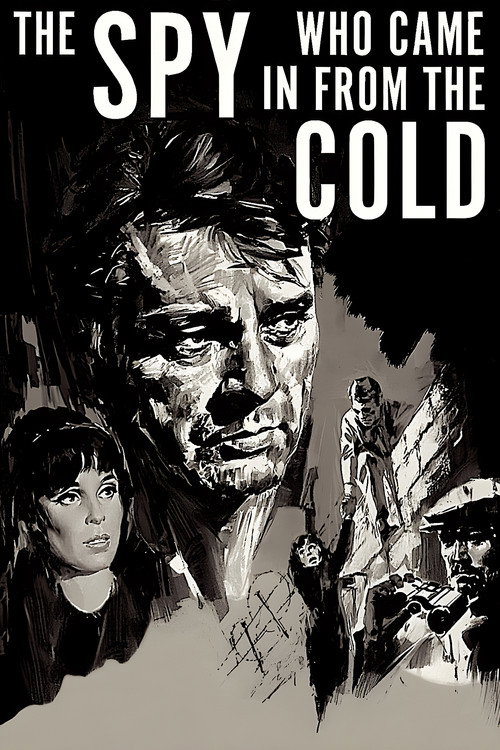
The Spy Who Came In from the Cold1965
John le Carré adaptation about a burned-out spy in the Cold War. Same DNA as *The Living Daylights*—unglamorous, morally ambiguous, obsessed with the grinding reality of espionage rather than heroics. Dalton would have fit right in.
But It's bleak and slow, with no action sequences to speak of. If you want thrills, this is a spy film about the absence of them.
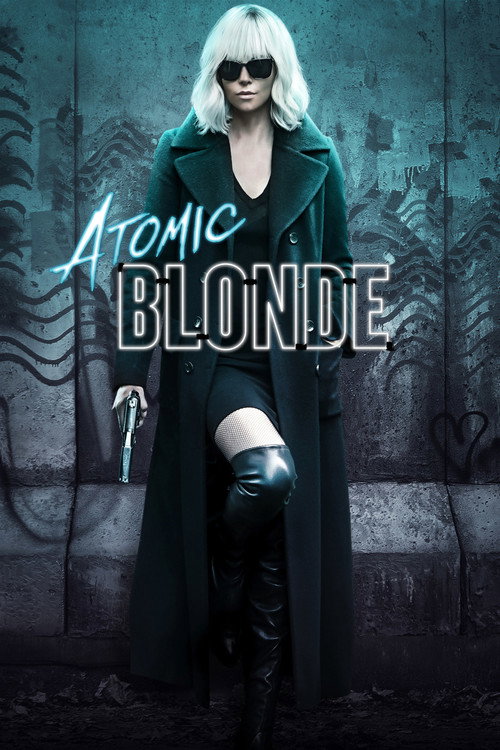
Atomic Blonde2017
Charlize Theron as a Cold War operative on a single mission in Berlin, 1989. Same lean efficiency as Dalton's Bond, same refusal to let glamour get in the way of the craft. Brutal, smart, and genuinely tense.
But The plot is thinner than you'd expect. Mostly it's an excuse for long, intricate action sequences. If you need character development, you'll find it sparse.
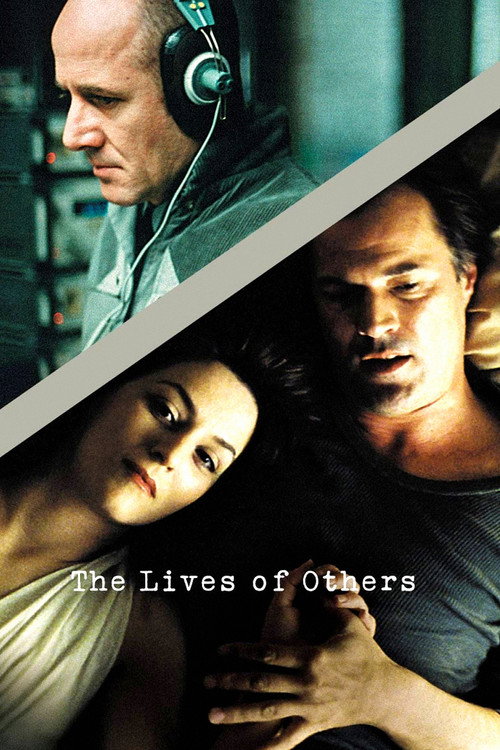
The Lives of Others2006
Stasi surveillance thriller set in East Berlin during the Cold War's end. *The Living Daylights* trades in the same paranoia and moral questions: how far will you go? When does duty become complicity? Masterfully tense.
But It's deliberately paced and introspective. No action, no gadgets. Requires you to sit with dread rather than watch someone defuse a bomb.
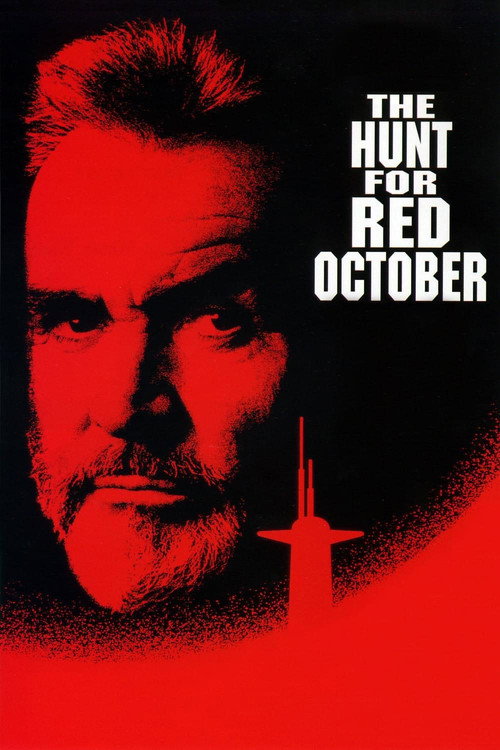
The Hunt for Red October1990
Tom Clancy adaptation about a Soviet submarine captain and his American counterpart. Same Cold War setting, same cat-and-mouse intelligence game, same understanding that the real drama is in the thinking, not the shooting.
But It's talky and technical. If you found *The Living Daylights*' plot exposition hard to follow, this will test you more.
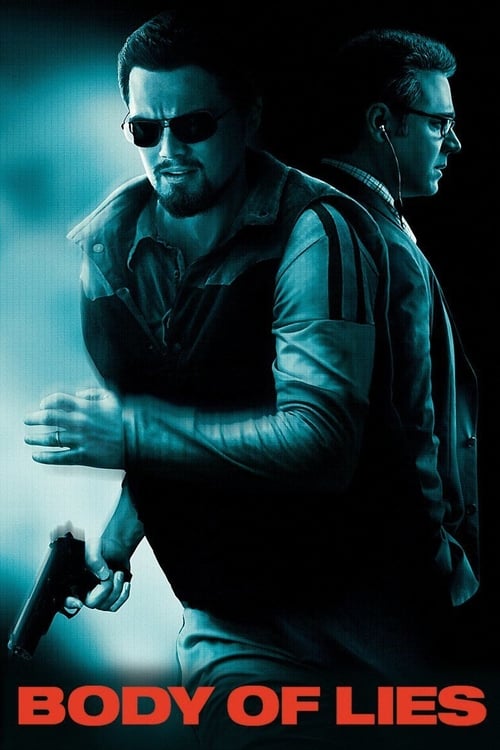
Body of Lies2008
DiCaprio and Washington in a CIA thriller about double-crossing and manipulation. Same lean, unsentimental approach to intelligence work. Director Ridley Scott shoots it like a procedural—the romance is the mission, not a subplot.
But It's cynical and violent without being cathartic. Some viewers find it exhausting rather than thrilling.
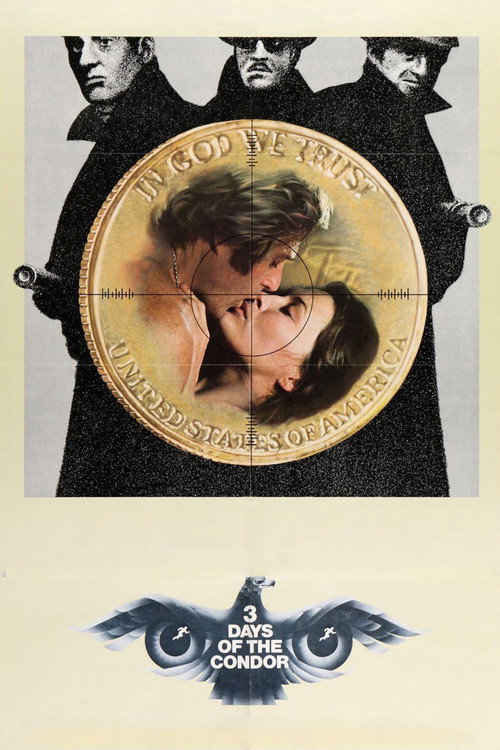
Three Days of the Condor1975
Robert Redford as a CIA analyst on the run. A 1970s paranoia thriller that gets the texture of espionage right: bureaucracy, betrayal, moral compromise. *The Living Daylights* owes it a debt.
But The pacing is slow even by 70s standards. The plot can feel slight if you're expecting a Bond-level of incident.
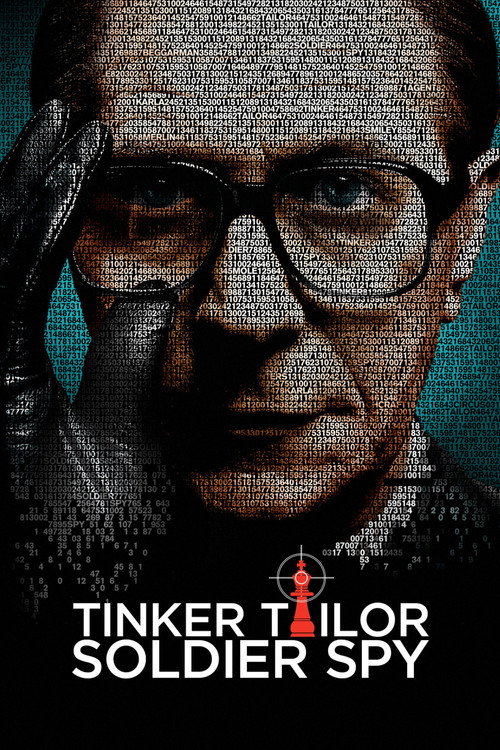
Tinker Tailor Soldier Spy2011
*The Living Daylights* is still a Bond film—it has action and plot. This is what espionage looks like when you remove everything Bond requires. Same Cold War paranoia, completely different language.
Le Carré again, this time as a feature film with Gary Oldman as George Smiley, a burned-out British intelligence officer hunting a mole in MI6. Glacially paced, visually gorgeous, built entirely from implication and silence. The thinking man's spy thriller taken to its absolute limit.
But You must pay absolute attention or you'll lose the thread. No exposition, no hand-holding. The climax arrives almost without announcement. Deeply unrewarding if you prefer clarity.
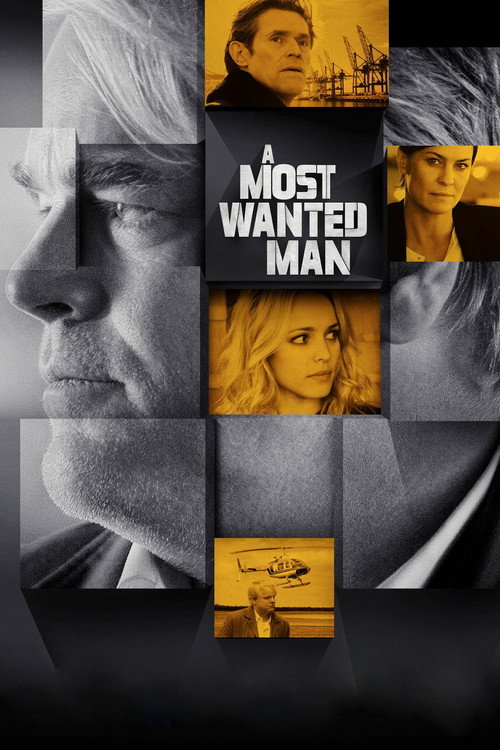
A Most Wanted Man2014
Both are Cold War-adjacent spy films that believe intelligence work is about compromise and loss. *The Living Daylights* has a clear victory. This one doesn't believe in victories.
Philip Seymour Hoffman's last film, a Hamburg-set spy thriller about surveillance and moral compromise. Slow-burn, genuinely tense, built on the assumption that the viewer is paying attention. Gary Oldman again—*Tinker Tailor* but grittier, more character-driven.
But It's quiet and politically engaged. If you need plot propulsion or clear heroes, you'll find neither. The ending is quietly devastating, not triumphant.
People
Cast
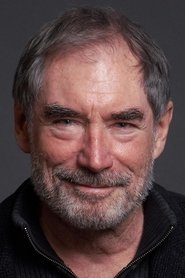 Timothy DaltonJames Bond
 Maryam D'AboKara Milovy
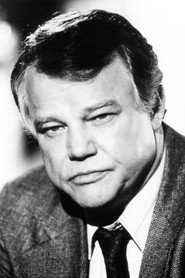 Joe Don BakerBrad Whitaker
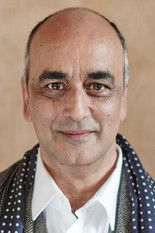 Art MalikKamran Shah
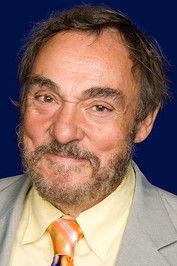 John Rhys-DaviesGeneral Leonid Pushkin
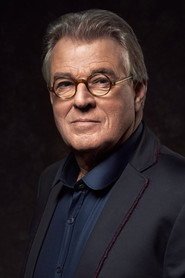 Jeroen KrabbéGeneral Georgi Koskov
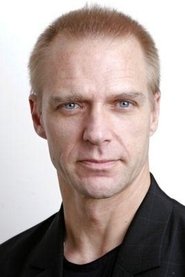 Andreas WisniewskiNecros
 Thomas WheatleySaunders
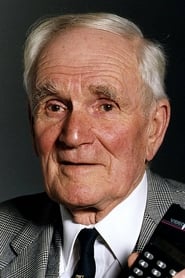
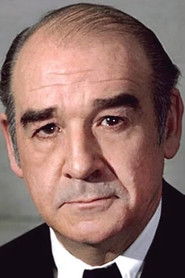
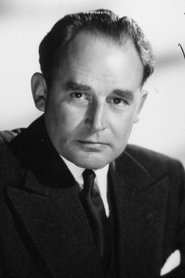 Geoffrey KeenMinister of Defence
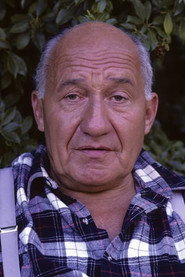 Walter GotellGeneral Anatol Gogol
Directing
- John GlenDirector
- Callum McDougallSecond Assistant Director
Writing
- Ian FlemingNovel
- Michael G. WilsonScreenplay
- Richard MaibaumScreenplay
Production
- Barbara BroccoliAssociate Producer
- Debbie McWilliamsCasting
- Albert R. BroccoliProducer
- Michael G. WilsonProducer
- Tom PevsnerProducer
Recommended by
GoldenEye, Goldfinger, You Only Live Twice, Licence to Kill, Octopussy, The Man with the Golden Gun, A View to a Kill, DeepStar Six, Revolver, For Your Eyes Only, The World Is Not Enough, Tomorrow Never Dies, Race for the Yankee Zephyr