
Film
The Man with the Golden Gun
Roger Moore's third Bond film trades Cold War paranoia for tropical intrigue, pitting him against Christopher Lee's flamboyant assassin Scaramanga in a hunt for a solar weapon. It's lighter and campier than its predecessors, with inventive set-pieces and Lee stealing every scene. Perfect for viewers who want Bond fun without taking themselves seriously.
Should you watch it?
Watch it if you love breezy 1970s spy capers where gadgets, wisecracks and a villain with a flamboyant signature weapon matter more than gritty realism or tight plotting.
Skip it if you want a lean, serious thriller; the middle stretches with slapstick detours, and the comedy leans broad enough to undercut any real tension.
What it asks of you: Settle in for just over two hours of loose, episodic globetrotting, with the pace shifting between leisurely set-pieces and sudden bursts of action, asking patience for its gentler stretches.
Not sure? Find tonight's pick in a minute.
If you liked this
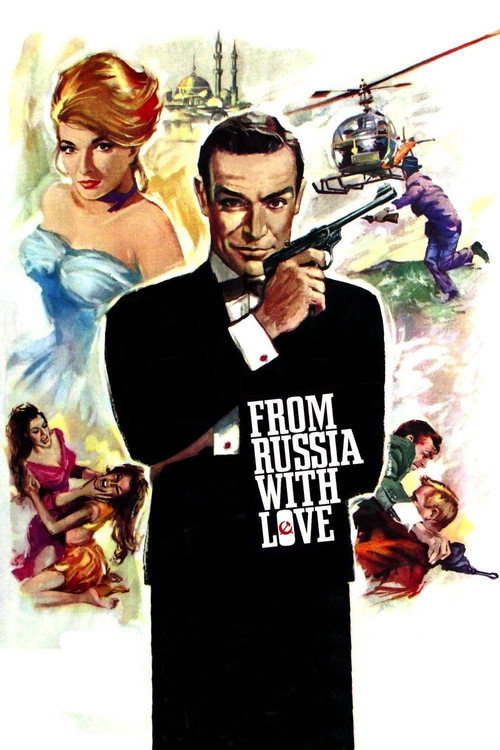
From Russia with Love1963
Connery's second Bond set the template for the entire series: globe-trotting intrigue, elegant villainy, and real stakes. It has the spy-craft credibility that made Bond endure, plus one of the best knife fights ever filmed.
But Deliberately paced by modern standards, and the opening fifteen minutes are pure espionage bureaucracy—no action, just briefings.
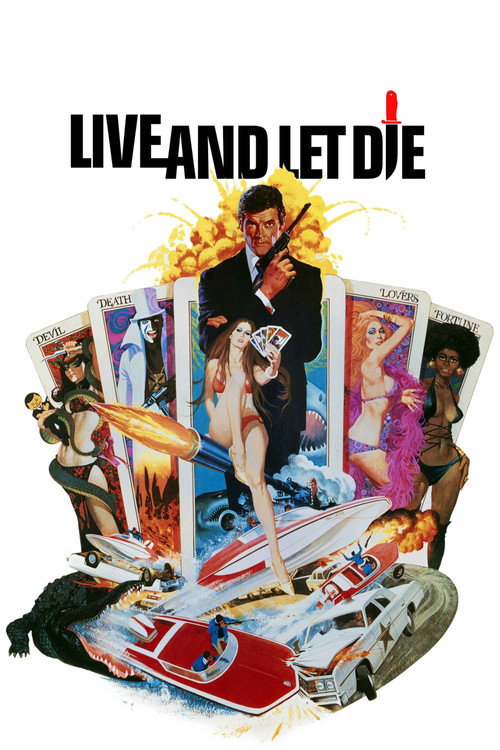
Live and Let Die1973
Moore's debut established his more playful Bond, and this New Orleans-to-Caribbean romp has genuine menace beneath the funk soundtrack. Jane Seymour is excellent, and the voodoo mythology gives it real texture.
But Hasn't aged perfectly—some elements carry uncomfortable racial baggage that even the film seems unsure about.
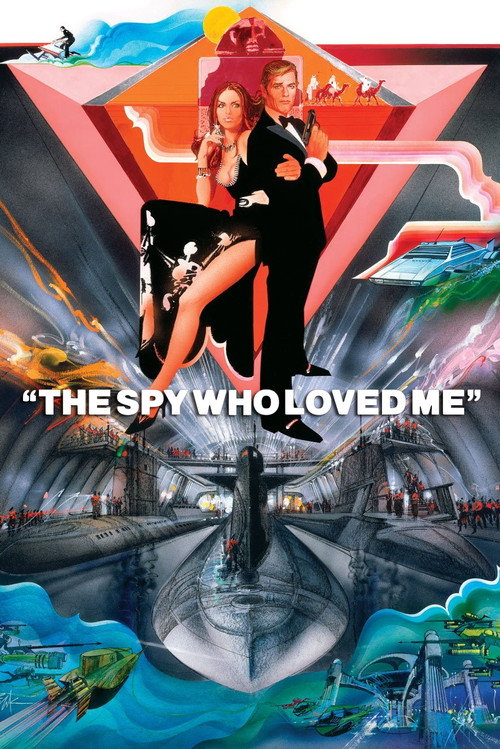
The Spy Who Loved Me1977
Moore at his best: funny, acrobatic, paired with Jaws (a henchman you'll actually remember). It's bonkers in exactly the right way—supertanker bases, laser-equipped cars, the whole glorious excess.
But Cartoonish to the point where stakes disappear. If you need the villain's plan to make logical sense, you'll be annoyed.
Not sure tonight? Get a pick in a minute, starting from The Man with the Golden Gun
The wildcard
Something you would not have found on your own.
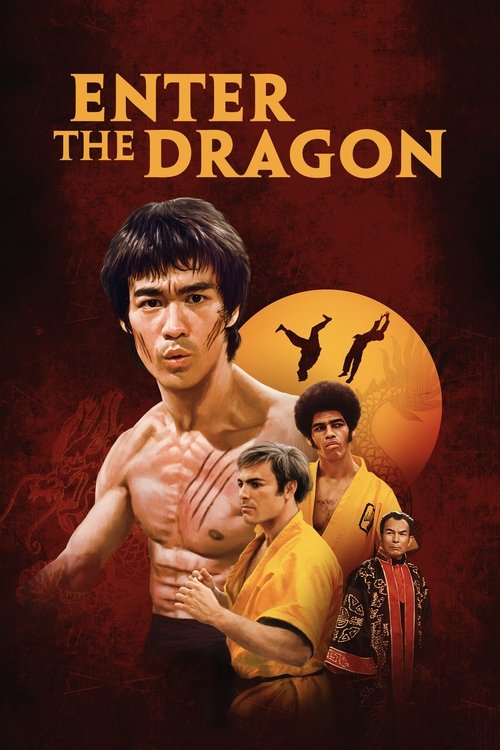
Enter the Dragon1973
Both hinge on an operative sent undercover to infiltrate a villain's private island fortress. Lee's film strips away the glamour and asks what that story looks like when grounded in martial reality.
Bruce Lee's only complete film—a martial arts thriller where an undercover operative infiltrates a reclusive villain's island compound to solve his sister's murder. It's rawer, grittier Bond: real martial prowess instead of gadgets, and Lee's charisma makes Moore look like he's performing in slow motion.
But It's deadly serious where Bond is playful. If you come wanting camp and one-liners, the sustained violence and tragedy will feel tonally wrong.
More like this (7)
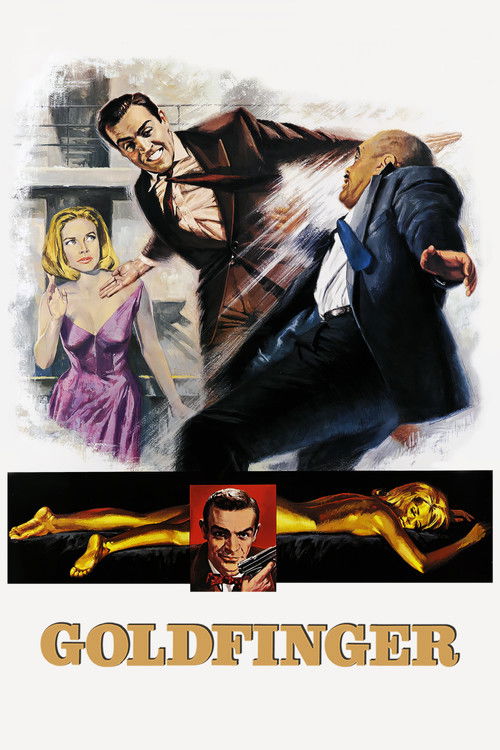
Goldfinger1964
Connery's third Bond, and arguably the perfect one. Sean Bean-stealing plots, an iconic villain, the Aston Martin, and a pacing that hasn't lost a beat in sixty years. This is why Bond became Bond.
But The women are pretty objects with names that feel adolescent even by 1964 standards—Pussy Galore notwithstanding, it dates in uncomfortable ways.
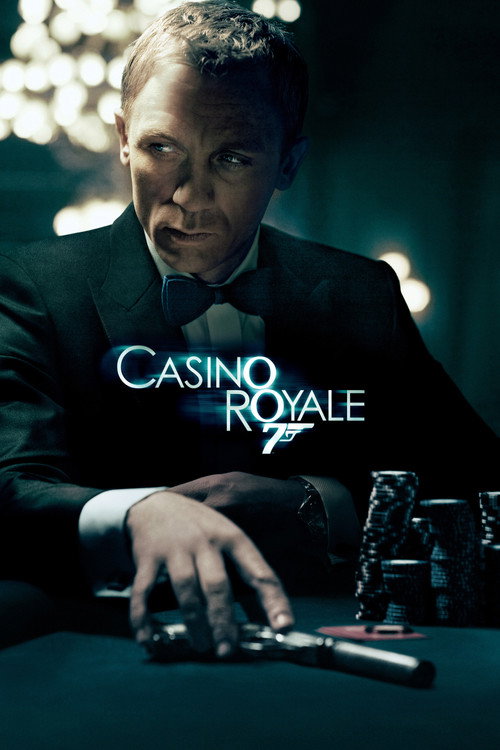
Casino Royale2006
Daniel Craig's reboot strips away the gadgets and reveals Bond as a blunt instrument—violent, morally compromised, genuinely traumatized. The poker sequence is tense filmmaking, and Eva Green is the best Bond girl the series has ever had.
But If you want Bond fun and escapism, this is too grim. Craig spends half the film looking devastated, which is excellent drama but not a party.
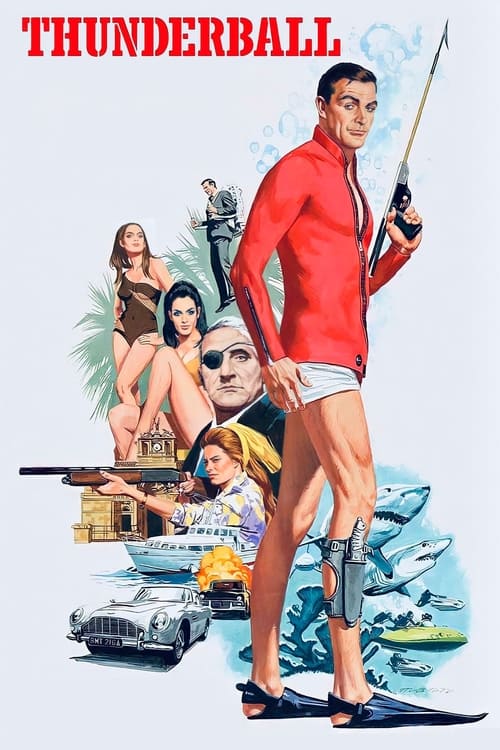
Thunderball1965
Connery battling SPECTRE over nuclear missiles, with underwater sequences that were genuinely innovative. It's got the gadgetry, the globe-trotting, the cool villainy—everything Bond should be.
But The underwater fight scenes go on forever and feel genuinely tedious now. By the end you're checking your watch during what should be the climax.
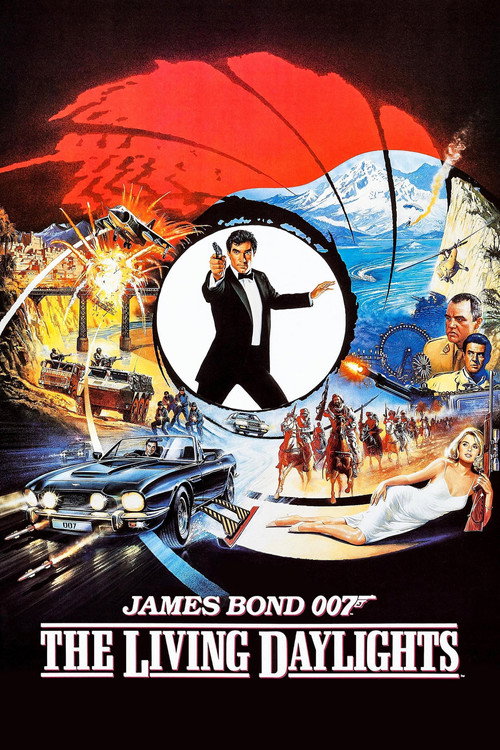
The Living Daylights1987
Timothy Dalton's first Bond splits the difference: he's serious enough to ground the Cold War plot, but the film doesn't forget how to have fun. The cello-playing cellist love interest is genuinely clever casting.
But Dalton sometimes feels like he's in a different, grittier film than everyone else. The tonal whiplash between him and the more comedic moments doesn't always work.
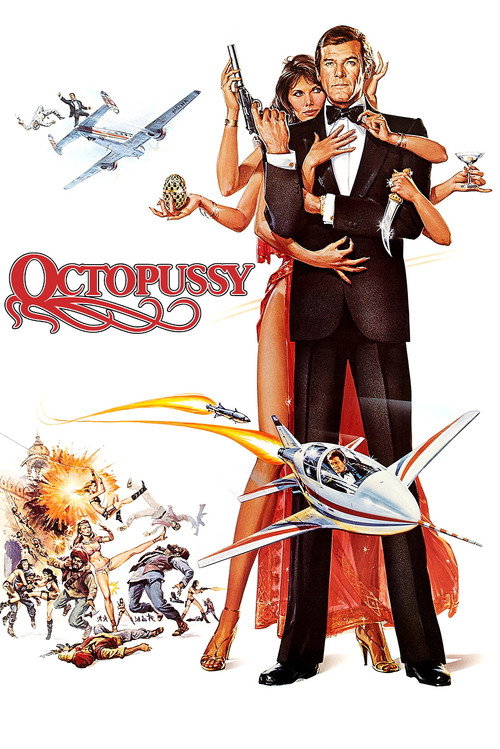
Octopussy1983
Moore's later Bond gets surreal in the best way—he goes undercover in a circus, fights an octopus-themed crime boss who's also a smuggler, and the whole thing somehow lands. It's aggressively weird and enormously entertaining.
But The premise is nonsensical even by Bond standards, and if you're tired of Moore's smirk by this point, it'll drive you up the wall.
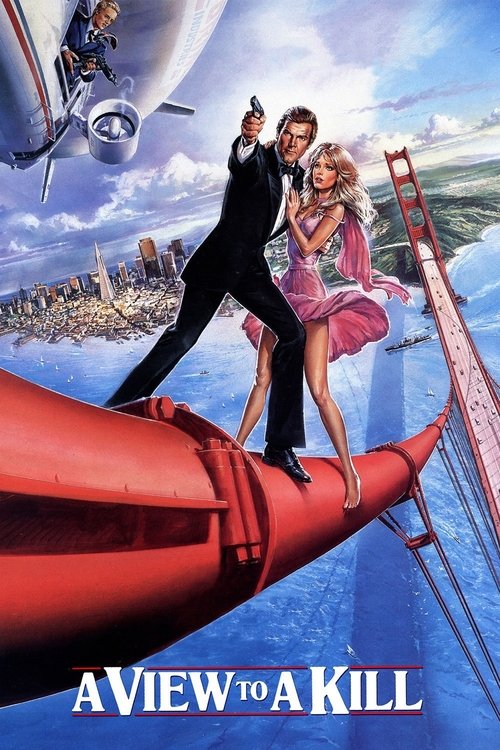
A View to a Kill1985
Christopher Walken as a tech villain in San Francisco, Roger Moore somehow still pulling off action sequences in his late fifties, and some genuinely impressive stunt work including that iconic Eiffel Tower sequence.
But Moore is visibly too old for the role, the plot meanders, and by the third act you'll be more aware of his age than entertained by his wit.
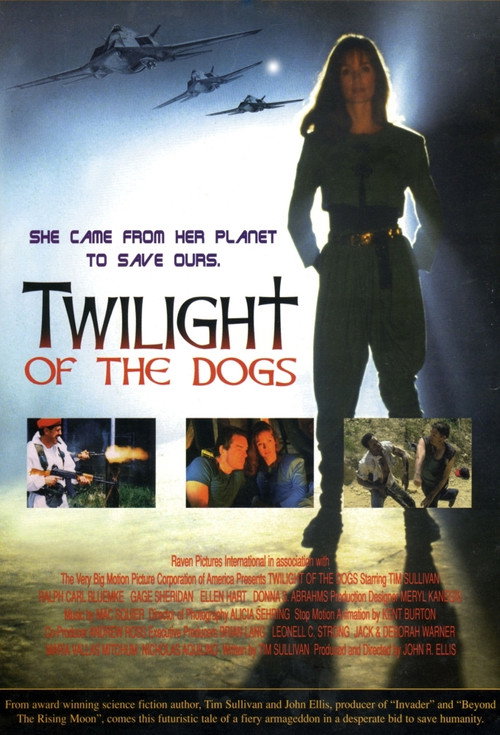
Twilight of the Dogs1995
Both center on the world's most expensive hired killer and his code. Twilight approaches it as tragedy; Golden Gun plays it for laughs. Same archetype, completely different register.
Alain Delon as an elite assassin, Italian crime thriller that's all atmosphere and moral decay—no gadgets, no winks at the camera. It's about a killer coming to terms with being hunted by younger killers. Scaramanga without the humor or the golden gun.
But Slow-burn European crime cinema. If you want plot momentum and setpieces, this moves like molasses and ends ambiguously.
People
Cast
 Roger MooreJames Bond
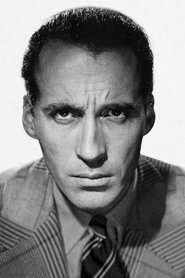 Christopher LeeFrancisco Scaramanga
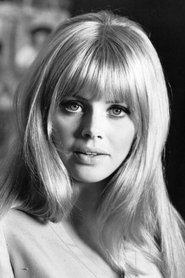 Britt EklandMary Goodnight
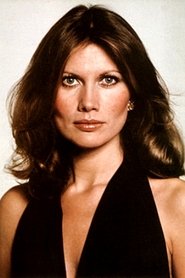 Maud AdamsAndrea Anders
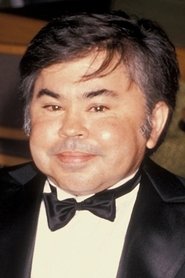 Hervé VillechaizeNick Nack
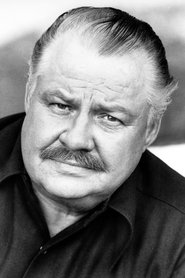 Clifton JamesSheriff J.W. Pepper
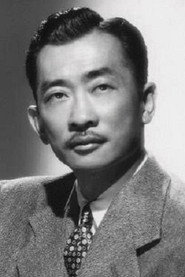 Richard LooHai Fat
 Soon-Tek OhLieutenant Hip
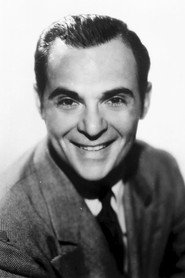 Marc LawrenceRodney
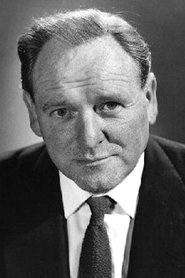
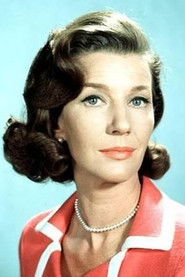 Lois MaxwellMiss Moneypenny
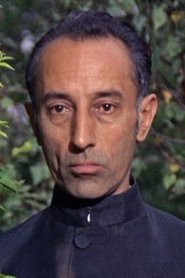 Marne MaitlandLazar
Directing
- Guy HamiltonDirector
- Ray FreebornFirst Assistant Director
- Elaine SchreyeckScript Supervisor
Writing
- Ian FlemingNovel
- Richard MaibaumScreenplay
- Tom MankiewiczScreenplay
Production
- Maude SpectorCasting
- Weston Drury Jr.Casting
- Albert R. BroccoliProducer
- Charles OrmeProducer
- Harry SaltzmanProducer
Recommended by
In Like Flint, The Spy Who Loved Me, Licence to Kill, Octopussy, Live and Let Die, Moonraker, Diamonds Are Forever, For Your Eyes Only, Sye Raa Narasimha Reddy, The Blood of Fu Manchu, Nuts!, Memento/Mori