
Film
Live and Let Die
Roger Moore's debut as Bond is a funkier, campier affair than his predecessors—voodoo, blaxploitation aesthetics, and a genuinely unsettling villain in Baron Samedi. It's playful without being silly, exotic without condescension, and proof the franchise could survive reinvention. A seventies blast.
Should you watch it?
Watch it if you love the breezy, gadget-stocked Bond formula of the early 1970s, with voodoo-flavoured set pieces, a glossy Bond-girl ambience, and a sly comic streak you can enjoy as a period artefact.
Skip it if you find Roger Moore's quips and the very loose, racially dated treatment of Harlem and the Caribbean wearing thin, since the plot stalls for long action set-pieces.
What it asks of you: Settle in for a roughly two-hour ride of loose episodes that drift between cities and stunts, with patience needed while the plot circles.
Not sure? Find tonight's pick in a minute.
If you liked this
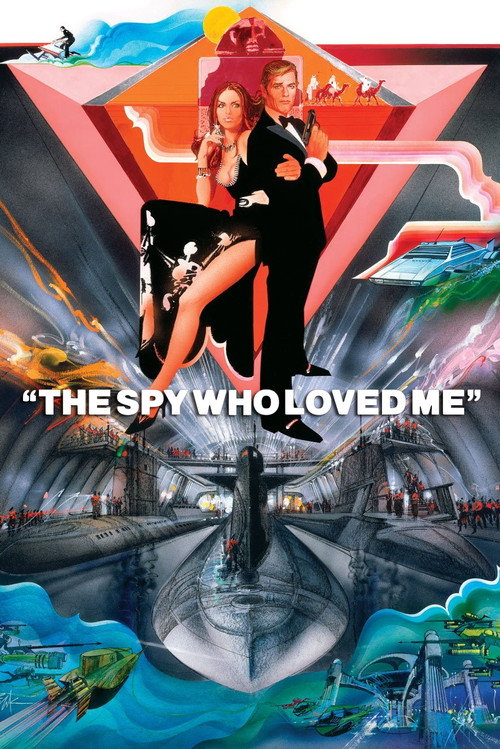
The Spy Who Loved Me1977
Moore's second outing, with a better script and Jaws—a henchman so memorable he overshadows the plot. It's the formula perfected: exotic locations, gadgets that matter, a villain you won't forget.
But The story is thinner than tissue. If you need narrative weight over spectacle, this will feel hollow.
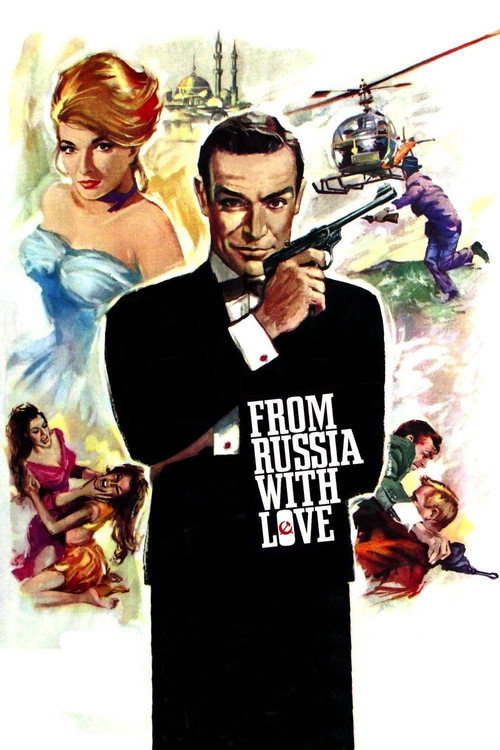
From Russia with Love1963
Connery's second Bond strips away some camp and leans into genuine espionage tension. It's where the series found its footing—less superhero, more secret agent, all style.
But Slower-paced than modern action films. The seduction scenes feel dated, and there's less of the playfulness Moore brought to the role.
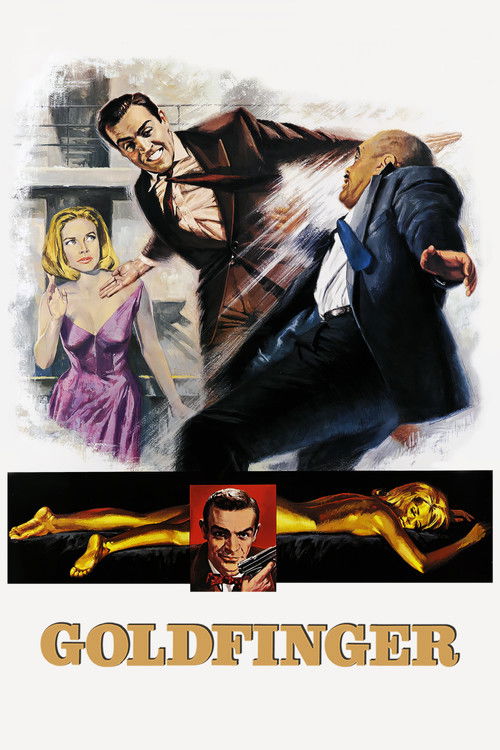
Goldfinger1964
The definitive Connery Bond: a perfect villain with a perfect plan, gadgets that actually work, and Aston Martin. It invented half the tropes Moore would inherit and still executes them flawlessly.
But It's the template, so watching it after Moore's films might feel like going backwards—less fun, more serious, dated in different ways.
Not sure tonight? Get a pick in a minute, starting from Live and Let Die
The wildcard
Something you would not have found on your own.
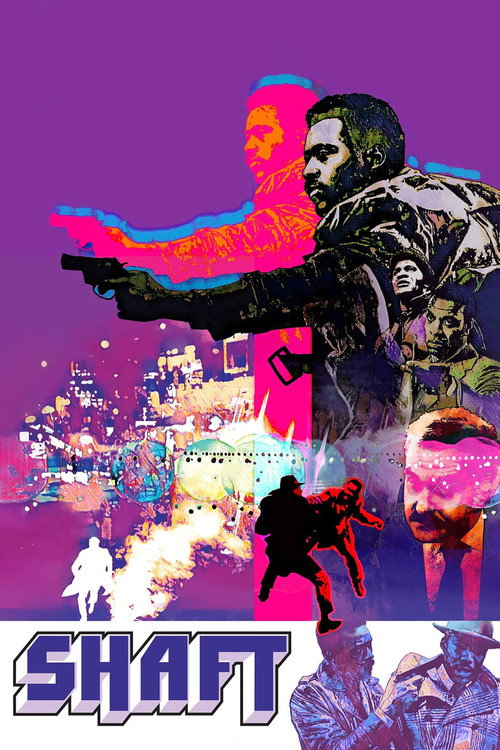
Shaft1971
Live and Let Die borrowed Shaft's blaxploitation visual language and funk soundtrack, but Shaft meant it—this is the serious version of what Moore was playing with.
This is the film that created the aesthetic Live and Let Die borrowed—a Black hero navigating a corrupt white system with style, danger, and groove. Isaac Hayes' theme is iconic for a reason. It's funkier and far angrier than any Bond film.
But It's genuinely bleak in ways Moore's film isn't. The violence has weight, the racism is front and center, and the ending offers no comfort. It's not escapism.
More like this (7)
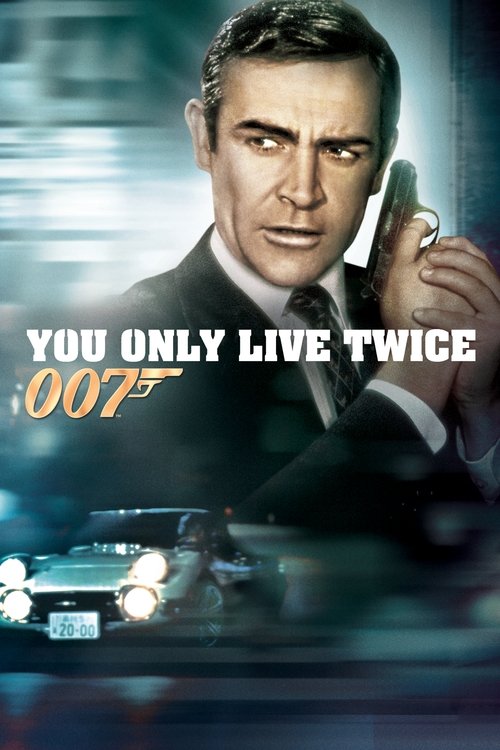
You Only Live Twice1967
Connery's last official outing goes fully absurd with a volcano lair and Japanese ninjas. It's where Bond stopped pretending to be realistic and admitted it was a fantasy playground.
But The fantasy extends to yellowface and some genuinely uncomfortable racial casting that hasn't aged well, even by seventies standards.
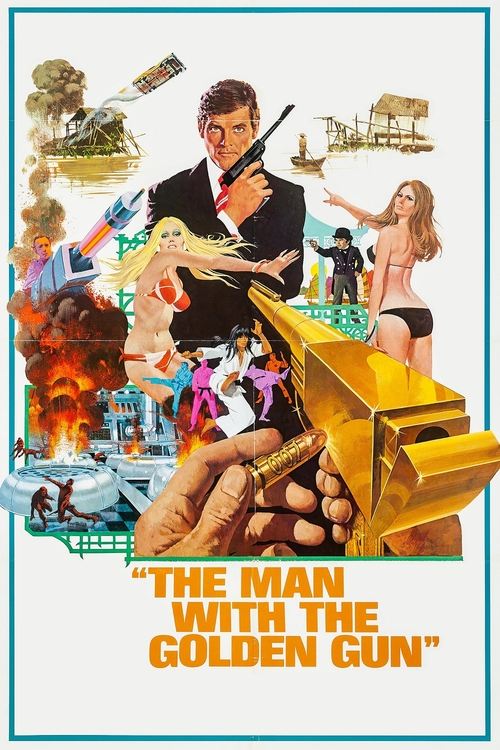
The Man with the Golden Gun1974
Moore's follow-up is darker and more focused, with Christopher Lee as one of Bond's best antagonists. The character work is sharper, and the pace is tighter than Live and Let Die.
But It settles into formula faster. There's less of the personality and experimentation that made the first Moore film exciting.
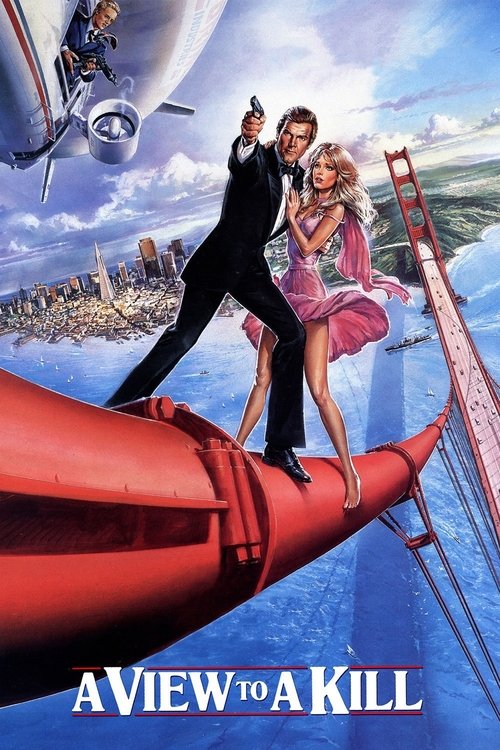
A View to a Kill1985
Moore's final Bond is an underrated gem—Christopher Walken as a tech billionaire villain, San Francisco locations, and a surprisingly emotional ending for an action film.
But Moore was visibly older by this point. The action sequences strain credibility in ways earlier films sidestepped with wit.
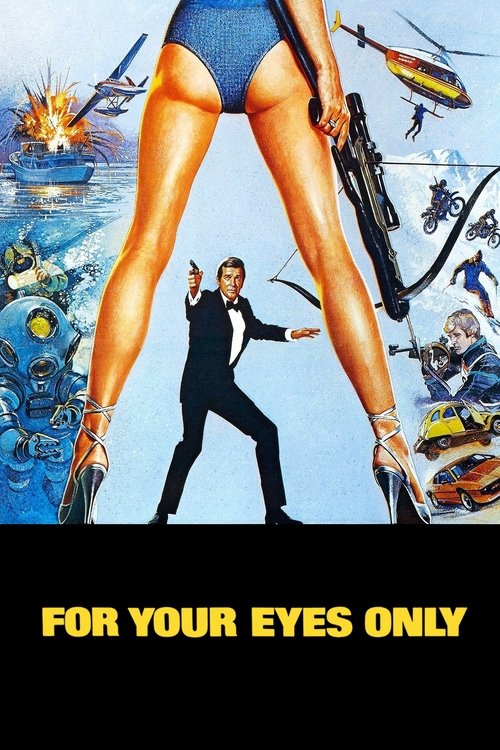
For Your Eyes Only1981
Moore tones down the camp and delivers his most grounded outing—genuinely tense moments, a compelling moral dilemma, and Carole Bouquet as an equal rather than a prize.
But It's a course correction that loses some of the fun. If you love Moore's theatrical energy, this version might feel restrained.
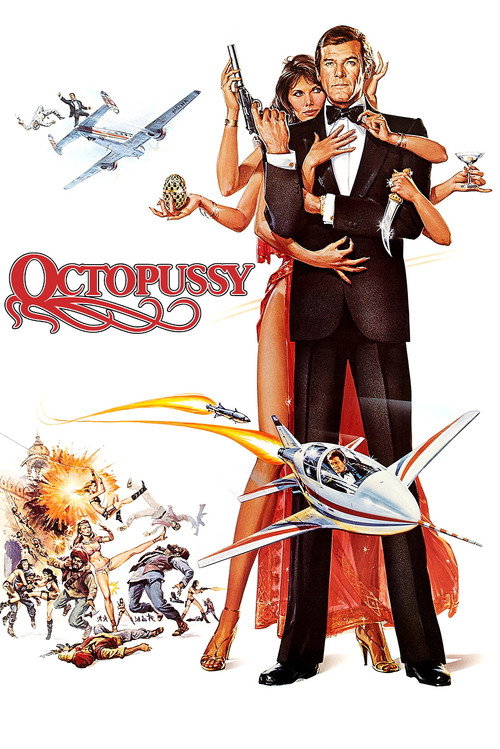
Octopussy1983
Maud Adams, a jewel-smuggling circus, and a plot involving nuclear weapons. It's Moore in peak form—confident, funny, able to sell absurdity with absolute sincerity.
But The tone is all over the place. It can't decide if it's a thriller or a comedy, and that tonal whiplash will bother some viewers.
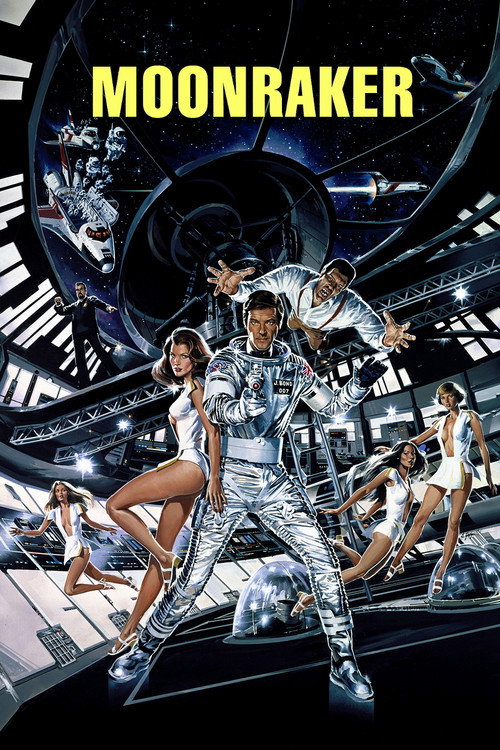
Moonraker1979
Space stations, gondolas on canals, a laser-eyed henchman—Moore's most audacious entry. It commits fully to science fiction instead of pretending to be grounded, which is its own kind of honesty.
But It abandons any pretense of realism. If you want spy fiction over pure fantasy, this will feel like a betrayal of what Bond should be.
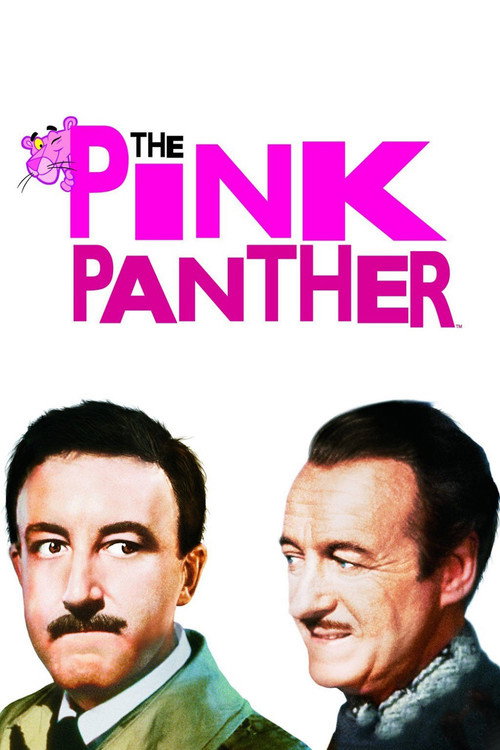
The Pink Panther1963
Both films work because the lead actor commits completely to the character despite (or because of) the absurdity around them. Moore and Sellers share that gift for making ridiculous situations feel real.
Peter Sellers as an impossibly bumbling detective in a heist film that shouldn't work but does. Like Moore, Sellers understood that confidence and absurdity in the same frame creates comedy without winking at the audience.
But The humor is extremely broad. If you don't find Sellers charming, you'll find him exhausting, and the plot is almost irrelevant.
People
Cast
 Roger MooreJames Bond
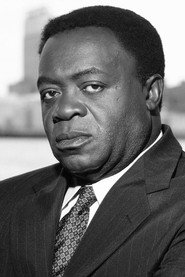 Yaphet KottoKananga/Mr. Big
 Jane SeymourSolitaire
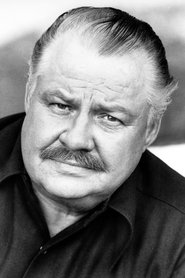 Clifton JamesSheriff J.W. Pepper
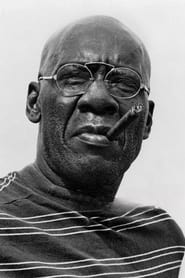 Julius HarrisTee Hee
 Geoffrey HolderBaron Samedi
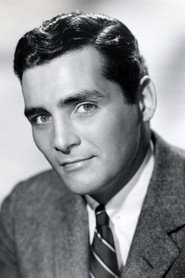 David HedisonFelix Leiter
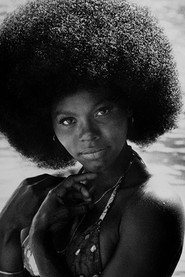 Gloria HendryRosie Carver
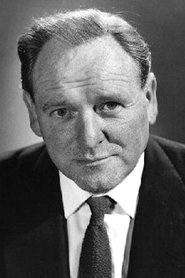
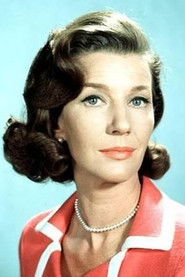 Lois MaxwellMiss Moneypenny
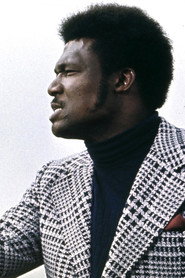 Tommy LaneAdam
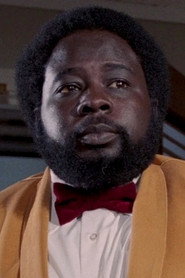 Earl Jolly BrownWhisper
Directing
- Derek CracknellAssistant Director
- Elaine SchreyeckContinuity
- Guy HamiltonDirector
Writing
- Ian FlemingNovel
- Tom MankiewiczScreenplay
Production
- Weston Drury Jr.Casting
- Bernard HansonLocation Manager
- Albert R. BroccoliProducer
- Harry SaltzmanProducer
- Ron QuelchProduction Assistant
- Claude HudsonProduction Supervisor
Recommended by
The Aristocrats, Inside Deep Throat, The Spy Who Loved Me, The Deep, Code Name: Diamond Head, Moonraker, The Man with the Golden Gun, A View to a Kill, Diamonds Are Forever, Propaganda, Queen: Live at Wembley Stadium, The Secret Policeman's Other Ball, The Concert for Bangladesh, Viva Knievel!