
Film
The Spy Who Loved Me
Roger Moore's second Bond is the perfect pop-art spy film: a submarine-stealing megalomaniac, a steel-toothed henchman, a Soviet agent-turned-ally, and gadgets that actually work on screen. It's cheerful and absurd in equal measure, taking itself seriously enough to deliver real thrills while never forgetting to have fun. For anyone who wants espionage with a wink.
Should you watch it?
Watch it if you love a big, cheerful Bond romp built on gadgets, glacier-top lairs and a villain who likes his henchmen oversized, with a spy-games rivalry that plays as much as a flirtation as a fight.
Skip it if you want a grounded, gritty spy story; this one runs long at 125 minutes and leans into sight gags and bombast more than tension or realism.
What it asks of you: Settle in for a leisurely two hours and a bit, with set-piece action arriving in bursts between wry banter and globe-trotting detours, so you can enjoy the spectacle without needing every plot turn to add up.
Not sure? Find tonight's pick in a minute.
If you liked this
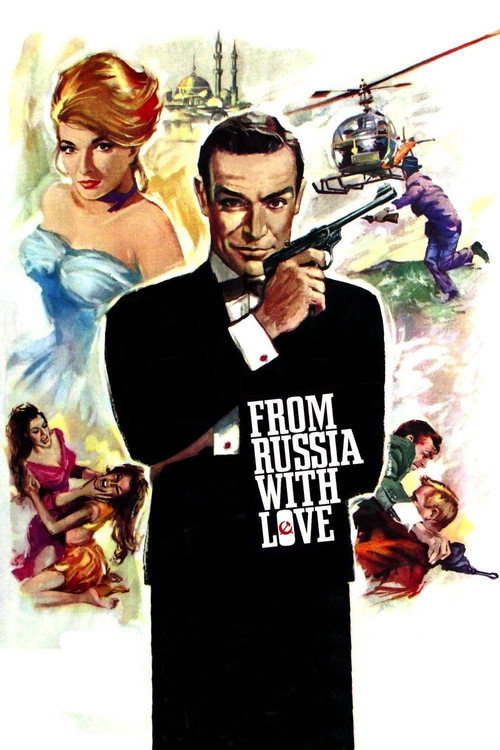
From Russia with Love1963
Connery's second outing established the template this film perfects: a concrete plot, a genuinely menacing villain, and a female agent who becomes something more. The Lektor typewriter is the ancestor of every gadget that follows.
But The pacing is deliberate in ways modern action won't tolerate. Whole scenes move at a 1960s waltz when you're expecting a sprint.
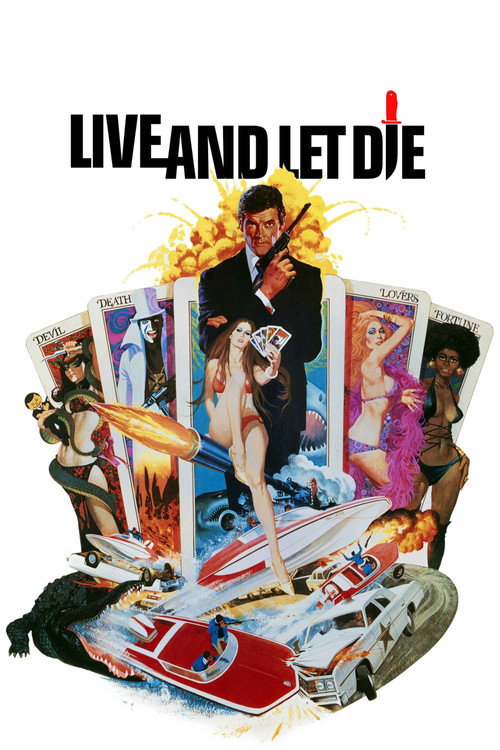
Live and Let Die1973
Moore's first Bond film proves he was ready to inherit the role. It's weird, tropically atmospheric, and oddly romantic. Jane Seymour remains one of the franchise's most interesting love interests.
But The blaxploitation elements feel dated and occasionally uncomfortable in ways the film doesn't quite reckon with.
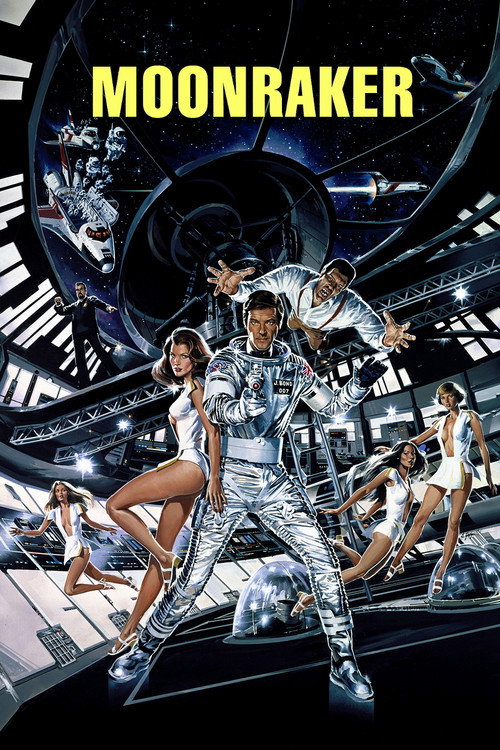
Moonraker1979
If you love *The Spy Who Loved Me*, here's what happens when Moore and crew lean even harder into the absurdity. A space station, a flying gondola, and zero apologies for any of it. Pure carnival.
But It tips so far toward fantasy that it stops being a spy story at all. Some find the tonal whiplash exhausting rather than exhilarating.
Not sure tonight? Get a pick in a minute, starting from The Spy Who Loved Me
The wildcard
Something you would not have found on your own.
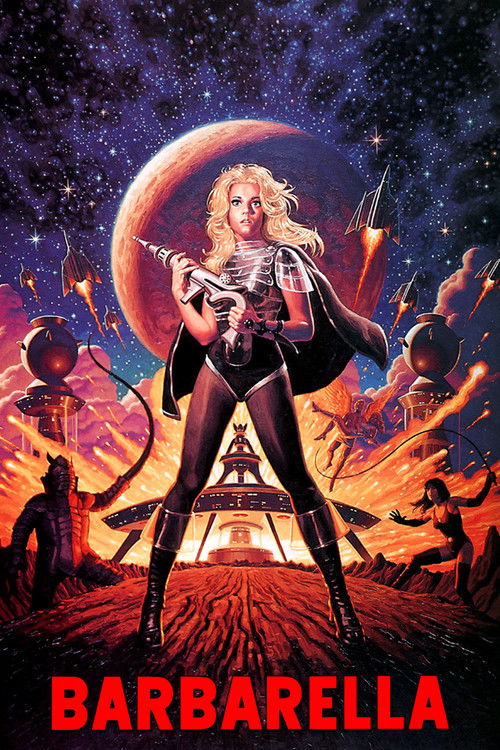
Barbarella1968
Both are films that understand spy fiction and sci-fi exist partly to show off production design and costumes. The plot is the excuse for the wardrobe.
Roger Vadim's camp masterpiece is what *The Spy Who Loved Me* descends from. Same aesthetic DNA: a hero in a ridiculous universe who remains charming, gadgets designed by people on acid, eroticism played for laughs. Campy sci-fi as pure style.
But The politics are nonexistent and the misogyny is casual in ways that make it uncomfortable to sit with, even as a period piece.
More like this (8)
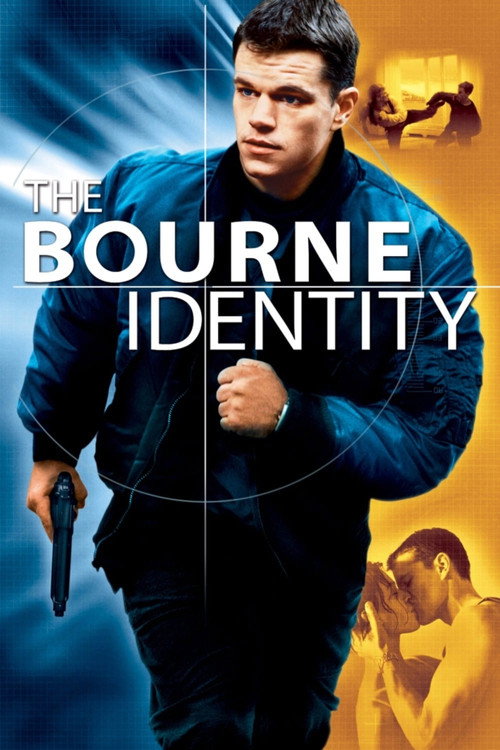
The Bourne Identity2002
When Bond went grim and grounded, this is what it looked like. Fast, clever, handheld cinematography that treats spying like a physical job. A complete tonal opposite that shares the DNA of international intrigue.
But If you're drawn to the theatrical excess and glamour of *The Spy Who Loved Me*, this austere minimalism will feel like punishment.
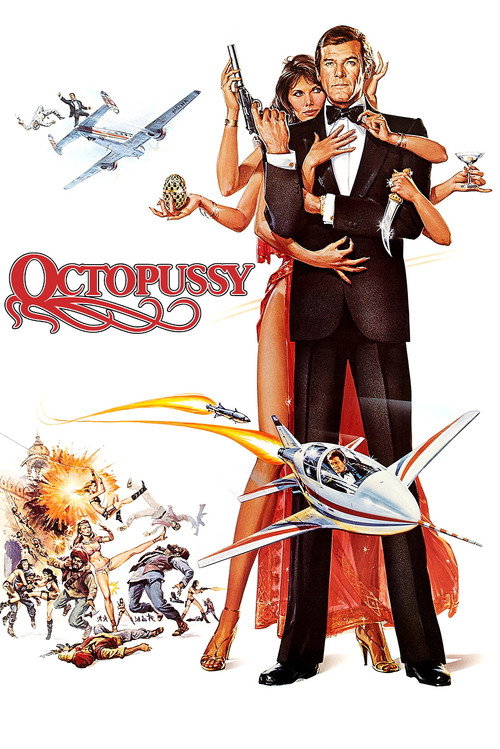
Octopussy1983
Moore's warmest, most human Bond film. A female villain with genuine charisma, a plot that circles back to India and Afghanistan with surprising texture, and some of the franchise's best comedic timing.
But A few scenes haven't aged well, and the India sequences veer into orientalism that deserves critique.
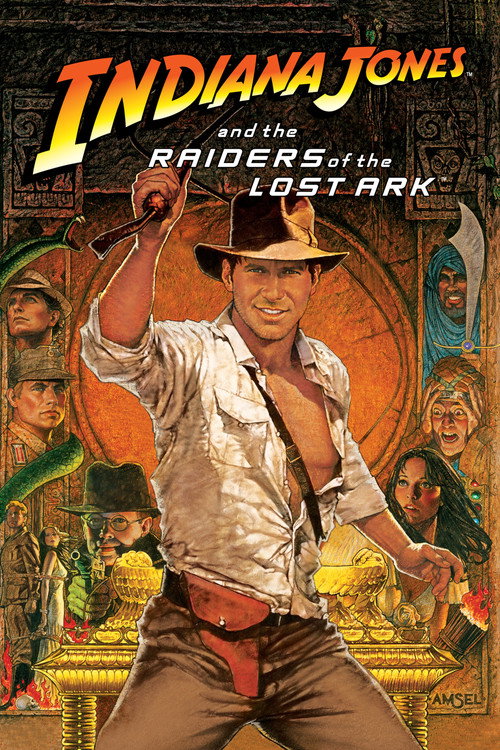
Raiders of the Lost Ark1981
Spielberg understood what *The Spy Who Loved Me* was doing—the adventure serial as pure entertainment. Same DNA: witty hero, globe-trotting locations, practical stunts, stakes that feel real even as they soar.
But It's grittier and less fantastical, so the tonal registers don't quite match even though the DNA does.
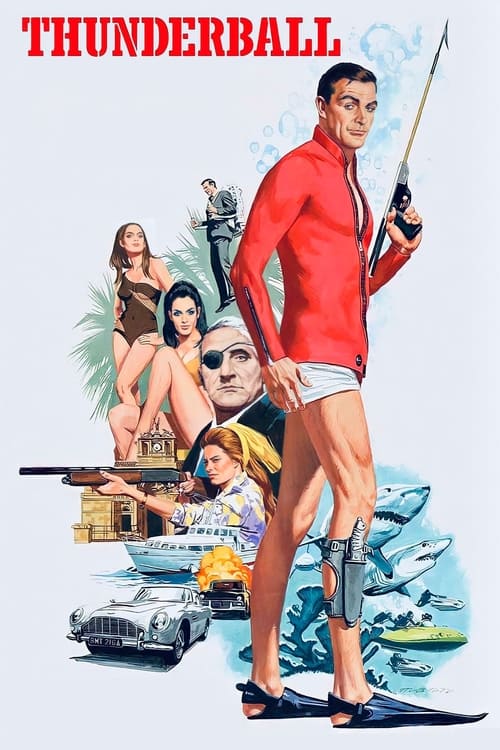
Thunderball1965
Connery's most luxurious Bond: underwater sequences that still impress, a plot involving stolen nuclear warheads, and the template for every gadget-laden spectacle that follows. Agencywide scale without the jokes.
But At two and a half hours it meanders. Entire sequences exist for spectacle's sake, which reads as padding rather than fun.
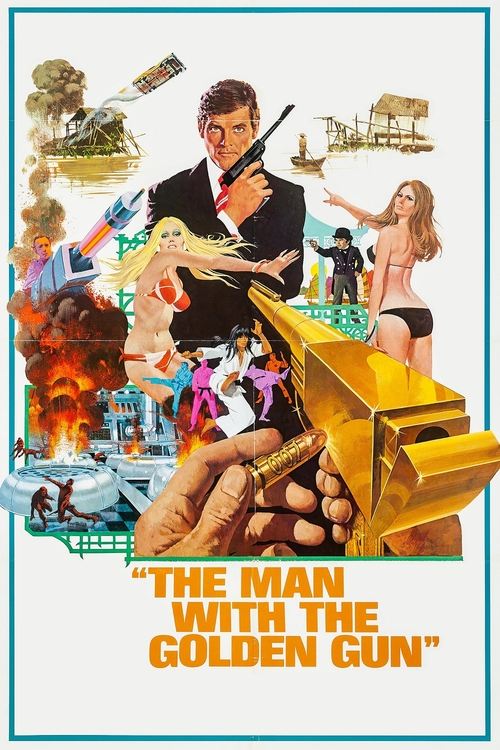
The Man with the Golden Gun1974
Moore's third film finds a groove between Connery's seriousness and the franchise's natural comedy. Christopher Lee as the villain, and an actually coherent plot about a solar energy weapon. Criminally underrated.
But It's mid-tier Moore, which means some sequences misfire and the pacing stutters in the middle hour.
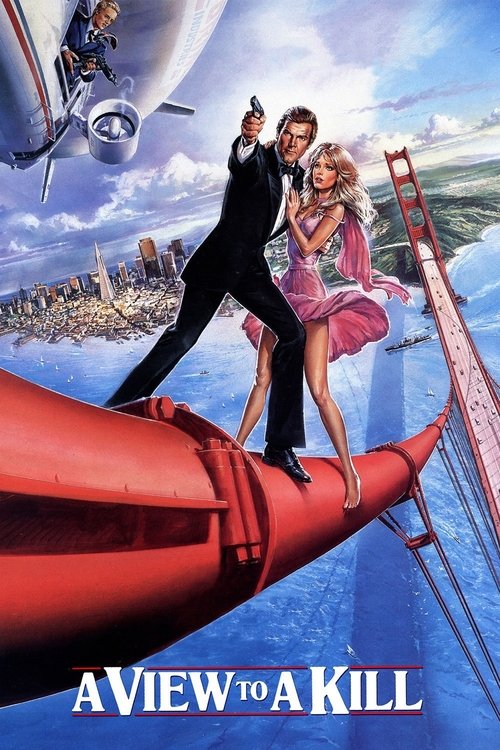
A View to a Kill1985
Moore's final bow and genuinely his most assured. Christopher Walken as a Silicon Valley villain who feels prescient, a plot about microchips and market manipulation, and several sequences that hold their own against any Bond film.
But Moore was 57 and it shows in the action scenes. The physical toll is visible in ways that undermine the illusion.
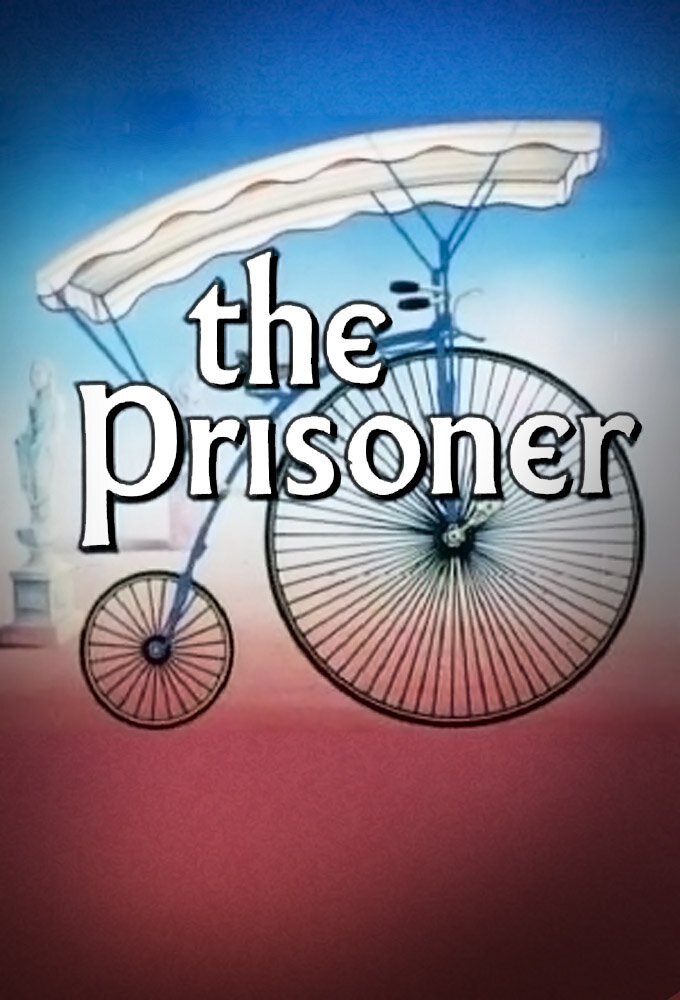
The Prisoner1967
Both are products of their era obsessed with surveillance and freedom. Bond escapes through charm and gadgetry; The Prisoner can't escape, and that matters.
Patrick McGoohan's miniseries is the inverse of Bond's cheerfulness—a man trapped in a beautiful prison, fighting authority through wits rather than gadgets. Same 1960s DNA about individual liberty, but pitched at existential dread instead of fun. Six hours, hypnotic.
But It's abstract and circular. If you need plot momentum and clear resolution, you will find it maddening and pretentious.
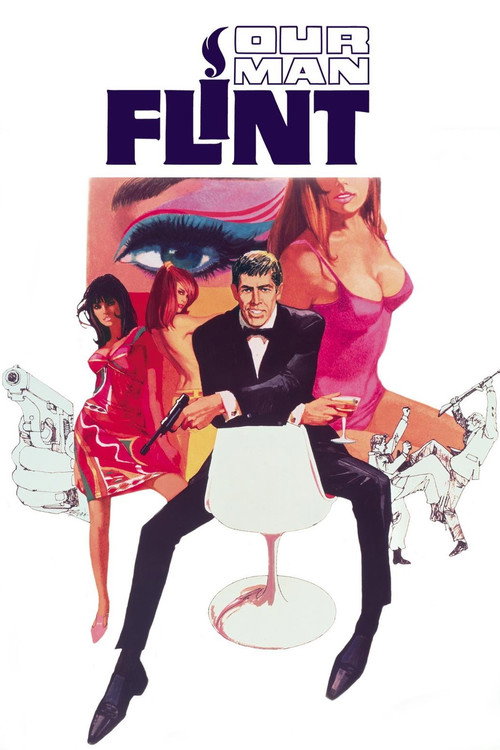
Our Man Flint1966
A direct ancestor of Moore's Bond approach. Same belief that a spy movie should be visually outrageous and fundamentally funny, with plot as a frame for set pieces.
This James Coburn spy-fi comedy is what *The Spy Who Loved Me* learned from: a secret agent with gadgets so absurd they're beautiful, a plot involving climate control and world domination, and the conviction that spectacle and humor belong together. Criminally hard to find, criminally good.
But It's slight. There's almost no real stakes and the romance is perfunctory. If you need story weight, there isn't much here.
People
Cast
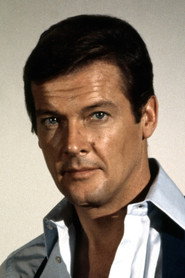 Roger MooreJames Bond
 Barbara BachMajor Anya Amasova
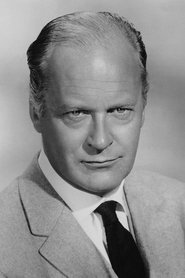 Curd JürgensKarl Stromberg
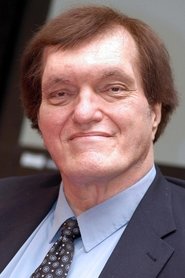 Richard KielJaws
 Caroline MunroNaomi
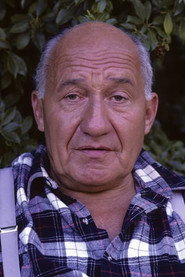 Walter GotellGeneral Anatol Gogol
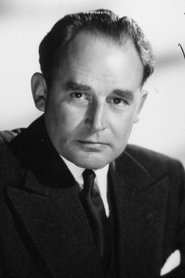 Geoffrey KeenSir Frederick Gray
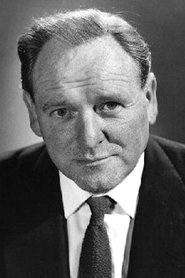
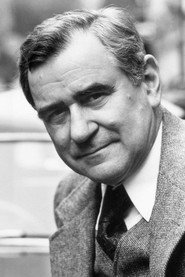 George BakerCaptain Benson
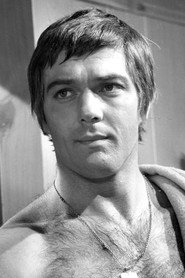 Michael BillingtonSergei Barsov
- Olga BiseraFelicca
Directing
- Willy BognerAction Director
- Ariel LevyAssistant Director
- June RandallContinuity
- Lewis GilbertDirector
- Michael StevensonSecond Assistant Director
- John GlenSecond Unit Director
Writing
- Ian FlemingNovel
- Christopher WoodScreenplay
- Richard MaibaumScreenplay
- Vernon HarrisScript Editor
Production
- William P. CartlidgeAssociate Producer
- Maude SpectorCasting
- Weston Drury Jr.Casting
- Albert R. BroccoliProducer
- David MiddlemasProduction Manager
Recommended by
GoldenEye, Dr. No, Rollercoaster, Highlander, Goldfinger, Armour of God, Thunderball, You Only Live Twice, Licence to Kill, Octopussy, Au service de la France, The Deep, Agent Vinod, Live and Let Die, Moonraker, The Man with the Golden Gun, A View to a Kill, Diamonds Are Forever, Fanaa, For Your Eyes Only, Manimal, The Unexpected Mrs. Pollifax, Warlords of Atlantis, The World Is Not Enough, Tomorrow Never Dies, North Sea Hijack, Tieta of Agreste, Malibu Express, The Castle of Fu Manchu, Sunburn, The Falcon and the Snowman, Firepower, Mata Hari, Odette