
Film
Odette
A 1950 British drama about Odette Sansom, a French-born SOE agent captured and tortured by the Nazis in occupied France. Directed by Herbert Wilcox and anchored by Anna Neagle's quiet dignity, it's a wartime biography more interested in moral endurance than action heroics—how ordinary people resist, survive, and bear witness. For those drawn to true stories of courage that don't need bombast.
If you liked this
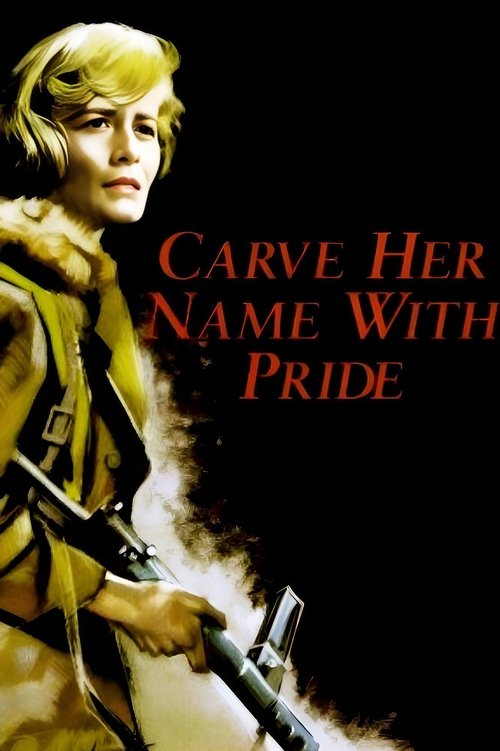
Carve Her Name with Pride1958
Another true SOE story, this one about Violette Szabo. Similar era, similar stakes, and it has an even sharper sense of the human cost alongside the bravery. More dramatically tense than Odette.
But The pacing can feel slow by modern standards, and the film doesn't shy from the grim reality of what happened to these women—it's heavy going.
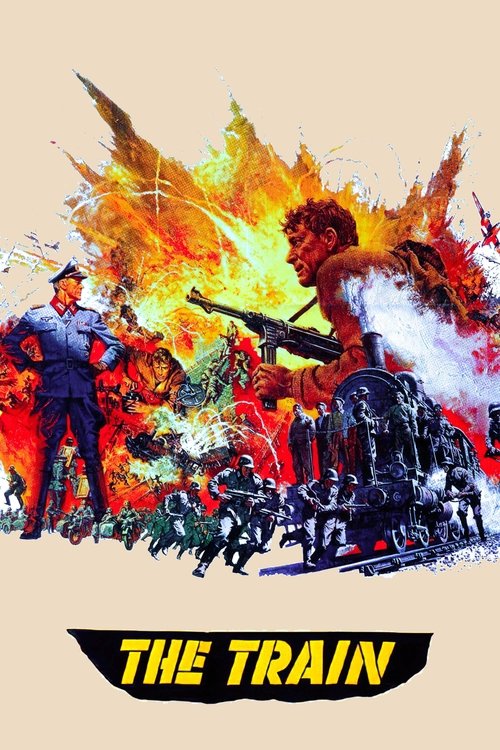
The Train1964
Burt Lancaster in a tense, beautifully shot French Resistance thriller about sabotaging a Nazi train. It has that same wartime Europe setting but leans into suspense and action rather than introspection.
But It's a heist-thriller, not a character study. If you came for the moral and emotional weight of Odette, this pivots toward entertainment.
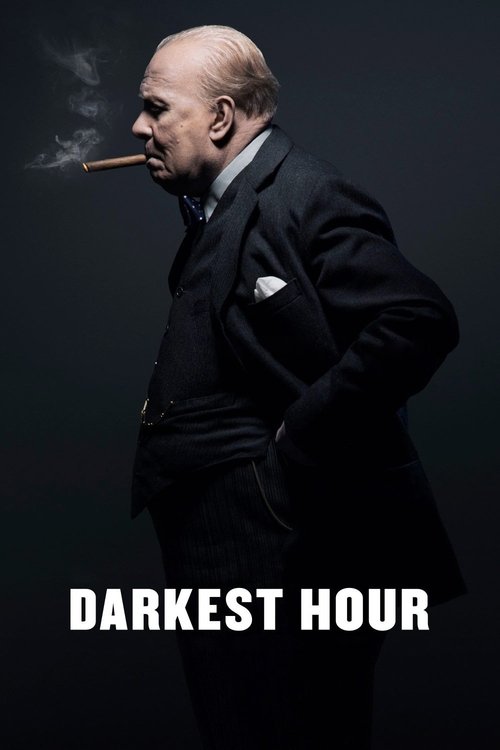
Darkest Hour2017
Gary Oldman as Churchill during the pivotal May 1940 crisis. Captures the same historical moment that shaped SOE's creation, with gorgeous cinematography and a fierce central performance.
But It's a prestige biopic with a very different register—glossier, more triumphalist. Odette is much quieter about suffering.
Not sure tonight? Get a pick in a minute, starting from Odette
The wildcard
Something you would not have found on your own.
The Killing1956
Both treat their true/real scenarios without sentiment: harsh facts, focused on how people actually behave under duress. Kubrick's style is Odette's philosophy applied to crime.
Kubrick's breakthrough: a heist film shot documentary-style with fractured chronology and an ensemble cast. Like Odette, it's about ordinary people under extreme pressure, but told as a lean, tense procedural with no sentimentality.
But It's noir, not war drama. Shot in grainy black-and-white, and morally it gives you no one to root for. You have to adjust expectations entirely.

More like this (7)
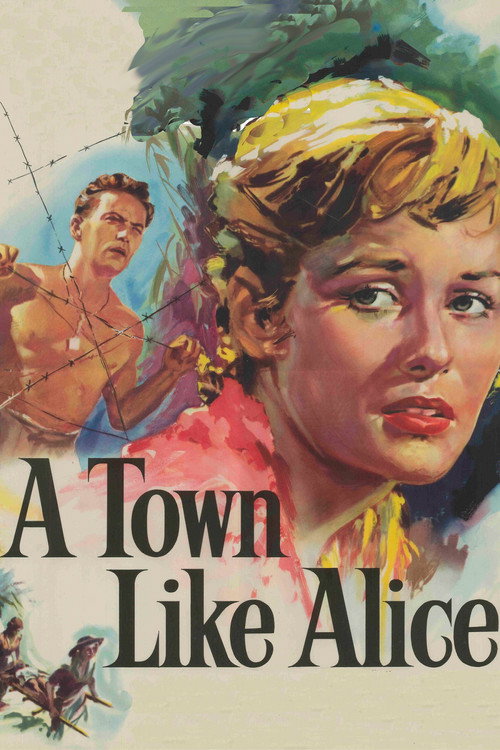
A Town Like Alice1956
Based on Nevil Shute's novel, it follows a woman's survival across Japanese-occupied territory with quiet resilience. Similar DNA: female protagonist, wartime ordeal, understatement as strength.
But It's a sprawling postwar romance as much as a war story, and the second half tones down the darkness for redemption.
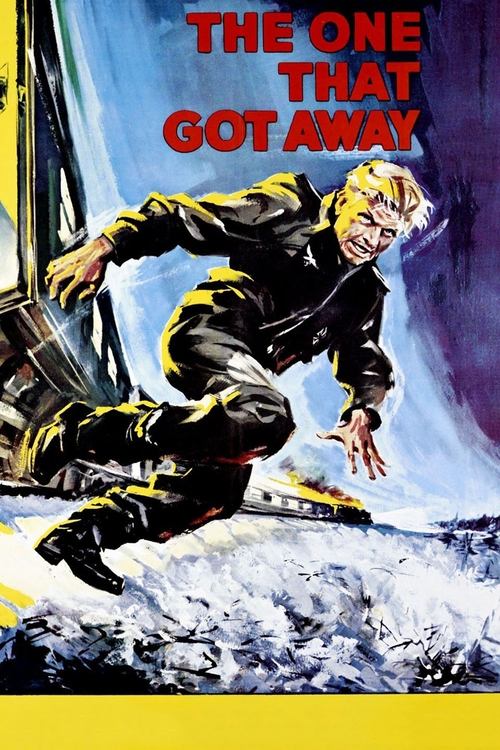
The One That Got Away1957
Hardy Krüger as a Luftwaffe pilot trying to escape across occupied Europe. Switches perspective entirely—now you're rooting for the German—but has that same cat-and-mouse tension and moral complexity.
But It's told from the enemy side, which some find harder to invest in. The pacing is methodical rather than gripping.
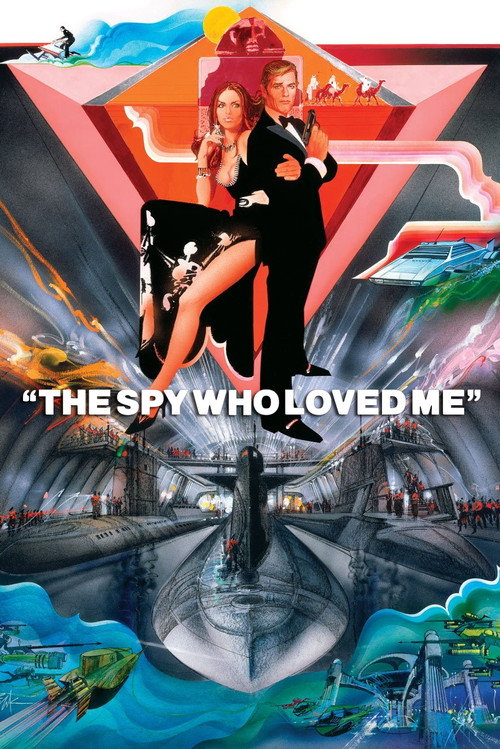
The Spy Who Loved Me1977
Roger Moore's Bond film, set partly in postwar Europe with a genuinely clever plot about espionage and betrayal. A palate cleanser if you need something more fun after heavy drama.
But It's camp, it's silly, it's nothing like Odette except both involve spies. Goes on forever and half of it doesn't make sense.
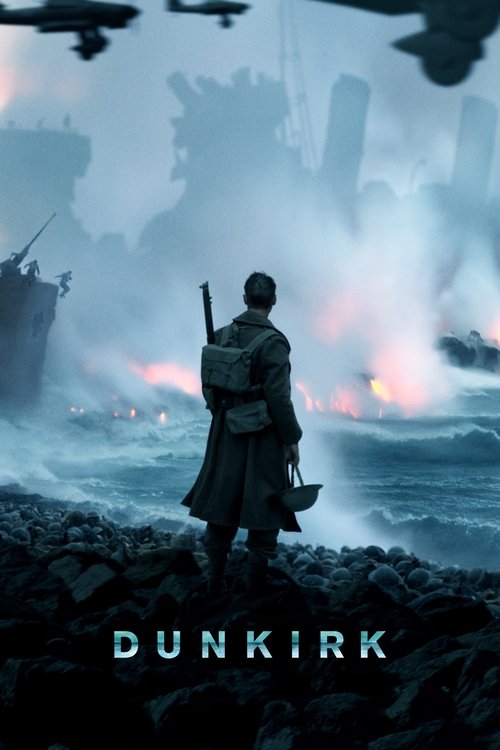
Dunkirk2017
Nolan's immersive account of the evacuation that SOE operatives would have worked to prepare for. Three timelines, propulsive editing, and an almost documentary-like commitment to the tactical reality.
But It's a spectacle film. Minimal character development and no space for introspection—it's all momentum. Very different tone.
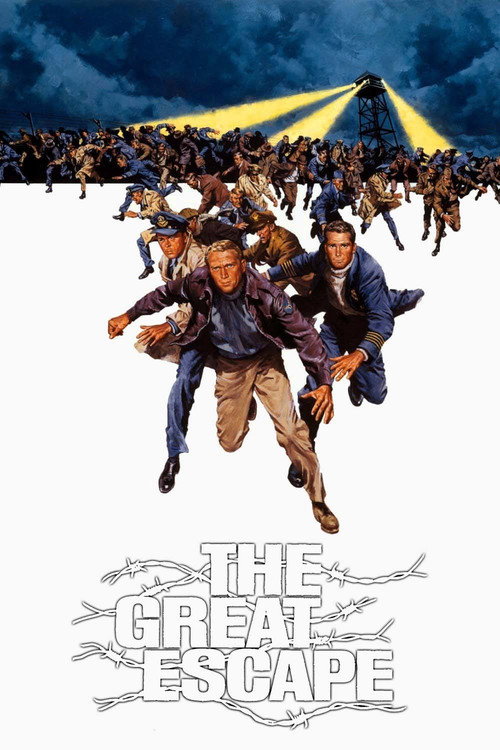
The Great Escape1963
McQueen, Garner, Coburn in a thrilling POW escape film that captures the ingenuity and camaraderie of resistance under Nazi captivity. Adventure-driven but grounded in real history.
But It's a celebrated classic but sands down the moral edges into pure entertainment. Odette is far grimmer about what happened to these people.
La Haine1995
Both are unsentimental French stories about ordinary people crushed by forces larger than themselves. Both refuse to make their subjects heroic—just human, just surviving, just witnessing.
French film about three young men in a Paris banlieue the day after riots—no plot, just escalating social pressure and economic despair. Shot with restless black-and-white beauty and a steady gaze on systemic injustice.
But It's 1990s youth cinema, urban and explicitly political, nothing to do with WWII. The register is completely different—angrier, more modern. Patience required for a slow-burn ending.

Shoah1985
Odette testified against her torturers; Shoah is five hundred hours of testimony. Both are acts of bearing witness, of refusing to let atrocity be abstracted or forgotten. Both privilege the voice of those who lived it.
Lanzmann's nine-hour documentary about the Holocaust through interviews with survivors and perpetrators. Odette's concentration camp experience becomes one thread in a vast testimony. Harrowing but essential.
But It's a commitment—you have to watch it in sections. No dramatic score, no conventional narrative, just people talking. Some find it monotonous; others find that purity necessary. Very difficult subject.

People
Cast
 Anna NeagleOdette
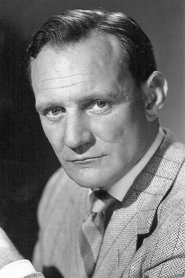 Trevor HowardCaptain Peter Churchill
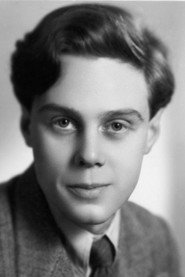 Marius GoringColonel Henri
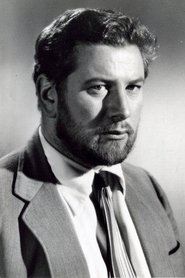 Peter UstinovLt. Alex Rabinovich
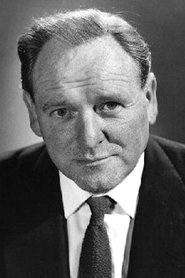 Bernard LeeJack
- Maurice BuckmasterHimself
- Alfred SchieskeCamp Commandant
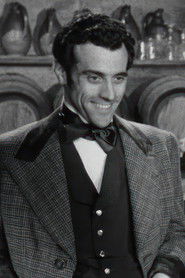 Gilles QuéantJacques (as Gilles Queant)
- Marianne WallaS.S. Wardress
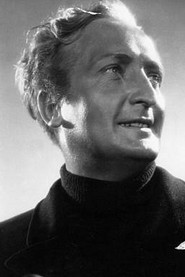 Fritz WendhausenColonel (as F.R. Wendhousen)
- Wolf FreesMajor (uncredited)
- Liselotte GoettingerGerman POW Camp Officer (uncredited)
Directing
- Frank HollandsAssistant Director
- Elizabeth EversonContinuity
- Herbert WilcoxDirector
Writing
- Jerrard TickellBook
- Warren Chetham-StrodeScreenplay
Production
- Patricia SmithCasting Director
- Anna NeagleProducer
- Herbert WilcoxProducer
- Robert DunbarProduction Manager
- John WilcoxUnit Manager