
Film
Rollercoaster
- Action thriller
- Crime
- Action
- Relentless
A 1977 thriller about a mad bomber targeting American amusement parks, extorting millions from terrified executives. George Segal leads the hunt across multiple cities in a procedural that treats the threat seriously, building real tension from ordinary settings turned lethal. It's a paranoia film for the post-Watergate crowd, where institutions fail and competence becomes suspect.
Should you watch it?
Watch it if you love a 1970s disaster-and-manhunt thriller built on procedural tension, practical stunts and a steady, unhurried escalation rather than frantic editing.
Skip it if you want a lean, fast-cut popcorn ride; at nearly two hours it takes its time laying out investigations, phone calls and negotiations before the big set pieces arrive.
What it asks of you: Settle in for a full feature-length stretch of talk and tracking before the thrills, with a grounded, mostly serious tone that rewards patience more than sharp wit.
Not sure? Find tonight's pick in a minute.
If you liked this
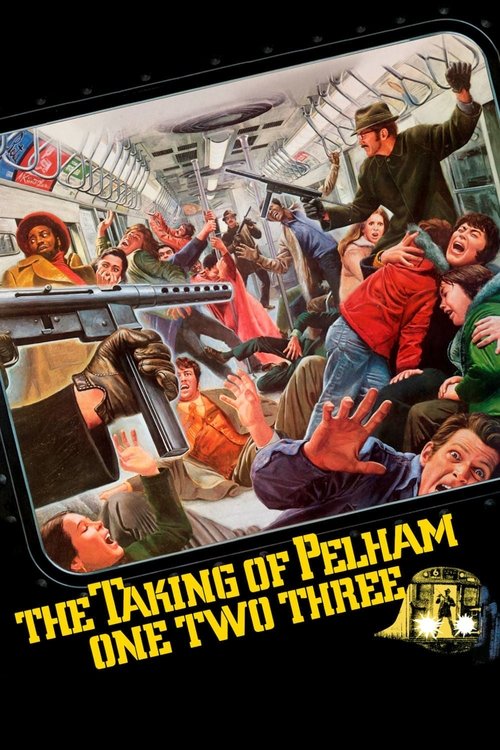
The Taking of Pelham One Two Three1974
A hostage crisis unfolds in real time across a New York City subway system. Sharp dialogue, mounting stakes, and Walter Matthau versus Robert Shaw—it's a masterclass in genre filmmaking that respects both the criminal mind and the institutional response.
But The pacing is deliberate and procedural; if you need constant action beats, you'll find stretches where people are simply negotiating or planning.
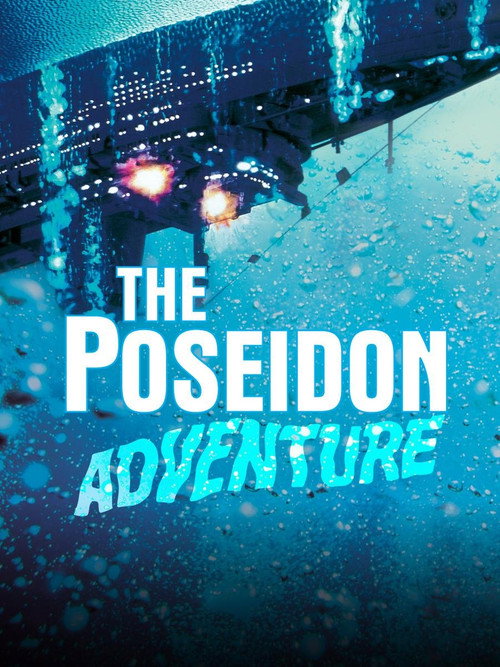
The Poseidon Adventure1972
A disaster film where a ship capsizes and the survivors must climb through an inverted ocean liner. It invented the template for ensemble survival stories, with genuine dread beneath the spectacle and real consequences for failure.
But The melodrama between characters can feel overwrought by modern standards, and some of the dialogue doesn't age gracefully.
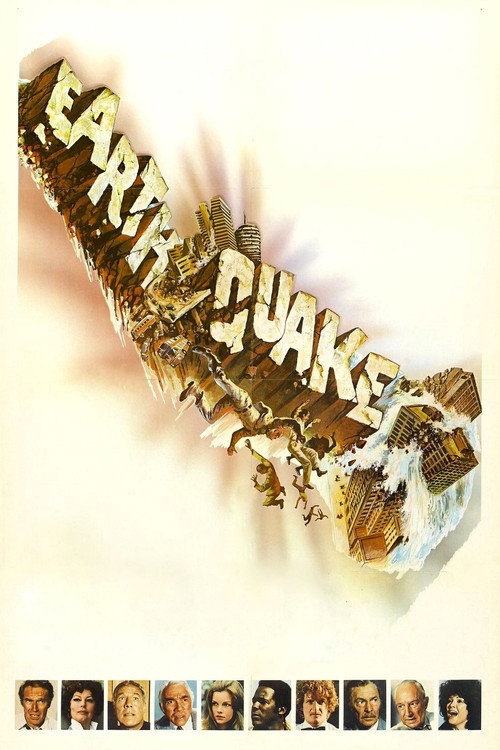
Earthquake1974
Los Angeles tears itself apart in a massive quake. It's a disaster film that actually captures the chaos and moral breakdown of a city collapsing, with good character work and moments of genuine horror amid the spectacle.
But The romantic subplot feels obligatory and distracts from the real engine of the film—the disaster itself—leaving some scenes dragging.
Not sure tonight? Get a pick in a minute, starting from Rollercoaster
The wildcard
Something you would not have found on your own.
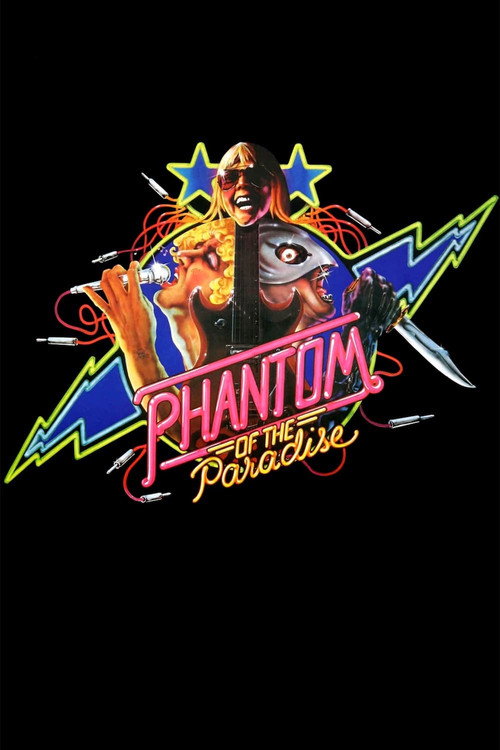
Phantom of the Paradise1974
Both films weaponize public spaces and entertainment venues, turning familiar pleasure zones into sites of terror and control. The bomber and the phantom both understand that spectacle amplifies fear.
A deranged rock opera about a disfigured composer haunting a recording studio and concert hall. Brian De Palma's film is visually gorgeous, genuinely twisted, and operates as both thriller and dark comedy—it understands how technology can amplify obsession and violence.
But It's campy and surreal in ways that undercut the horror; if you need grounded realism, the theatrical artifice will feel self-indulgent and thin.
More like this (8)
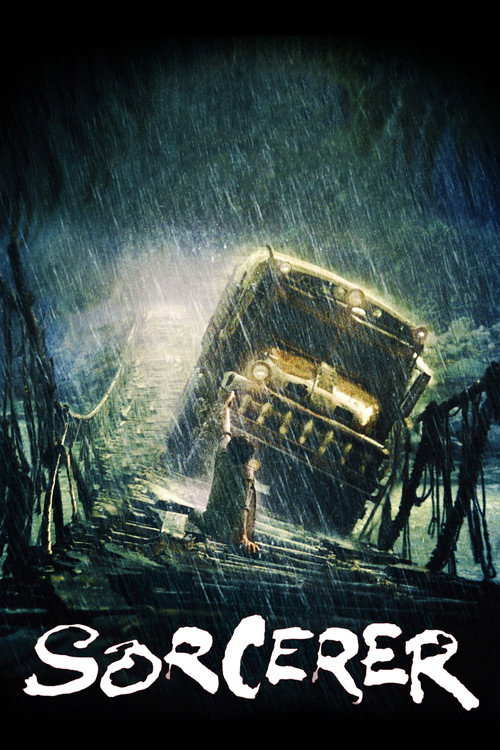
Sorcerer1977
Four damaged men drive trucks full of dynamite through a South American jungle. Friedkin's masterpiece is tense, moral, and visually stunning—it understands how ordinary people behave under impossible pressure.
But It's grim and exhausting by design. There's no lightness, no jokes that land, no moment where you get to relax. Some find that suffocating rather than absorbing.
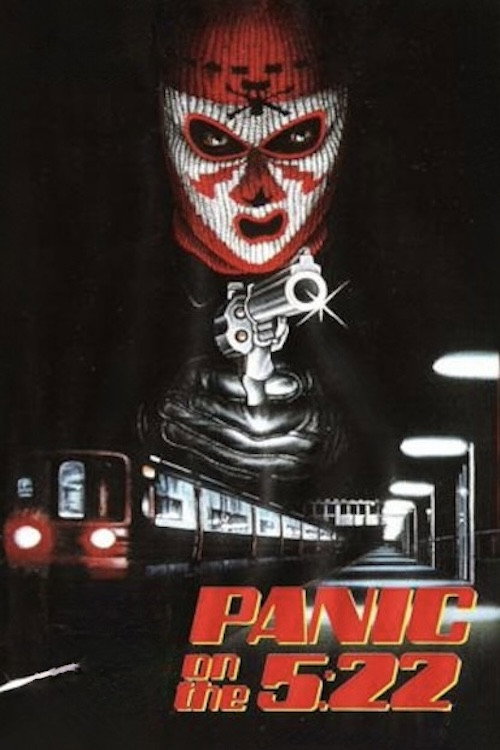
Panic on the 5:221974
A commuter train is hijacked and held for ransom. It's a tight, efficient thriller built on claustrophobia and the collision of desperate criminals with ordinary people trapped in a metal tube.
But It's slight compared to Pelham—more of a functional B-picture than a statement—and doesn't have a star to anchor the chaos.
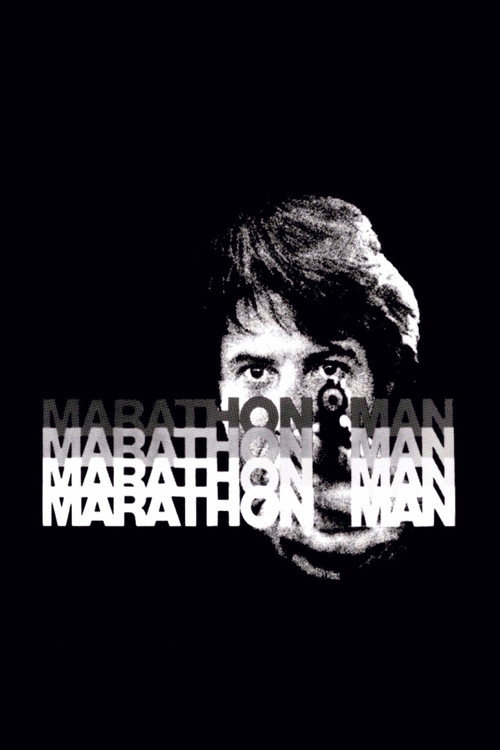
Marathon Man1976
A graduate student becomes entangled with Nazis and CIA operatives hunting stolen diamonds. Laurence Olivier is terrifying, Dustin Hoffman is vulnerable, and the torture scenes genuinely hurt to watch in the best way.
But The plot pivots several times and not all of them land; by the third act it's operating on momentum rather than logic.
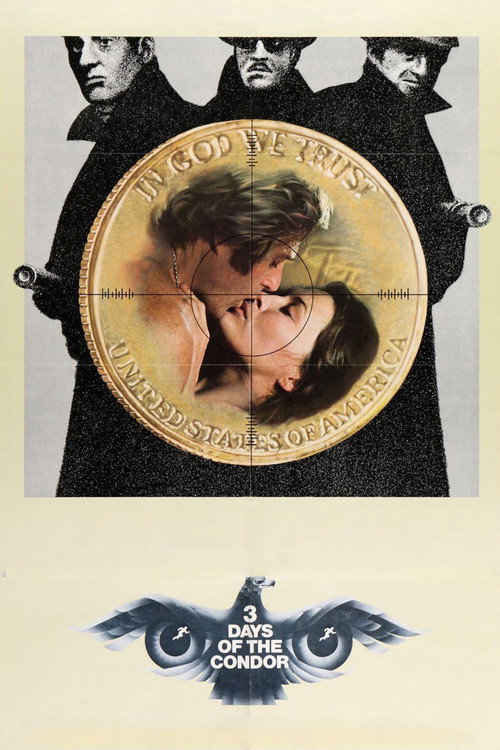
Three Days of the Condor1975
A CIA analyst stumbles onto a conspiracy and goes on the run through New York City. It's paranoid, smart, and Robert Redford plays uncertainty beautifully—this is a thinking man's thriller about institutions you can't trust.
But The ending feels deliberately unsatisfying, which is the point but might frustrate you if you wanted actual resolution.
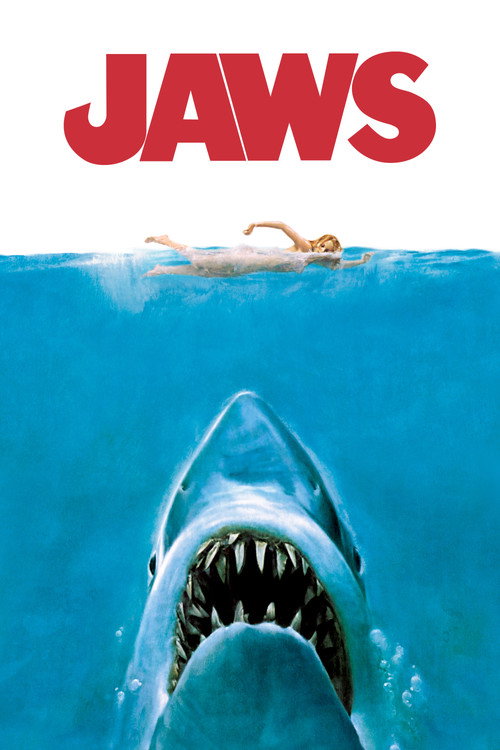
Jaws1975
A shark terrorizes a beach town and three men set out to kill it. Spielberg invented modern thriller pacing here—every scene serves the mounting dread, and the characters feel like real people sweating through an impossible problem.
But The mechanical shark is visible and unconvincing whenever it appears on screen, which breaks the tension if you're sensitive to that.
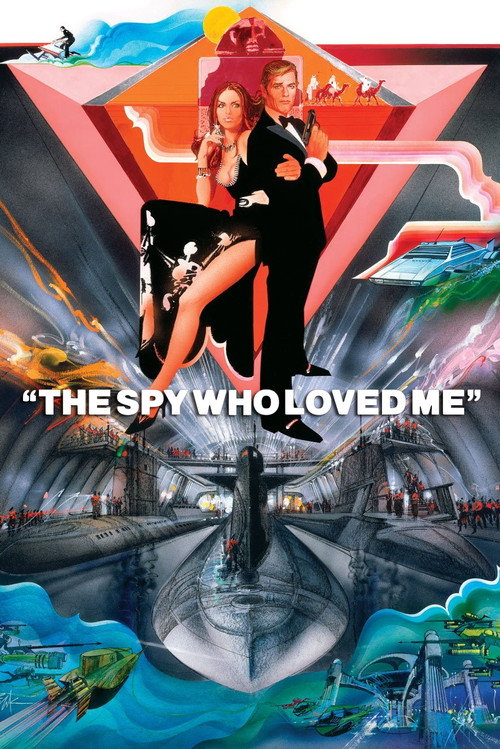
The Spy Who Loved Me1977
Bond film with Roger Moore at his charming best, Jaws as an unforgettable henchman, and action set pieces that go genuinely massive. It's pure entertainment—stylish, silly, and completely confident in what it is.
But The plot is thin and the character development is zero; if you're looking for substance, this is all surface and you'll resent the time spent.
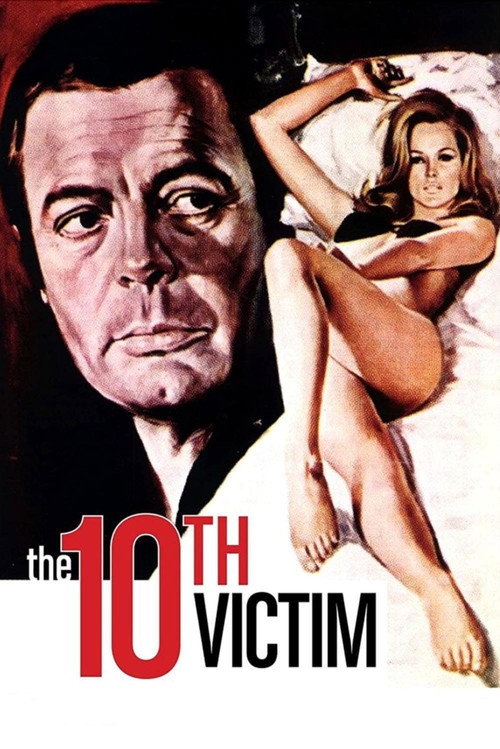
The 10th Victim1965
Both explore how institutions legitimize and profit from violence, and how the hunt itself becomes a kind of perverse game with rules and spectators. The bomber and the sport operate on the same moral inversion.
A 1960s Italian sci-fi film where murder is legalized as a controlled sport and people hunt each other for points. It's visually inventive, darkly comic, and prophetic about violence as entertainment and social control—the aesthetic is gorgeous and the ideas are sharp.
But It's deliberately artificial and theatrical in a way that distances you from any real stakes; the satire can read as cold or shallow if the premise doesn't enchant you immediately.
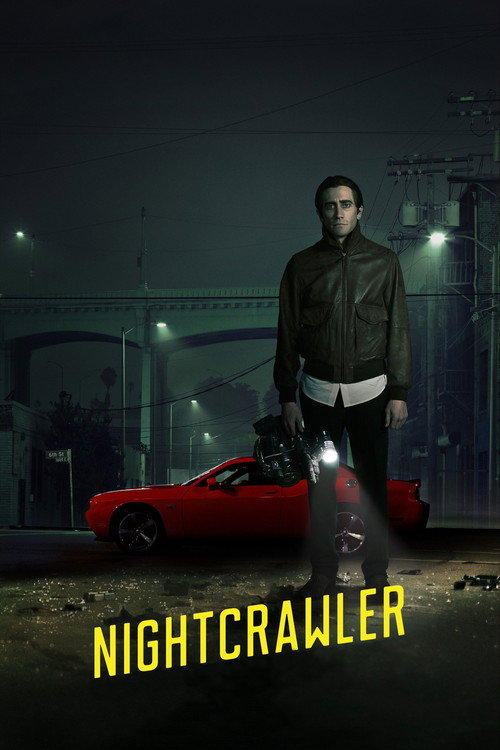
Nightcrawler2014
Both films examine how catastrophe becomes product, how fear is manufactured and consumed, and how the systems meant to protect us are complicit in the disaster. The bomber creates spectacle; the system profits from it.
Jake Gyllenhaal is a freelance news cameraman who profits from other people's disasters—car crashes, crimes, violence—by filming them and selling the footage. It's a scathing indictment of media, ambition, and how we turn suffering into content, shot with sleek intensity.
But It's cynical and bleak in ways that offer no comfort or redemption; if you watch it for the craftsmanship rather than hope, some viewers find the nihilism exhausting.
People
Cast
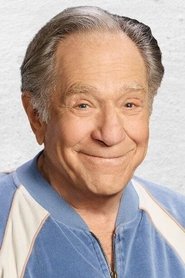 George SegalHarry Calder
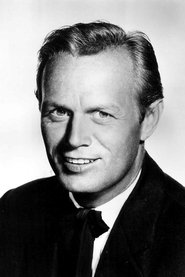 Richard WidmarkAgent Hoyt
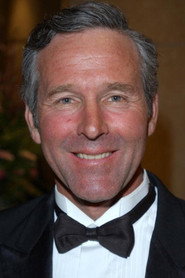 Timothy BottomsYoung Man
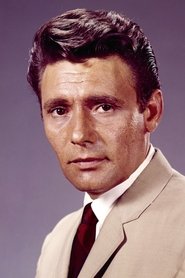 Harry GuardinoKeefer
 Susan StrasbergFran
 Henry FondaSimon Davenport
 Helen HuntTracy Calder
 Dorothy TristanHelen
- Harry DavisBenny Neilson
 Stephen PearlmanBert Lyons
- G.F. RoweWayne Moore
 Wayne TippitPolice Captain Christie
Directing
- James GoldstoneDirector
Writing
- Richard LevinsonScreenplay
- William LinkScreenplay
- Richard LevinsonScreenstory
- Sanford SheldonScreenstory
- William LinkScreenstory
- Tommy CookStory
Production
- Tommy CookAssociate Producer
- Jennings LangProducer
Recommended by
Class Action Park, Airport, The Cassandra Crossing, The Concorde... Airport '79