
Film
The Cassandra Crossing
A plague-stricken train hurtles across Europe while authorities debate whether to let it reach its destination or derail it with everyone aboard. This 1976 disaster thriller trades logic for spectacle, stuffed with movie stars and the baroque paranoia of Cold War intrigue. It's trashy, tense, and utterly committed to its own absurdity.
Should you watch it?
Watch it if you enjoy 1970s disaster films built on a crowd of big stars, shut in a train car together, with slow-burning tension that leans on character rather than explosions.
Skip it if you want a lean, fast thriller, since this one spends long stretches on quarrels, backstories and the slow grind of a stalled journey, and its 129 minutes feel it.
What it asks of you: Expect a long, patient build with a runtime of over two hours, where the suspense gathers through conversation and crowded rooms rather than through steady momentum.
Not sure? Find tonight's pick in a minute.
If you liked this
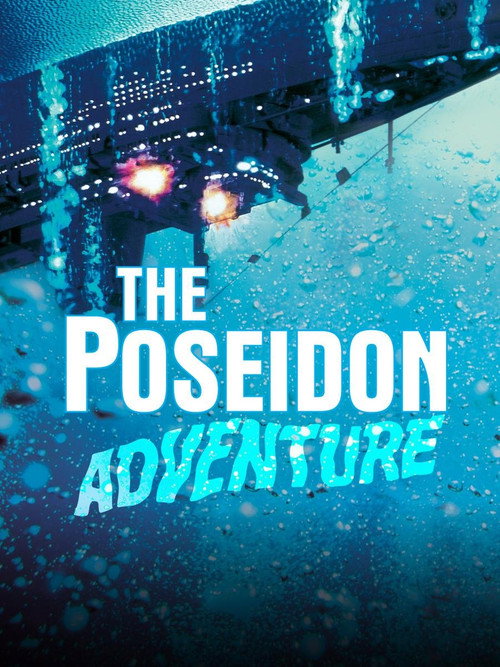
The Poseidon Adventure1972
The template for all disaster epics: a luxury vessel, an ensemble cast of recognizable faces, mounting casualties, and the question of who survives. Irwin Allen's mastery of logistics and suspense made this the film everyone copied.
But Slow to build, heavy on soap opera dynamics between characters you don't yet care about. The special effects, impressive for 1972, show their age.
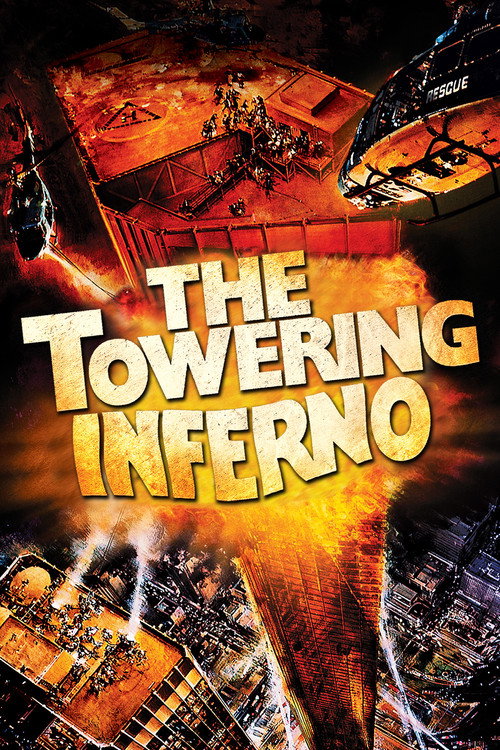
The Towering Inferno1974
Steve McQueen and Paul Newman in a burning skyscraper, with Irwin Allen again orchestrating chaos. More confident than Poseidon, tighter plotting, and the spectacle of a fully realized disaster unfolding floor by floor.
But Peak 70s cheese in the dialogue and romantic subplots. Nearly three hours, and the back half sags once you've absorbed the initial scale.
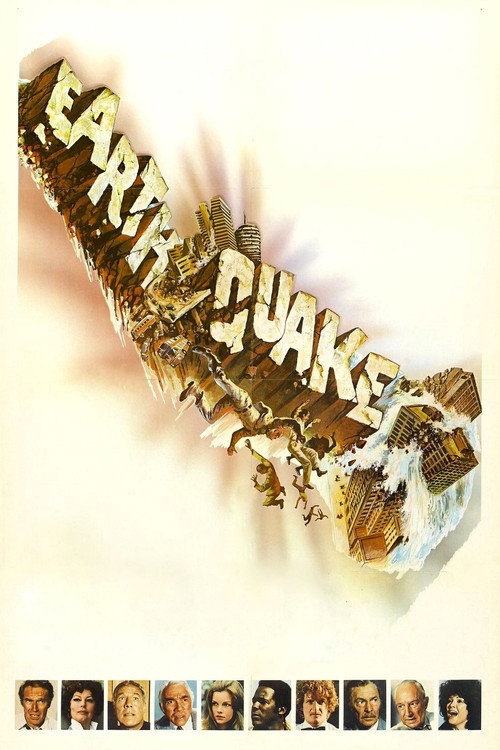
Earthquake1974
Charlton Heston, Ava Gardner, and George Kennedy in a city coming apart at the seams. The disaster sequences are genuinely impressive, and the film doesn't waste time pretending the human drama matters more than the spectacle.
But The script is thin and the characterization thinner. You're here for buildings falling, not emotional truth, and it knows it.
Not sure tonight? Get a pick in a minute, starting from The Cassandra Crossing
The wildcard
Something you would not have found on your own.
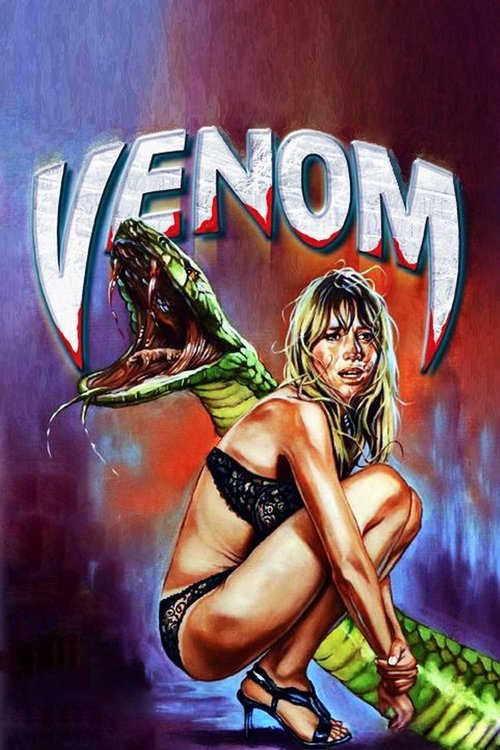
Venom1981
Both lock an ensemble in an enclosed space and watch them fracture under pressure and resource scarcity. The real threat is equally external and internal—circumstance and human failure working in concert.
Klaus Kinski, Sterling Hayden, and Sterling Moss trapped in a London townhouse with a deadly mamba. Not a disease or a natural disaster but a single animal, creating the same claustrophobic resource-depletion logic. Claustrophobic, nasty, and genuinely tense in ways the bigger films aren't.
But Slow and airless, almost a stage play. The horror comes from the banality of the setting, not spectacle. This will feel small after The Cassandra Crossing's grand gestures.
More like this (8)
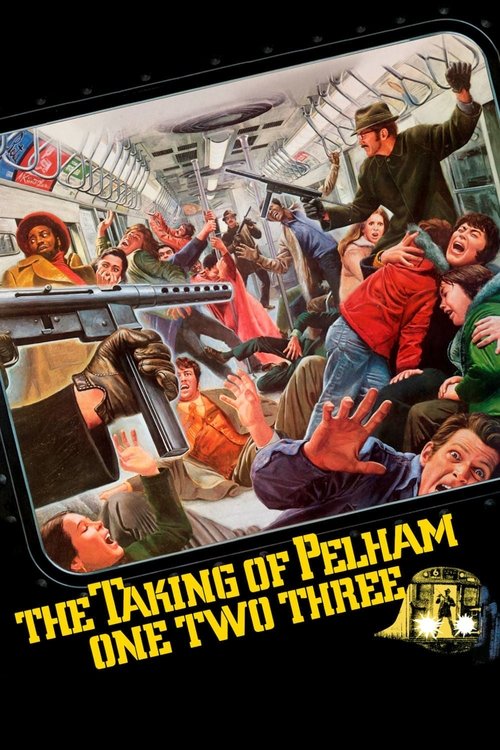
The Taking of Pelham One Two Three1974
A hijacked subway train, a tense negotiation, Robert Shaw as a brilliant terrorist, Walter Matthau as a weary transit cop. Crime thriller logic instead of disaster logic, but the same trapped-system energy and mounting dread.
But Deliberately unglamorous and procedural. If you want spectacle and famous faces, this is grim and almost mundane by comparison.
Airport1970
Burt Lancaster and Dean Martin in the prototype disaster film, before Irwin Allen industrialized the formula. A time bomb on a passenger jet, incompetence compounding at every level, and the calm certainty that most of these people will die.
But Slack pacing and a surfeit of subplots that genuinely don't matter. The bomb itself isn't reached until halfway through.
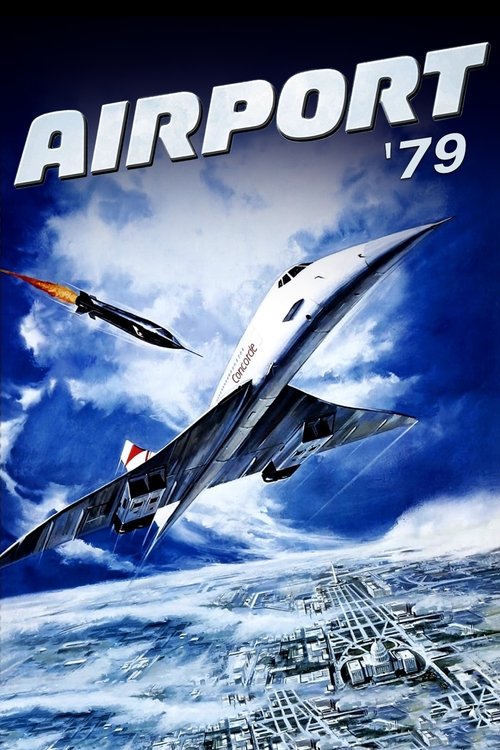
The Concorde... Airport '791979
The last and most deranged of the Airport sequels, with a Concorde jet as the trap and absurd plotting that embraces its own ridiculousness. See what happens when a series finally stops pretending to care about plausibility.
But It's bad in ways that aren't fun—incompetently made, poorly paced, and the stunts don't convince. Bad-bad, not fun-bad.
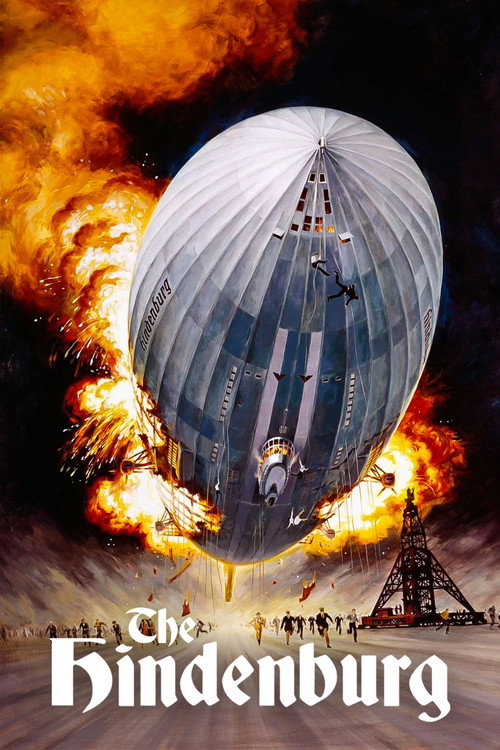
The Hindenburg1975
A zeppelin at risk, George C. Scott investigating sabotage, and a real historical event as the foundation. More atmospheric and mystery-driven than pure disaster spectacle, with a fatalistic grandeur.
But Slow and digressive, with too much time spent on detective work and not enough on the actual crisis. The climax is historical fact, so there's no suspense about outcome.
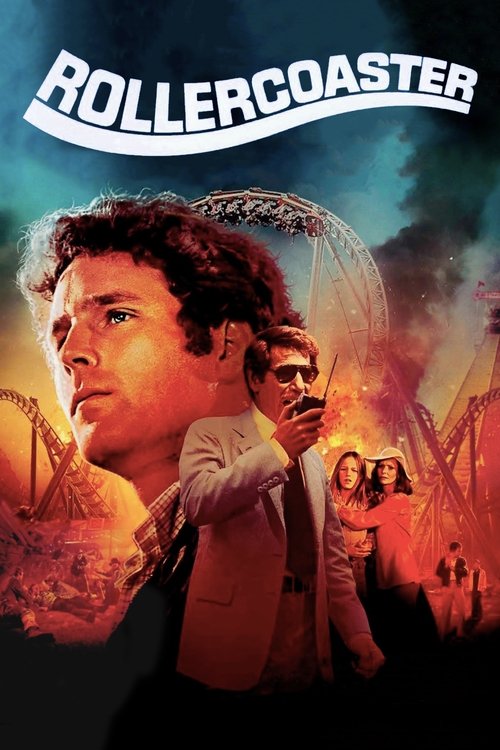
Rollercoaster1977
George Segal chasing a terrorist sabotaging amusement park rides. The premise is inherently fun, the rides are genuinely impressive, and it captures the paranoia of the 70s in a lighter register than most disaster films.
But Slight and forgettable, trying to be a thriller and a comedy without fully committing to either. The saboteur's motivation barely exists.
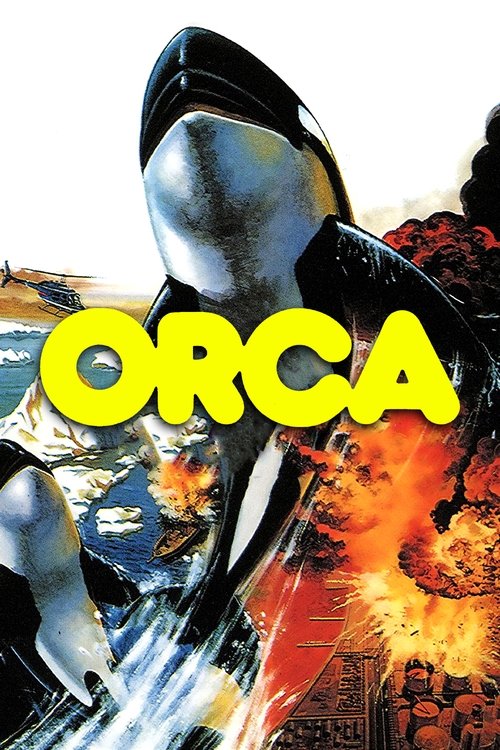
Orca1977
Richard Harris versus a killer whale in the Arctic, with Keenan Wynn as a philosophical captain. It's Moby Dick filtered through 70s disaster logic, which means it's completely unhinged and weirdly moving.
But The whale animatronics are unconvincing and the film slogs between action sequences. A lot of standing around on boats in the cold.
Stalker1979
Both center on a journey through a dangerous space where passengers must confront an endpoint that might destroy them. Cassandra is all forward momentum and noise; Stalker is motionless and silent. Same structure, inverted temperament.
Andrei Tarkovsky's hypnotic meditation on a journey into a mysterious zone, a guide leading two passengers through a landscape of dread. Long, slow, and entirely concerned with what people do when faced with an impossible decision that might kill them.
But Soviet cinema, intentionally paced for philosophy rather than plot. No action, no spectacle, nearly three hours of men walking and talking. This is the opposite register from Cassandra, which may be exactly why it matters.

Come and See1985
Where Cassandra Crossing treats a plague-ship as spectacle, Come and See treats historical catastrophe as a lived trauma with no redemption arc. Both lock people in transit through a landscape of mortality, but one is a thriller and the other is a howl.
A Soviet war film following a boy through the German invasion of Belorussia. Nightmarish, hallucinatory, visually destroyed, and morally pitiless. If you're interested in what happens to ordinary people trapped by forces beyond their control, this is the least comforting possible answer.
But Genuinely difficult to watch. Not entertainment, not cathartic. It's a document of atrocity and devastation. This is not a fun evening; it's a necessary one.

People
Cast
 Sophia LorenJennifer Rispoli Chamberlain
 Richard HarrisDr. Jonathan Chamberlain
 Martin SheenRobby Navarro
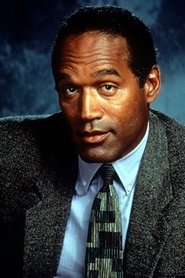 O. J. SimpsonHaley
 Ava GardnerNicole Dressler
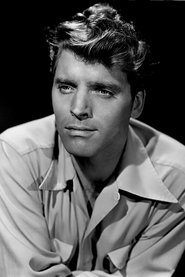 Burt LancasterCol. Stephen Mackenzie
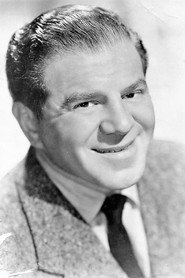 Lionel StanderMax, the Train Conductor
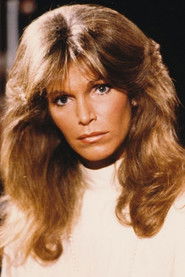 Ann TurkelSusan
 Ingrid ThulinDr. Elena Stradner
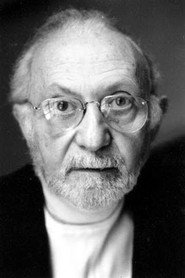 Lee StrasbergHerman Kaplan
 Lou CastelSwedish Terrorist
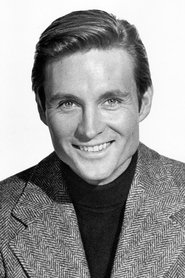 John Phillip LawMajor Stark
Directing
- George P. CosmatosDirector
Writing
- George P. CosmatosScreenplay
- Robert KatzScreenplay
- Tom MankiewiczScreenplay
- George P. CosmatosStory
- Robert KatzStory
Production
- Giancarlo PettiniExecutive Producer
- Carlo PontiProducer
Recommended by
Panic in the Streets, Outbreak, Women on the Verge of a Nervous Breakdown, Breakheart Pass, The Burning Train, Night Train, The Crossing