
Film
Airport
Airport is a disaster film that juggles multiple crises unfolding in real time: mechanical failures, weather chaos, personal drama, and terrorism. It's essentially a machine-precision thriller where competence under pressure is the actual plot. Gorgeously shot, unapologetically melodramatic, designed for an audience that finds bureaucratic problem-solving as gripping as any car chase.
Should you watch it?
Watch it if you enjoy old-fashioned ensemble disaster films where a crowd of mismatched characters pile up problems in one busy location, and you find the sheer machinery of crisis management more gripping than any single star performance.
Skip it if you want modern pacing or sharp characterisation; the soap-opera subplots run long and several of the personal dramas feel thin and stop-start beside the main emergency.
What it asks of you: Settle in for a little over two hours of unhurried setup, with the tension building slowly in between chatter about marriages, careers and small domestic dramas before the big set pieces arrive.
Not sure? Find tonight's pick in a minute.
If you liked this
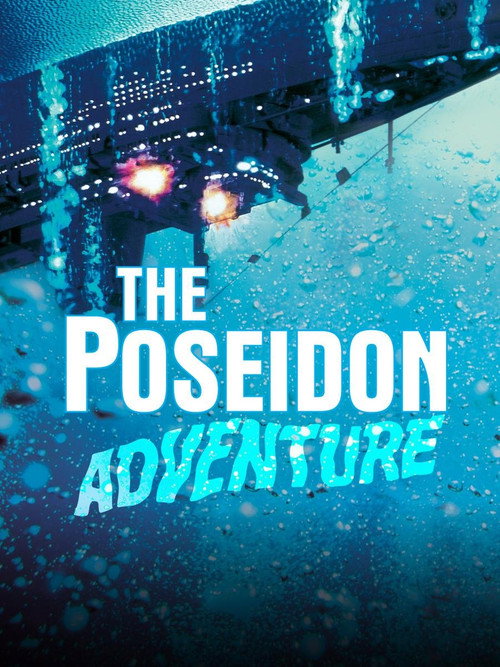
The Poseidon Adventure1972
The spiritual successor to Airport that perfected the disaster-film formula. A luxury liner capsizes and survivors climb through inverted hell. Perfectly calibrated spectacle with genuine stakes and character work that earns the chaos.
But The dialogue is occasionally on-the-nose and some supporting characters feel more functional than real. It moves slower than modern audiences expect.
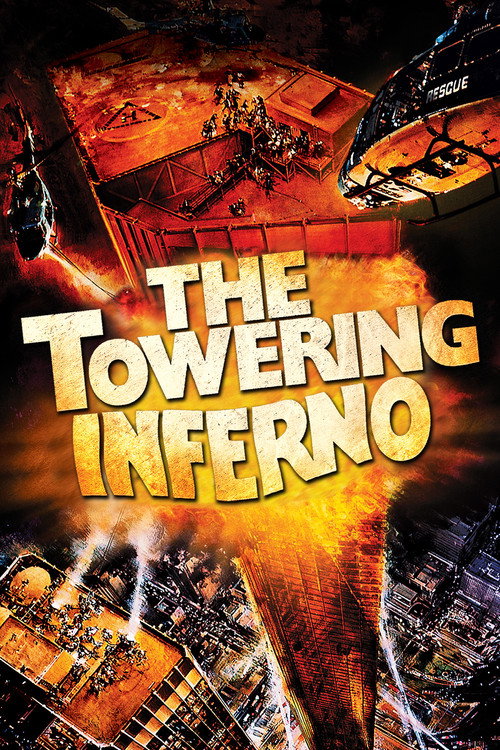
The Towering Inferno1974
Fire consuming a 138-story skyscraper while everyone inside scrambles for escape. All-star cast, practical stunt work that genuinely thrills, and a plot that respects your intelligence about evacuation logistics and structural failure.
But It's over two hours of people in peril and architectural exposition. The romantic subplot feels obligatory in ways that drag at pacing.
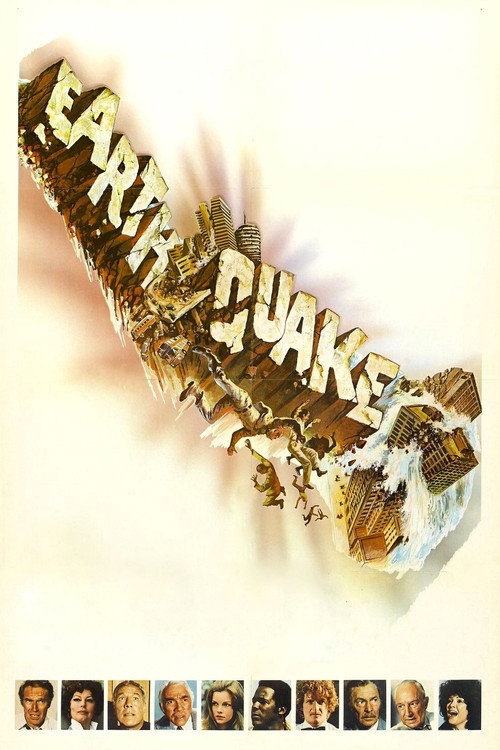
Earthquake1974
Los Angeles tears itself apart in real time. Sensory overload in the best way—the Sensurround sound design was its own phenomenon. Character threads weave through massive destruction with surprising emotional weight.
But It's structurally baggy and some plotting feels contrived. The spectacle occasionally overwhelms coherent storytelling.
Not sure tonight? Get a pick in a minute, starting from Airport
The wildcard
Something you would not have found on your own.
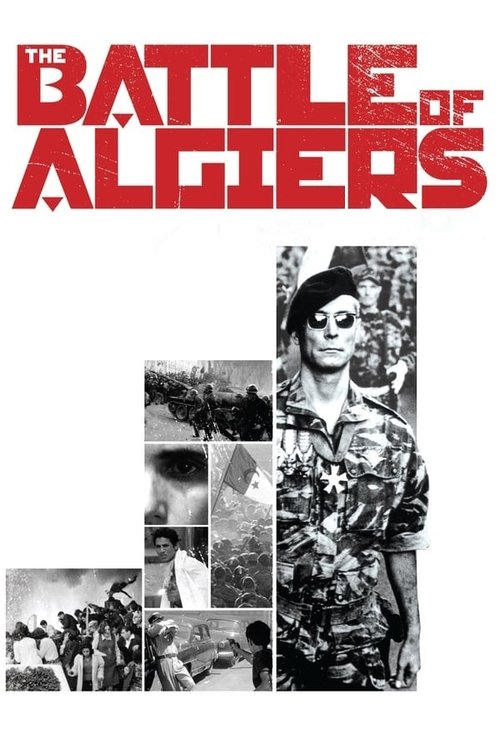
The Battle of Algiers1966
Both films use multiple parallel narratives and ticking-clock structure to explore how institutions and individuals respond to catastrophic pressure within contained spaces. Same dramatic engine, completely different stakes.
A revolutionary thriller structured exactly like Airport: parallel storylines, multiple perspectives, institutional systems meeting human crisis, real-time tension across a contained space. It's a procedural about urban warfare disguised as a political inquiry. Monochrome urgency and moral ambiguity that lingers.
But It's overtly political in ways that feel pointed even now. The violence is unflinching. It offers no cathartic resolution—it ends with a question, not an answer.
More like this (8)
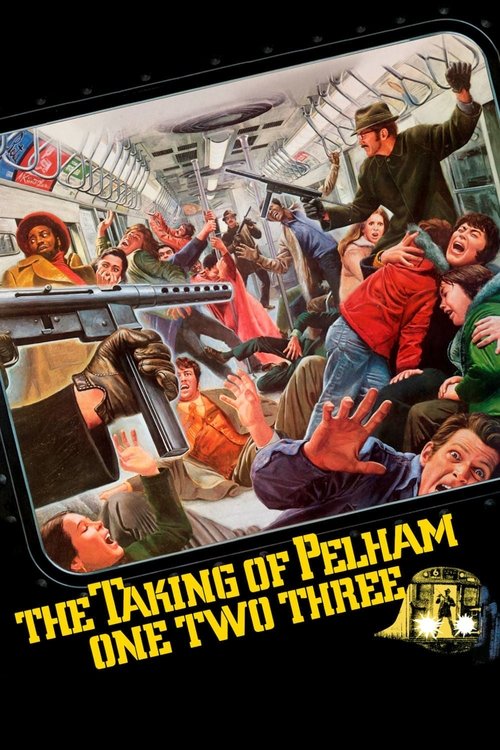
The Taking of Pelham One Two Three1974
Taut hostage thriller set inside a New York subway car. Walter Matthau and Robert Shaw build genuine tension through dialogue and procedure. Real-time urgency, zero padding, every scene tightens the knot another turn.
But Deliberately confined setting. Minimal action in the pyrotechnic sense. Some '70s sexism in the dialogue will make you wince.
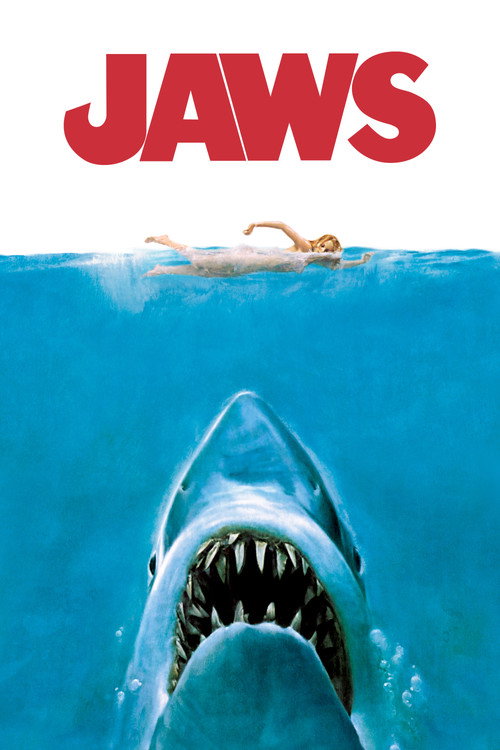
Jaws1975
A mechanical failure—the shark—forces a community to confront fear and greed. Spielberg's first masterpiece constructs dread through what you don't see. Practical effects and character chemistry that still feels alive.
But The mechanical shark famously doesn't always work, which is either charmingly low-fi or frustrating depending on your tolerance.
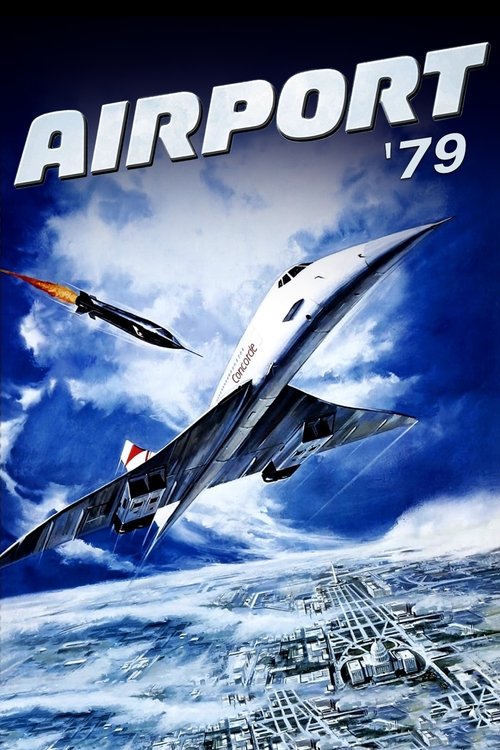
The Concorde... Airport '791979
The legitimate sequel to Airport. Burt Lancaster returns. A commercial supersonic jet faces sabotage and mechanical failure at Mach 2. Pure escalation—if Airport was about problem-solving, this is about solving problems at altitude.
But It's deeply silly and sometimes unintentionally funny. The plot contrivances accumulate. It knows it's pushing absurdity and doesn't fully commit.
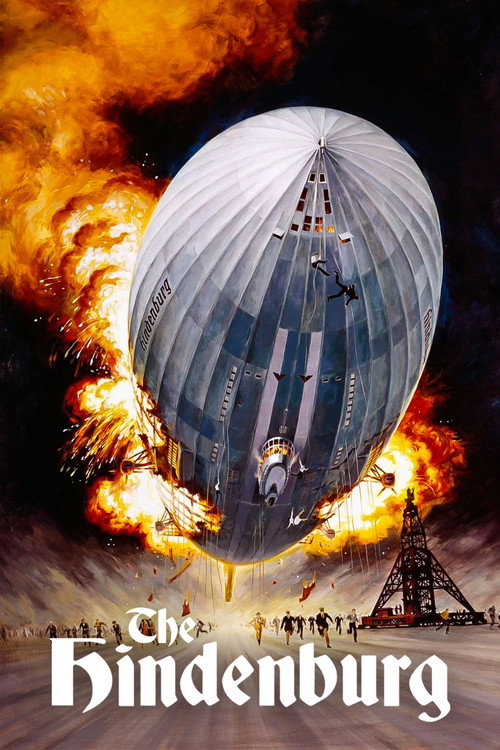
The Hindenburg1975
Disaster film as historical mystery. Who sabotaged the airship? George C. Scott leads an investigation aboard the doomed zeppelin. Gorgeously shot in Panavision with real tension—you know how it ends and it still gets you.
But The sabotage mystery is fairly predictable. Some dramatic scenes feel stagy. It occasionally sacrifices momentum for period detail.
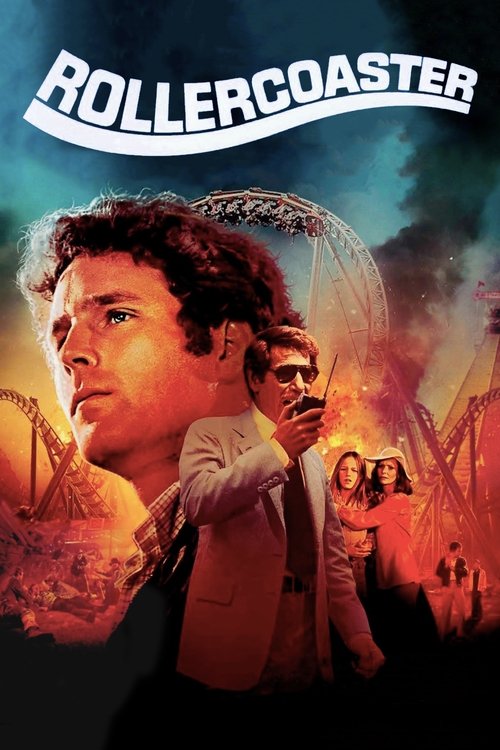
Rollercoaster1977
George Segal hunts a theme-park terrorist across America's carnival rides. It's Airport's logic applied to amusement parks—infrastructure under threat, lives depending on safety systems. Tense and surprisingly thoughtful about public vulnerability.
But It's more procedural than thrilling. The terrorist's motivations are thin. Some sequences feel like they're just showing off the roller coaster footage.
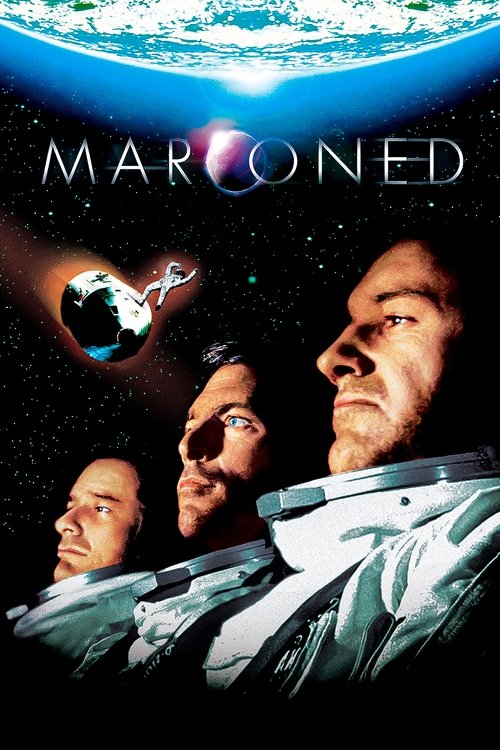
Marooned1969
A space capsule malfunctions and three astronauts are stranded in orbit. It's Airport in zero gravity—crisis management, competing interests, real-time problem-solving with lives at stake. Gregory Peck leads a team through bureaucratic nightmare and technical desperation.
But It's glacially paced and heavily dependent on technical exposition. Dialogue-heavy scenes can feel static. The special effects, while ambitious, occasionally strain credibility.
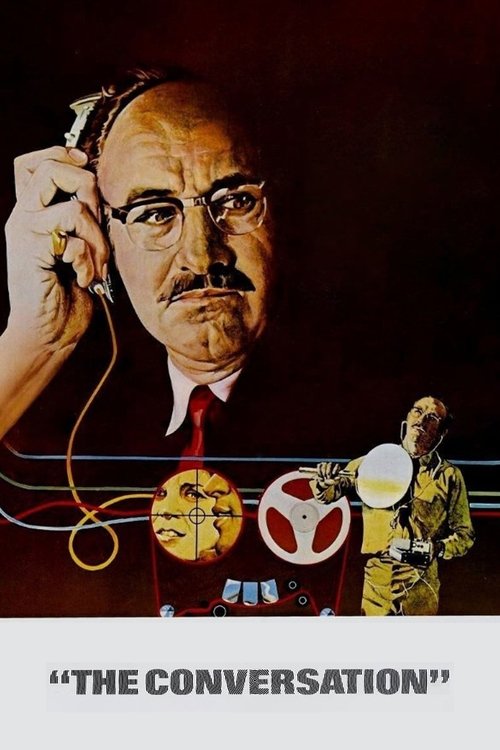
The Conversation1974
Both examine how specialized professionals navigate moral responsibility when systems they depend on may enable tragedy. Same tension between doing your job and preventing harm.
Surveillance expert Gene Hackman becomes convinced his wiretapping work will lead to murder. Airport is about preventing disaster through coordination; this is about preventing it through isolation and guilt. Paranoia as a kind of airport disaster—systems breaking under scrutiny, information as catastrophe.
But It's deeply interior and sometimes frustratingly slow. Coppola builds dread through implication and ambiguity rather than action. Plotting can feel opaque on first viewing.
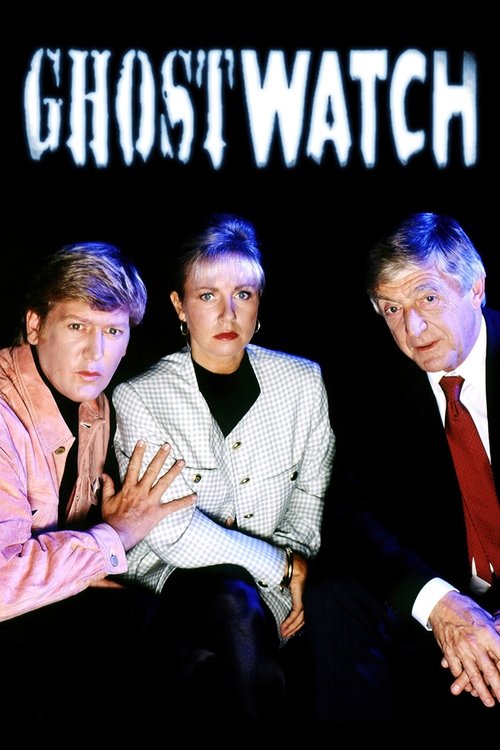
Ghostwatch1992
Both use real-time parallel editing, multiple perspectives, and institutional protocol as dramatic structure. Both find horror or tension in systems breaking down, but Ghostwatch weaponizes the format itself—the medium becomes the terror.
British TV movie structured as a live paranormal investigation broadcast. It uses the real-time procedural format of Airport—multiple cameras, multiple perspectives, systems under pressure, increasing dread as something invisible moves through infrastructure. When it aired, people believed it was real. Brilliant, unsettling, genuinely innovative.
But Shot as found-footage/live TV. Some viewers find the format tedious or gimmicky. It's deeply British in register and won't land the same way if that's unfamiliar.
People
Cast
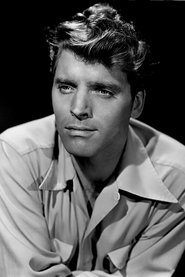 Burt LancasterMel Bakersfeld
 Dana WynterCindy Bakersfeld
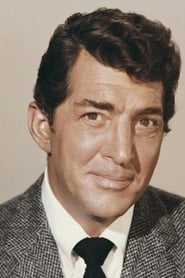 Dean MartinVernon Demerest
 Barbara HaleSarah Demerest
 Jean SebergTanya Livingston
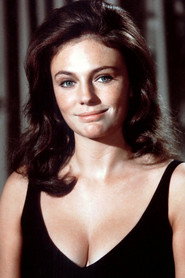 Jacqueline BissetGwen Meighen
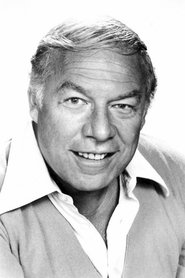 George KennedyJoe Patroni
- Jodean LawrenceMarie Patroni
 Helen HayesAda Quonsett
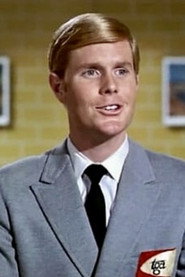 John FindlaterPeter Coakley
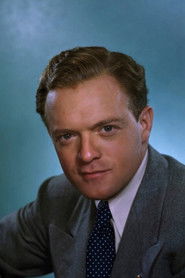 Van HeflinD. O. Guerrero
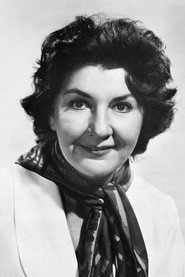 Maureen StapletonInez Guerrero
Directing
- Donald RobertsAssistant Director
- George SeatonDirector
- Betty A. GriffinScript Supervisor
Writing
- Arthur HaileyNovel
- George SeatonScreenplay
Production
- Jacques MapesAssociate Producer
- Ross HunterProducer
- Raymond GosnellUnit Production Manager
Recommended by
Zero Hour!, Grand Hotel, The Poseidon Adventure, The High and the Mighty, The Cassandra Crossing, The Last Voyage, Skyjacked, Krakatoa, East of Java, Oceans of Fire, The Crowded Sky, The Concorde... Airport '79, The Burning Train, The Night My Number Came Up, Airport 1975, The V.I.P.s, The Crash of Flight 401, Airline, Flood!