
Film
Airport 1975
A 747 loses its pilots mid-flight, and a stewardess must land it while her ex-test-pilot boyfriend talks her down from the ground. Pure '70s disaster cinema: earnest, mechanical, stuffed with character actors playing recognizable types. It's about competence under pressure and the small heroisms of ordinary people. Comfort viewing for those who love the genre's particular rhythms.
Should you watch it?
Watch it if you enjoy the old-fashioned disaster picture, where the fun is in a crowded cabin of mismatched strangers and a sincere, slightly melodramatic faith that ordinary people can save the day when the crew cannot.
Skip it if you want the restrained, grounded realism of modern aviation films; this one leans into soap-opera bickering, broad comic passengers and a lot of talky ground-control stretches that can feel padded.
What it asks of you: It settles in for just under two hours and rewards patience, moving between the cockpit-by-radio tension and cabin squabbles, so you need to be happy with a leisurely build before the big set pieces arrive.
Not sure? Find tonight's pick in a minute.
If you liked this
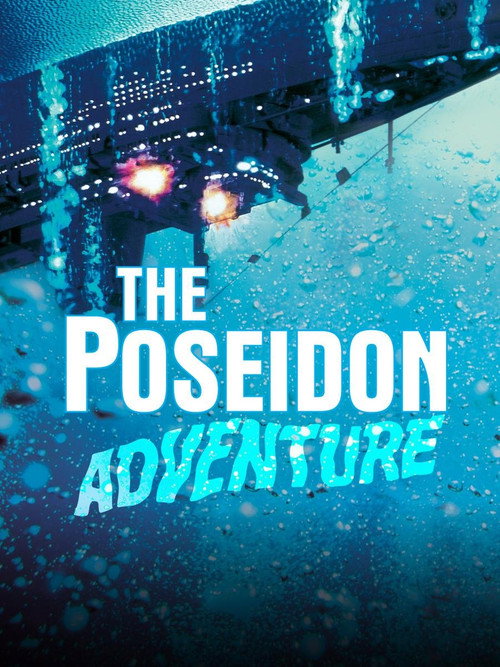
The Poseidon Adventure1972
The disaster film that proved the formula worked. A ship capsizes, and strangers must navigate upside-down corridors to survive. It has the same mix of technical problem-solving and ensemble drama that makes Airport 1975 tick.
But It's slow by modern standards, and some of the acting feels theatrical. The dated special effects might pull you out rather than draw you in.
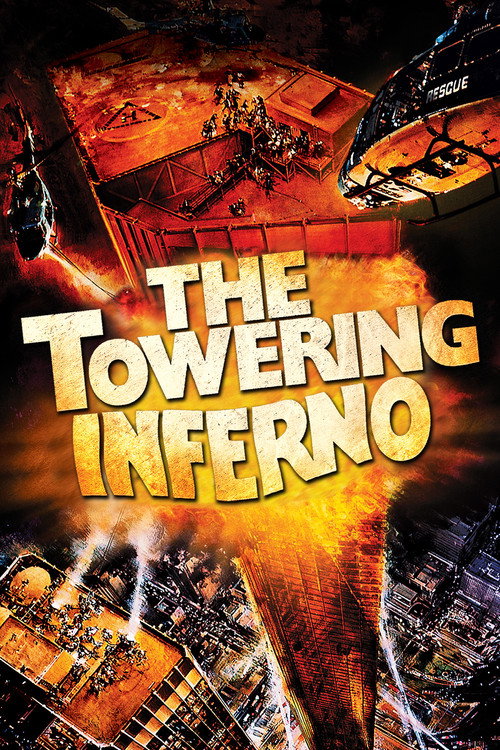
The Towering Inferno1974
A skyscraper fire traps people at the top. Like Airport 1975, it's about systems failing and ordinary people solving extraordinary problems through competence and nerve. Paul Newman and Steve McQueen elevate every scene.
But Two and forty minutes is a commitment. The romantic subplot doesn't hold up well, and some dialogue feels padded.
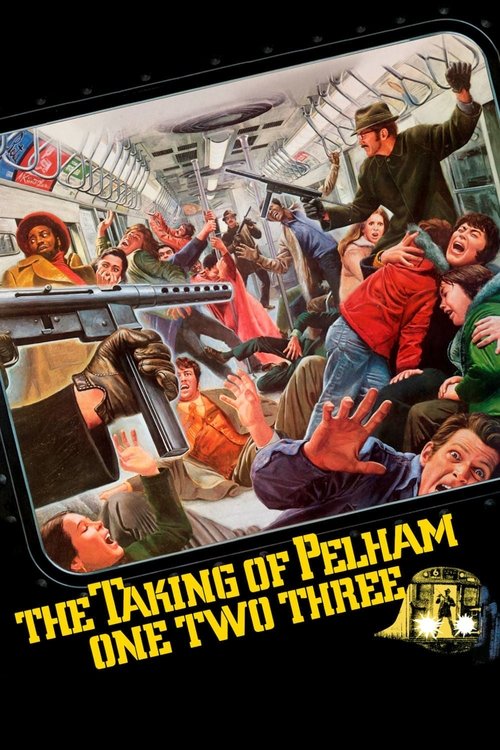
The Taking of Pelham One Two Three1974
A subway train is hijacked, and a transit authority official must negotiate with the criminals. Same era, same tension built from procedure and communication. Walter Matthau is brilliant as the weary bureaucrat holding everything together.
But It's relentlessly cynical about institutions and people. If you want heroism rather than exhaustion, look elsewhere.
Not sure tonight? Get a pick in a minute, starting from Airport 1975
The wildcard
Something you would not have found on your own.
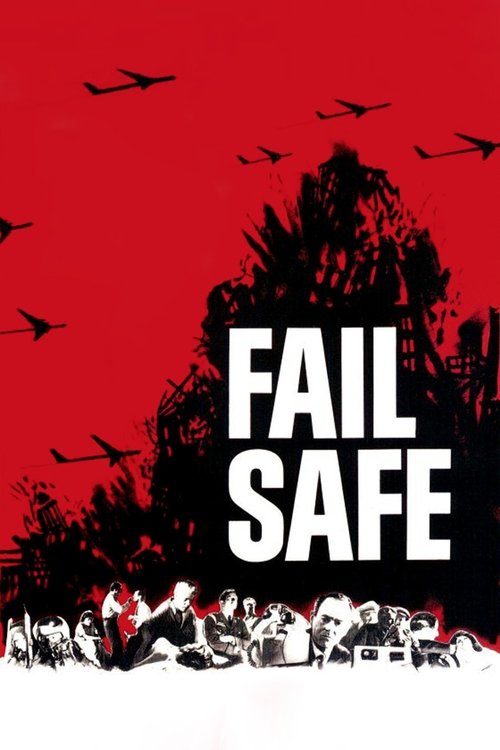
Fail Safe1964
Both films build drama from procedure, communication, and people trying to solve impossible problems through competence and nerve. Both trust the audience to find tension in technical detail rather than action or melodrama.
A nuclear-armed bomber plane heads toward Moscow, and a general must prevent apocalypse through calm communication and chain-of-command protocol. It has Airport 1975's core DNA—systems, procedure, men talking people through crisis—but transplanted into existential stakes. Shot in austere black and white, played absolutely straight.
But It's deeply pessimistic and offers no cathartic release. The ending is bleak, and there's no heroic triumph, only damage control. Some find it glacial; others find it transcendent.
More like this (8)
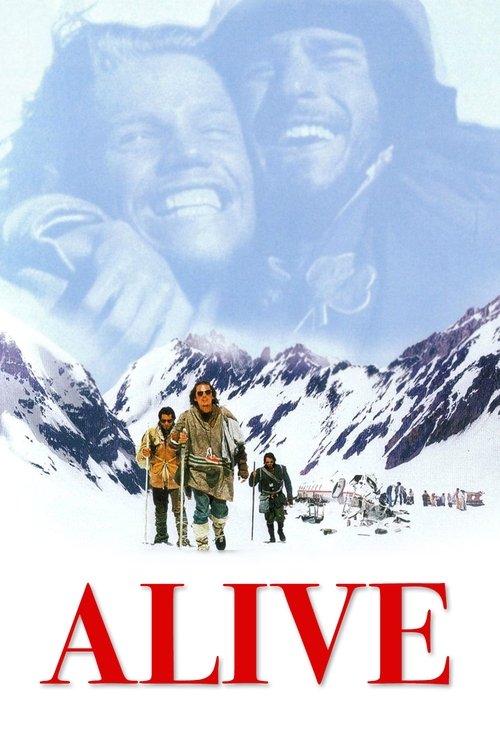
Alive1993
A plane crashes in the Andes, and survivors must decide whether to stay put or attempt a desperate trek. It captures that same focused drama of people refusing to give up, with real urgency underneath.
But It's more brutal and less comfortable than Airport 1975. The survival aspects are genuinely grim, not just procedurally tense.
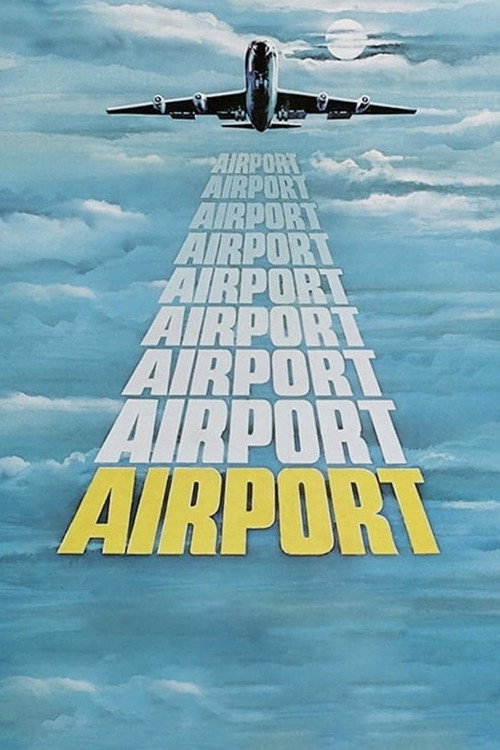
Airport1970
The original disaster film, which spawned the whole template. Burt Lancaster as an airport manager handles multiple crises in one night. It's where all the earnestness and ensemble casting came from.
But At nearly two and a half hours, it moves at a stately pace. Some subplots feel genuinely tedious even for fans of the genre.
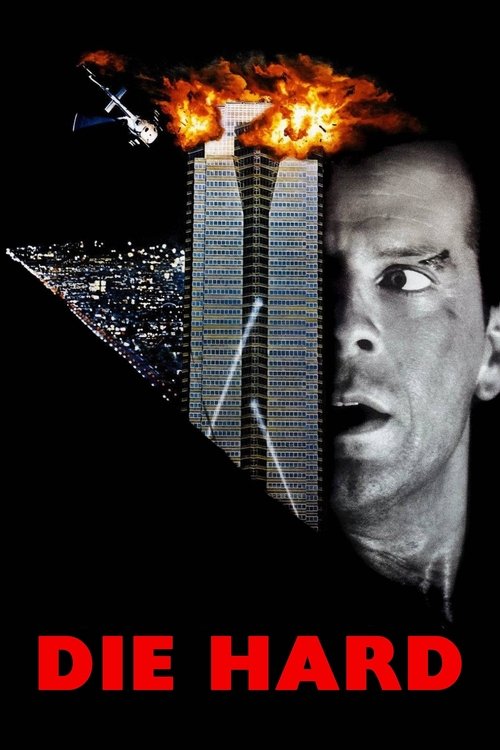
Die Hard1988
A man trapped in a building must outwit criminals and stay alive. It rewrote the disaster formula for the '80s: tighter, funnier, more cynical. But it has that same skeleton of a capable person solving problems under pressure.
But It's a very different tone—action-comedy rather than earnest drama. If you love the procedural patience of Airport 1975, this moves too fast.
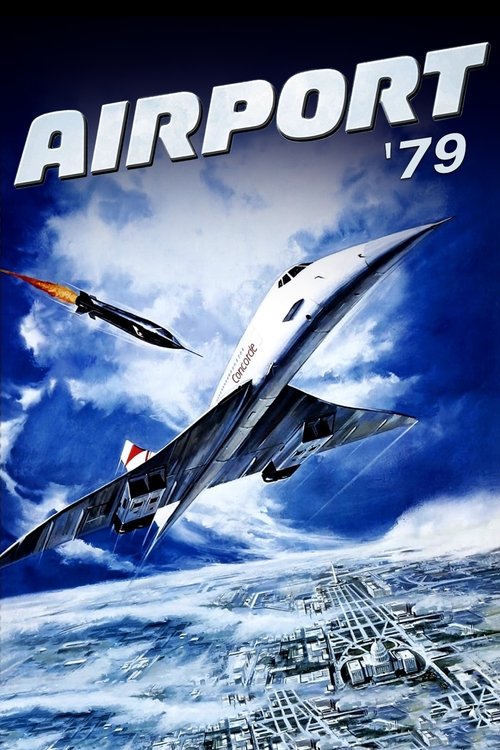
The Concorde... Airport '791979
The third in the Airport series. A Concorde is sabotaged mid-flight. It's pure '70s excess: ridiculous plots, an enormous cast, spectacular crashes. If you loved Airport 1975, this is comfort food.
But It's genuinely silly. The sabotage plot is convoluted nonsense, and the action often undercuts the tension rather than building it.
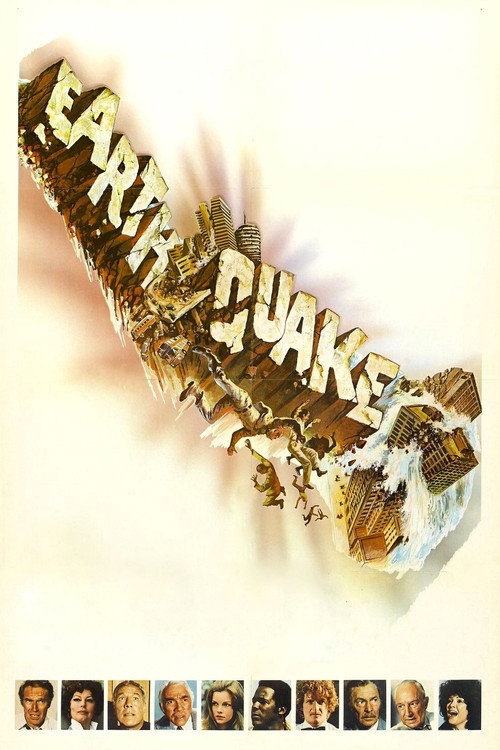
Earthquake1974
Los Angeles is hit by a massive quake, and strangers must survive the chaos. Charlton Heston again, but in a broader ensemble. It has the same blue-collar heroism and technical detail as the Airport films.
But The special effects are shaky even by '70s standards. Some of the characterization is clumsy, and the pacing sags in the middle.
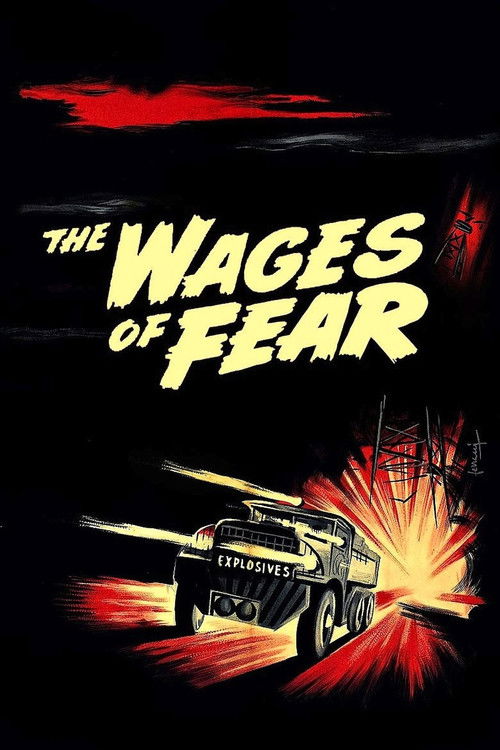
The Wages of Fear1953
Men drive trucks loaded with nitroglycerin through dangerous terrain, building unbearable tension from a simple premise. It's the ancestor of all procedural thrillers about competence and nerve under pressure.
But It's slow, French, and entirely unglamorous. There's no heroic music or triumph—just grim, incremental survival. And it's in black and white.
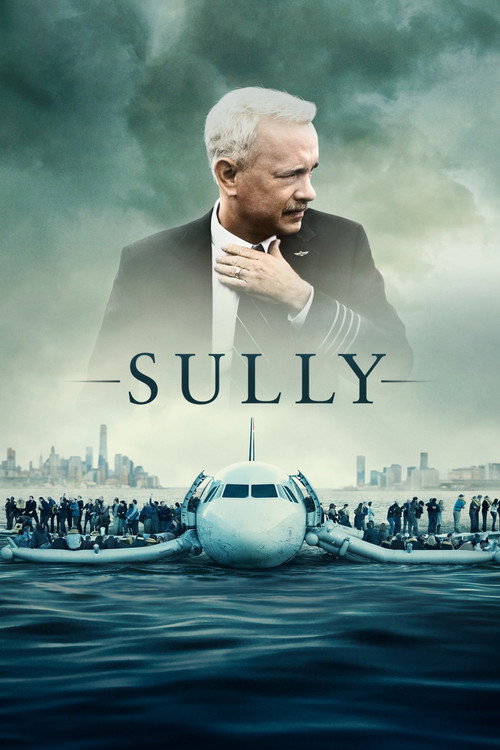
Sully2016
Same core scenario—captain, plane, landing—but stripped to its essence. Where Airport 1975 luxuriates in ensemble subplot and ground-control drama, Sully trusts that the event itself is enough. Both films believe competence is noble.
An airline captain lands a damaged plane on the Hudson River. It's only ninety minutes, and it plays Airport 1975's structure in miniature: a single crisis, solved through skill and calm. Clint Eastwood directs with spare clarity, letting the event speak for itself.
But It's very short and very calm. If you want spectacle or extended peril, you'll find it thin. Some viewers find it too understated to be gripping.
The Odds2010
Both explore how ordinary people behave when systems fail and decisions carry life-or-death weight. Both trust viewers to find drama in moral choice and consequence, not just in action.
A limited series about people making impossible decisions under pressure, told across multiple timelines. It shares Airport 1975's DNA of ensemble characters, high stakes, and the particular drama of people trying to think their way out of catastrophe.
But It's intricate and demands attention. The structure is complex, and if you want straightforward procedural clarity, the narrative layering will frustrate you.

People
Cast
 Charlton HestonAlan Murdock
 Karen BlackNancy Pryor
 George KennedyJoe Patroni
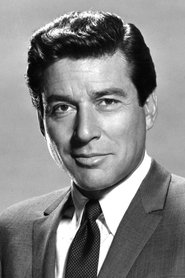 Efrem Zimbalist Jr.Captain Stacy
 Susan ClarkHelen Patroni
 Helen ReddySister Ruth
 Linda BlairJanice Abbott
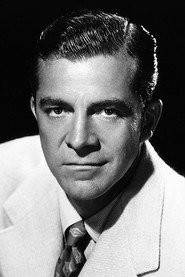 Dana AndrewsScott Freeman
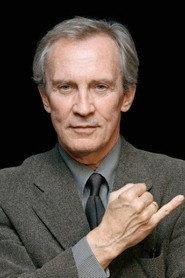 Roy ThinnesUrias
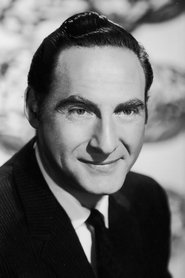 Sid CaesarBarney
 Myrna LoyMrs. Devaney
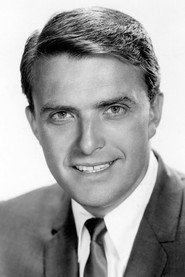 Ed NelsonMajor John Alexander
Directing
- Jack SmightDirector
- Alan Crosland, Jr.First Assistant Director
- Betty A. GriffinScript Supervisor
- Wayne A. FarlowSecond Assistant Director
- James W. GavinSecond Unit Director
Writing
- Arthur HaileyNovel
- Don IngallsWriter
Production
- Donn McElwaineCasting
- Robert J. LaSankaCasting
- William BatlinerCasting
- Jennings LangExecutive Producer
- William FryeProducer
- Ben BishopUnit Production Manager
- Lloyd AndersonUnit Production Manager