
Film
The Odds
Two Vegas cops live as recklessly as the criminals they chase, chasing highs on and off the clock. It's a grimy, character-driven crime drama that trades plot momentum for the messy psychology of people in uniform who've forgotten where the line is. For viewers who want their procedurals morally complicated and their cops genuinely flawed.
If you liked this
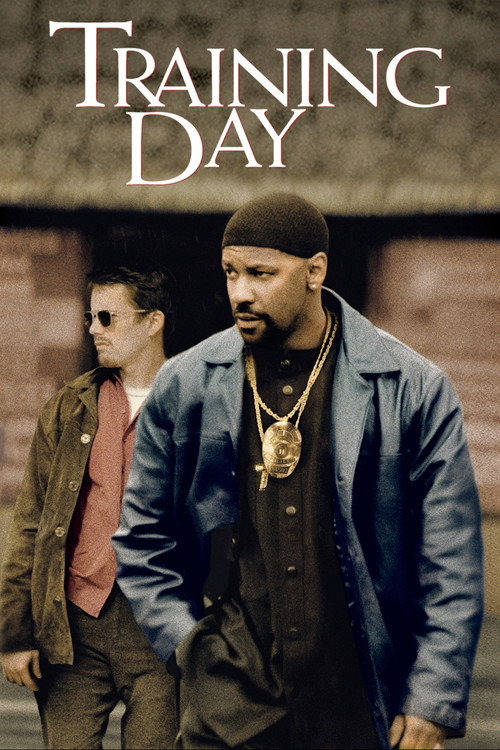
Training Day2001
Denzel Washington and Ethan Hawke's corruption thriller captures exactly this dynamic: the seduction of crossing lines, the mentorship that becomes complicity, the adrenaline that justifies everything.
But It's didactic about morality in places, and the finale feels like it answers questions the film spent two hours making genuinely ambiguous.
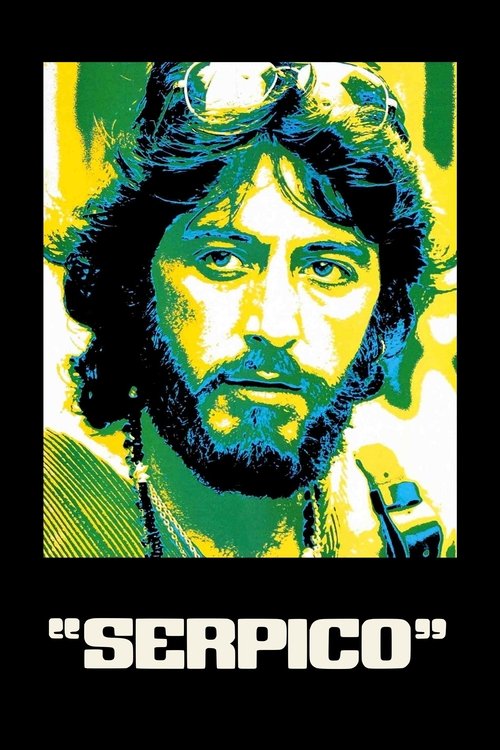
Serpico1973
A cop fighting the system from inside it, watched by everyone he works with. That isolation and the constant moral calculus—do I report this, do I stay silent, what does loyalty mean—is The Odds' DNA.
But It's longer than it needs to be and leans on 70s procedural pacing, which means stretches where nothing much happens.
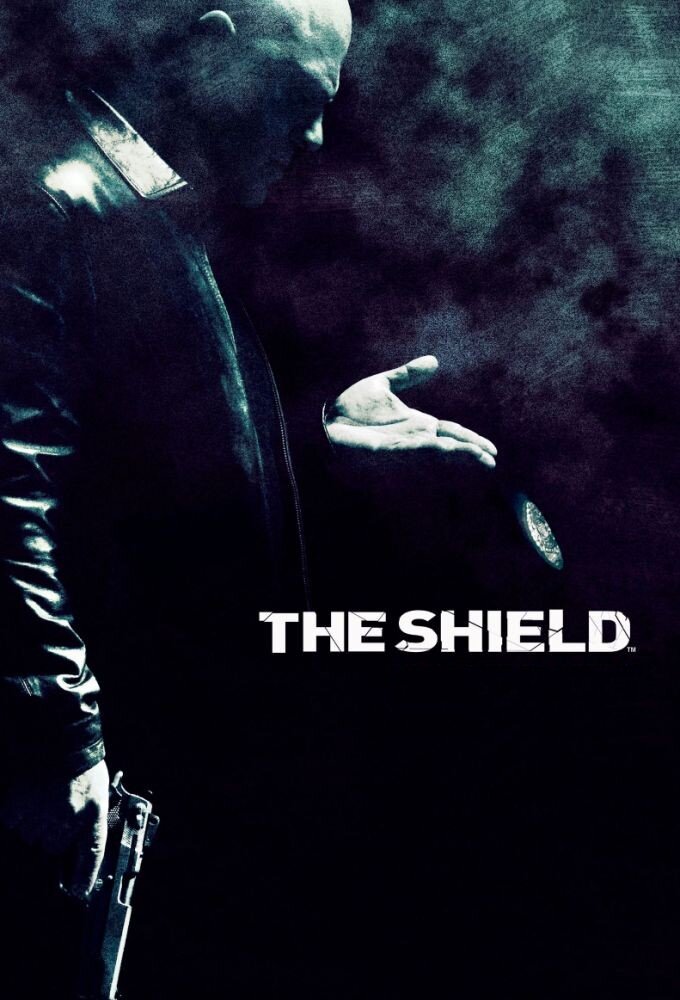
The Shield2002
Dirty cops in a precinct learning to survive each other. It has the exact same energy: camaraderie built on shared secrets, the department as family, everyone knowing too much about everyone else.
But Seven seasons is a commitment, and the show doesn't know when to quit—the final stretch gets repetitive and self-serious.
Not sure tonight? Get a pick in a minute, starting from The Odds
The wildcard
Something you would not have found on your own.
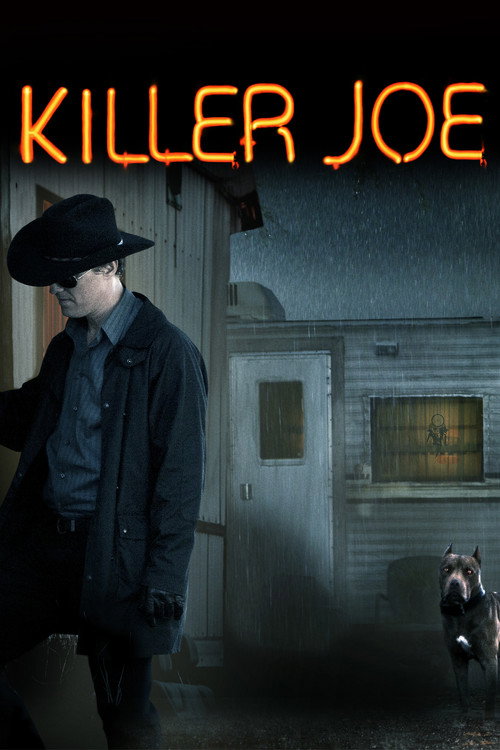
Killer Joe2012
Both examine cops or cops-adjacent men as predators in systems where everyone's in on the game. Same year, same unflinching look at how institutions corrupt the people inside them.
A Texas family hires a detective as a hitman. Friedkin's savage, funny exploration of desperation and the casual violence of ordinary people when the stakes get real. Same moral wasteland, much darker comedy.
But Deliberately ugly and transgressive. Friedkin's not interested in making you comfortable or even sympathetic to anyone—it's brutal by design.
More like this (8)
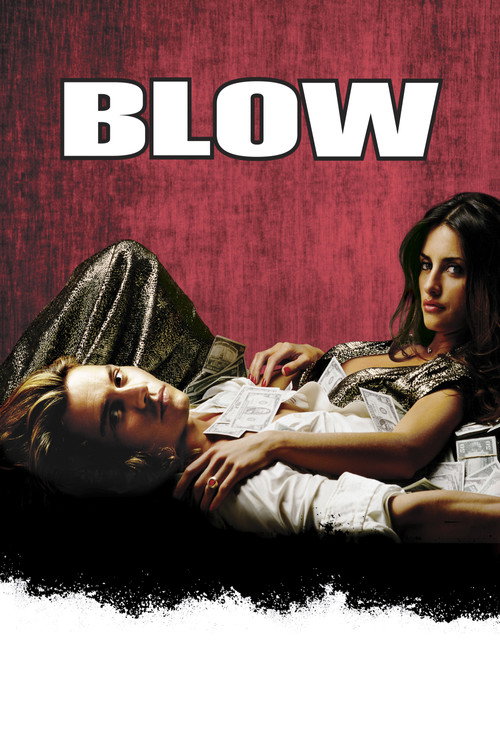
Blow2001
Two men caught in a world that rewards excess and punishes restraint. It's about the slow corruption of someone who doesn't think of themselves as corrupt, which is what makes it devastate.
But Scorsese did this better, and Blow knows it. It can feel like a second-tier version of a better film.
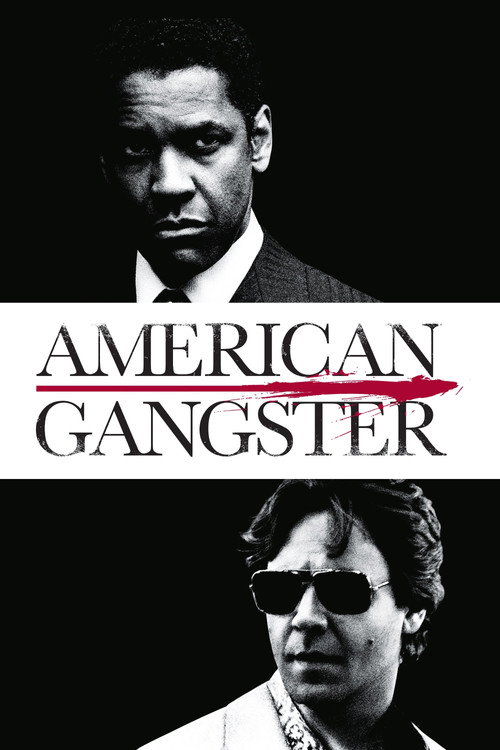
American Gangster2007
Two men on different sides of the law, both smart, both playing the game their environments demand. Ridley Scott's interested in how crime and law enforcement corrupt each other equally.
But Three hours long and sags in the middle; the screenplay doesn't match the ambition or the director's control.
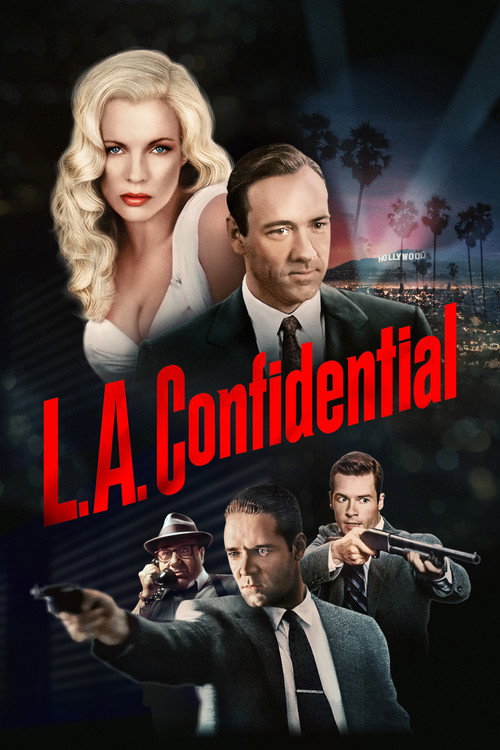
L.A. Confidential1997
Cops and criminals bleeding into each other in a rigged system. It has a moral architecture The Odds lacks, but the same conviction that everyone's compromised, just differently.
But It's a procedural that answers its own questions too neatly. The mystery matters less than the mood.
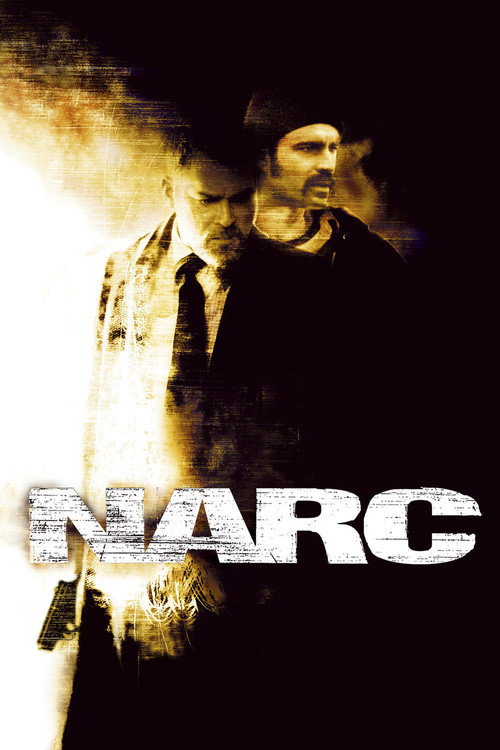
Narc2002
An undercover cop and a narcotics detective investigating a murder. Brutal, visceral, focused on the specific exhaustion of living outside the law while enforcing it.
But Relentlessly grim and willing to hurt its characters without earning the damage. Some viewers find it punishing rather than illuminating.
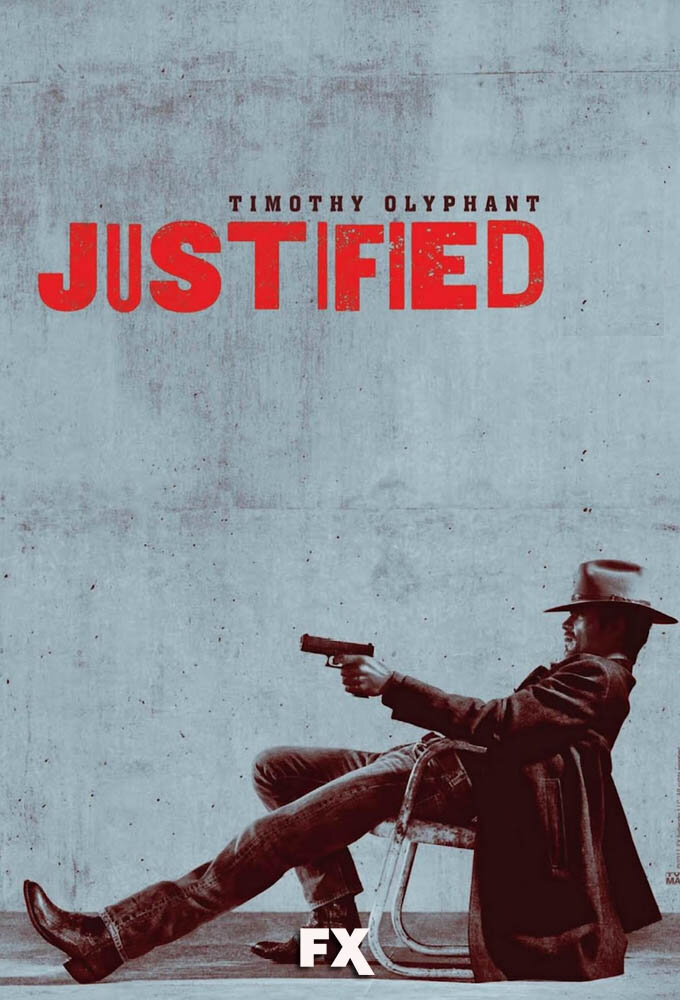
Justified2010
A marshal operating by his own code in a corrupt system. Each season mines the tension between the law as written and the law as lived by people smart enough to know better.
But Takes six seasons to find its rhythm; early episodes feel procedural and slight before the show discovers what it's really about.
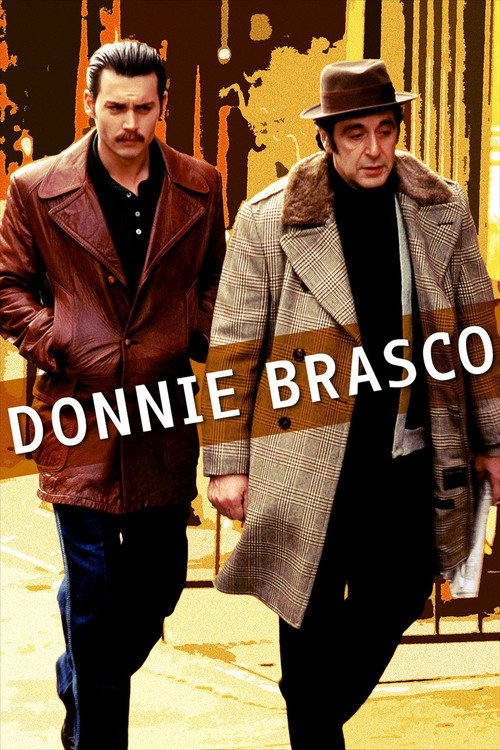
Donnie Brasco1997
An FBI agent living a double life, losing track of which side he's on. It's patient and quiet about the specific loneliness of being nobody, trusted by everyone, loyal to nothing.
But It's small and internal; nothing explodes or clarifies. For some viewers, it's too slow to justify its modest ambitions.
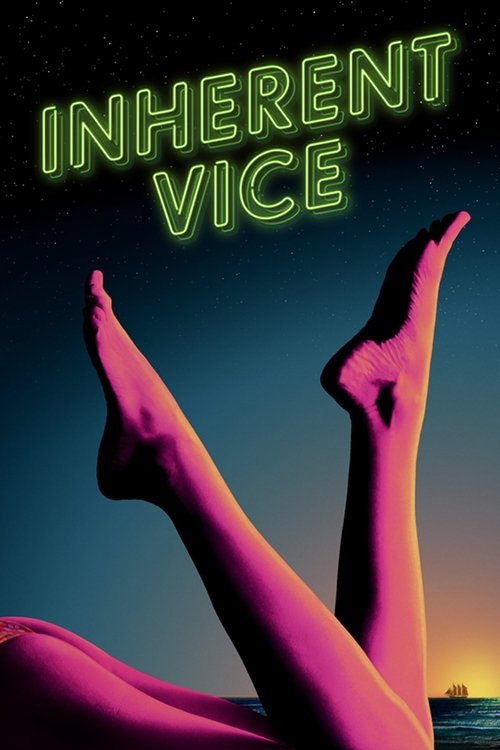
Inherent Vice2014
Both are crime stories where the genre is a container for character study. The plot is less important than watching smart people navigate systems designed to confuse them.
A private detective in 70s LA solving a case that doesn't want solving. Paul Thomas Anderson's stoned-baroque style hides a crime story about complicity, surveillance, and how systems swallow individuals whole.
But It's deliberately chaotic and resists plot clarity. Viewers wanting narrative momentum or answers will find it maddening and self-indulgent.
The Ballad of Little Jo1993
Both explore identity fracture in the context of systems—law and frontier—that force people into impossible compromises. The cost isn't dramatic, it's quotidian. Both are genuinely interested in the small lie that becomes a life.
A woman passing as a man in 1880s Wyoming, surviving in a brutal landscape by performing a lie. Reichardt's spare Western is about the daily cost of deception and the person you become when everyone believes a fabrication.
But Slow, formal, and offers no catharsis. Some viewers find it too austere; others feel it's more interested in mood than meaning.

People
Cast
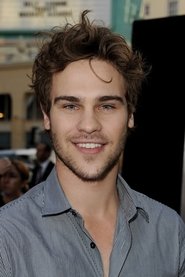 Grey DamonZach
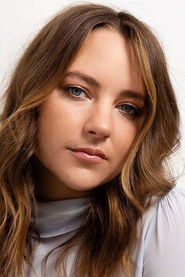 Haley RammMolly Cooper
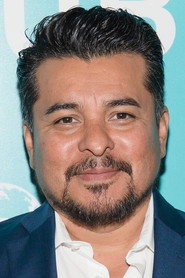 Jacob VargasSergio Vargas
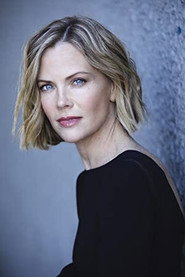 Sarah Jane MorrisJenny LaSalley
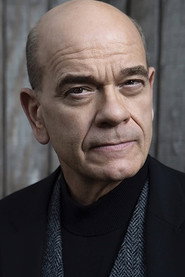 Robert PicardoDale Kakowski
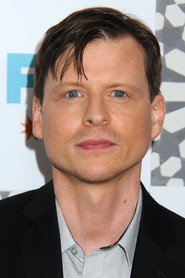 Kevin RankinHolt McCready
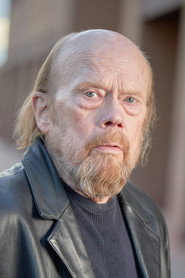 Christopher HagenVirgil
Writing
- Jeff WadlowWriter
Production
- Margery SimkinCasting
- Jeff WadlowExecutive Producer
- Beau BaumanProducer
- Oliver LinsleyProducer
- Paul KurtaProducer