
Film
Zero Hour!
A 1957 disaster thriller where an ex-fighter pilot must land a poisoned commercial airliner through thick fog. It's tense, unglamorous Cold War-era filmmaking—propulsive rather than elegant, building dread through competence and small failures. For anyone who loves procedural tension and the specific textures of 1950s aviation drama.
Should you watch it?
Watch it if you enjoy lean, tightly wound suspense where a flawed man must steady himself under pressure, and a brisk 81-minute runtime suits your evening.
Skip it if you want a slow build with room for character quirks, since this one keeps pushing forward and treats its cast of passengers more as a pressure gauge than as people.
What it asks of you: Little time and steady attention: it runs about an hour and twenty minutes and rarely pauses, so you settle in and let its momentum carry you.
Not sure? Find tonight's pick in a minute.
If you liked this
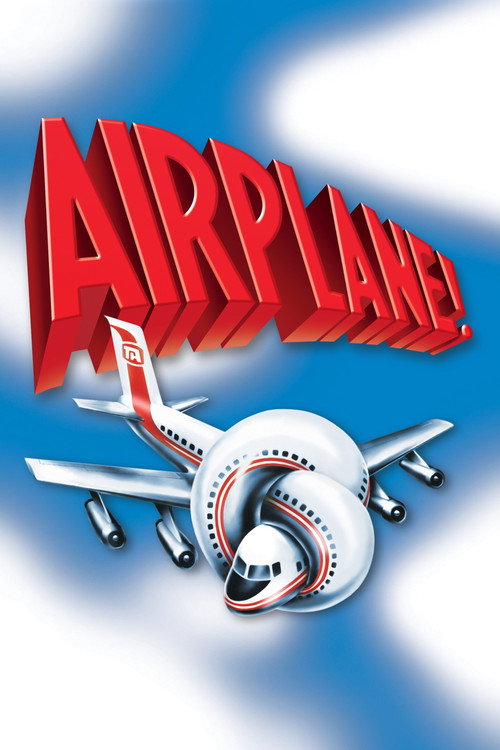
Airplane!1980
The Zucker brothers' parody that accidentally became the template for all disaster comedies. Relentless, affectionate ribbing of the 1950s-70s aviation thriller, including explicit references to Zero Hour! itself. You'll spot the DNA.
But Comedy from this era can feel dated fast. The gag density means some land and others absolutely die in front of you.
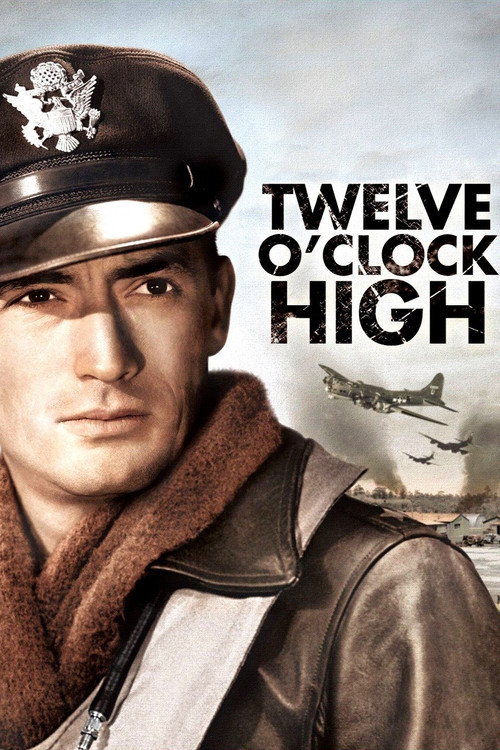
Twelve O'Clock High1949
Gregory Peck as a bomber commander wrestling with command, duty, and the men under him. The same focus on procedure and competence under extreme pressure, but military rather than civilian. Grittier and more psychologically complex.
But It's a war film first, which means it can feel ceremonial in ways modern audiences find slow. The melodrama builds carefully rather than explosively.
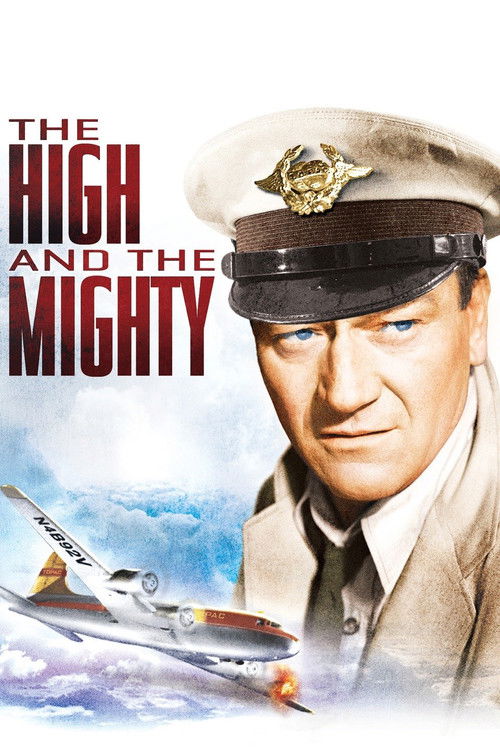
The High and the Mighty1954
John Wayne in the plane-in-trouble movie that established the template Zero Hour! would borrow from. Ensemble cast, multiple crises layering together, the specific focus on keeping passengers and crew alive through systems and will.
But It's 2 hours 20, and padding shows. Some subplots exist purely because the film has time to burn, and you'll feel it.
Not sure tonight? Get a pick in a minute, starting from Zero Hour!
The wildcard
Something you would not have found on your own.
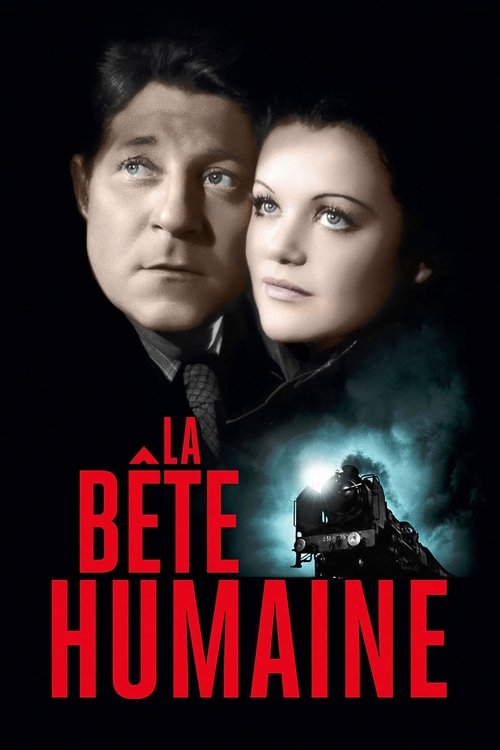
La Bête Humaine1938
Both films believe that mechanical systems reveal character under pressure. Both trust the space—train, plane—as a character itself. Both find tragedy in the collision of routine competence and fate.
Renoir's masterpiece set on a train, where machinery, fate, and human passion collide. Structurally echoes Zero Hour!—small space, escalating pressure, inevitable catastrophe—but as naturalist tragedy instead of thriller. The engineering details matter as much as the emotions.
But It's French cinema from 1938, which means different pacing, subtitles, and no comfort. The fatalism can feel distant rather than tense.
More like this (8)
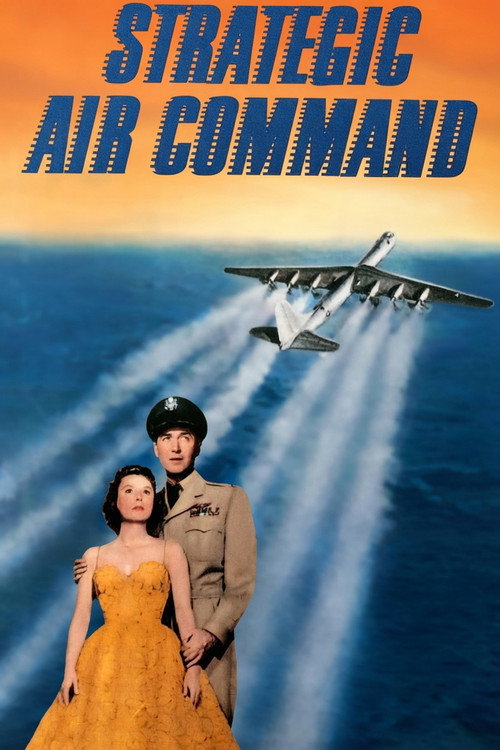
Strategic Air Command1955
James Stewart as a pilot called back to military duty, torn between civilian life and duty. Stunning aerial photography and a thoughtful take on competence, obligation, and sacrifice. Less frantic than Zero Hour! but cuts deeper.
But Doesn't have a high-stakes plot engine—it's more about internal conflict. If you need propulsion, this will feel meditative to the point of stillness.
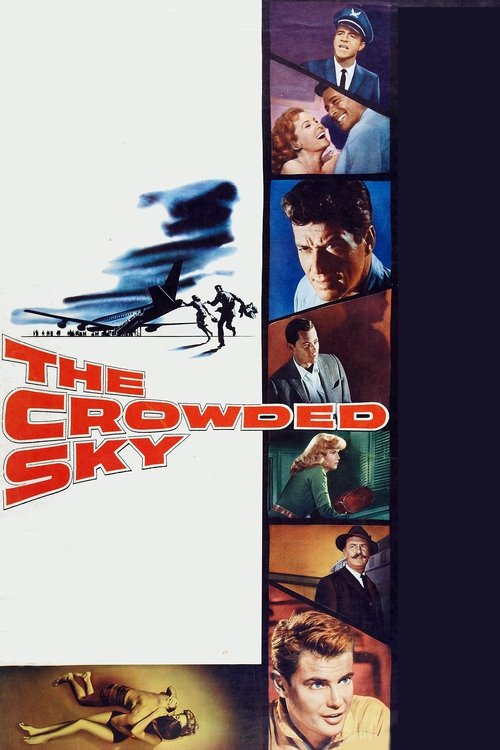
The Crowded Sky1960
Multiple aircraft on collision course, multiple crews trying to prevent disaster. Genuine procedural tension and a strong ensemble. More sophisticated than Zero Hour! but shares its DNA and its belief in the power of competence under pressure.
But By 1960 the formula was getting tired. It feels like a good variation on a familiar theme rather than a discovery.
The Poseidon Adventure1972
The disaster film that proved the formula could still work when executed with conviction. Gene Hackman, Ernest Borgnine, real consequences. It borrowed heavily from Zero Hour!'s structure but applied it to the upside-down ship premise.
But It's camp in ways it doesn't intend—the 1970s production values and melodrama have aged differently than the 1950s austerity.
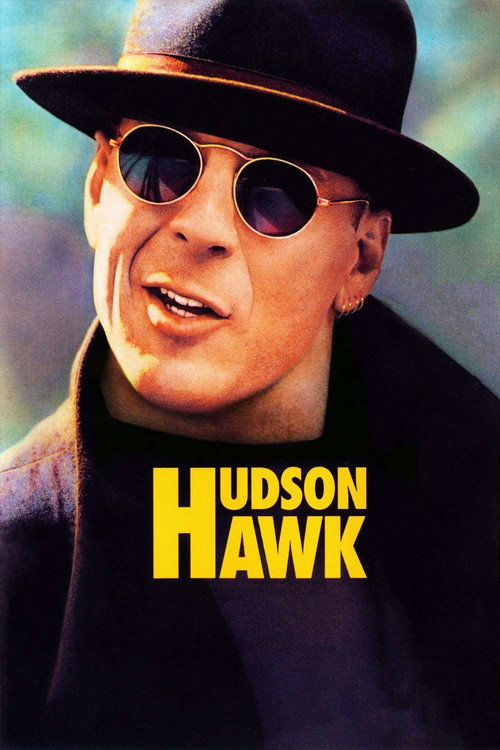
Hudson Hawk1991
Bruce Willis in a deliberately trashy, joyful action-heist film that knows exactly what kind of movie it is. If you want the opposite register from Zero Hour!'s seriousness—same era obsession, zero solemnity.
But It's deliberately silly in a way that will annoy anyone who wants craft. Some find it charming chaos; others find it exhausting.
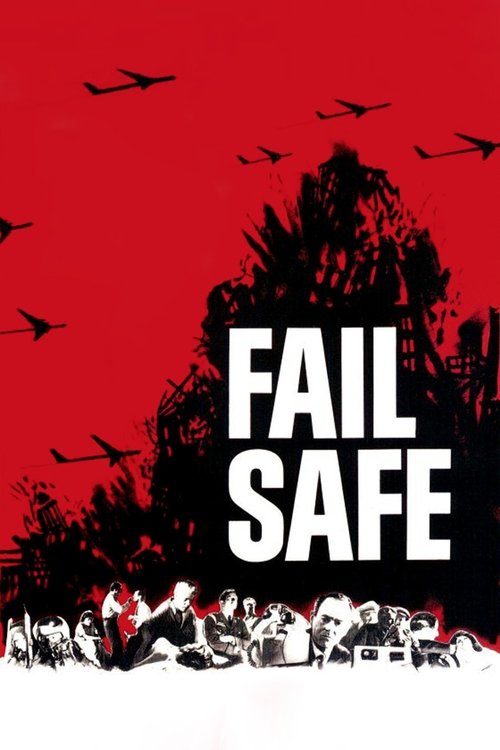
Fail Safe1964
Sidney Lumet's cold-war nightmare about systems failure and nuclear catastrophe. The same procedural tension as Zero Hour! but the stakes are apocalyptic. Absolutely gripping, achingly human, and genuinely disturbing.
But It's bleak. Genuinely bleak. There's no Hollywood reassurance, and the ending will sit with you in ways that might not feel good.
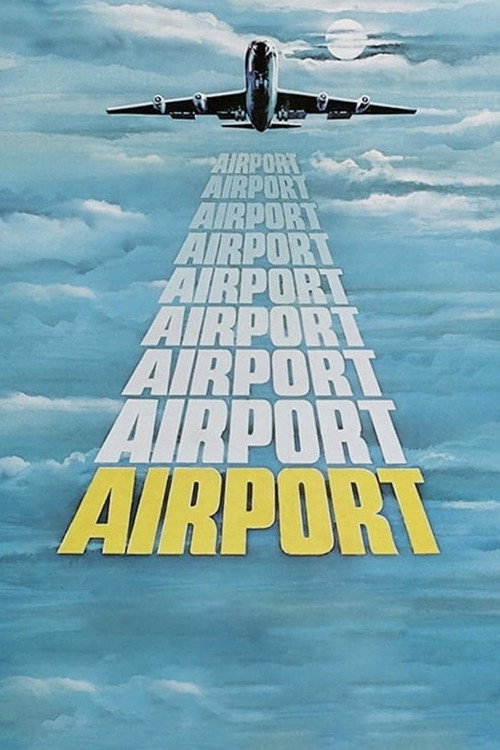
Airport1970
Burt Lancaster, Dean Martin, in the film that made the disaster-film a genuine genre. The Zero Hour! template expanded to feature a full airport as setting. It's bloated but earnest, and the ensemble work is solid.
But It's long, overstuffed, and split between multiple storylines. The urgency Zero Hour! maintains gets diluted across too many character arcs.
Tokyo Story1953
Both were made in the same era by filmmakers who believed in showing competence through restraint. Both films contain catastrophe not in explosion but in the quiet recognition that some things cannot be fixed. The fog in Zero Hour! and the silence in Tokyo Story do the same work.
Ozu's masterpiece about an elderly couple visiting their son in Tokyo. Feels nothing like Zero Hour! on the surface: quiet, domestic, gentle. But structurally it's identical—accumulation of small pressures, the inevitability of loss, the way routine contains heartbreak. The control is absolute.
But Patience is the price of entry. If you need plot, you will be frustrated. Ozu asks you to sit still and watch people fail to say what matters.

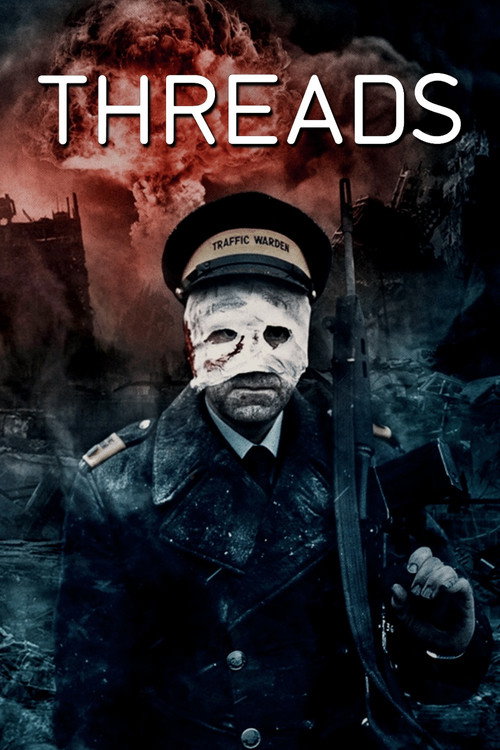
Threads1984
Both films trust procedure and small human actions to carry the weight. Both believe that showing the mechanical details—how things fail, how people respond—is more powerful than melodrama. Zero Hour! says 'competence saves us'; Threads asks 'what if it doesn't?'.
A British nuclear-war documentary that descends into nightmare. It uses the procedural method of Zero Hour!—showing systems, showing protocols, showing the competent people trying to manage chaos—but to ask if competence matters when the scenario is apocalypse. Terrifying and necessary.
But It's bleak to the point of despair, and it looks deliberately cheap and grainy. It's a document of extinction, not entertainment. Many will find it unwatchable.
People
Cast
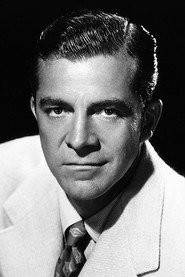 Dana AndrewsLt. Ted Stryker
 Linda DarnellEllen Stryker
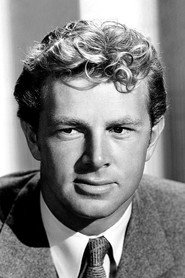 Sterling HaydenCaptain Martin Treleaven
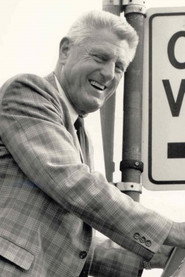 Elroy 'Crazylegs' HirschCapt. Bill Wilson
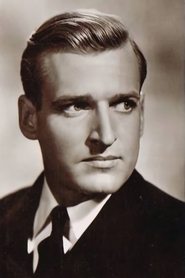 Geoffrey TooneDr. Baird
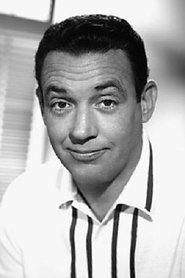 Jerry ParisTony Decker
 Peggy KingStewardess Janet Turner
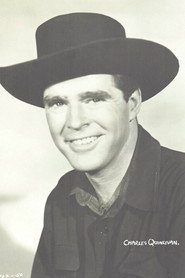 Charles QuinlivanHarry Burdick
 Patricia TiernanMrs. Joan Wilson
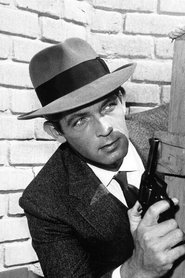 Steve LondonFirst Officer Walt Stewart
- Jo Ann WadeTreleaven's Baby Sitter
- Ray FerrellJoey Stryker
Directing
- Hall BartlettDirector
- Joan EreminScript Supervisor
Writing
- Arthur HaileyScreenplay
- Hall BartlettScreenplay
- John C. ChampionScreenplay
- Arthur HaileyStory
Production
- John C. ChampionProducer
- Lee LukatherProduction Manager