
Film
The Burning Train
A catastrophic disaster film where a newly commissioned high-speed train catches fire during its inaugural journey, trapping hundreds of passengers. Rajesh Khanna plays the engineer whose dreams built the machine; now he must save the very people his creation endangers. It's sweeping, earnest Hindi cinema at maximum scale—spectacle married to melodrama, with real stakes and real crowds.
Should you watch it?
Watch it if you like big-canvas, melodramatic 1980s Hindi commercial cinema, where a multi-character ensemble, romance, family sorrow and set-piece action are stitched together with unashamed sincerity.
Skip it if you find slow-building family melodrama and sprawling star ensembles tiresome, since the film takes its time with domestic scenes before the machinery of the thriller properly engages.
What it asks of you: At 152 minutes, it spends a long stretch on domestic setup and sentiment before tightening into a thriller as the journey approaches.
Not sure? Find tonight's pick in a minute.
If you liked this
The Poseidon Adventure1972
The blueprint for disaster cinema: a luxury liner capsizes, and strangers must navigate upside-down corridors toward survival. It has the same formula—disaster as moral crucible, ensemble cast, mounting dread—but perfected.
But Slower paced than modern action films, and the rear-projection effects show their age. The melodrama is heavy-handed by today's standards.
Airport1970
Another seventies disaster classic about a plane in crisis, but grounded in procedure and human conflict. It shares that era's faith in spectacle as emotional experience, not just visual thrills.
But Genuinely leisurely. The first act is basically boardroom meetings and marital tension. Patience required.
Earthquake1974
Los Angeles fractures during an earthquake; ordinary people survive or perish based on character and luck. The same scale of catastrophe, the same belief that disaster reveals who we really are.
But The science is nonsense and the split-screen gimmick feels dated. Some of the acting is broad even for the era.
Not sure tonight? Get a pick in a minute, starting from The Burning Train
The wildcard
Something you would not have found on your own.
Ek Duuje Ke Liye1981
Both are Hindi cinema of the same era, both believe in spectacle as a vehicle for genuine human feeling rather than distraction from it. Both ask audiences to sit with intensity rather than cut away.
A deaf-blind woman and a hearing-speaking man fall in love across an unbridgeable divide. It has that same earnest, full-hearted melodrama, the same conviction that emotion can move mountains, and the same willingness to sustain a single feeling for two hours.
But The romance is unironic and runs very long. Viewers uncomfortable with sentimentality will find it almost unbearable.
More like this (7)
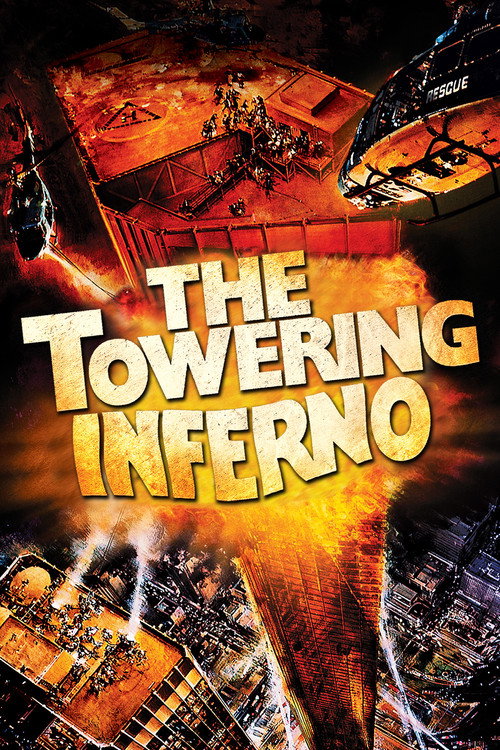
The Towering Inferno1974
A skyscraper fire traps the city's elite and working people together. It has that same sweeping ambition, mixing action with genuine jeopardy and class commentary underneath.
But At nearly three hours, it meanders between spectacle and soap opera. The romantic subplots bog down the survival narrative.
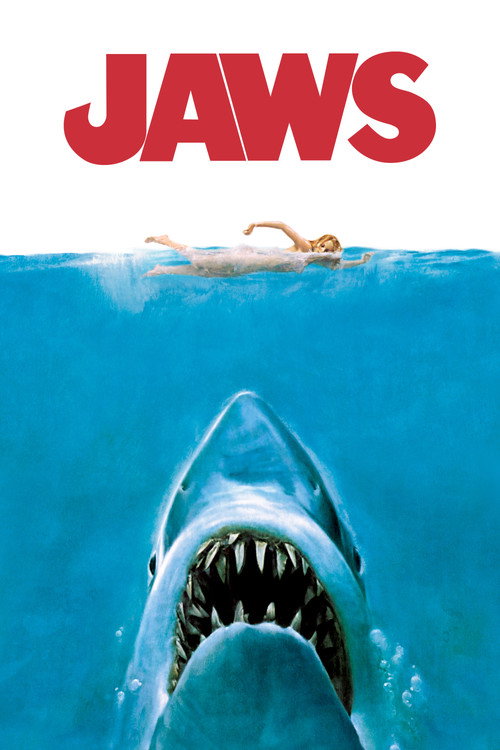
Jaws1975
A community faces an invisible, unstoppable threat that forces ordinary people into extraordinary circumstances. Spielberg's control makes every moment count—a masterclass in building dread.
But Smaller in scale and scope than what you're looking for. The terror is psychological, not visceral and sweeping.
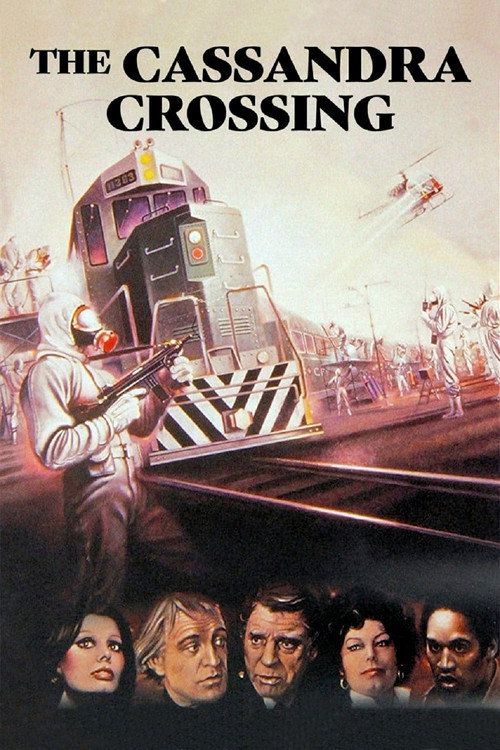
The Cassandra Crossing1976
A plague-infected train hurtles toward collapse while authorities debate whether to sacrifice all aboard. It has the same machinery-gone-wrong anxiety and the same belief in large-scale, earnest drama.
But The plot creaks under its own contrivances. The film is more interested in intrigue than in the actual crisis.
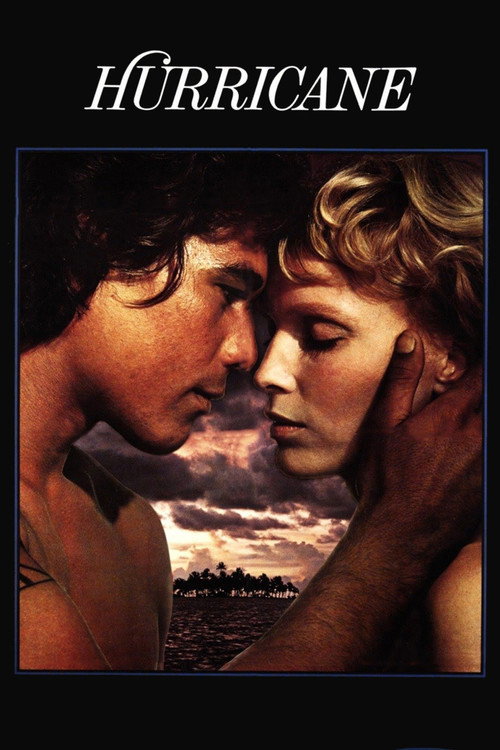
Hurricane1979
A tropical storm threatens an island while personal and political tensions mount. It captures that exact moment when disaster films still believed in romance and spectacle as equal partners.
But The romance subplot overwhelms the disaster narrative. Some find the whole thing overwrought even for the period.
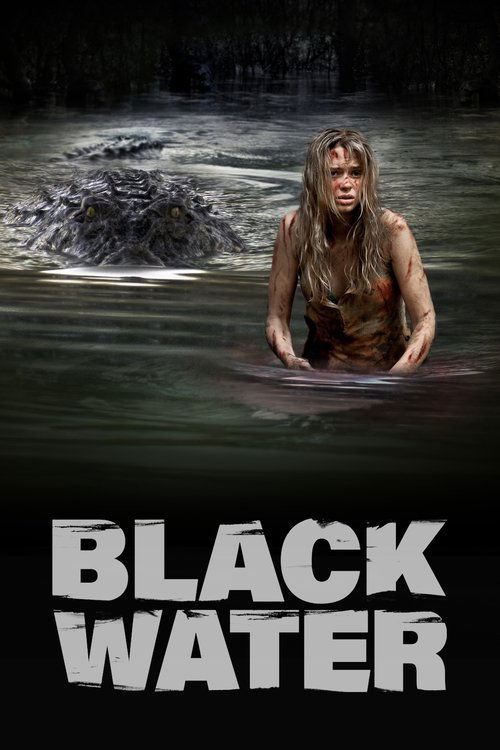
Black Water2008
A crocodile traps three tourists in a mangrove swamp; survival depends on patience and quick thinking. Tense, economical, and genuinely committed to its premise without compromise.
But Low budget, minimal dialogue, and claustrophobic in a way that asks a lot from viewers. Not spectacle—the opposite.
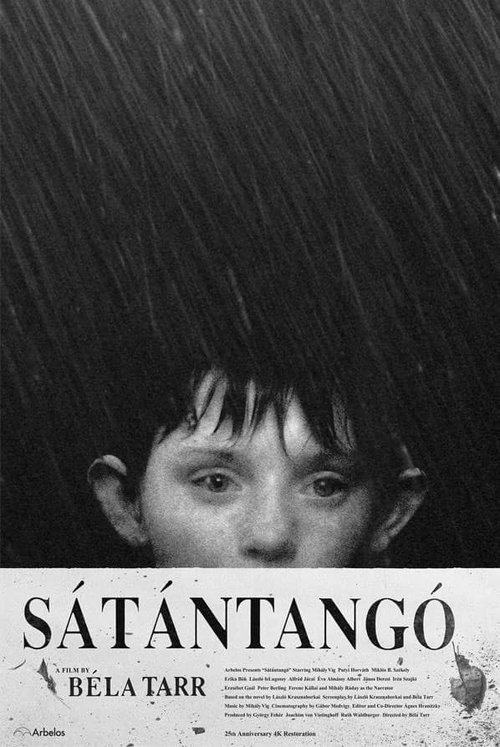
Satantango1994
Both believe in cinema as endurance—that sitting with a story long enough changes you. Both use ensemble casts to ask what we owe each other when systems fail. But where one uses fire and speed, the other uses time and silence.
A mysterious stranger arrives at a collective farm, promising redemption and salvation. It's a seven-and-a-half-hour meditation on hope, corruption, and the machinery of human desire—as committed to its vision as The Burning Train, but operating in the register of slow cinema.
But Deliberately paced, in black and white, primarily static shots. It is testing in every formal way. A viewer seeking action will find only stillness.
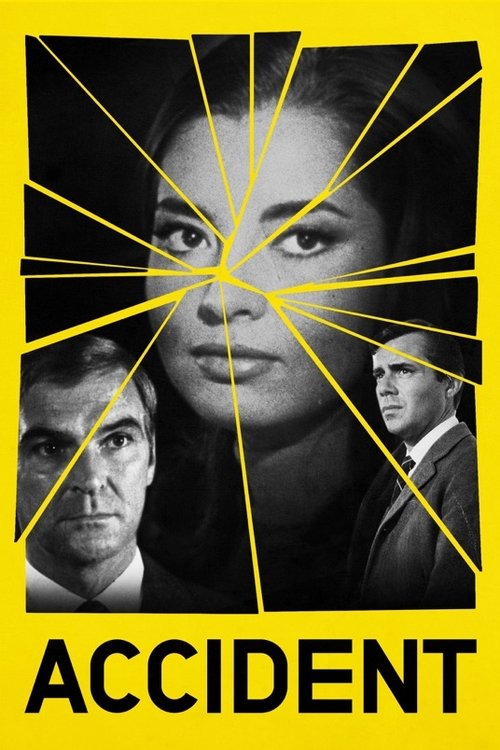
Accident1967
Both use a catastrophic event as the spine of their inquiry into character. But where The Burning Train asks 'what would you do to survive?', Accident asks 'what did you do to cause this, and can you ever know?'
A car crash kills a pregnant woman; a small group of people must reckon with their complicity and guilt in the aftermath. It's about catastrophe as moral mirror, just like The Burning Train, but operating through implication and psychology instead of spectacle.
But Deliberately ambiguous about what actually happened and who bears responsibility. The film refuses the catharsis disaster cinema normally provides.
People
Cast
 DharmendraAshok
 JeetendraRavi
 Hema MaliniSeema
 Parveen BabiSheetal
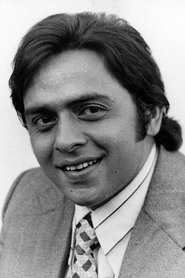 Vinod MehraRakesh
 Danny DenzongpaRandhir
 Neetu SinghMadhu
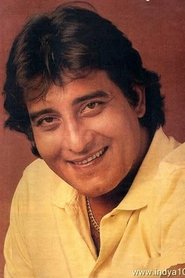 Vinod KhannaVinod
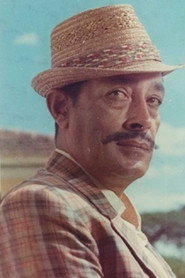 IftekharRailway Board Chairman
 Simi GarewalSchoolteacher
 Navin NischolDoctor
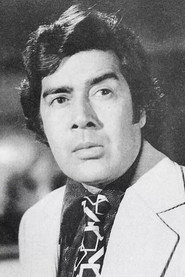 Sujit KumarPolice Inspector Ranbir
Recommended by
Mangal Pandey - The Rising, Border, Khuda Gawah, Charas, Shaheed, Mahaan, The Great Gambler, Chase, Kali Ghata