
Film
The Night My Number Came Up
A 1955 British thriller about an Air Marshal who hears a pilot's prophetic dream of his plane crashing—then watches the dream's predictions come true in real time. It's a tense, clever high-concept film that wrings maximum anxiety from a single trapped scenario. For anyone who loves Hitchcock's approach to suspense or enjoys watching smart people try to logic their way out of doom.
Should you watch it?
Watch it if you enjoy a slow-building premonition story where dread comes from small, ordinary details piling up, like a sceptic being talked around by one coincidence after another.
Skip it if you want fast cutting or modern effects; this talky, mannered British film of its era builds suspense slowly and often through dialogue.
What it asks of you: Settle in for roughly ninety-four minutes of measured pace and long stretches of talk and waiting before tension tightens.
Not sure? Find tonight's pick in a minute.
If you liked this
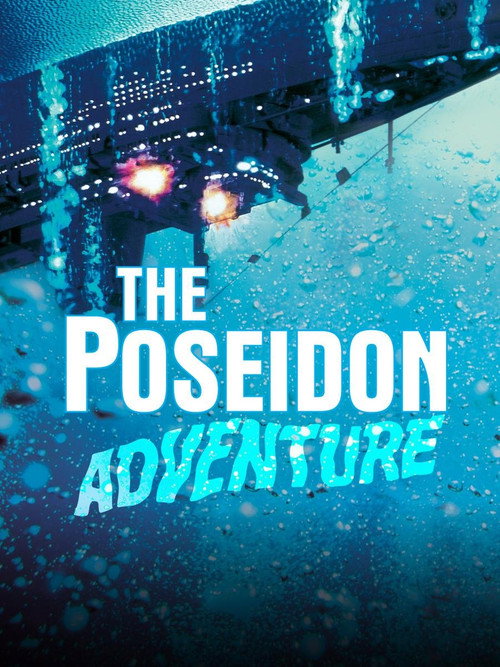
The Poseidon Adventure1972
A disaster film that traps its characters in an impossible situation and forces them to problem-solve their way out. The tension comes from watching ordinary people apply intelligence and will against fate, much like Hardie's doomed flight.
But It's nearly two and a half hours, and some of the dated effects work undermine the stakes. The ensemble cast means less focus on any single character's psychology.
The Flight of the Phoenix1965
Strands a plane crew in the desert with a single, desperate plan to escape. It shares the claustrophobic problem-solving tension and builds credibility through technical detail—the audience learns what might actually work.
But The pacing is methodical rather than propulsive. If you need constant action, the long stretches of planning and argument will feel slow.

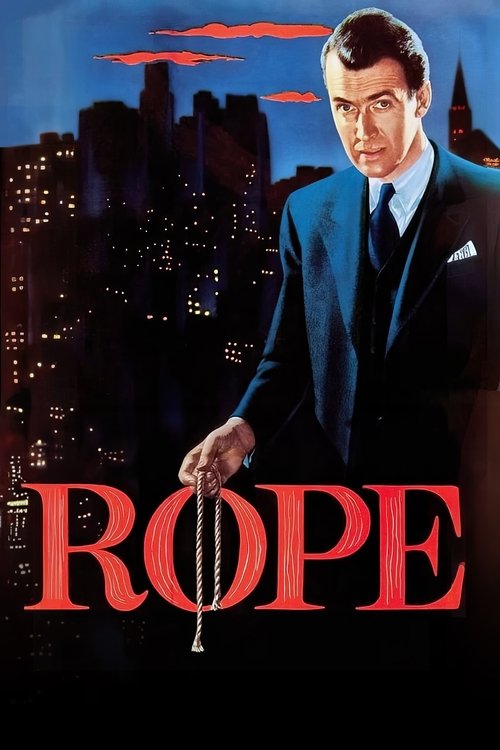
Rope1948
Hitchcock's single-location masterpiece: two men must hide a murder while hosting a dinner party. Like your film, it's a locked-box scenario where mounting dread comes from watching people navigate an impossible truth.
But The real-time structure and fixed camera angles feel theatrical. Some find it stagy rather than cinematic, and the moral stakes are darker than pure suspense.
Not sure tonight? Get a pick in a minute, starting from The Night My Number Came Up
The wildcard
Something you would not have found on your own.
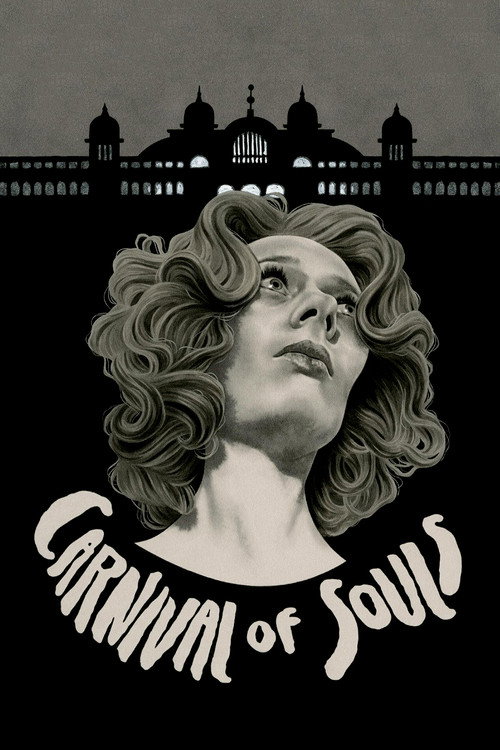
Carnival of Souls1962
Both films are structured around a single protagonist's growing certainty that something impossible is becoming real, and both refuse to fully resolve whether fate, premonition, or psychology is at work. Both trust the audience to sit with ambiguity.
A woman survives a car crash, then begins experiencing strange dissociations and hauntings. Like your film, it's genuinely unsettling about whether what we're seeing is real or internal—but it's shot through with existential dread rather than aviation logistics. Eerie, unshowy, unforgettable.
But It's a low-budget independent film with amateur actors and a deliberate, patient pace. The horror is psychological and cumulative; if you want clear answers and conventional craft, it will frustrate you.
More like this (8)
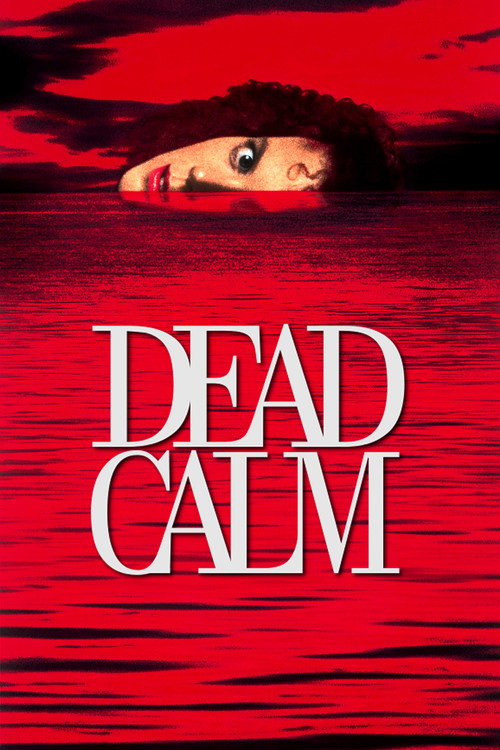
Dead Calm1989
A couple's sailboat is invaded by a mysterious survivor. It's lean, propulsive, and maintains credible tension for 96 minutes by keeping the threat immediate and the escape routes genuinely closed.
But It's a one-idea film stretched to feature length. Once you understand the threat, there's little mystery, just waiting for the inevitable.
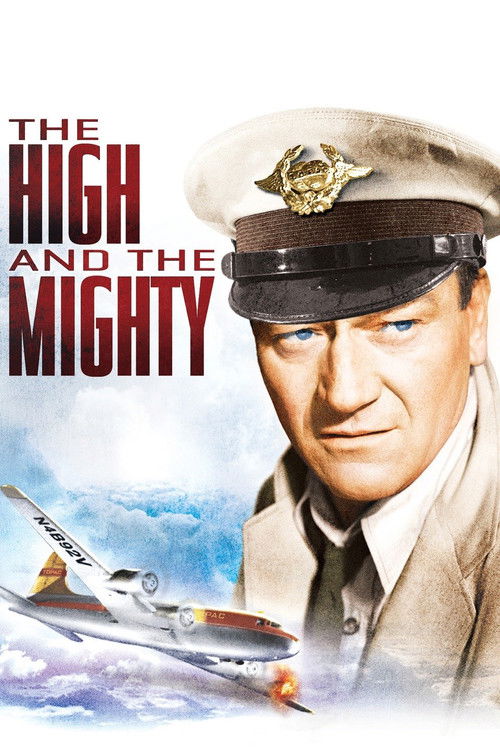
The High and the Mighty1954
A crippled airliner struggles back to port while its captain masks a secret. Shares your film's aviation setting and its interest in how authority and knowledge intersect when disaster looms.
But The ensemble approach diffuses tension across many subplots. It's more melodrama than thriller, and the moral simplicity feels dated.
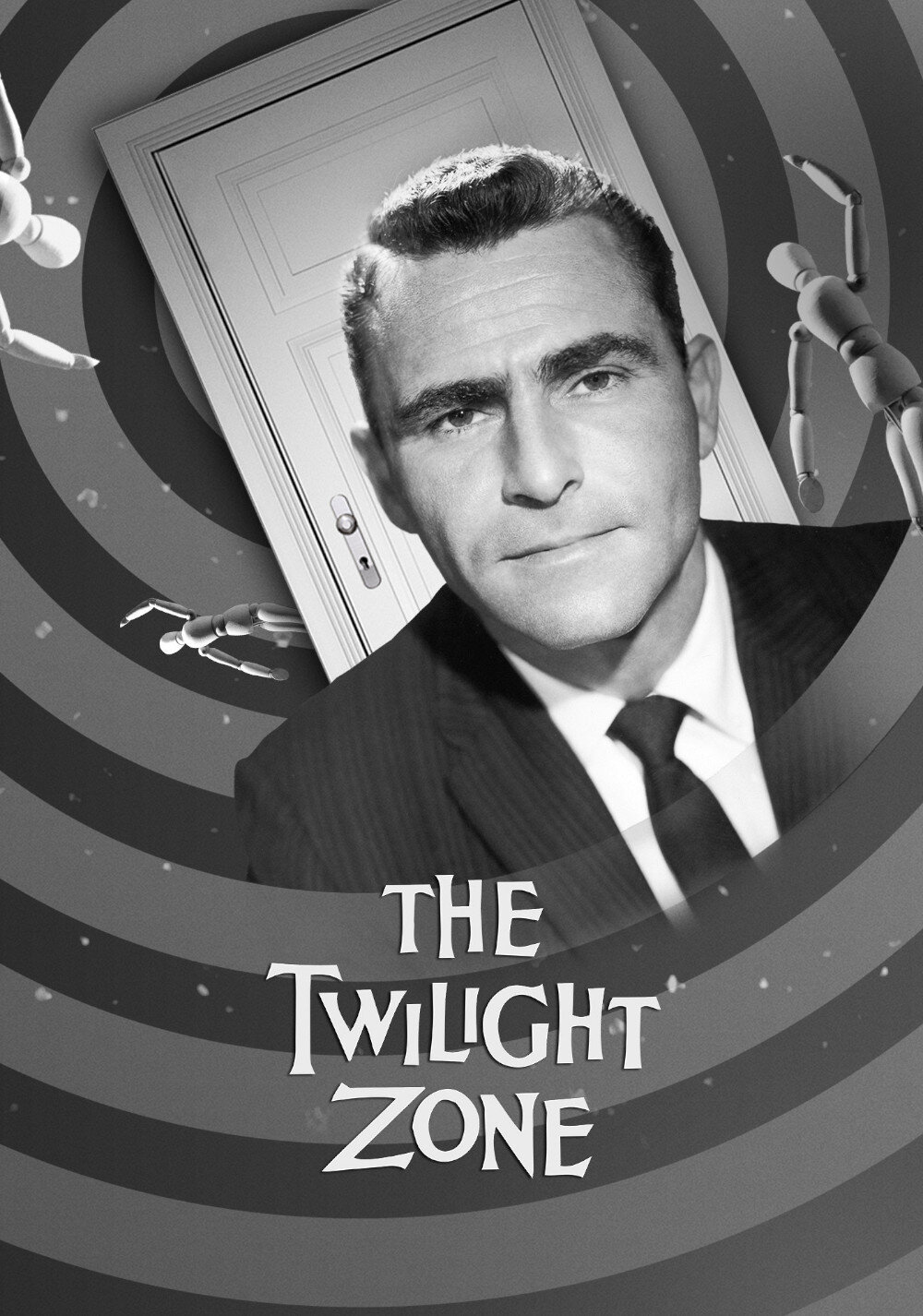
The Twilight Zone1959
A woman dreams of catastrophe; reality shifts to match it. Only 24 minutes, but it's the closest TV equivalent to your film's central conceit, executed with Twilight Zone's cold precision.
But It's a short-form story with a twist ending. If you want sustained tension rather than a philosophical payoff, this will feel too neat and quick.
The Third Man1949
Post-war Vienna, doubt, paranoia, and a mystery where the answers keep receding. The atmosphere and moral uncertainty parallel your film's refusal to explain the dream's mechanism.
But It's slow-burn espionage drama, not a ticking-clock thriller. The zither score is famous and divisive—some find it charming, others distracting.

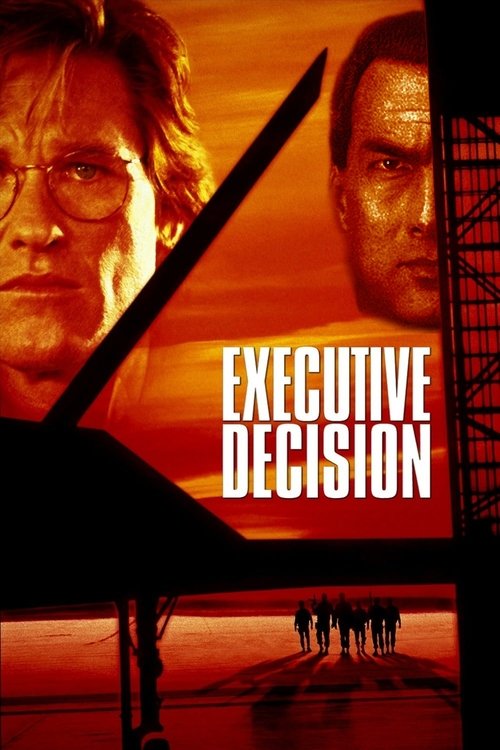
Executive Decision1996
A hijacked airliner with no perfect options. It respects its premise enough to let smart people make credible choices under pressure, and it moves with real pace.
But It's a 1990s action thriller, so the tone is modern and sometimes glib where your film maintains dread. The spectacle occasionally overwhelms plausibility.
Airport1970
The template for all aviation disaster films: multiple intersecting crises, technical detail, and characters forced to function under impossible pressure. A sprawling ensemble drama about how systems hold or fail.
But It's long, packed with subplots, and some of the interpersonal drama feels melodramatic. The focus is diffuse, which mutes psychological intensity.

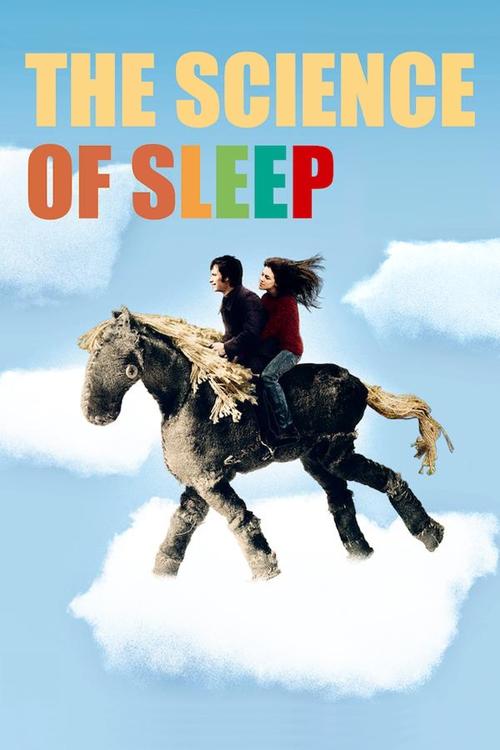
The Science of Sleep2006
Both explore the terror and logic of dreams bleeding into the waking world. Your film asks 'what if a dream predicted disaster?' This asks 'what if a dreamer couldn't wake up?'—the same phenomenon inverted tonally.
A dreamer can't distinguish his dreams from waking life, so reality warps around his subconscious logic. It shares your film's fascination with prophetic dreams made manifest, but it's a whimsical romance rather than a thriller—playful, handmade, tender.
But It's deliberately quirky and low-fi in a way that reads as precious to some. The emotional register is intimate and meandering, the opposite of high-stakes suspense. Pacing is dreamy, not urgent.
Ikiru1952
Both films are built on the premise of a man confronting knowledge of his fate and attempting to change course. Your film asks whether it's possible to outrun destiny; Ikiru asks whether it matters—what matters is what we do with the time we think we have.
Kurosawa's masterpiece about a dying bureaucrat searching for meaning. It seems unrelated until you recognize the structure: a man tries to outrun fate, making different choices to evade a destiny he glimpsed. The emotional impact is devastating and transcendent.
But It's a three-hour Japanese film about an old man's quiet crisis, not a thriller. The payoff is philosophical, not narrative. Patience and empathy are non-negotiable; plot momentum is not the point.

People
Cast
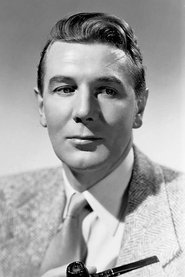 Michael RedgraveAir Marshal Hardie
 Sheila SimMary Campbell
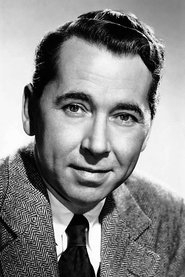 Alexander KnoxOwen Robertson
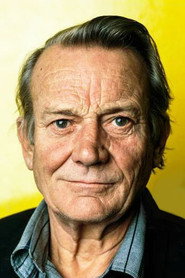 Denholm ElliottFl. Lt. McKenzie
 Ursula JeansMrs Robertson
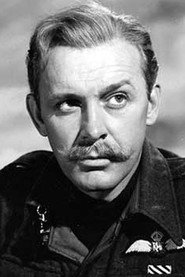 Bill KerrSoldier
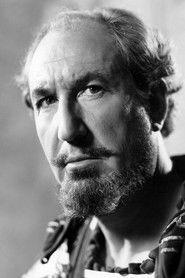 Ralph TrumanWainwright
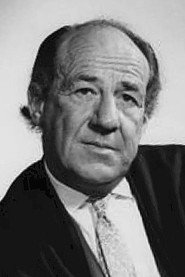 Michael HordernLindsay
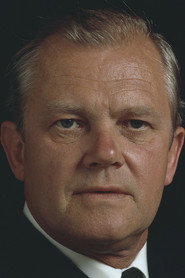 Nigel StockThe Pilot
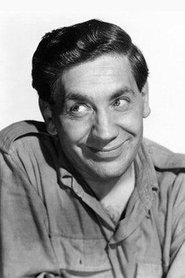 Alfie BassThe Soldier
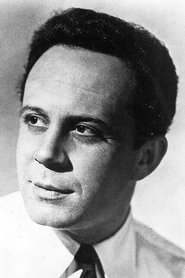 George RoseBennett
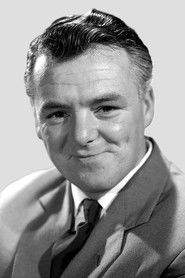 Victor MaddernThe Engineer
Directing
- Tom PevsnerAssistant Director
- Leslie NormanDirector
Writing
- R.C. SherriffScreenplay
- Victor GoddardStory
Production
- Thomas N. MorahanAssociate Producer
- Michael BalconProducer