
Film
The Last Voyage
A disaster thriller where a doomed ocean liner faces catastrophe when explosions tear through the boiler room. Robert Stack and Dorothy Malone anchor the human desperation—a husband fighting to free his wife from wreckage while the ship fills with water and the captain refuses to abandon ship. Tense, claustrophobic, built on practical effects and genuine peril.
Should you watch it?
Watch it if you like a tightly boxed disaster story where the clock and the water rise together, and you want the human stakes sharpened by one man's frantic private errand inside a larger catastrophe.
Skip it if the peril is handled in brisk, workmanlike 1960s studio style, so if you need modern spectacle or a fresh take on sinking-ship tropes, it may feel stiff.
What it asks of you: Ninety-one minutes, mostly held in the claustrophobic corridors of a listing ship, with little breathing room between crises and a rhythm that rarely lets up.
Not sure? Find tonight's pick in a minute.
If you liked this
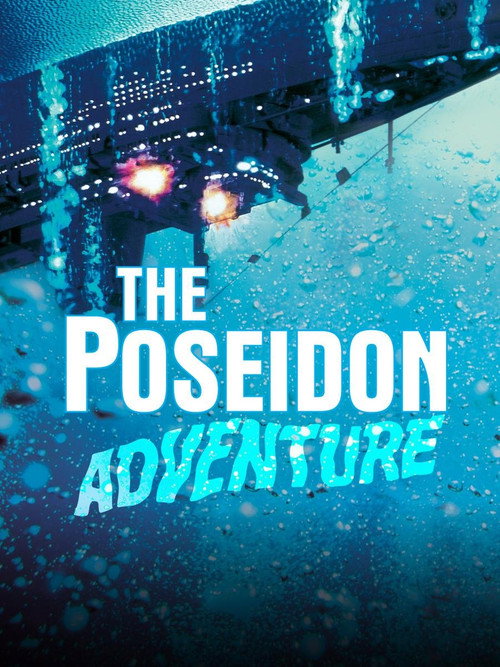
The Poseidon Adventure1972
The template for disaster cinema: a luxury ship capsizes, and an ensemble fights upward through flooding corridors. Spectacular action, real stakes, and enough personality in the cast to make you care who survives.
But By modern standards the pacing sags in the middle, and some of the romance subplots feel obligatory rather than urgent.
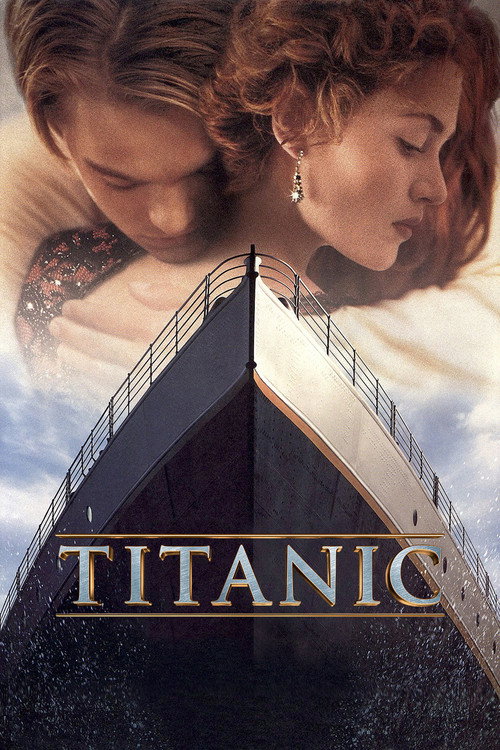
Titanic1997
James Cameron's behemoth treats the sinking as intimate human tragedy, not just spectacle. The ship becomes a character—the engineering scenes are riveting, and the class tensions feel urgent beyond the romance.
But Nearly three and a half hours, and if you already know how it ends (you do), the second half relies entirely on emotional investment rather than plot surprise.
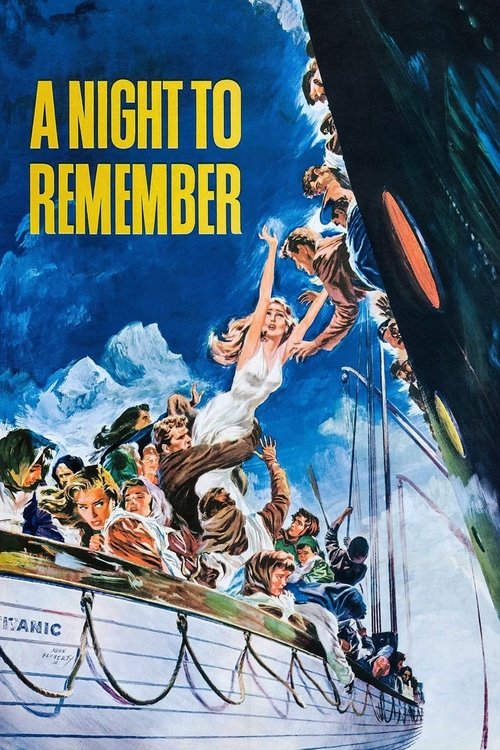
A Night to Remember1958
A procedural account of the Titanic disaster that treats the sinking as a systems failure. Unglamorous, methodical, and all the more harrowing for refusing melodrama. The crew scenes are extraordinary.
But There's no romantic plot to anchor your attention, and the ensemble cast means no single character to follow. It's austere, which is the point but not everyone's preference.
Not sure tonight? Get a pick in a minute, starting from The Last Voyage
The wildcard
Something you would not have found on your own.
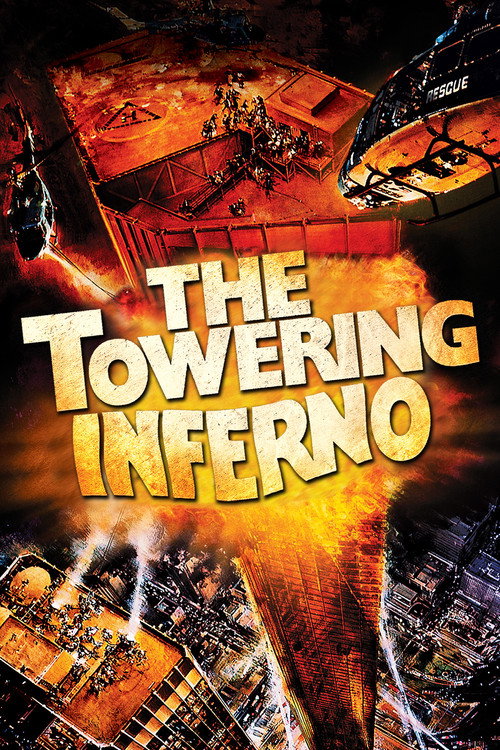
The Towering Inferno1974
Both films center on a catastrophe unfolding in real time within a contained space, where human stubbornness (the captain refusing evacuation, the architect refusing to accept flaws in his design) compounds the disaster. The structure is the story.
A skyscraper fire serves the same function as a sinking ship—vertical peril, escape routes collapsing, the structure itself becoming an antagonist. It's a disaster film about the futility of control, which is precisely what The Last Voyage explores.
But By modern standards the action sequences feel stately rather than propulsive, and the dialogue occasionally lapses into campy melodrama.
More like this (7)
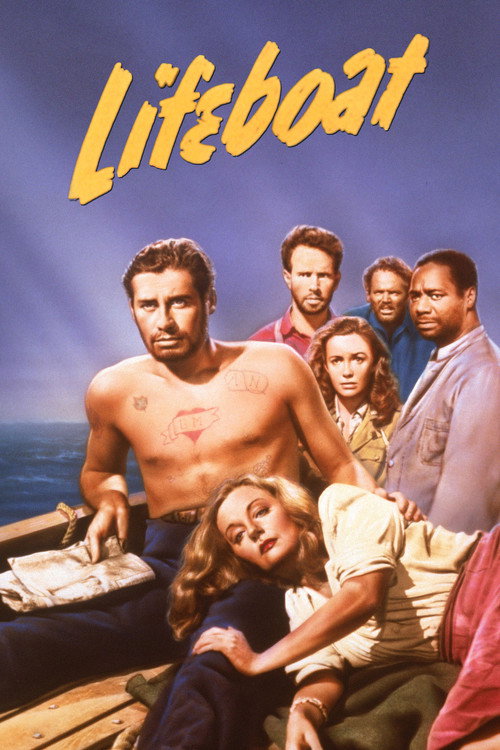
Lifeboat1944
Hitchcock's single-location pressure cooker: survivors adrift in a boat, supplies dwindling, trust fracturing. The constraint becomes the drama. It's claustrophobia without walls.
But The political subtext about fascism can feel heavy-handed, and much of the runtime is talk rather than action—which is the point, but patience required.
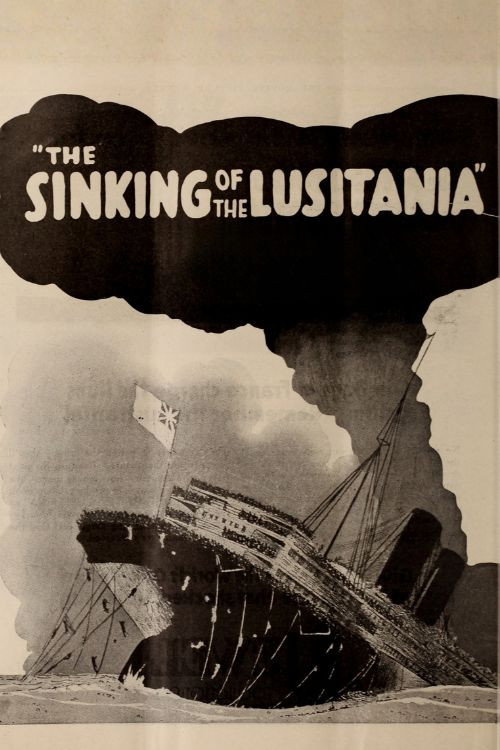
The Sinking of the Lusitania1918
An animated documentary account of the ship's sinking. The formalist approach and historical precision create a different kind of tension than live-action, and it's hypnotic rather than bombastic.
But Silent film with intertitles, animation that's decades old, and a runtime under an hour. It requires more active viewing than passive watching.
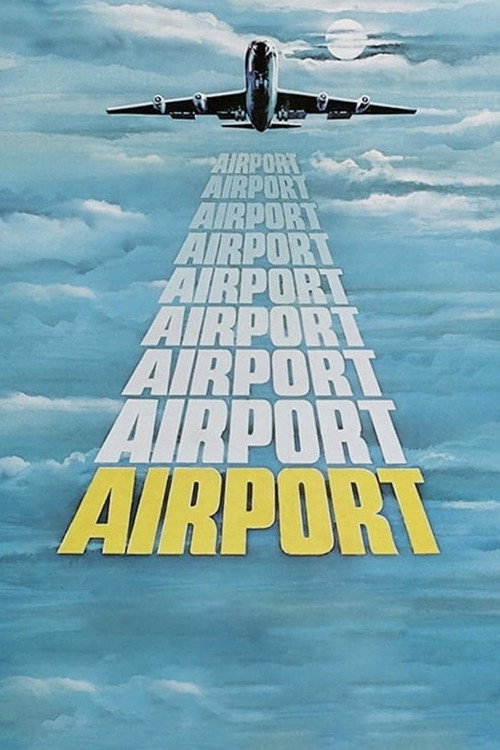
Airport1970
The godfather of disaster cinema. A bomb threat on a jet forces the pilot and crew to improvise while landing in a snowstorm. It established the template of high-stakes peril played straight without irony.
But The ensemble cast means shallow character development, and the bomb-threat plot resolves through luck as much as ingenuity. Some of it plays as unintentionally funny now.
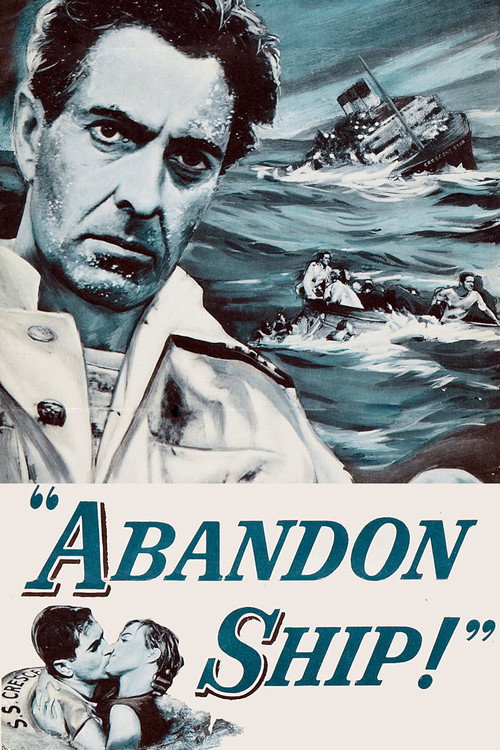
Seven Waves Away1957
A lifeboat thriller where the captain must decide who lives and who dies as supplies run out. Morally murky, tense, and Ty Power gives a subtle performance as a man breaking under moral weight.
But The ethical dilemmas are posed more than explored, and the resolution feels imposed rather than earned. The pacing in the middle sags noticeably.
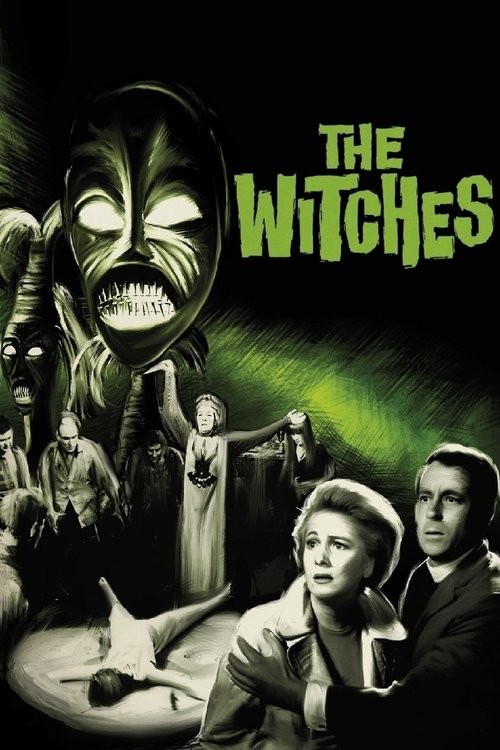
The Witches1966
A psychological submarine thriller where paranoia grows as the crew suspects a saboteur. Smaller scale than ship-sinking films, but the human tension and confined space create real dread.
But The plot mechanics creak under scrutiny, and the film trades more on atmosphere than logic. Some viewers find it tedious rather than tense.
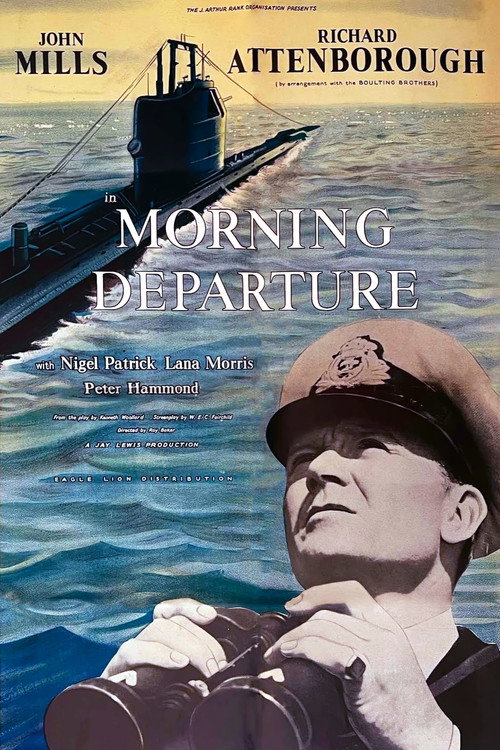
Morning Departure1950
Both films recognize that catastrophe's true terror isn't the moment of disaster but the hours after, when you're trapped and waiting for rescue or death. The psychological toll matters more than the mechanics.
A British naval film about a sunken submarine and the slow rescue of trapped sailors. It's quieter and more contemplative than American disaster films—the horror is waiting, not action. Emotionally devastating because it trusts restraint.
But There are no explosions, no desperate action sequences. It's entirely about tension derived from helplessness and time running out. Some viewers find it slow.
Kes1970
Both films treat love and loyalty as worth fighting for even when the outcome is uncertain or tragic. Both understand that the real drama isn't the disaster—it's what you do when you cannot protect someone you love. The scale is wildly different, but the moral equation is identical.
A working-class coming-of-age film where a boy and a trained hawk offer each other temporary escape from grim English industrial life. It's a love story about care and control, which mirrors Cliff Henderson's determination to save his wife—the same theme, stripped of melodrama.
But It's not a thriller and contains no action as The Last Voyage understands it. It requires patience with a bleak setting and a child's perspective. The tone is elegiac, not suspenseful.

People
Cast
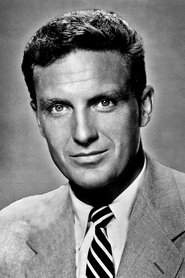 Robert StackCliff Henderson
 Dorothy MaloneLaurie Henderson
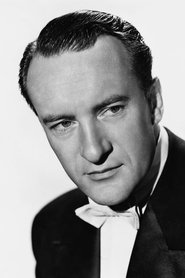 George SandersCapitaine Robert Adams
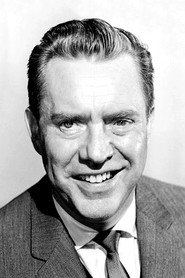 Edmond O'BrienSecond Engineer Walsh
 Woody StrodeHank Lawson
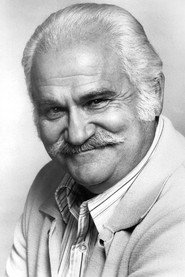 Jack KruschenChief Engineer Pringle
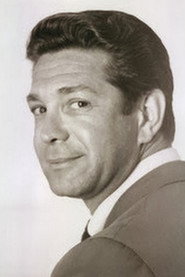 Joel MarstonThird Officer Ragland
- George FurnessThird Officer Osborne
- Marshall KentQuartermaster
- Andrew HughesRadio Operator
 Tammy MarihughJill Henderson
- Richard Norris3rd Engineer Cole
Directing
- Harrold WeinbergerAssistant Director
- Andrew L. StoneDirector
Writing
- Andrew L. StoneScreenplay
Production
- Andrew L. StoneProducer
- Virginia L. StoneProducer
Recommended by
A Night to Remember, The Sea Beast, S.O.S. Titanic, When Time Ran Out..., Krakatoa, East of Java, The Battle of the River Plate, Seven Waves Away, SOS Pacific