
Film
The Battle of the River Plate
A meticulously crafted 1956 war drama about three British warships' pursuit and engagement with the German pocket battleship Admiral Graf Spee in the South Atlantic. It's procedural and precise rather than bombastic—less about heroic speeches than the grinding tactical problem of hunting a superior opponent. For those who prize intelligence and restraint in wartime storytelling.
Should you watch it?
Watch it if you enjoy wartime stories built around strategy rooms, radio signals and cold arithmetic, where the tension comes from men weighing odds rather than from heroics you can see coming.
Skip it if you want sweeping action or a lean runtime, since this is a measured, talky picture that spends long stretches on officers conferring over charts and signals.
What it asks of you: Nearly two hours of deliberate, procedural build-up where the pace stays steady and the mood sober, with attention on naval detail more than any single hero.
Not sure? Find tonight's pick in a minute.
If you liked this
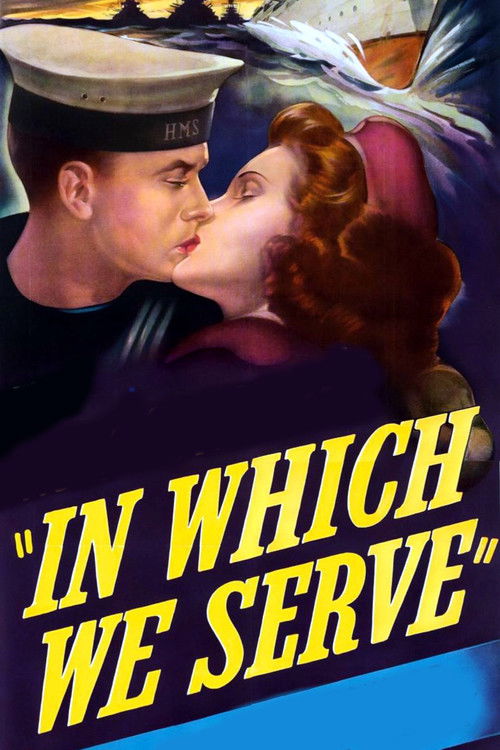
In Which We Serve1942
Noel Coward's naval drama captures the same spirit of duty and camaraderie aboard warships, with unsentimental portraits of men under pressure. Beautifully structured.
But The melodrama around the crew's home lives can feel dated, and the film's pacing is leisurely by modern standards.
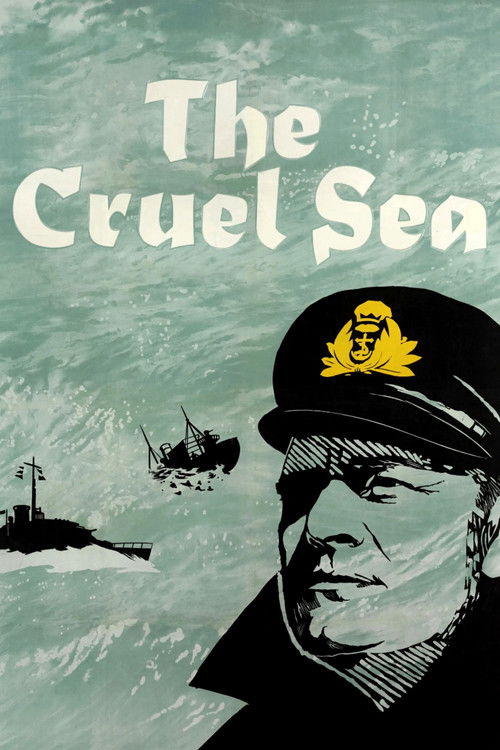
The Cruel Sea1953
Jack Hawkins leads this harrowing merchant-navy epic about convoy protection in the Atlantic—the exact waters and stakes that drove the Graf Spee story. Genuinely gripping.
But It's a relentless film about death and helplessness; there's little respite. Some may find it exhausting rather than moving.
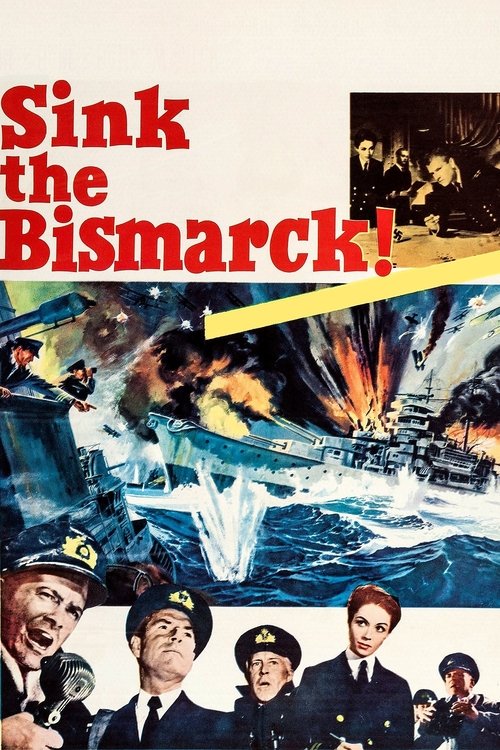
Sink the Bismarck!1960
Shares the River Plate's fascination with naval pursuit as strategy and obsession. Kenneth More and the film's split between command decisions and action make it taut and human.
But The Technicolor naval sequences are thrilling but can overshadow the quieter command-post scenes some viewers find more interesting.
Not sure tonight? Get a pick in a minute, starting from The Battle of the River Plate
The wildcard
Something you would not have found on your own.
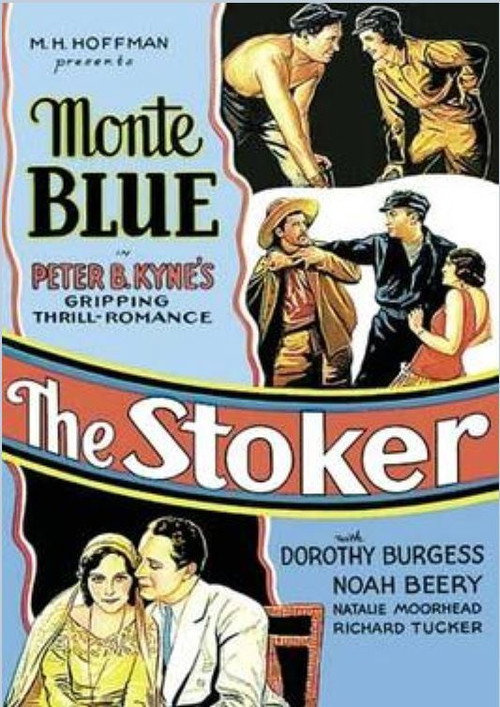
The Stoker1932
Both explore what a warship *is*: not a weapon but a floating society with its own hierarchies. River Plate saw it from the bridge; Stoker sees it from the engine room.
A Soviet naval drama about ordinary crew aboard a warship during peacetime. It's a mirror to River Plate's officer-led narrative—same ship, completely different story about power, labor, and duty.
But It's a propaganda film from the early USSR and looks it; the aesthetics and politics will alienate viewers expecting Western cinema conventions.
More like this (7)
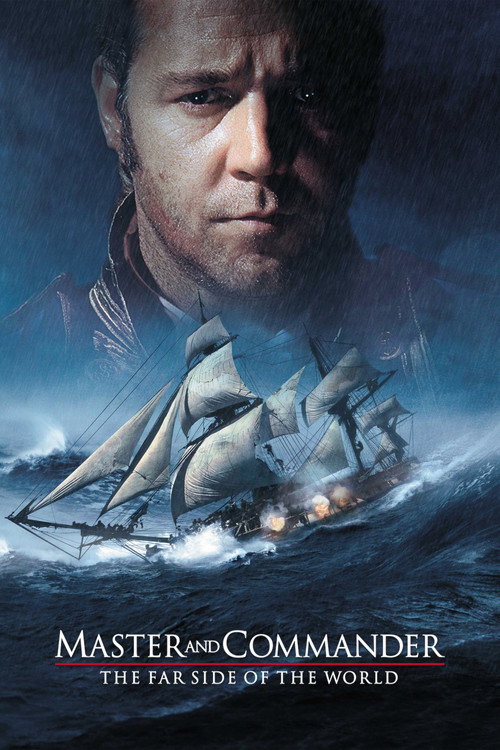
Master and Commander: The Far Side of the World2003
Russell Crowe and the film replicate that intelligent, measured approach to naval combat—it's about tactics, duty, and the mutual respect between professional enemies.
But It's much longer and more elaborate; if you want *restraint* rather than spectacle, this bloats the idea.
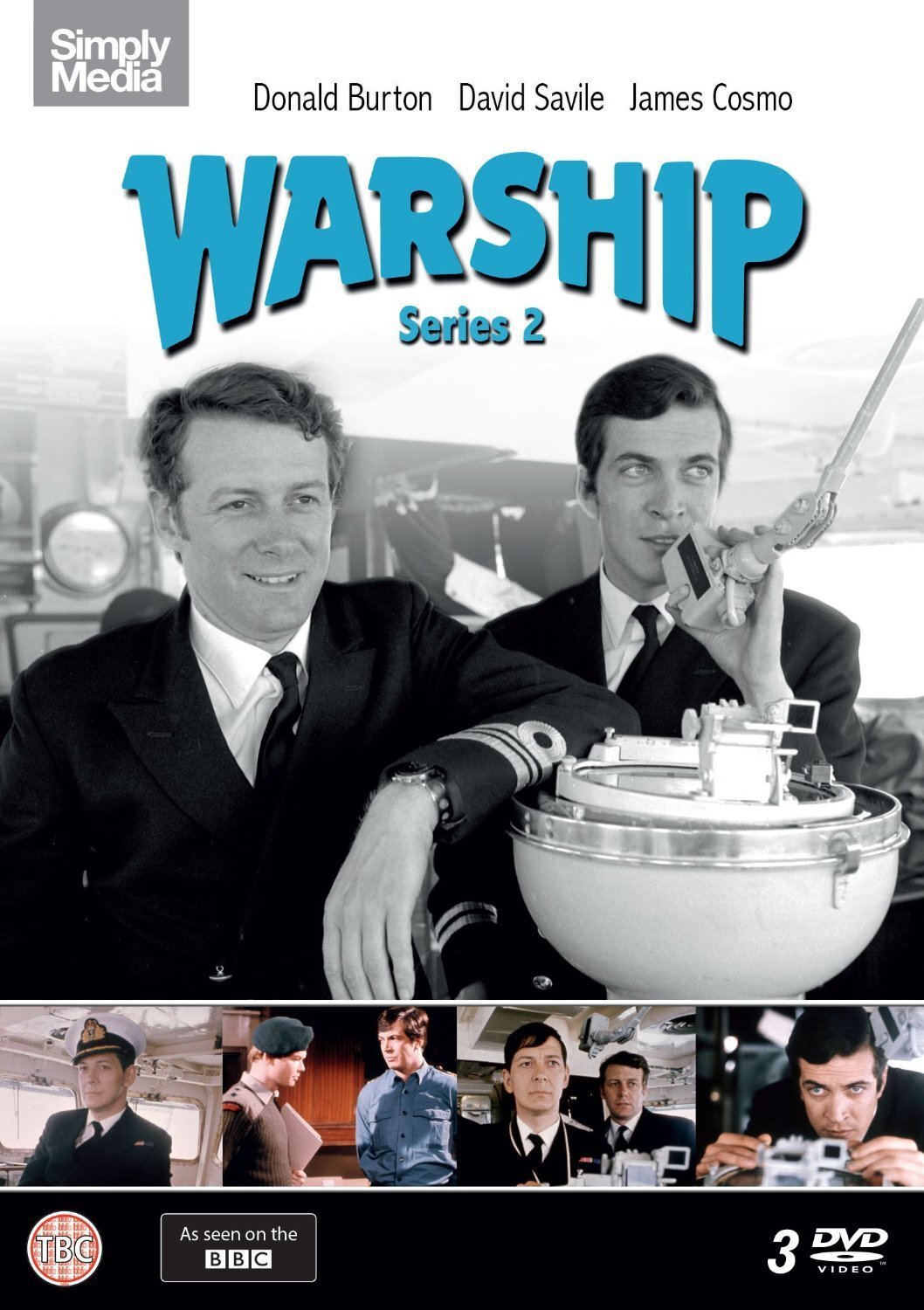
Warship1973
A gritty British series about modern Royal Navy operations that inherits the River Plate's no-nonsense attitude to duty and command. Less glossy, more lived-in.
But It's set in the 1970s and looks it; the aesthetic is functional rather than cinematic, which may feel drab to some.
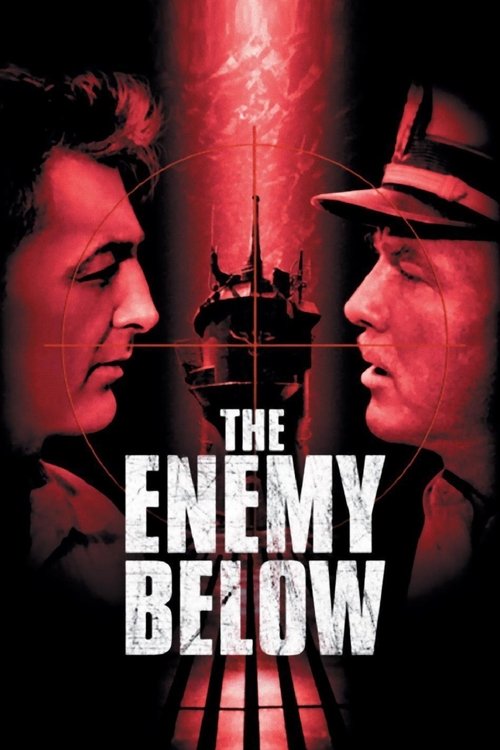
The Enemy Below1957
A tense cat-and-mouse between a U.S. destroyer and a German U-boat. The dual perspective—respect for the opponent, command under pressure—mirrors River Plate's moral clarity.
But It leans harder into action and less into the procedural; if you prize quiet efficiency, this will feel melodramatic.
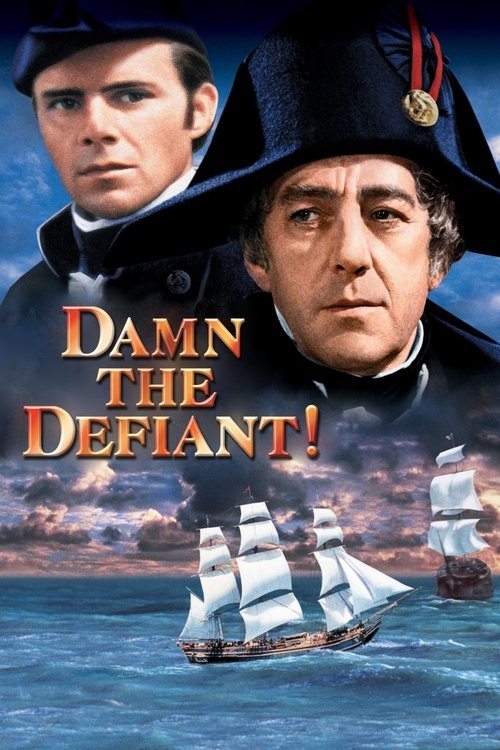
H.M.S. Defiant1962
Alec Guinness as a captain managing crew and conscience aboard a warship. It's introspective about power and duty in ways that complement River Plate's themes.
But The class tensions and mutiny plot can feel soapy compared to River Plate's directness, and the pacing sags in the middle.
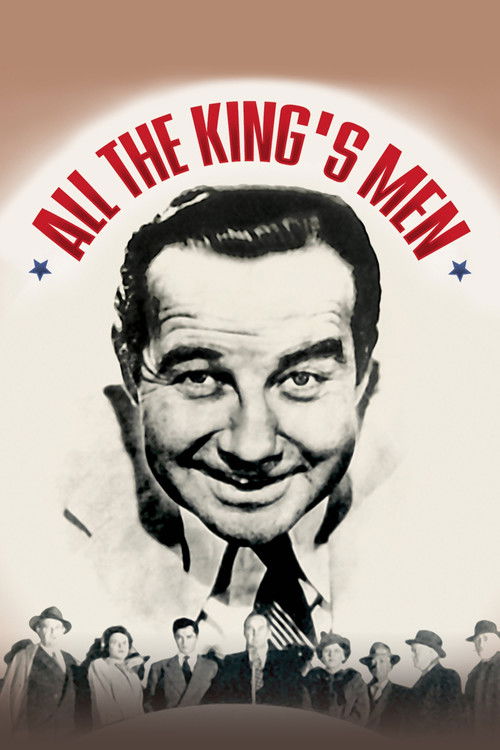
All the King's Men1949
An American equivalent—a warship drama about command decisions and the weight they carry. Bernard Lee appears here too, and the ensemble work is solid.
But It's less focused than River Plate and relies on incident rather than sustained tension; it meanders.
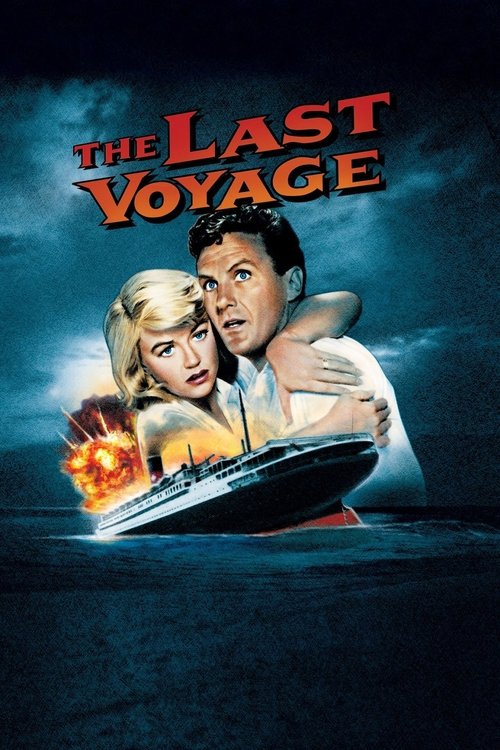
The Last Voyage1960
Both films trust that competence and clear thinking under pressure *are* the drama. Neither needs explosions or speeches to convince you something matters.
A disaster film about a sinking ship that strips away war and heroics to watch ordinary people face a mechanical problem they cannot solve. It's remarkably procedural and unsentimental.
But It's not about war, navy, or heroism—it's about systems failing and people responding. If you want patriotism or martial virtue, you won't find it.
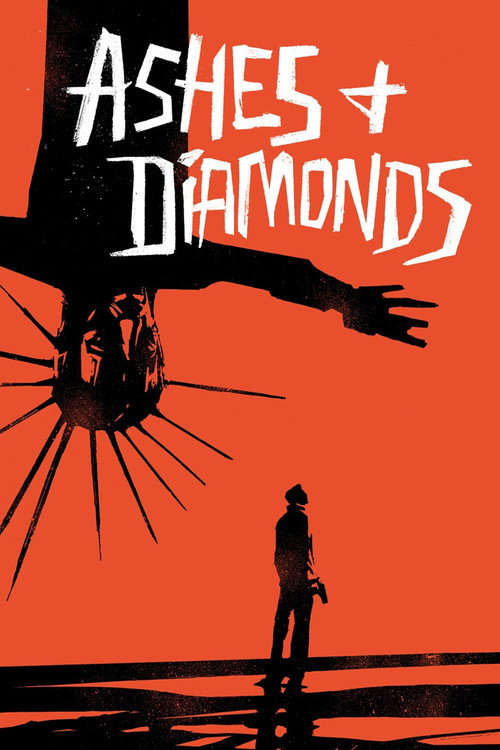
Ashes and Diamonds1958
Both films were made in the shadow of World War II by European filmmakers skeptical of simple patriotism. They share a cool, observant eye—they watch rather than cheer. Both trust the audience's intelligence.
A Polish masterpiece about the last hours before World War II ends, watched through the eyes of a young partisan. Shot in black and white with the precision River Plate admires—every frame means something.
But It's an art film about moral exhaustion and ambiguity, not action. If you came for a sea battle, this is inland, introspective, and sometimes cryptic. A completely different register.
People
Cast
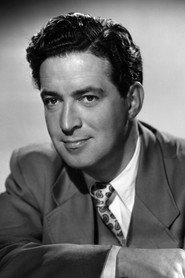 John GregsonCaptain Bell - H.M.S. Exeter
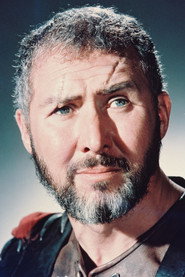 Anthony QuayleCommodore Harwood - H.M.S. Ajax
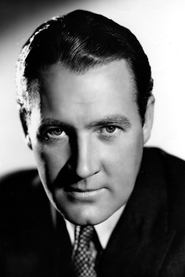 Ian HunterCaptain Woodhouse - H.M.S. Ajax
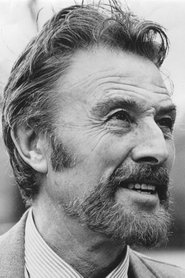 Jack GwillimCaptain Parry - H.M.N. Z. S. Achilles
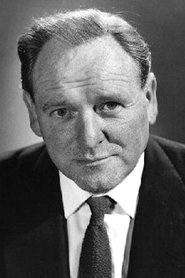 Bernard LeeCaptain Dove - M.S. Africa Shell
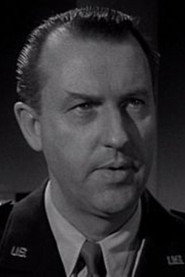 Lionel MurtonMike Fowler
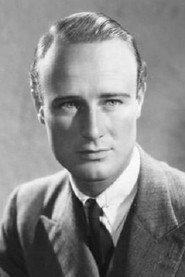 Anthony BushellSir Millington Drake, British Minister, Montevideo
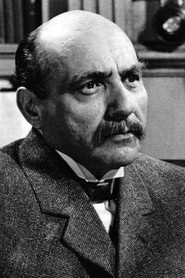 Peter IllingDr. Guani, Foreign Minister, Uruguay
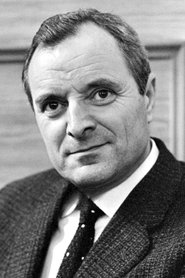 Michael GoodliffeCaptain McCall, R.N., British Naval Attache, Buenos Aires
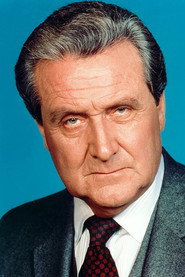 Patrick MacneeLieutenant Commander Medley, R.N.
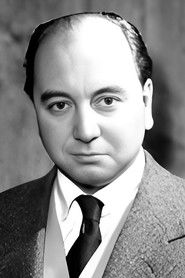 John ChandosDr. Langmann, German Minister, Montevideo
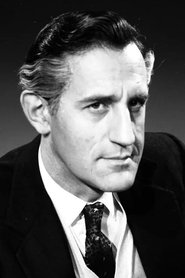 Douglas WilmerM. Desmoulins, French Minister, Montevideo
Directing
- Charles OrmeAssistant Director
- Betty HarleyContinuity
- Emeric PressburgerDirector
- Michael PowellDirector
Writing
- Emeric PressburgerWriter
- Michael PowellWriter
Production
- Sydney StreeterAssociate Producer
- Earl St. JohnExecutive Producer
- Emeric PressburgerProducer
- Michael PowellProducer
- John BrabourneProduction Manager
- Jean OsbornePublicist