
Film
Convoy
Other titles called Convoy: the 1978 film.
A wartime naval drama following the crews of British ships protecting Atlantic convoys in 1940. It captures the grinding tension of escort duty—the waiting, the constant vigilance, the sudden violence—with a documentary eye for shipboard routine. For anyone drawn to how ordinary men behave under extraordinary pressure, and to the unglamorous reality behind historical headlines.
Should you watch it?
Watch it if you like wartime stories built around ordinary duty and the quiet friction between men who must work together, told with the restraint of a studio-era British drama.
Skip it if you want sea battles and fast cutting; this is a slower, talkier picture where the sea is a backdrop for the men aboard and the sentiment can feel dated.
What it asks of you: Ninety minutes, unhurried in its middle stretch, and it expects you to sit with long passages of routine: watch-keeping, meals, small talk.
Not sure? Find tonight's pick in a minute.
If you liked this
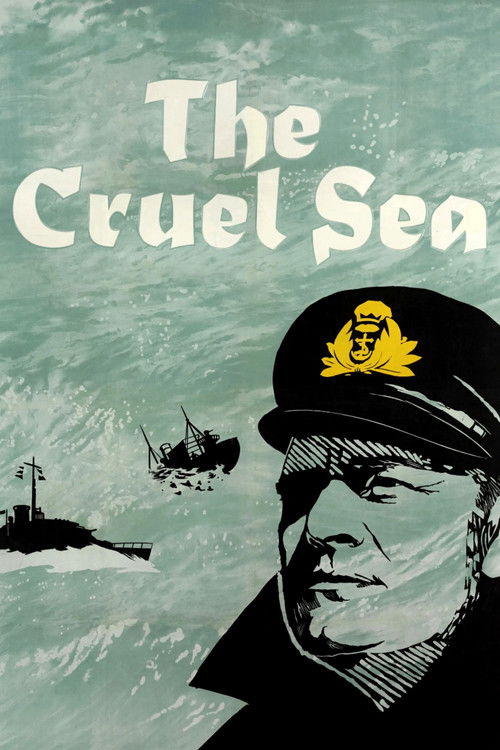
The Cruel Sea1953
The definitive British naval drama, following a corvette and its crew through the full arc of the Atlantic campaign. Superbly acted and technically precise, it shows convoy warfare as exhaustion and courage in equal measure.
But At 126 minutes it moves deliberately, and the emotional climax may feel earned or heavy depending on your tolerance for restraint.
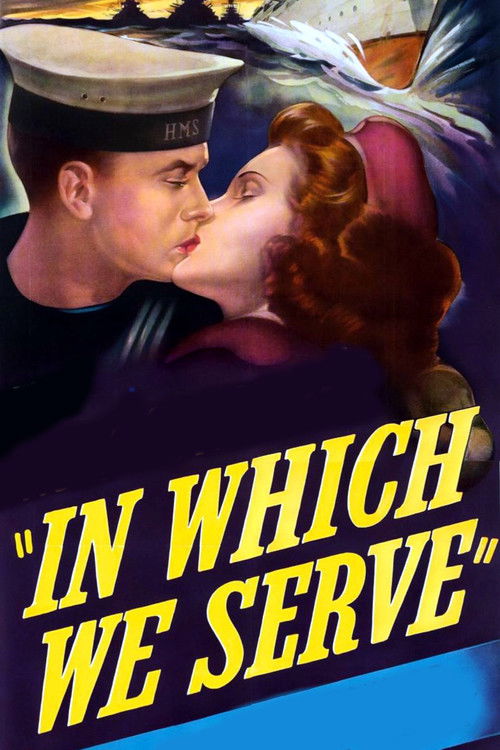
In Which We Serve1942
Coward and Lean's masterpiece about a naval destroyer and its men, structured as memory and present-tense action. It balances intimate character work with genuine spectacle, and captures the specific texture of British wartime cinema at its best.
But The framing device feels dated now, and some of the home-front scenes slip into sentiment that the battle sequences transcend.
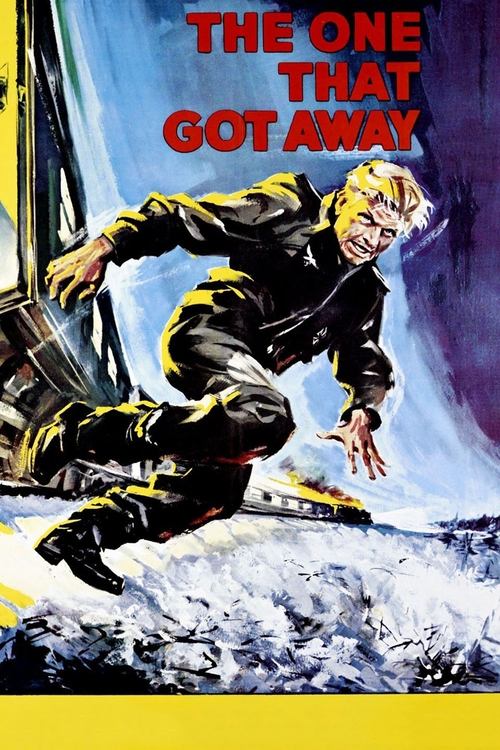
The One That Got Away1957
A taut, unsentimental prisoner-of-war film following a real escape attempt. It has the same documentary precision as Convoy but tighter plotting, and it finds human drama in the smallest details of confinement and ingenuity.
But It's German-sympathetic in ways that may feel uncomfortable; the protagonist is a Luftwaffe pilot, and the film doesn't punish him for it.
Not sure tonight? Get a pick in a minute, starting from Convoy
The wildcard
Something you would not have found on your own.
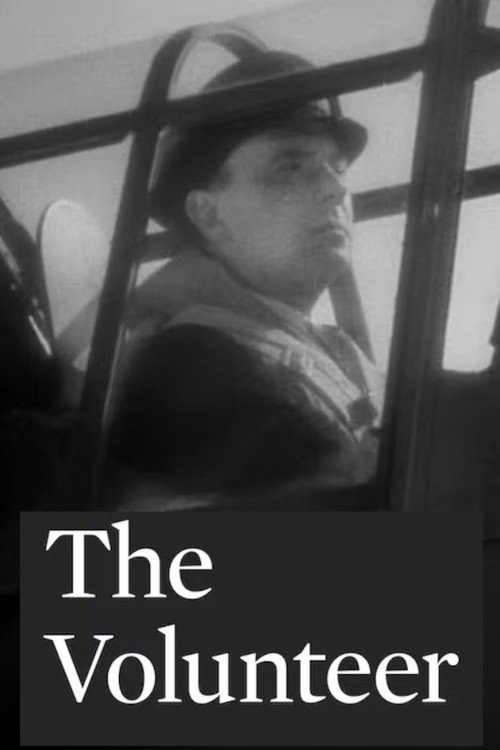
The Volunteer1944
Both are non-fiction-adjacent portraits of men doing essential, unglamorous wartime work in the machinery of logistics rather than combat.
A documentary by John Ford about the building and launching of a Liberty ship, made as wartime morale propaganda but honest about the labor and stakes involved. It has the same eye for working men under pressure as Convoy, but unadorned by drama.
But At 21 minutes it's more essay than narrative; you have to be genuinely interested in how ships were built and what they meant to sustain attention.
More like this (7)
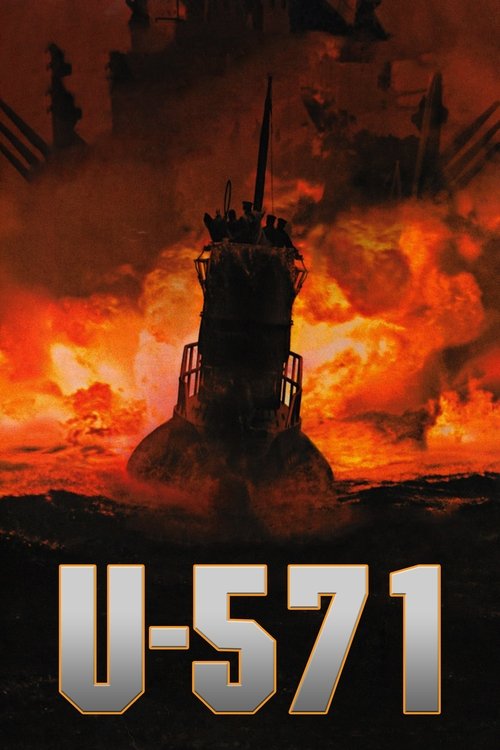
U-5712000
A submarine thriller with real kinetic energy—the opposite of Convoy's patience, but built on the same historical foundation. If you want the convoy war from the U-boat's perspective, with modern filmmaking craft and genuine claustrophobia.
But It simplifies history heavily and plays fast and loose with timeline and nationality. It's popcorn next to Convoy's ship's biscuit.
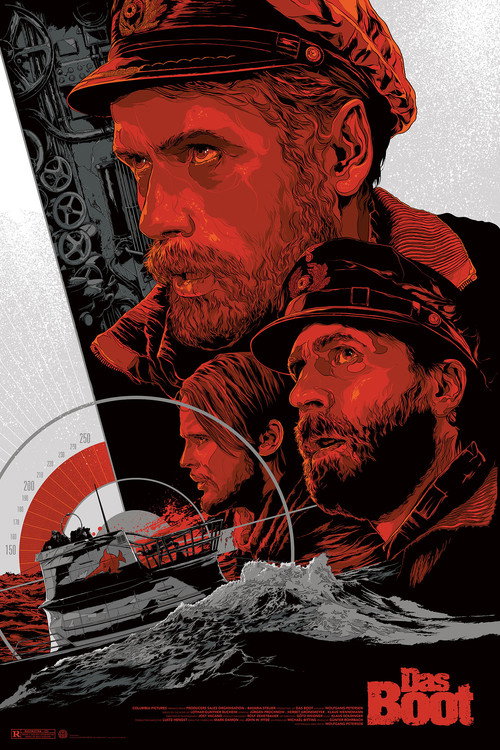
Das Boot1981
The other side of the Atlantic war in its most celebrated form—a German U-boat and its crew hunted and hunting. Technically masterful and psychologically acute, it makes the submarine feel like a character in itself.
But At 149 minutes (in the uncut version) it demands patience. Some find the German perspective itself problematic; others find the film's moral texture too ambiguous.
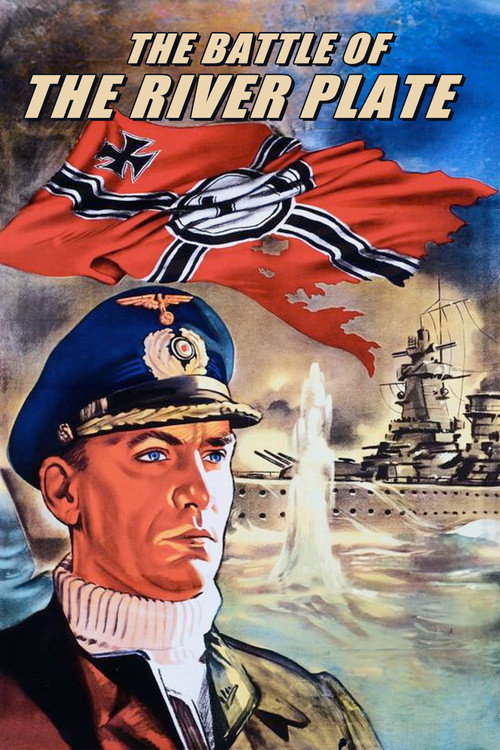
The Battle of the River Plate1956
Powell and Pressburger's account of the pursuit and sinking of the Graf Spee, told with their characteristic visual flair. It's a naval action film that respects both sides and finds tragedy in the mechanics of war rather than melodrama.
But The pacing is stately; it's less about spectacle than about procedure and decision-making. Some scenes feel more like military procedural than drama.
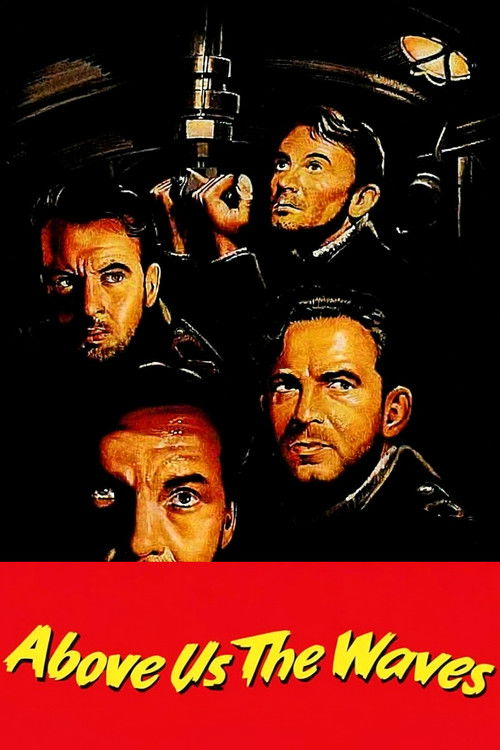
Above Us the Waves1955
A British naval commando film about attacking the Tirpitz using midget submarines. It has the same semi-documentary approach as Convoy but channels it into a heist-like mission structure with real stakes.
But The early scenes establishing the plan are mechanically dull, and the characterization is thin—this is plot-driven rather than character-driven cinema.
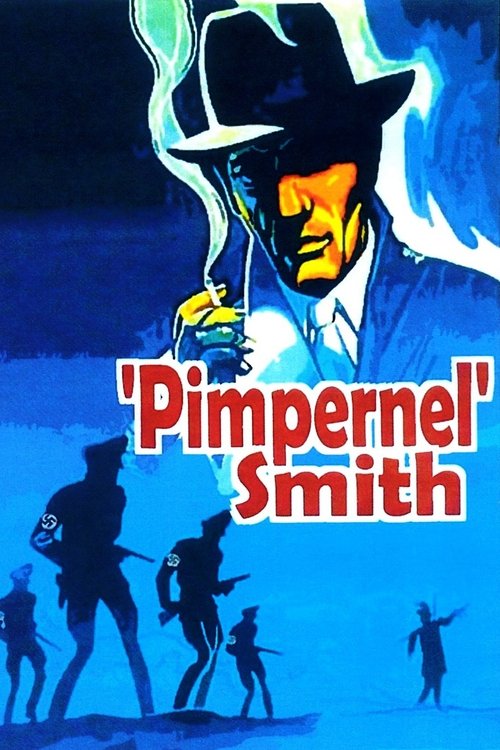
"Pimpernel" Smith1941
Leslie Howard as a Cambridge professor who smuggles refugees out of Nazi Germany under the guise of antiquity-hunting. It's wartime propaganda, yes, but witty and intelligent propaganda that trusts the audience's ability to think.
But The tone wobbles between thriller and comedy in ways that can feel tonally uncertain. It's also very much a film of its moment, which shows.
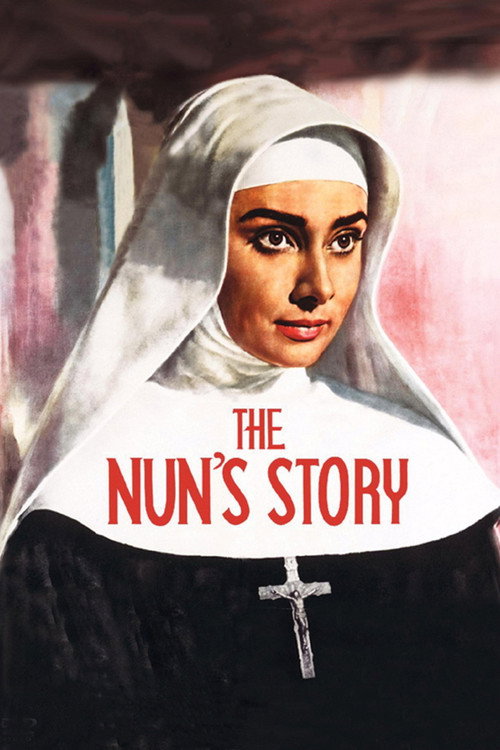
The Nun's Story1959
Both dramatize the tension between individual judgment and institutional obligation, and both trust restraint to convey emotional weight.
Audrey Hepburn as a Belgian nun whose faith is tested by reality and conscience. It's a spiritual drama about duty, hierarchy, obedience and the gap between institution and individual—the exact structure of Convoy but entirely internal.
But It's slow, introspective, and makes no concessions to plot momentum. The religious framework will alienate viewers indifferent to faith as subject matter.
Kes1970
Both films find drama in the texture of daily reality rather than plot machinery, and both see authority and circumstance as forces that shape character rather than obstacle to overcome.
Ken Loach's portrait of a Yorkshire boy and his hawk—a film about someone finding agency and beauty outside the systems meant to contain him. It's a completely different register from Convoy, but it shares that documentary precision about how people actually move and speak and survive.
But It's set in poverty and features a brutal school system; the violence is casual and wounding in ways that can be hard to sit with. The ending offers no catharsis.

People
Cast
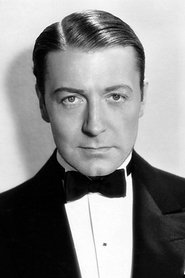 Clive BrookCaptain Tom Armitage
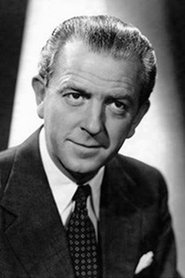 John ClementsLieutenant Cranford
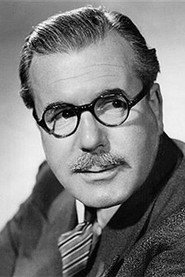 Edward ChapmanCaptain Eckersley
 Judy CampbellLucy Armitage
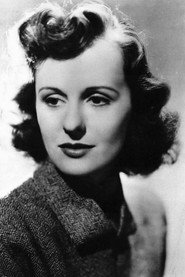 Penelope Dudley-WardMabel
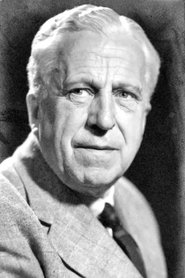 Edward RigbyMr. Matthews
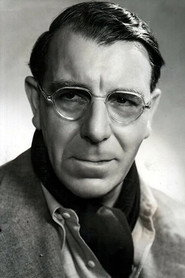 Allan JeayesCommander Blount

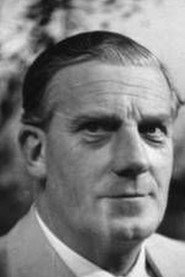 Harold WarrenderLt. Commander Martin
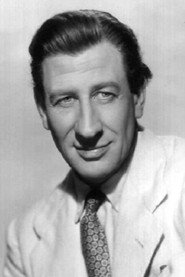 David HutchesonCaptain Sandeman
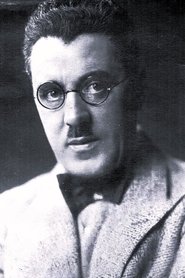 George CarneyBates
- Al MillenKnowles
Directing
- Pen TennysonDirector
Writing
- Patrick KirwanScreenplay
- Pen TennysonScreenplay
Production
- Michael BalconProducer