
Film
Sink the Bismarck!
A tense 1960 procedural about the British Royal Navy's hunt for the German battleship Bismarck in 1941. It splits focus between the shipboard drama of the pursuing officers and the strategic coordination from shore, building toward inevitable confrontation. Deliberately paced, built on period authenticity and real tactical detail rather than action heroics. For viewers who love historical precision and the particular suspense of cat-and-mouse warfare.
Should you watch it?
Watch it if you love naval war stories built on maps, radio signals and cold-blooded strategy, where the suspense comes from a hunt across open ocean rather than from gunfire alone.
Skip it if you want a brisk, modern action pace, since much of the runtime is spent in briefing rooms and operations centres with officers weighing sea charts and reports.
What it asks of you: It settles into a measured, almost courtroom rhythm at under two hours, asking patience for procedure and dialogue before the ships ever draw close together.
Not sure? Find tonight's pick in a minute.
If you liked this
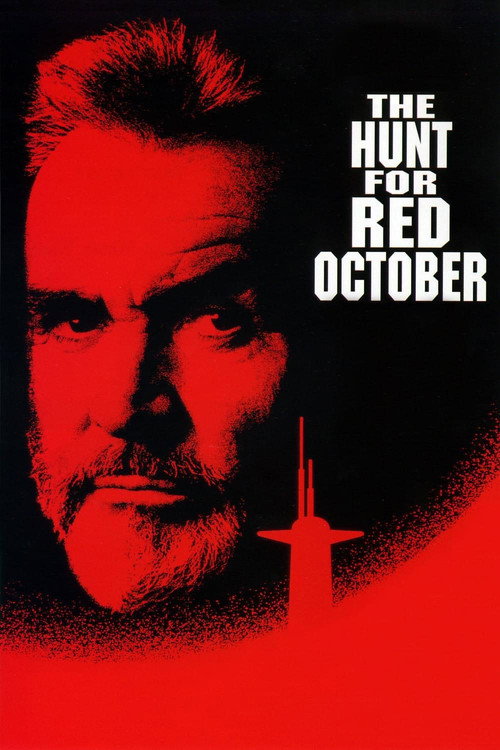
The Hunt for Red October1990
Another submarine/naval hunt thriller with the same DNA—intelligence versus hardware, competing commanders playing chess with real consequences. Tom Clancy's technical detail and paranoia translated into propulsive cinema.
But It's nearly three hours long, and the Cold War espionage setup may feel less visceral than World War II combat.
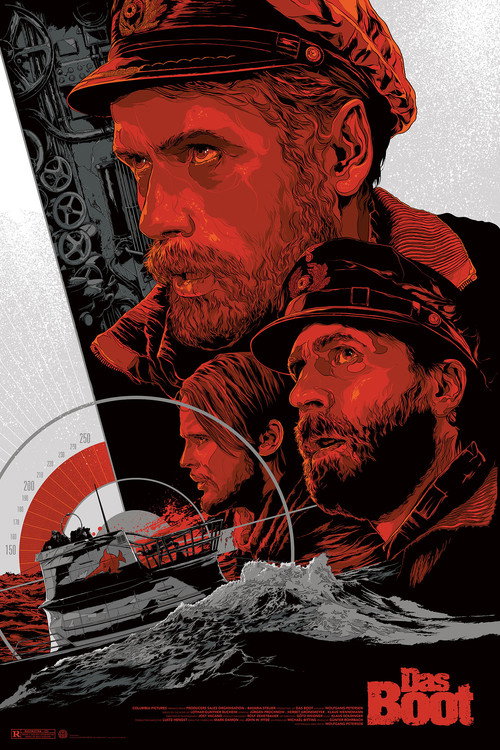
Das Boot1981
A German U-boat's patrol becomes claustrophobic psychological drama. Where Sink the Bismarck stays cool and procedural, this goes inside the pressure cooker, but both are about men trapped by war and duty.
But The original cut is nearly five hours. Subtitled, and it dwells on fear and fatigue rather than heroism.
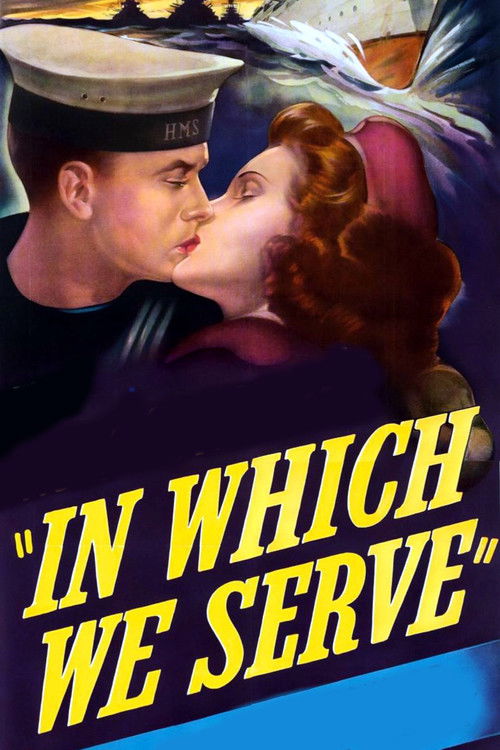
In Which We Serve1942
A British naval destroyer's story told through flashback and present-tense action. Made during wartime with Noel Coward, it has the same documentary authenticity and ensemble focus that Sink the Bismarck perfected.
But It's propagandistic by design, made to boost morale. The sentimentality lands differently now.
Not sure tonight? Get a pick in a minute, starting from Sink the Bismarck!
The wildcard
Something you would not have found on your own.
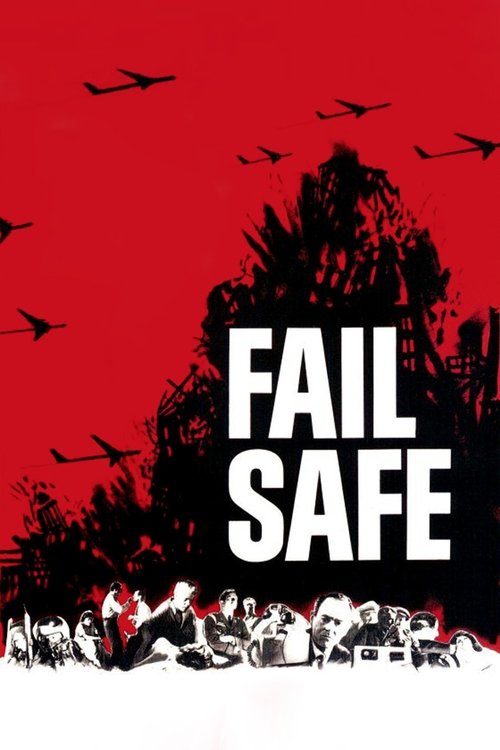
Fail Safe1964
Both pit human judgment against mechanical inevitability. Both trust audiences to follow military/technical detail. Both climax not in heroic victory but in choices made within impossible constraints.
Not a war film but a Cold War procedural built on the same architecture: multiple command centers making split-second decisions under incomplete information, stakes escalating through systems nobody can stop. Black-and-white, urgent, anchored in technical detail.
But It's about nuclear apocalypse as bureaucratic accident rather than military heroism. The ending is deliberately devastating and offers no catharsis.
More like this (7)
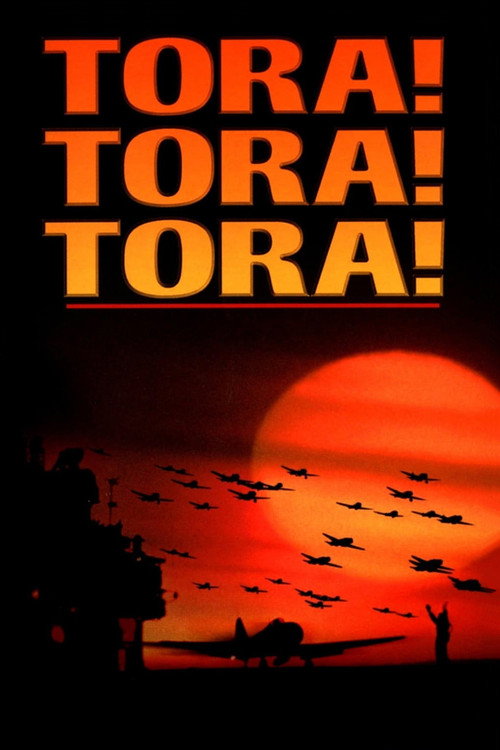
Tora! Tora! Tora!1970
A dual-perspective account of Pearl Harbor from both American and Japanese sides. Epic scale, meticulous military detail, and the same split-screen tension between competing command structures.
But It's a war spectacle first and human drama second. Nearly three hours of buildup to an event you already know.
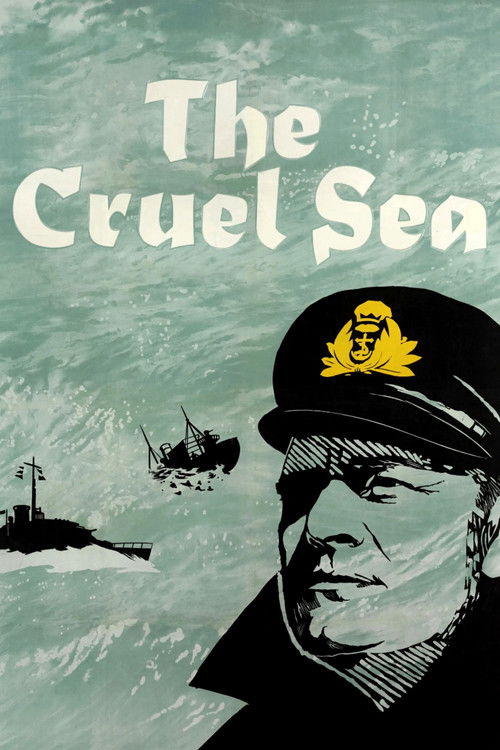
The Cruel Sea1953
A British minesweeper's years of convoy duty in the Atlantic. Unglamorous, procedural, focused on the grinding reality of naval warfare rather than glory. Made just before Sink the Bismarck with similar restraint.
But It's slow and deliberately unheroic. If you want action set-pieces, you'll be disappointed.
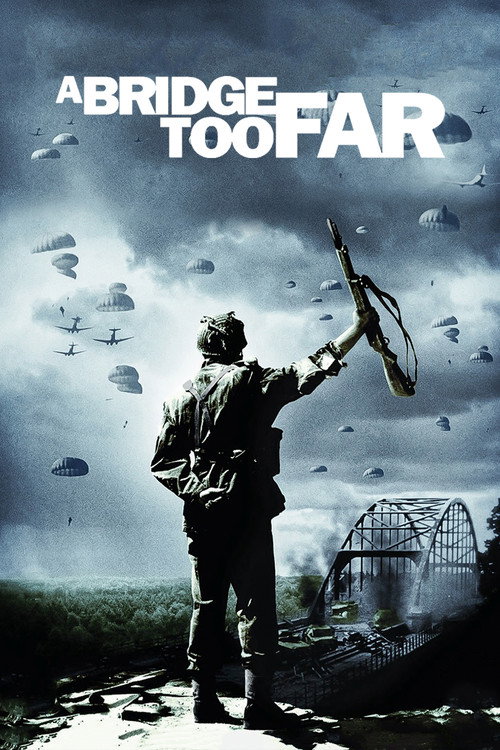
A Bridge Too Far1977
A sprawling WWII operational drama with an ensemble cast and interlocking command-level decisions. The same split between strategy rooms and frontline consequence.
But At over three hours with dozens of characters, it's easy to lose track. The historical distance dilutes the immediacy.
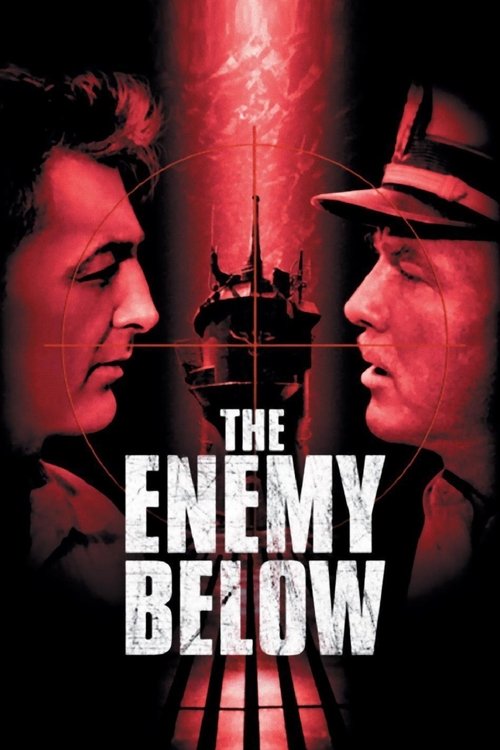
The Enemy Below1957
A cat-and-mouse duel between an American destroyer captain and a German U-boat commander. Direct, tense, built on mutual respect and naval tradition rather than ideology.
But The underwater sequences look dated, and it reduces war to a one-on-one game between captains.
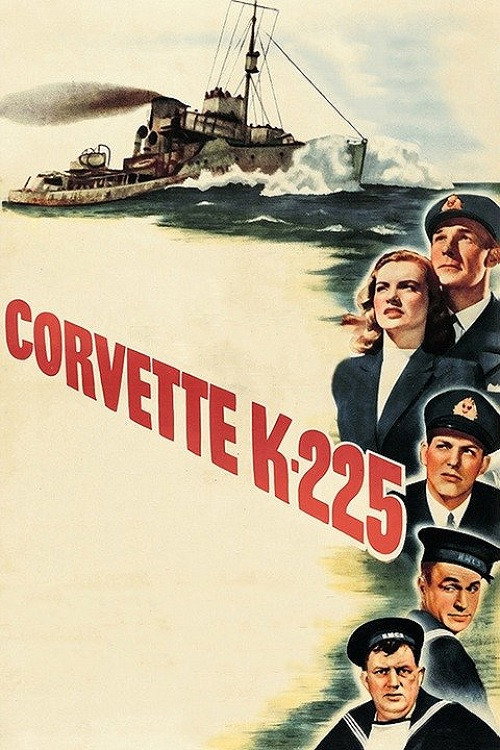
Corvette K-2251943
A Canadian naval vessel's convoy escort duties, made during the war with documentary-like authenticity. It shares Sink the Bismarck's commitment to procedure and the grinding reality of sea warfare.
But It's a forgotten film with modest production values. The pacing is glacial even by 1940s standards.
Battleship Potemkin1925
Both use a warship as the central character. Both treat the ship itself—its capabilities, its vulnerability, its role in history—as the true protagonist rather than any individual aboard.
A Soviet silent film about a warship and mutiny, shot with montage intensity that creates rhythm from chaos. A completely different cinematic language, but the same fascination with naval power as physical fact and moral force.
But It's silent and Soviet propaganda. The Eisenstein technique can feel mannered to modern eyes, and the ideology is explicit.

The Remains of the Day1993
Both are about men in systems. Both examine how authority works, how orders are followed, and what gets sacrificed when a man internalizes his role so completely that he vanishes into the institution. Both are restrained in the face of profound loss.
A Merchant-Ivory chamber piece about a butler reflecting on decades of service to a great house. Utterly unlike Sink the Bismarck in surface—no action, no war, no spectacle—but identical in its meditation on duty, hierarchy, and the personal costs of institutional loyalty.
But It's glacially paced and emotionally muted. The rewards are in what *isn't* said, which some find pretentious.

People
Cast
 Kenneth MoreCaptain Jonathan Shepard
 Dana WynterWRNS Second Officer Anne Davis
 Carl MöhnerCaptain Lindemann - 'Bismarck'
 Laurence NaismithFirst Sea Lord Admiral Sir Dudley Pound
 Geoffrey KeenAssistant Chief of the Naval Staff (A.C.N.S.)
 Karl StepanekAdmiral Lutjens - 'Bismarck'
 Michael HordernAdmiral Sir John Tovey, Commander-in-Chief - 'King George'
 Maurice DenhamCommander Richards
 Michael GoodliffeCaptain Banister
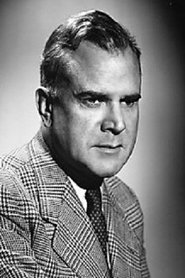 Esmond KnightCaptain Leach - 'Prince of Wales'
 Jack WatlingRNVR Signals Officer
 Jack GwillimCaptain Wilfrid Patterson - 'King George V'
Directing
- Jack CauseyAssistant Director
- Lewis GilbertDirector
Writing
- C. S. ForesterBook
- Edmund H. NorthScreenplay
- Edmund H. NorthStory
Production
- Nora RobertsCasting
- John BrabourneProducer
Recommended by
The Enemy Below, Mutiny on the Bounty, In Which We Serve, The Guns of Navarone, The Cruel Sea, Run Silent, Run Deep, Greyhound, Western Approaches, They Were Expendable, The First of the Few, The Battle of the River Plate, Torpedo Run, We Dive at Dawn, North Sea Hijack, Captain Horatio Hornblower R.N., The Sea Shall Not Have Them