
Film
The Sea Shall Not Have Them
A 1954 RAF drama about five men adrift in the North Sea after their bomber ditches, waiting for rescue while clutching classified secrets. It's a taut, character-driven film that balances external peril—enemy patrols, mechanical failure, the indifferent ocean—with intimate conversations that reveal who these men really are. Made with documentary precision and genuine affection for the Air Sea Rescue Service. For anyone who loves wartime survival stories that trust their audience to find drama in talk and waiting.
If you liked this
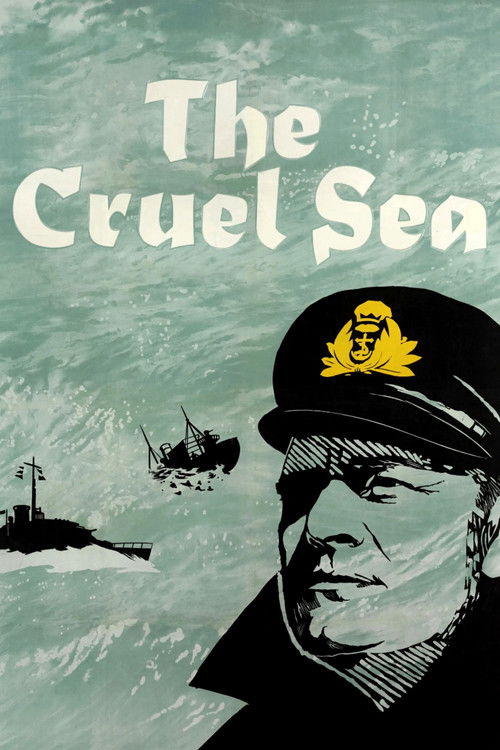
The Cruel Sea1953
Another British wartime maritime drama made the same year, following a corvette and its crew through the Atlantic. It has the same unflinching approach to naval procedure, the same weary professionalism, the same understanding that survival is bureaucratic as well as physical.
But Longer and slower than modern audiences expect. The romantic subplot feels obligatory, and some of the period attitudes jar now.
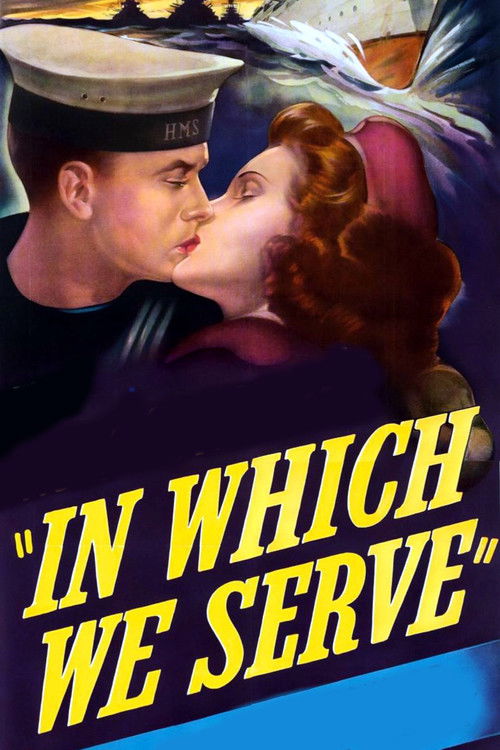
In Which We Serve1942
Noel Coward's semi-documentary account of a naval destroyer, told in flashback as the captain clings to a raft. It pioneered the form that *The Sea Shall Not Have Them* perfected: waiting, memory, and the bonds forged under fire.
But Propaganda film, which means it smooths some of reality's rougher edges. Coward's screenplay is clever but sometimes overwrites the quiet moments.
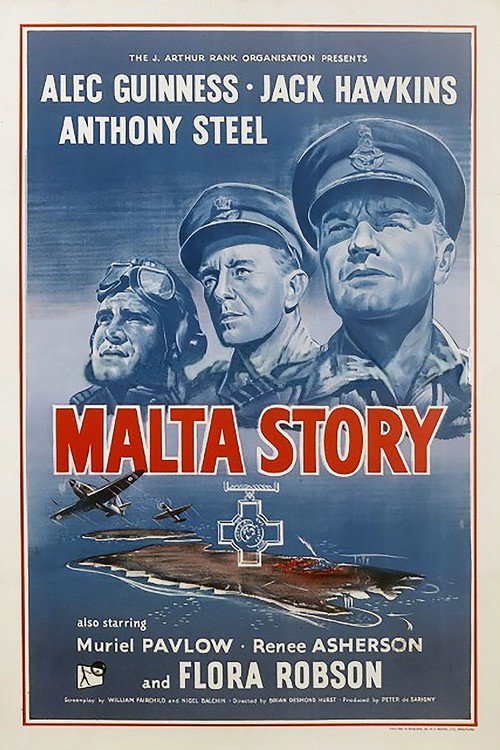
Malta Story1953
RAF pilots defending Malta under bombardment. Made with the same rigorous attention to procedure and morale, the same sense that courage isn't dramatic—it's just what you do when the alarm sounds.
But Episodic structure means it never quite builds the emotional depth of a more focused narrative. The action scenes feel dated now.
Not sure tonight? Get a pick in a minute, starting from The Sea Shall Not Have Them
The wildcard
Something you would not have found on your own.
Stalker1979
Both are chamber pieces disguised as adventure stories. Both trust dialogue and psychological pressure over action. Both find profound human truth in constraint and waiting.
Tarkovsky's long, meditative science-fiction film about three men walking through a mysterious zone. Like *The Sea Shall Not Have Them*, it is essentially a waiting film—men in enclosed circumstances talking, remembering, revealing themselves. The same faith that conversation *is* the drama. Same mood of uncertainty, fatigue, and unexpected tenderness.
But Ten minutes will feel like an hour if you are not in the mood for it. No plot in any conventional sense. The pacing is glacial and will test your patience deliberately.

More like this (7)
Reach for the Sky1956
Kenneth More as Douglas Bader, the legless RAF pilot. It has the same post-war British realism and the same celebration of quiet heroism—men getting on with impossible tasks without fuss or self-pity.
But Biopic structure sometimes prioritizes plot over character. More's charisma can overshadow the subtler moments you came for.

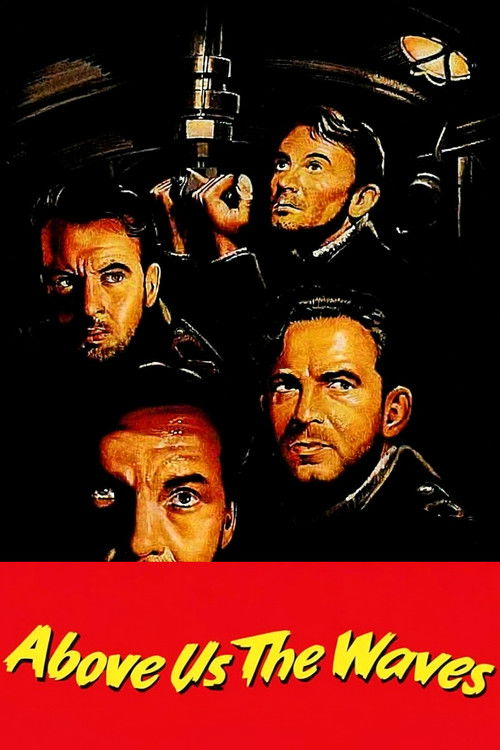
Above Us the Waves1955
A submarine crew on a suicide mission to sink a German battleship. Same era, same understated approach to fear and duty, same trust that the audience cares more about whether the plan works than about explosions.
But Talkier than you'd expect, and the climax is somewhat drawn out. Some performances feel stiff by modern standards.
The One That Got Away1957
A German pilot's escape attempt told with remarkable fairness and precision. Same post-war British filmmaking, same respect for professional competence regardless of which side you're on.
But Sympathetic portrayal of a German officer makes some viewers uncomfortable. Deliberately unglamorous, which some find boring.

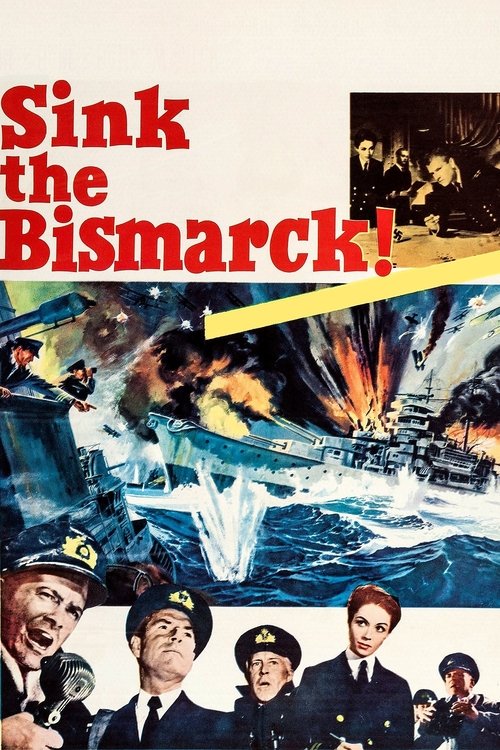
Sink the Bismarck!1960
Naval officers coordinating a warship hunt from a shore command room. The tension builds through communication, maps, and procedure rather than action—exactly the approach that makes *The Sea Shall Not Have Them* work.
But More procedural than emotional. The split narrative between ship and shore sometimes diffuses focus. Not for viewers who need movement.
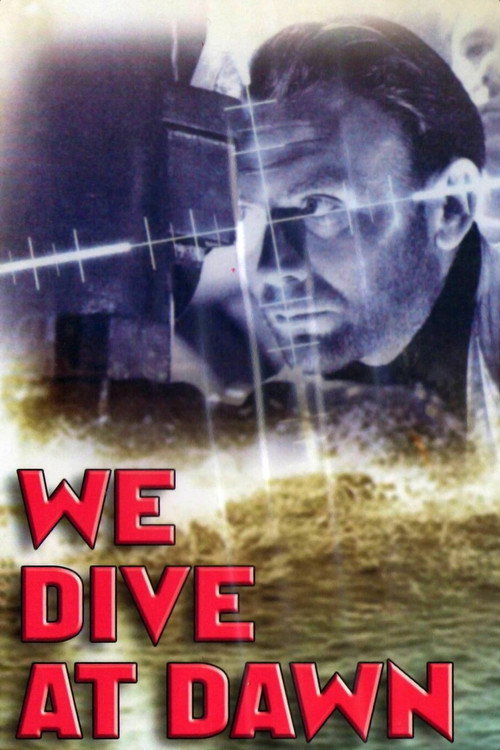
We Dive at Dawn1943
A British submarine's dangerous mission in the Baltic. Wartime-made, so it has the texture of the real thing. The same understanding that a submarine is a coffin where men must trust each other absolutely.
But Older and rougher than later films. The plotting is sometimes clunky. Some of the acting feels like wartime stock performance.
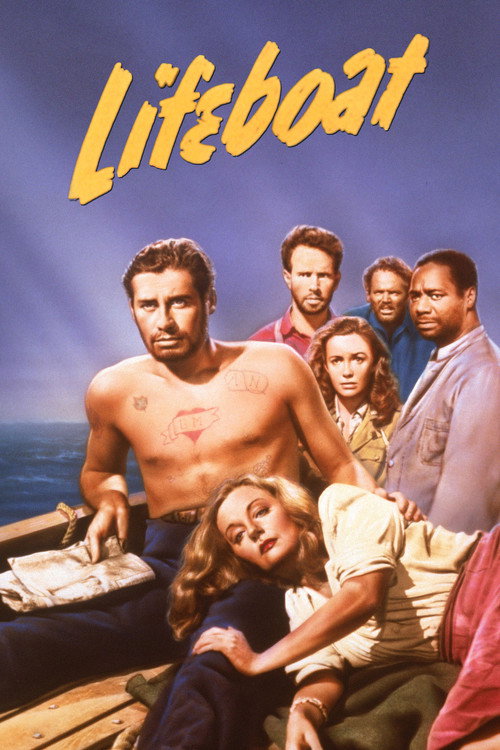
Lifeboat1944
Both are single-location psychological dramas about survival and the fragility of morale. Both understand that the real enemy in a lifeboat or dinghy is not always what you expect.
Hitchcock's wartime film: seven survivors in a lifeboat after a torpedoed ship, and one of them may be the U-boat captain. It's claustrophobic, morally complex, and builds tension from conversation and distrust rather than action. Made a decade before *The Sea Shall Not Have Them* but with the same understanding that isolation reveals character.
But The political arguments feel period-specific and sometimes heavy-handed. The moral absolutes Hitchcock was working through date the film. Stagey in places.
Umberto D.1952
Both are films about the invisible heroism of waiting and small choices. Both refuse to dramatize their subjects—they simply observe with profound attention and let you find the emotion in constraint.
De Sica's neorealist portrait of an elderly pensioner and his dog struggling through Rome. It is superficially nothing like *The Sea Shall Not Have Them*—no war, no rescue mission, no action—but it has the same emotional architecture. Two stories of men waiting and trying to maintain dignity and connection in impossible circumstances. The same unsentimental view of struggle. The same belief that ordinary endurance is heroic.
But Nothing happens. If you need plot momentum or a satisfying resolution, this will frustrate you deeply. It is a film about the texture of despair, not about overcoming it.

People
Cast
 Michael RedgraveAir Commodore Waltby
 Dirk BogardeFlt Sgt Mackay
 Jack WatlingFlying Officer Harding
 Bonar ColleanoSgt Kirby
 Anthony SteelFlying Officer Treherne
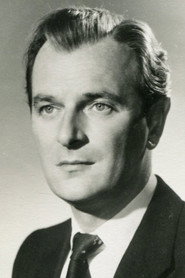 Nigel PatrickFlt Sgt Slingsby
 James KenneyCpl. Skinner
 Sydney TaflerCpl. Robb
 Griffith JonesGroup Capt. Todd
 Guy MiddletonSquadron Leader Scott
 Rachel KempsonMrs. Waltby
 Joan SimsHilda Tebbitt
Directing
- Lewis GilbertDirector
- Betty ForsterScript Supervisor
Writing
- John HarrisNovel
- Lewis GilbertWriter
- Vernon HarrisWriter
Production
- Daniel M. AngelProducer