
Film
Malta Story
A 1953 British war film set during the Luftwaffe's siege of Malta in 1942. It balances intimate human drama—a pilot's romance with a local girl—against the grinding reality of sustained aerial bombardment. Alec Guinness anchors it with quiet professionalism. It's a thoughtful, unglamorous look at how ordinary people endure extraordinary pressure, made by filmmakers who understood the war firsthand.
If you liked this
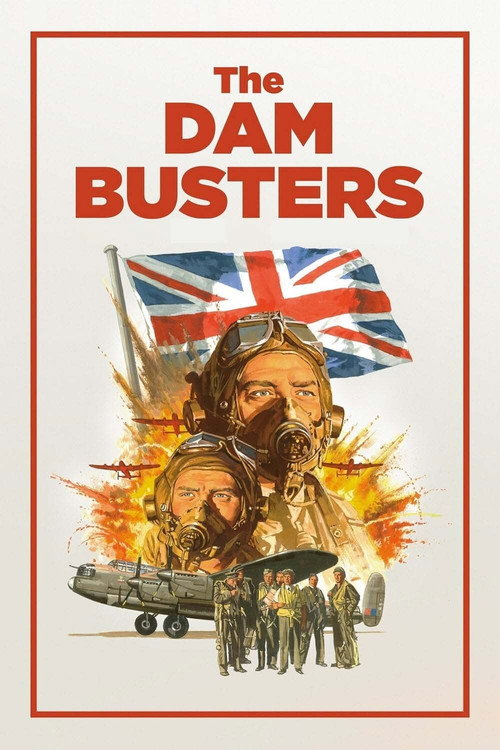
The Dam Busters1955
A spectacular technical achievement about the 617 Squadron's ingenious raid on German dams. Like Malta Story, it privileges the engineering problem and the men's steady professionalism over sentimentality. Thrilling without being loud.
But The middle section drags through training sequences. The film's age shows in some of the effects work, and modern audiences may find the pacing deliberate.
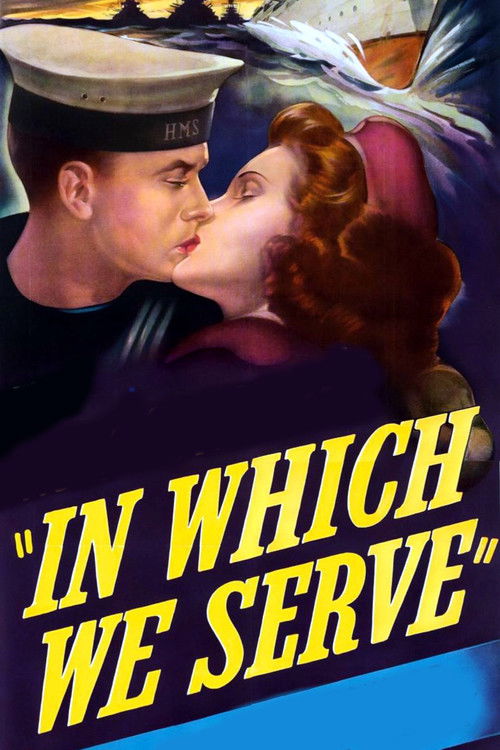
In Which We Serve1942
Noël Coward's naval drama about a ship and its captain, structured as memory and flashback. It has the same documentary-realist approach to wartime experience—messy, unglamorous, focused on ordinary courage under sustained pressure.
But The episodic structure can feel fragmented. Some of the patriotic sentiment feels dated, and Coward's screen presence is mannered even by 1942 standards.
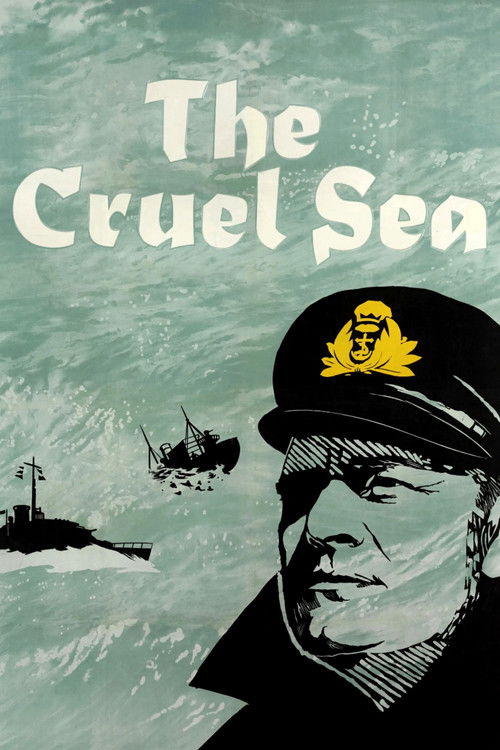
The Cruel Sea1953
Released the same year as Malta Story, this naval drama follows a corvette and its crew across the Atlantic. It shares the same unflinching commitment to showing how men break and endure, without melodrama or false heroism.
But It's relentlessly bleak. The pacing is glacial by modern standards, and there's no romantic subplot to lighten the weight.
Not sure tonight? Get a pick in a minute, starting from Malta Story
The wildcard
Something you would not have found on your own.
Paisan1946
Both films use a war-torn location and local people as the center of gravity rather than military spectacle. Both refuse to simplify the moral texture of occupation and resistance. Both were made by filmmakers working from actual wartime experience.
Roberto Rossellini's neo-realist masterpiece set in Italy as the Allies advance northward. Like Malta Story, it shows war as it actually felt—confusing, intimate, morally complicated, seen through the eyes of ordinary people trying to survive. Incomparably moving.
But It's in Italian with subtitles. The episodic structure means it has no conventional plot, and the final sequence is almost unbearably bleak. Some sequences are very hard to watch.

More like this (8)
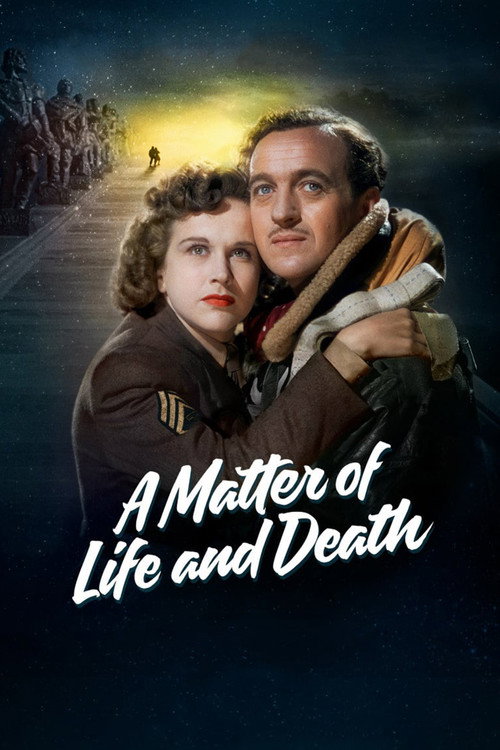
A Matter of Life and Death1946
Powell and Pressburger's audacious fantasy about a pilot who may or may not be dying, caught between the mundane and the transcendent. Like Malta Story, it treats wartime experience with philosophical seriousness and visual imagination.
But The supernatural framing device bewilders some viewers. It's very long and occasionally precious in its staging.
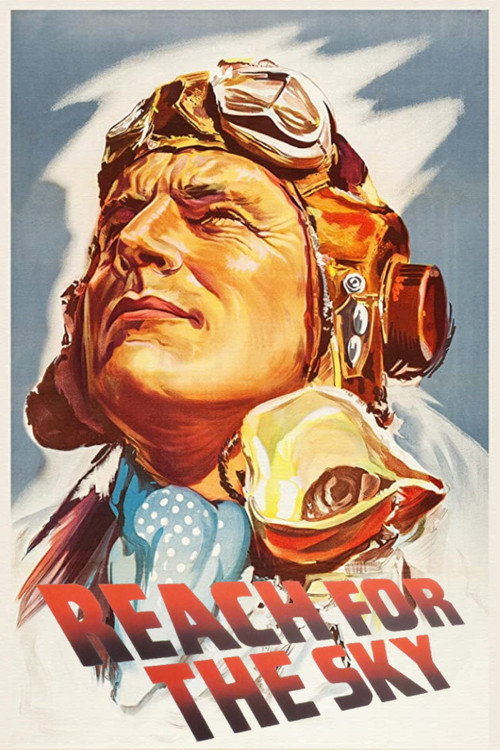
Reach for the Sky1956
Douglas Bader's true story, told with the same restrained British professionalism. It understands that heroism often looks like stubborn competence and refusal to quit. Kenneth More is excellent and understated.
But The biographical structure is predictable. It veers into inspirational territory that Malta Story carefully avoids.
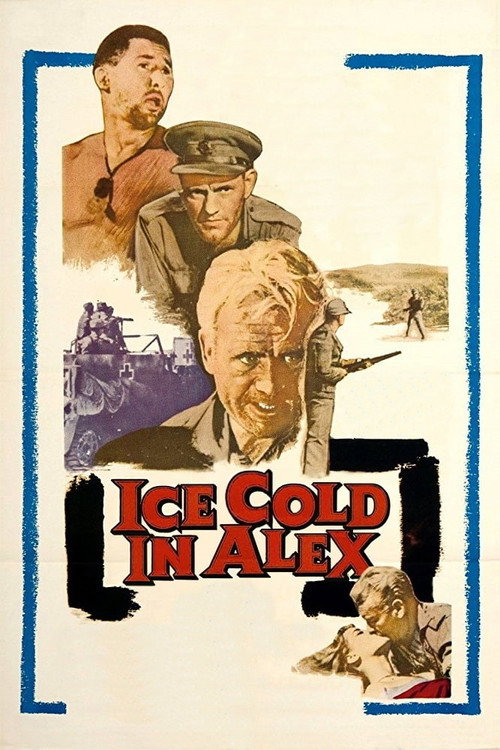
Ice Cold in Alex1958
A desert journey across North Africa during the war, where physical endurance and the bonds between men under stress become everything. It has Malta Story's commitment to showing people grinding through difficulty.
But It's formulaic in structure. The final act reveal feels tacked-on, and some of the character work is thin.
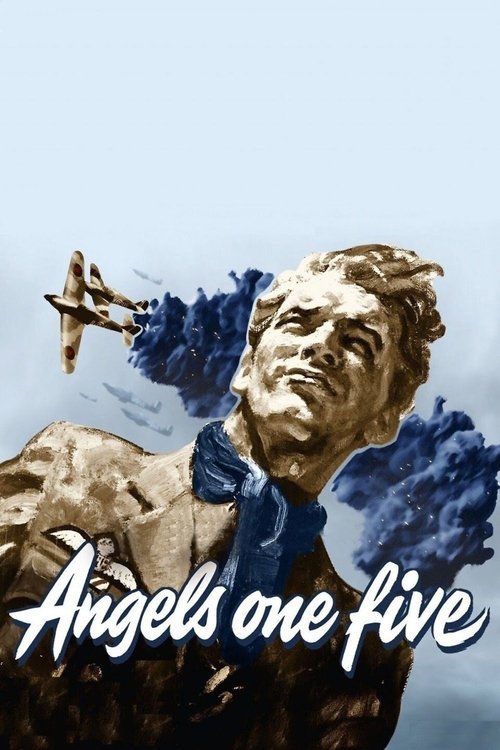
Angels One Five1952
A small-scale RAF drama about pilots and ground crew. It captures the daily rhythm of wartime service—the tedium, the camaraderie, the sudden violence—without pretension or excess.
But Very little plot. It's essentially a day in the life, which will bore viewers looking for narrative momentum.
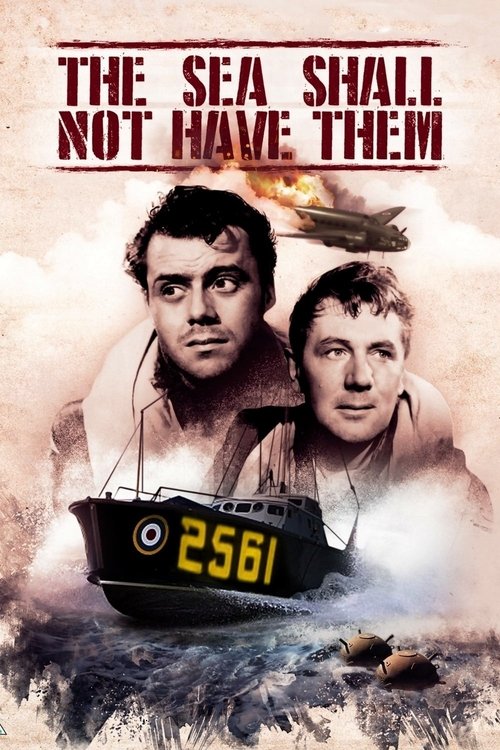
The Sea Shall Not Have Them1954
A quiet, observant film about RAF servicemen adrift after a crash, waiting for rescue. It shares Malta Story's interest in how men endure together when there's nothing left but patience and each other.
But Nothing much happens. The entire film is a waiting room. Impatient viewers will hate it.
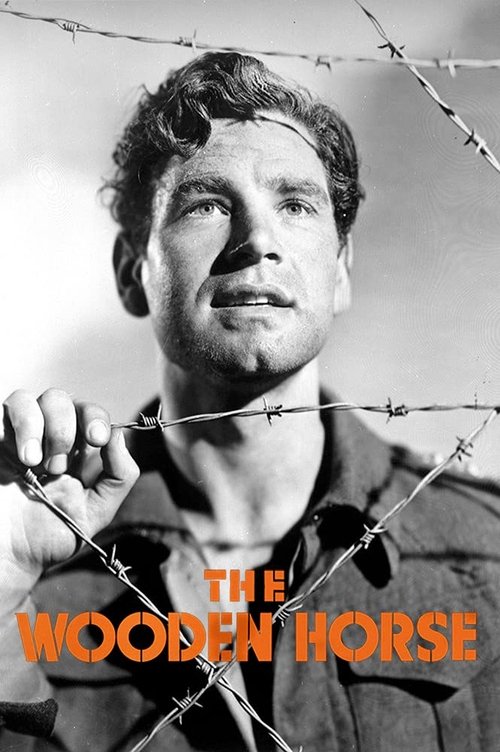
The Wooden Horse1950
A POW escape film that prioritizes ingenuity and teamwork over action. It's methodical and absorbing in the way Malta Story is—interested in how problems are solved under constraint.
But The escape is a well-known historical fact, so suspense is limited. The film is talky and moves at a deliberate pace.
Come and See1985
Both use a single location and sustained bombardment as their engine. Both refuse to separate the intimate and the historical. Malta Story whispers; Come and See screams. Together they define the range of honest war cinema.
Elem Klimov's Soviet film about a boy conscripted into the Red Army during the Nazi retreat. It's the inverse of Malta Story's restraint—a furnace of accumulated trauma and horror. Unbearably powerful. Essential cinema about what war actually does.
But It's one of the most disturbing films ever made. The second half is almost unwatchable, and it offers no catharsis or comfort. Not a film to watch casually or recover from quickly.

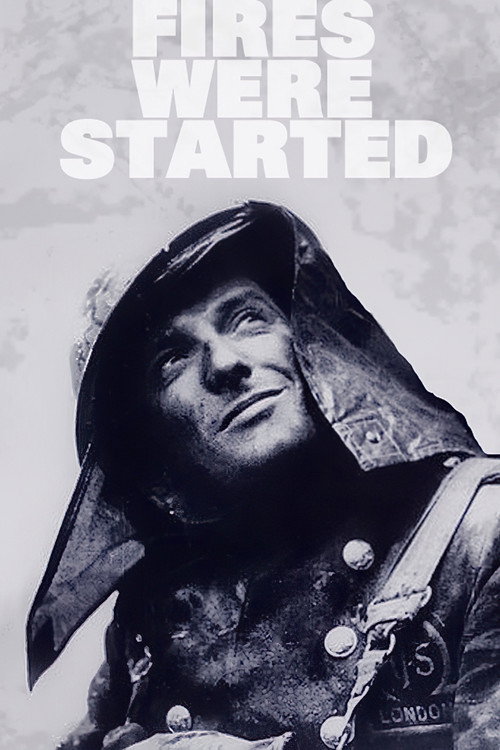
Fires Were Started1943
Both films use a siege—sustained, grinding pressure from the air—as a crucible for character. Both trust their audience to find drama in competence and endurance rather than spectacle. Both were made during or immediately after the war by people who knew what they were documenting.
Humphrey Jennings' documentary-fiction hybrid about London firefighters during the Blitz. Shot in real locations with non-actors, it captures the unglamorous reality of endurance—waiting, working, the small jokes that keep people sane. Lyrical and tough at once.
But It has no conventional narrative or dramatic arc. The pacing is slow, and it requires patience with long sequences of ordinary work. Some viewers find it dated and overly reverent.
People
Cast
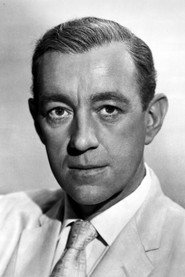 Alec GuinnessFlight Lt. Peter Ross
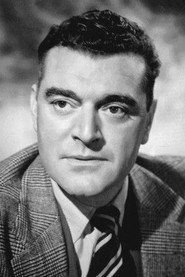 Jack HawkinsAir CO Frank
 Muriel PavlowMaria Gonzar
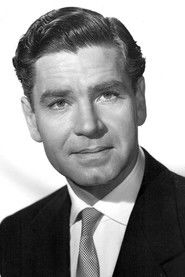 Anthony SteelJohn Bartlett
 Renée AshersonJoan Rivers
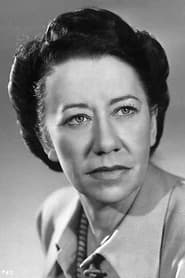 Flora RobsonMelita Gonzar
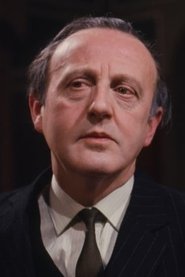 Hugh BurdenEden
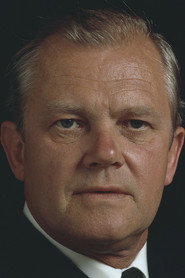 Nigel StockGiuseppe Gonzar
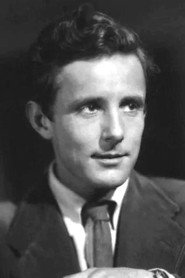 Stuart BurgePaolo Gonzar
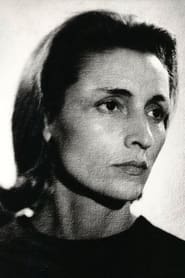 Rosalie CrutchleyCarmella Gonzar
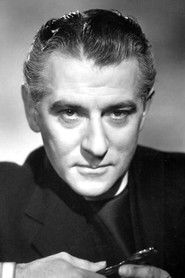 Reginald TateVice Adm. Payne
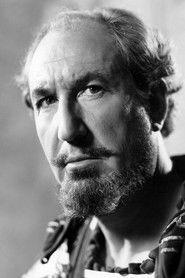 Ralph TrumanVice Adm Willie Banks
Directing
- Brian Desmond HurstDirector
- Tilly DayScript Supervisor
- Maurice GibsonThird Assistant Director
Writing
- Peter De SarignyIdea
- Thorold DickinsonIdea
- Hugh P. LloydNovel
- Nigel BalchinScreenplay
- William FairchildScreenplay
- William FairchildStory
Production
- Earl St. JohnExecutive Producer
- Peter De SarignyProducer