
Film
Paisan
- War drama
- Dip in and out
Rossellini's six-part portrait of Italy during WWII, told through encounters between American soldiers and Italian civilians as the war moves north. Shot on location with non-professional actors, it feels less like drama than testimony. Fragmented, sometimes shapeless, always humane—a film that trusts you to find meaning in ordinary moments of confusion, kindness, and loss.
Should you watch it?
Watch it if you love Rossellini's loose, documentary-style episodes where small human encounters carry the weight of a whole war, and you don't mind stories that stop before they resolve.
Skip it if you want a single protagonist, a clear plot arc, or a war film built around battles; the six separate chapters are episodic, with new characters and places arriving and departing.
What it asks of you: Around two hours and five minutes of patient attention, with quiet stretches between episodes and a mood that stays grave and observational rather than thrilling.
Not sure? Find tonight's pick in a minute.
If you liked this
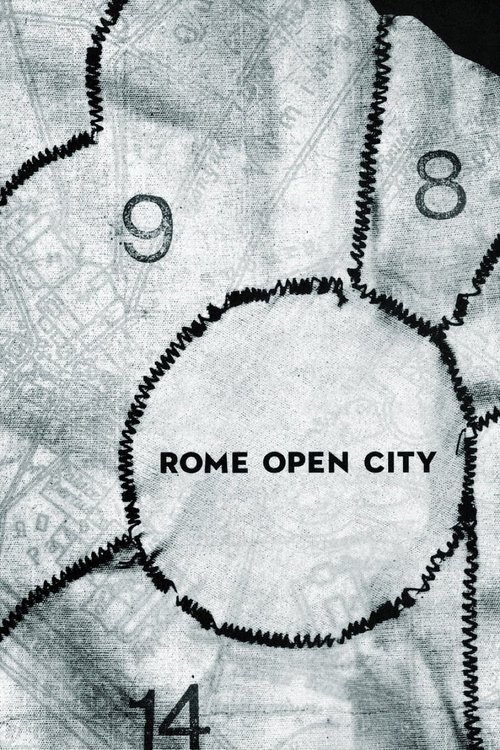
Rome, Open City1945
Rossellini's masterpiece of occupied Rome under Nazi rule. Like Paisan, it captures the moral chaos of war through the lives of ordinary people caught between survival and conscience. Essential viewing.
But Shot immediately after liberation with real partisans and street actors, it can feel rough and unpolished compared to conventional drama. The violence, when it comes, is unflinching.
Bicycle Thieves1948
De Sica's neorealist gem about a man searching Rome for his stolen bicycle. Like Paisan, it finds tragedy and dignity in small human struggles. No plot tricks, no sentimentality—just the weight of ordinary life.
But Almost nothing happens by conventional standards. If you need a story with momentum and resolution, this will feel like watching someone else's mundane day.

Umberto D.1952
De Sica's devastating portrait of an elderly pensioner in post-war Rome, struggling with poverty and indifference. It shares Paisan's refusal to look away from difficult truths, and its faith in small acts of human connection.
But It is genuinely depressing. No catharsis, no uplift—just the slow grinding pressure of being old and unwanted in a world that has moved on.

Not sure tonight? Get a pick in a minute, starting from Paisan
The wildcard
Something you would not have found on your own.
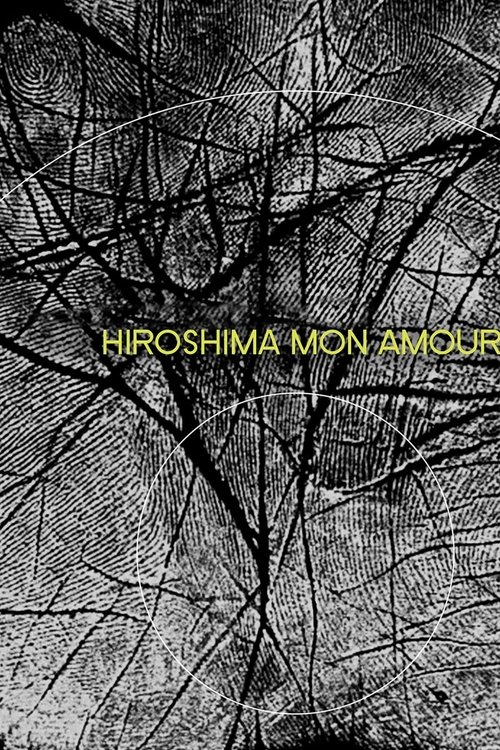
Hiroshima Mon Amour1959
Both films use fragmented, episodic structure to explore how war scars landscapes and people; both trust the viewer to assemble meaning from juxtaposition; both ask how intimacy survives historical catastrophe.
Resnais and Duras craft a film about memory, trauma, and the impossibility of truly knowing another person—set in post-war Hiroshima between a French actress and a Japanese man. Like Paisan, it refuses neat narrative; instead it builds meaning through fragments, coincidence, and the weight of history pressing on intimate moments.
But The structure is experimental and the dialogue is often poetic or abstract rather than naturalistic. If you need conventional plot momentum or emotional clarity, you will find it maddening.
More like this (8)
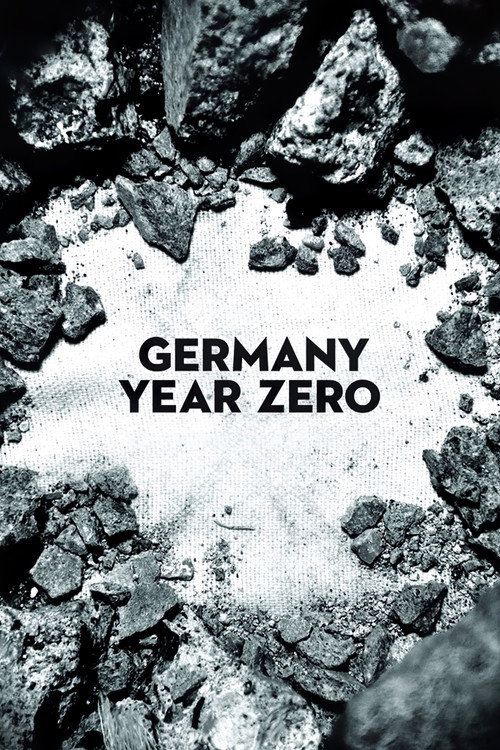
Germany, Year Zero1948
Rossellini again, this time documenting Berlin in ruins through the eyes of a thirteen-year-old boy. Like Paisan, it's a patchwork of encounters that adds up to a portrait of a continent in shock. Haunting and strange.
But The narrative is deliberately fragmented and the tone shifts without warning. Some scenes feel almost documentary; others veer into nightmare. It's unsettling rather than comforting.
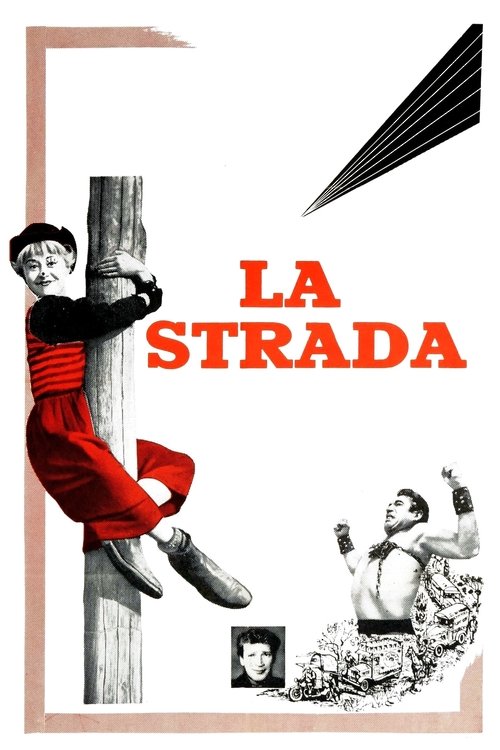
La Strada1954
Fellini's tale of a wandering strongman and the girl he buys as a servant. It shares Paisan's episodic structure and its eye for the poignant detail in marginal lives. Gorgeously shot, deeply strange.
But It's a bleak film wrapped in poetry. The main character is brutal and the ending doesn't redeem him. You leave heartbroken rather than satisfied.
The Leopard1963
Visconti's epic of Sicily during the 1860 unification—another film about Italy in upheaval, watching old orders collapse. Sumptuous and sad, it captures how historical change feels to those living through it.
But It is very long, very Baroque, and more interested in decay and nostalgia than drama. Some find it glacial; the pacing is deliberate.

La Haine1995
Mathieu Kassovitz's 24-hour portrait of three young men in the Paris suburbs after a riot. Like Paisan, it's structured around encounters and conversations, building a world through fragments rather than plot.
But It's angry and claustrophobic. The dialogue is rapid and the setting feels hostile. If you want escape or comfort, this isn't it.

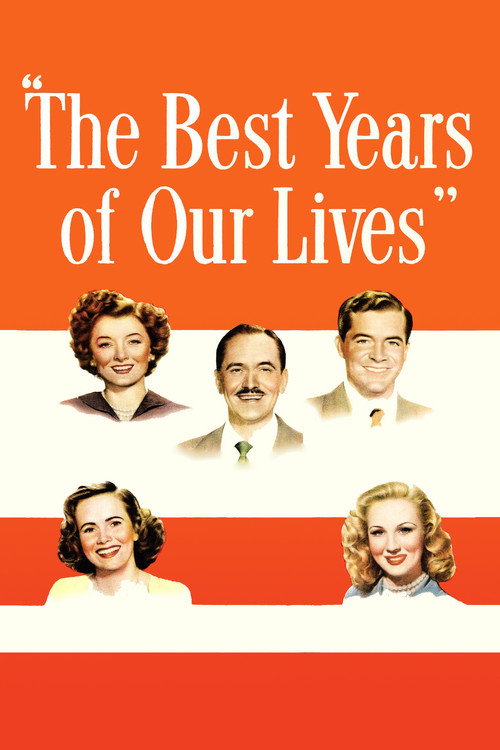
The Best Years of Our Lives1946
Wyler's American counterpoint: three servicemen returning home to Indiana, wrestling with readjustment. Made the same year as Paisan, it's a sincere, unglamorous portrait of how war echoes through civilian life.
But At over three hours, it can feel baggy. The emotional beats are obvious and some scenes strain for meaning. It's earnest in a way that doesn't always land.
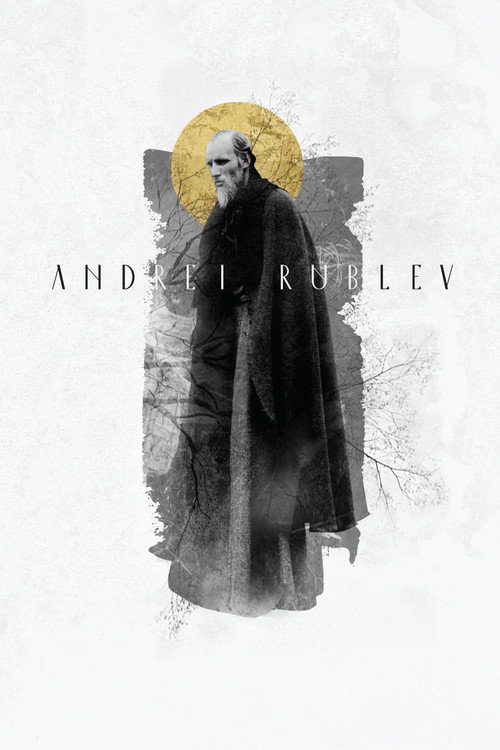
Andrei Rublev1966
Tarkovsky's meditation on art and faith during medieval Russia's darkest hours. Like Paisan, it's constructed as episodes in a larger whole, finding transcendence in suffering and the stubborn human need to create.
But It's three hours long, philosophically dense, and the narrative is elusive. Some sequences feel glacial. Patience is not optional.
Come and See1985
Both are war films made by directors who witnessed occupation or invasion; both refuse propaganda or heroism; both use real locations and documentary-like technique to create unbearable authenticity; both trust that witnessing atrocity matters.
Elem Klimov's brutal Soviet film about a teenager conscripted into WWII, following a single boy through escalating horror. It's the spiritual inverse of Paisan—no distance, no mercy, no moments of grace to break the relentlessness. Unbearably powerful.
But This is not entertainment. It's an endurance test designed to make you understand what total war does to human beings. The violence is graphic, the despair is complete, and there is no looking away gracefully.

Singin' in the Rain1952
Released six years after Paisan, it's a visceral reminder that cinema in 1946 could go two directions: Rossellini's unflinching neorealism or the escapism this film perfects. Both are valid responses to a world in ruins; both use film's capacity for beauty, but toward opposite ends.
Kelly and Donen's explosion of joy—a Hollywood musical about the transition from silent to sound film, bursting with color, dancing, and the simple pleasure of people having the time of their lives on screen. Not made for seriousness.
But It is frothy and artificial and utterly concerned with spectacle rather than meaning. If you've just watched Paisan, the shift in register can feel jarring. Some find musicals fundamentally unserious.

People
Cast
- Carmela SazioCarmela
- Benjamin EmanuelAmerican Soldier
- Raymond CampbellAmerican Soldier
- Harold WagnerHarry, a German soldier
- Albert HeinzeGerman soldier
- Merlin BerthMerlin, American Soldier
- Mats CarlsonSwede, an American soldier
- Leonard ParrishAn American soldier
 Dots JohnsonAmerican MP
- Alfonsino PascaPasquale
 Maria MichiFrancesca
Directing
- Roberto RosselliniDirector
- Federico FelliniFirst Assistant Director
- Massimo MidaFirst Assistant Director
- Annalena LimentaniSecond Assistant Director
- Eugenia HandamirSecond Assistant Director
Writing
- Federico FelliniDialogue
- Roberto RosselliniDialogue
- Sergio AmideiDialogue
- Federico FelliniScreenplay
- Klaus MannScreenplay
- Roberto RosselliniScreenplay
- Rod E. GeigerScreenplay
- Sergio AmideiScreenplay
- Alfred HayesStory
- Federico FelliniStory
- Marcello PaglieroStory
- Roberto RosselliniStory
- Sergio AmideiStory
- Vasco PratoliniWriter
Production
- Mario ContiProducer
- Roberto RosselliniProducer
- Rod E. GeigerProducer
- Ugo LombardiProduction Manager
- Alberto ManniProduction Supervisor
- Augusto DolfiProduction Supervisor