
Film
Two Women
- War drama
- Very dark
Sophia Loren's only Oscar-winning role: a mother and daughter fleeing Rome through the Italian countryside during WWII's final chaos. Neorealist in approach but operatic in feeling—intimate and devastating, where the personal and historical horrors become inseparable. For anyone who believes cinema can hold both tenderness and brutality without flinching.
Should you watch it?
Watch it if you are drawn to neorealist-leaning character studies, where a mother's stubborn protectiveness carries the film and the camera lingers on ordinary faces before history intrudes.
Skip it if you want brisk plotting or battle scenes, since this moves at the pace of daily survival, with long stretches of walking and waiting some will find slow.
What it asks of you: Roughly a hundred minutes of unhurried scenes, with unease building gradually and a patient, observant tone that holds long before it hardens.
Not sure? Find tonight's pick in a minute.
If you liked this
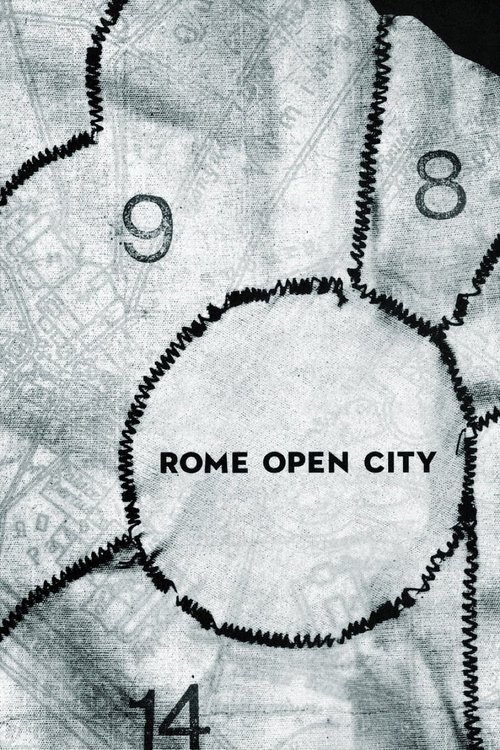
Rome, Open City1945
Rossellini's essential neorealist masterpiece about resistance and survival in Nazi-occupied Rome. Raw, urgent, unflinching about what ordinary people endure and sacrifice when systems collapse.
But The print quality can be uneven, and some of the emotional beats land with the directness of a hammer rather than a scalpel. Some find it overwrought.
Bicycle Thieves1948
Another neorealist landmark: a father searching Rome for his stolen bicycle, which means everything to his family's survival. Heartbreaking simplicity that reveals the weight of small things when you have nothing.
But The pacing is deliberate and the plot minimal. If you need narrative momentum or spectacle, this will feel like watching someone else's crisis in real time.

Contempt1963
Godard's luminous examination of a marriage fracturing under the pressures of film production and money. Brigitte Bardot at her most magnetic, the Mediterranean light almost obscene in its beauty.
But It's formally experimental and the emotional core is glacial. The plot isn't a plot in the traditional sense—it's the slow chill of two people recognizing they've become strangers.

Not sure tonight? Get a pick in a minute, starting from Two Women
The wildcard
Something you would not have found on your own.
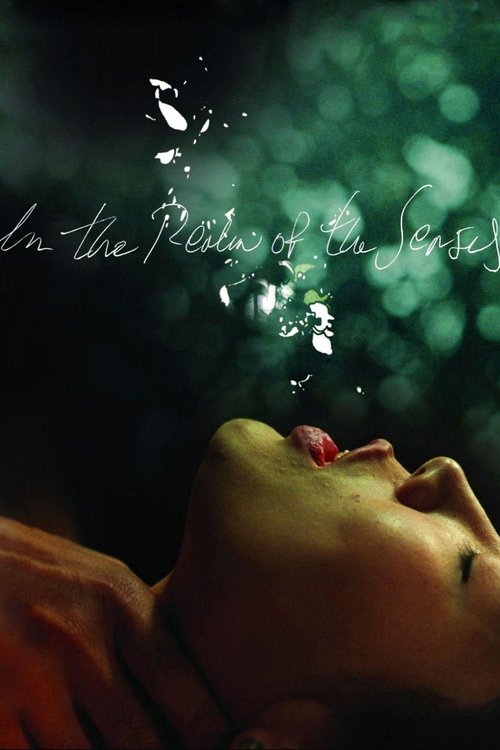
In the Realm of the Senses1976
Both use female bodies and maternal protection as the lens through which war's corruption enters intimate life. But where Loren's mother is violated by circumstance, Oshima's film asks whether surrender to desire is resistance or complicity. Opposites in form but twins in moral complexity.
Oshima's transgressive masterpiece set in 1930s Japan: a maid and her employer's affair becomes all-consuming during the rise of militarism. Explicit, unsettling, hypnotic—sexuality as obsession, as escape, as political act.
But Graphic sexual content that's neither titillating nor comfortable. The film is deeply disturbing by design. Long stretches of intensity with little dialogue or plot in the conventional sense.
More like this (6)
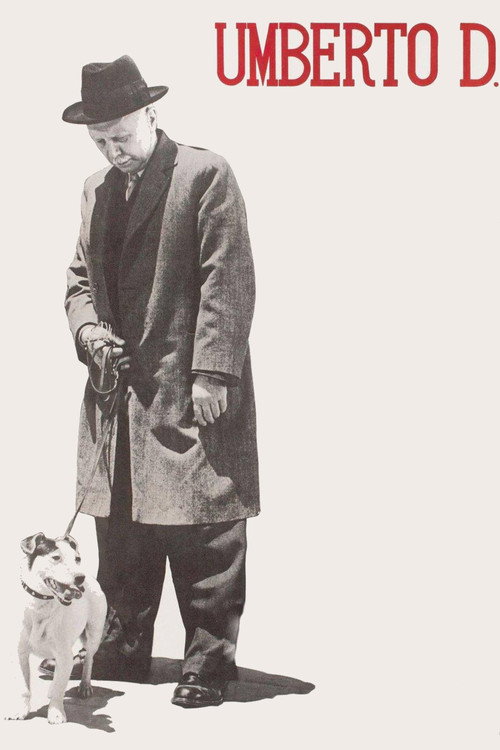
Umberto D.1952
De Sica's gentle, devastating portrait of an elderly pensioner in post-war Rome with nothing but his dog. Neorealism turned inward—small, true, unbearably poignant.
But It's slow and domestic and plotless. The 'action' is an old man struggling to pay rent and care for a dog. If you want drama with momentum, this isn't it.
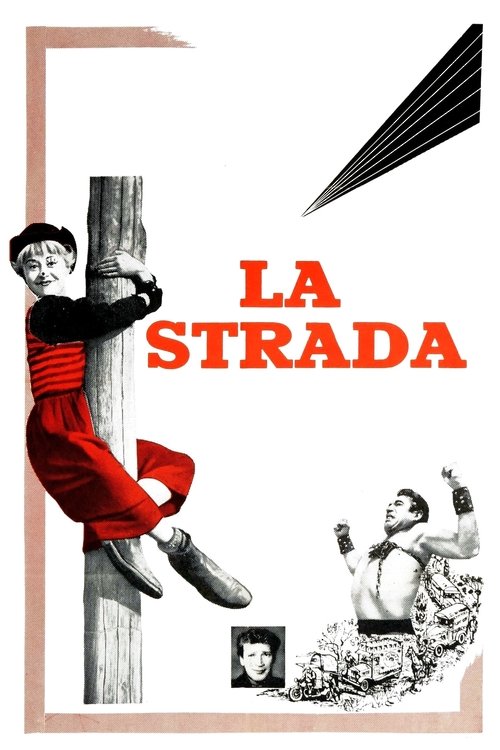
La Strada1954
Fellini's haunting fable about a young woman sold to a traveling strongman. Magical and tragic in equal measure, visually breathtaking, with an emotional core that stays with you for years.
But It's dreamlike and digressive, more concerned with mood and symbol than plot clarity. The cruelty at its heart isn't easy to sit with, and the pacing won't satisfy those wanting conventional narrative.
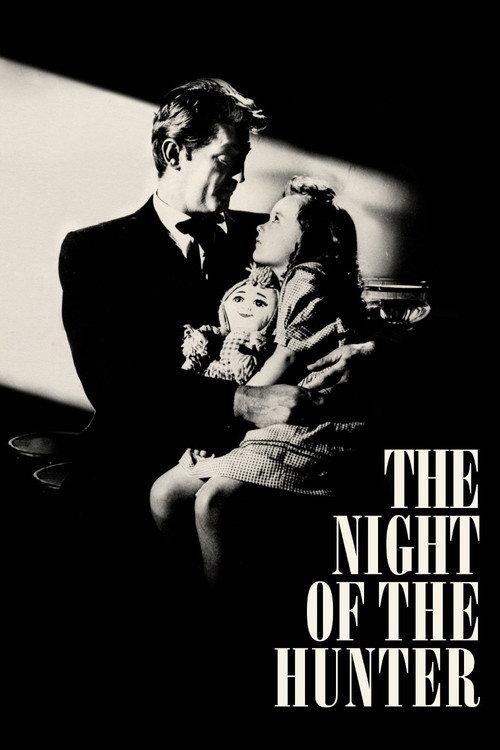
The Night of the Hunter1955
Charles Laughton's only directorial effort: a widowed mother protecting her children from a psychopathic preacher. Expressionist and deeply strange, visually ravishing, morally clear about good and evil.
But The style is mannered and theatrical. Robert Mitchum's preacher can veer into camp, and the fairy-tale logic won't appeal to those wanting realism or psychological nuance.
Germany, Year Zero1948
Rossellini's shattering portrait of a boy trying to survive in post-war Berlin. Documentary-like in its rawness, it examines how war corrupts innocence with unblinching clarity.
But It's bleak and offers no comfort. The ending is not redemptive, and the film treats childhood suffering as central rather than tragic ornamentation. Very difficult to watch.
Paisan1946
Rossellini's episodic masterpiece following Allied soldiers and Italian civilians through the American invasion from Sicily to the Po Valley. Six stories of collision, compassion, and chaos—neorealism at its most expansive.
But The episodic structure means no single narrative thrust. Some segments are stronger than others, and the film's length and diffuse focus test patience. No clear through-line.
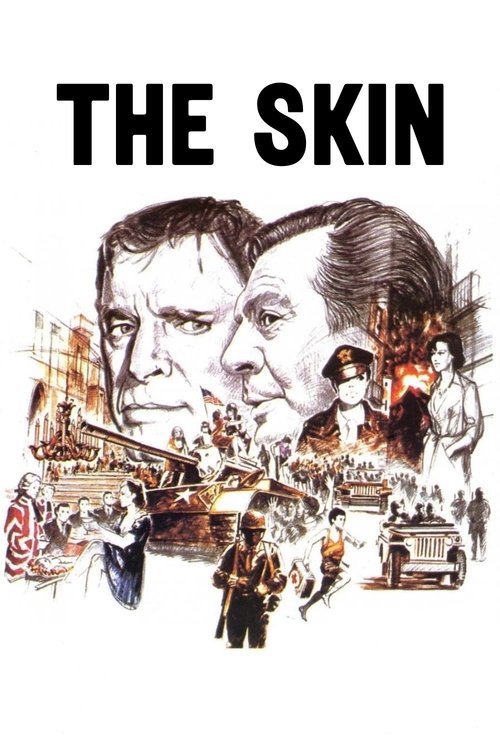
The Skin1981
Visconti's operatic meditation on Naples during WWII: beauty, corruption, survival, and the body as battleground. Burt Lancaster, Claudia Cardinale, visuals that are almost unbearably sumptuous.
But It's three and a half hours of baroque excess—sensual but sometimes indulgent. The narrative can feel untethered, and Visconti's romanticism about decadence won't resonate with everyone.
People
Cast
 Sophia LorenCesira
 Eleonora BrownRosetta
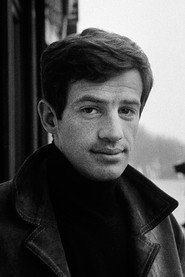 Jean-Paul BelmondoMichele Di Libero
 Raf ValloneGiovanni
 Carlo NinchiFilippo, il padre di Michele
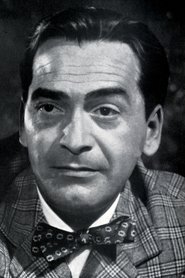 Andrea Checchiun fasciste
 Pupella Maggioun fermier
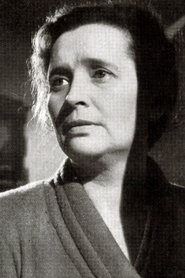 Emma BaronMaria
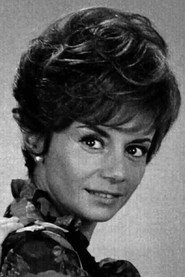 Antonella Della PortaLa madre impazzita
 Bruna Cealtiune évacuée
 Luciano PigozziScimmione
 Franco Balducciil tedesco nel pagliaio
Directing
- Vittorio De SicaDirector
- Luisa AlessandriFirst Assistant Director
- Ines BruschiScript Supervisor
- Checco RissoneSecond Assistant Director
- Giovanni FagoSecond Assistant Director
Writing
- Alberto MoraviaNovel
- Cesare ZavattiniScreenplay
Production
- Mario BianchiAdministration
- Jone TuziLine Producer
- Carlo PontiProducer
- Alfredo MelidoniProduction Secretary
- Gianni CecchinUnit Manager
- Lucio BompaniUnit Manager
Recommended by
My Brilliant Friend, Nights of Cabiria, The Rose Tattoo, Marriage Italian Style, Yesterday, Today and Tomorrow, Indiscretion of an American Wife