
Film
Indiscretion of an American Wife
A 1953 melodrama about an American housewife torn between her marriage and a passionate Roman affair. Shot mostly in a train station, it's a chamber piece about desire, duty and the weight of choice—intimate and claustrophobic, all longing glances and unspoken dread. For anyone who loves the ache of mid-century romance and moral complexity.
Should you watch it?
Watch it if you love brief, restrained romances where two people talk around a longing they cannot afford, and a railway station feels like the right place for it.
Skip it if you want a romance that moves briskly or lets its lovers off the hook; this one lingers in anxious hesitation and rarely lets you settle.
What it asks of you: Barely an hour long, it runs on lingering looks and unhurried talk, so it rewards full attention in one sitting rather than half-watching while doing something else.
Not sure? Find tonight's pick in a minute.
If you liked this
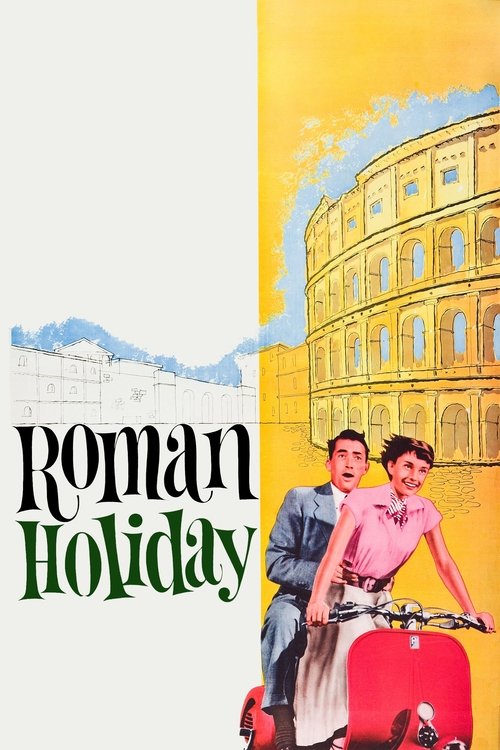
Roman Holiday1953
Released the same year, it's also about an American encountering Italy and romance, but inverts the script: here the woman chooses duty, and the sadness is genuine. Audrey Hepburn's grace and Gregory Peck's restraint make a perfect pair.
But It's gentler and more whimsical than Indiscretion; if you're after raw romantic anguish, you might find it too polite and neat.
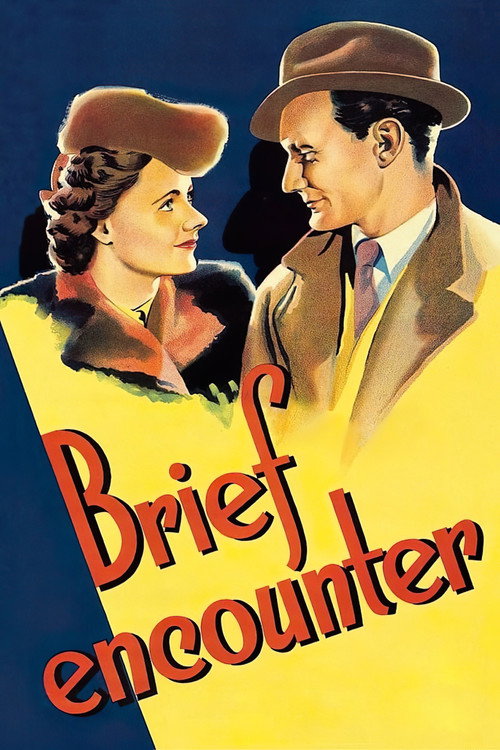
Brief Encounter1945
The mother of all doomed-affair films. Two married strangers fall in love in a train station café—the setup mirrors Indiscretion exactly. Celia Johnson and Trevor Howard are heartbreaking, and Noël Coward's script cuts to the bone.
But British restraint means everything is implied rather than felt; if you want passion on screen rather than suppressed longing, it may frustrate.
A Place in the Sun1951
Montgomery Clift again, playing a man destroyed by desire and class resentment. The opening half is gorgeously romantic; the second half is moral catastrophe. Elizabteh Taylor is luminous, and the tragedy is absolute.
But It's long, slow-paced, and the second half is genuinely heavy—not everyone wants their romance film to become a courtroom drama about guilt.

Not sure tonight? Get a pick in a minute, starting from Indiscretion of an American Wife
The wildcard
Something you would not have found on your own.
Rope1948
Both trap moral chaos in a single location and time. Both ask what happens when desire meets duty in a room with nowhere to go.
Hitchcock's real-time thriller set almost entirely in one room: two men, a murder, and the person they're trying to deceive. Like Indiscretion, it's about desire and deception unspooling in a confined space, but here it's a locked room instead of a train station, and moral complexity becomes moral crime.
But It's explicitly about a homosexual relationship in 1948; if you're uncomfortable with that subtext (or wanting it made text), this will feel coded or distasteful. The technical gimmickry—it's designed as one long take—can feel gimmicky rather than elegant.

More like this (8)
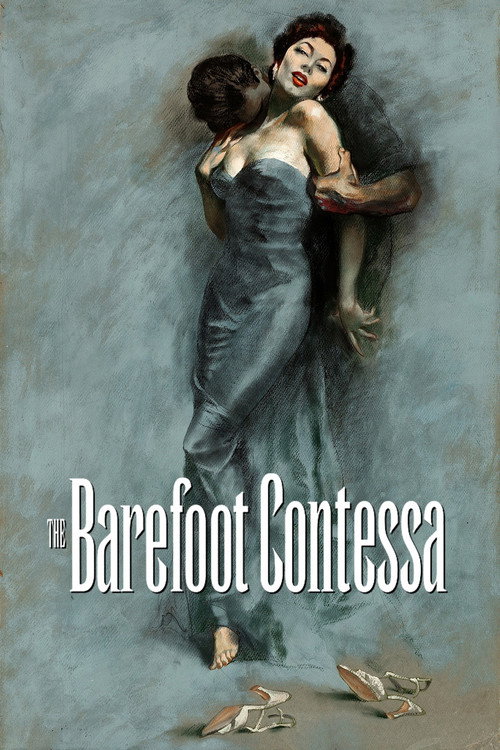
The Barefoot Contessa1954
Ava Gardner as a woman caught between men and continents, with Humphrey Bogart as a fixer watching from the margins. It's Rome, passion, and the question of whether you can escape your own nature.
But It's cynical and baroque; if you want sincerity, it'll feel like watching someone beautiful make bad decisions for two hours.
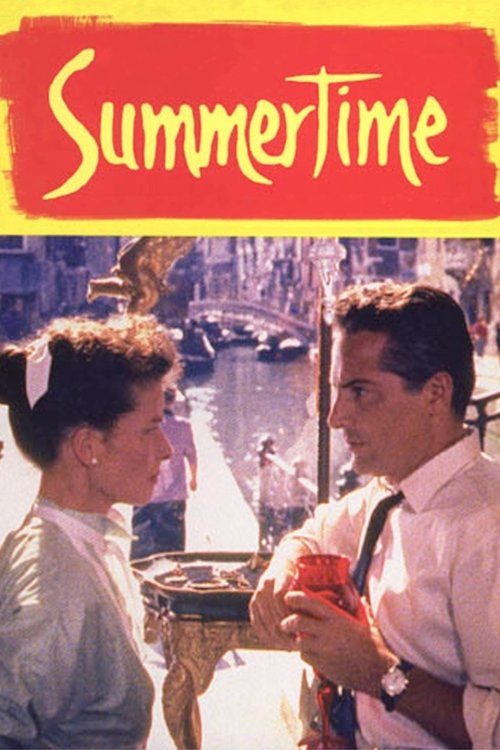
Summertime1955
Katharine Hepburn in Venice, falling for a local man she can never keep. It's achingly romantic, funny, and honest about the foolishness of desire. Lean's direction is impeccable, and the city becomes a character.
But The resolution is quiet and bittersweet in a way that might feel like a cop-out if you're hungry for drama.
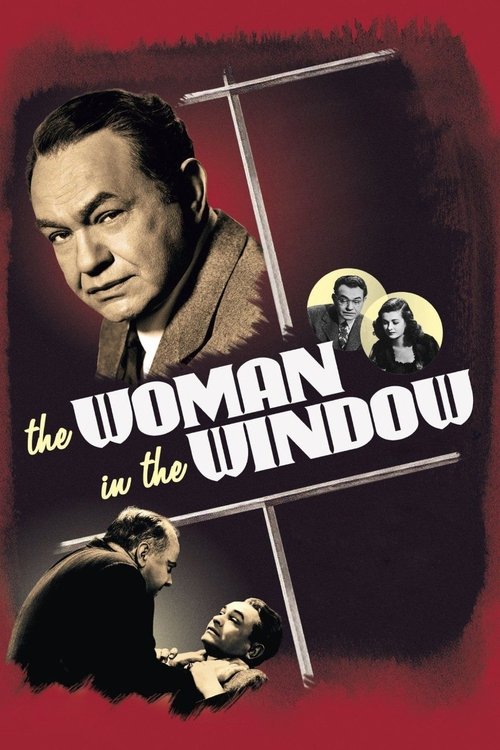
The Woman in the Window1944
A fantasy of infidelity—a married man becomes obsessed with a woman across the street. Joan Bennett is magnetic, and Fritz Lang builds suspense from standing still. It's about the gap between desire and consequence.
But It's noir and more psychological than romantic; the ending's a gut-punch that some find cheap, others find brilliant.
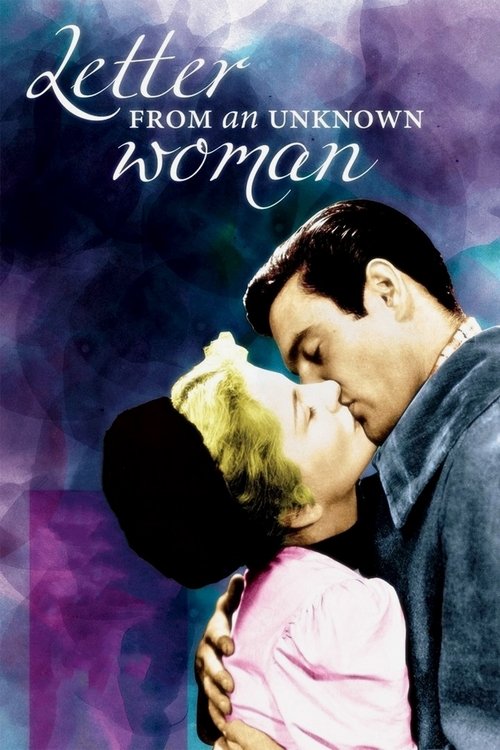
Letter from an Unknown Woman1948
Max Ophüls' masterpiece: a woman writes to a man she's loved across decades, unrequited. It's about the romance we invent in our heads versus the person in front of us—devastating and luminous.
But It's melancholic to the point of drowning. If you need a lift, this will leave you gutted for days.
Two Women1960
Sophia Loren in post-war Italy, a mother navigating desire, survival, and the cost of both. It's filmed with unflinching clarity and it's about real stakes—not just the heart but the body, safety, choice.
But It deals with sexual violence and trauma. It's not easy to watch, and rightfully so.

The Good Earth1937
Paul Muni and Luise Rainer as farmers whose marriage survives famine and change. It's about staying put when staying is harder than leaving—the opposite impulse from Indiscretion, but equally human.
But It's three hours long, in black-and-white, and the pacing is deliberate to the point of slowness.

Contempt1963
Both anatomise infidelity and marriage, but Contempt shows the marriage *after* the affair has already won. Same anatomy, different stage.
A marriage collapses in real time. Brigitte Bardot and Michel Piccoli barely speak, but Godard's colour and composition say everything about distance and resentment. It's about the death of love, not its bloom—but it starts from the same place Indiscretion does: a woman choosing between two men.
But It's 1960s experimental cinema: long takes, no plot to speak of, philosophy instead of drama. If you want story, this will feel like watching paint dry philosophically.

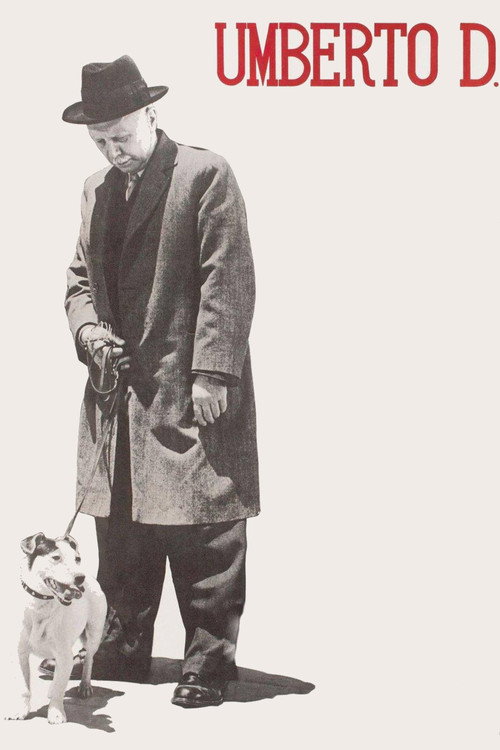
Umberto D.1952
Both are set in 1950s Rome and both use the city as a character—but where Indiscretion romanticises Italy as the place of passion and escape, Umberto D. shows it as a place of ordinary hardship. Same location, opposite truths.
An elderly man and his dog in post-war Rome—no romance, no affair, just the small dignity of staying alive when the world has stopped caring. De Sica shoots it with such tenderness that it becomes heartbreaking. It's about love, but not the kind Hollywood sells.
But It's neorealist: no music, no plot, no catharsis. An old man tries to pay rent for ninety minutes. If you want narrative momentum, you'll find it punishing.
People
Cast
 Jennifer JonesMary Forbes
 Montgomery CliftGiovanni Doria
 Gino CerviPolice Commissioner
 Richard BeymerPaul
 Paolo StoppaTraveling Salesman
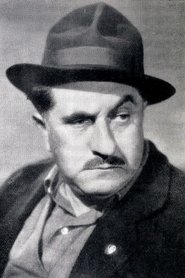 Nando BrunoRailway Worker
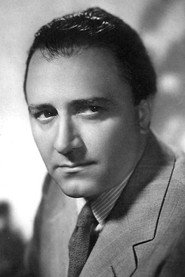 Enrico GloriPolice Brigadier
 Liliana GeracePregnant Sicilian Woman
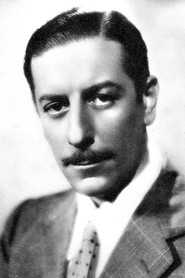 Giuseppe PorelliGallant Traveler
- Roberto RaiBrakeman
 Maria Pia CasilioYoung Bride from Abruzzo (uncredited)
 Clelia MataniaMother of Annoying Children on the Train (uncredited)
Directing
- Luisa AlessandriAssistant Director
- Vittorio De SicaDirector
- Mario RussoScript Supervisor
Writing
- Truman CapoteDialogue
- Cesare ZavattiniScreenplay
- Giorgio ProsperiScreenplay
- Luigi ChiariniScreenplay
- Cesare ZavattiniStory
- Ben HechtWriter
Production
- Marcello GirosiAssociate Producer
- Wolfgang ReinhardtAssociate Producer
- David O. SelznickExecutive Producer
- Vittorio De SicaProducer
- Nino MisianoProduction Manager
- Pasquale MisianoProduction Secretary
- Roberto MorettiUnit Manager