
Film
The Good Earth
A 1937 adaptation of Pearl Buck's novel following a Chinese farmer and his wife through decades of struggle, prosperity, and moral compromise. Lavishly made, emotionally direct, sometimes awkwardly acted. It won Best Picture and Best Actress; it also won for Best Cinematography, and the camera does most of the heavy lifting. For anyone curious about how Hollywood imagined China, or who wants to see what genuine ambition looked like from this era.
Should you watch it?
Watch it if you love patient, large-scale historical epics where a marriage is the spine and the land does most of the talking, and you don't need constant plot to stay hooked.
Skip it if you need brisk pacing or modern storytelling, since at over two hours this moves at the speed of seasons and its 1930s staging can feel stagey.
What it asks of you: Settle in for close to two and a half hours of gradual, weathered time, where the emotional weight builds through small domestic moments rather than sharp turns.
Not sure? Find tonight's pick in a minute.
If you liked this
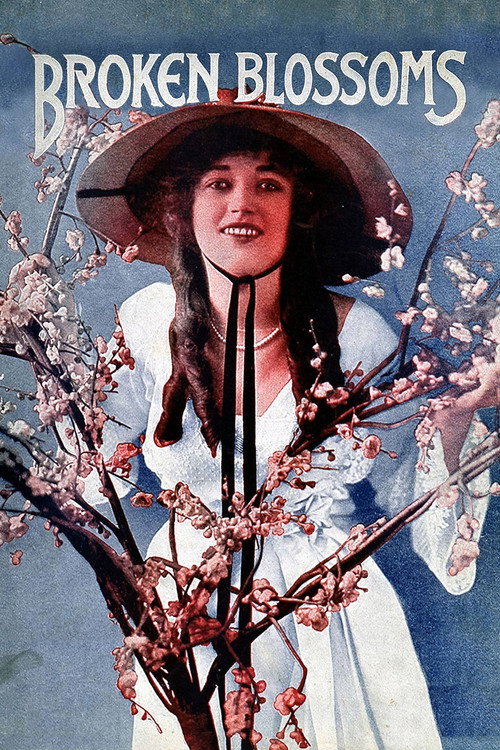
Broken Blossoms or The Yellow Man and the Girl1919
Griffith's tender, tragic story of a Chinese man and an abused English girl in London. It predates The Good Earth and handles emotional vulnerability with remarkable delicacy. Lillian Gish is luminous.
But It's silent, which means you're reading subtitles. Some of Griffith's casting choices feel wrong now, though the film itself treats its characters with genuine compassion.
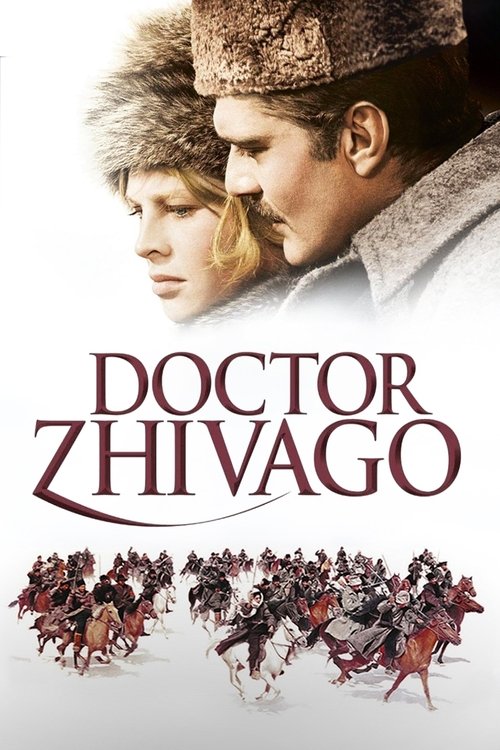
Doctor Zhivago1965
Lean's three-hour epic about marriage, revolution, and the impossible weight of history on individual lives. The scale and production design match The Good Earth's ambition. Both films believe in the grandeur of ordinary endurance.
But It's a lot of movie. The pacing is glacial. You'll watch it twice before you understand it. Some find that meditative; others find it exhausting.
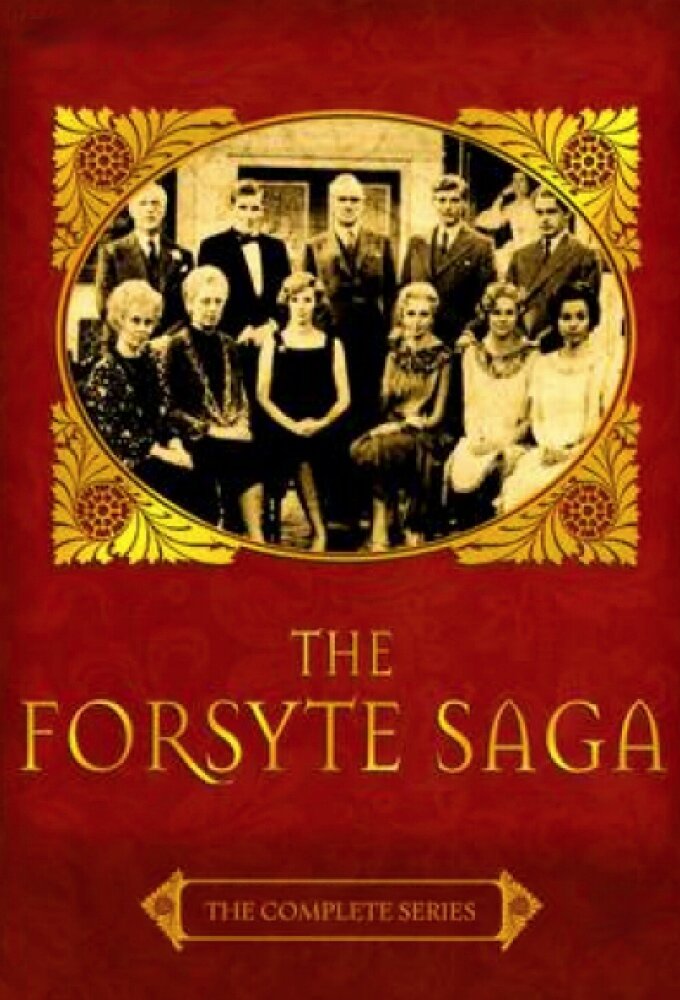
The Forsyte Saga1967
A multigenerational family story across decades, following how wealth corrupts principle and how love survives prosperity. The newer BBC version (2002) is clearer and more economical, but both versions capture what The Good Earth attempts: a family's long negotiation with desire.
But The very premise—rich people's problems across six hours—requires patience with the interior lives of people you might not like. It's slow by design.
Not sure tonight? Get a pick in a minute, starting from The Good Earth
The wildcard
Something you would not have found on your own.
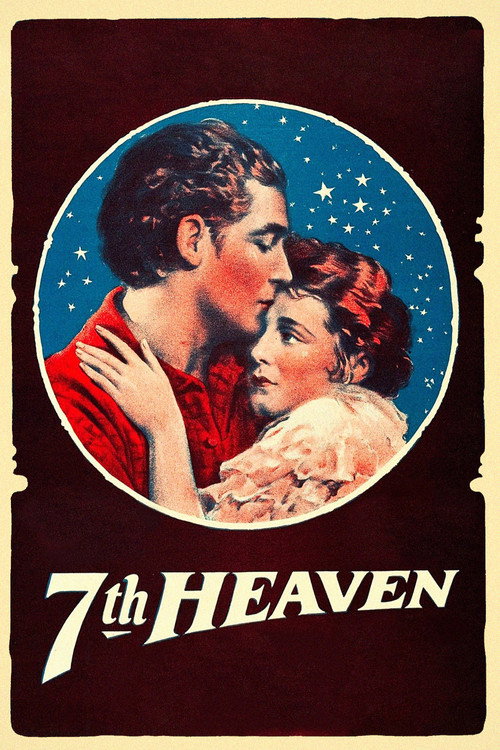
7th Heaven1927
Both won Best Picture in their respective years and both treat the interior lives of economically powerless people as tragedy-worthy material. The Good Earth zooms out to show a country; Seventh Heaven zooms into a room. Same philosophy, opposite scales.
Borzage's silent film about a sewer worker and a prostitute who find love in a rented room above Paris. It has The Good Earth's faith that ordinary people's emotional lives matter as much as emperors' wars. But it's intimate where The Good Earth is epic—two people and a window.
But It's silent and sentimental. The acting is broad by modern standards. The ending is unabashed about its romanticism, which will seem saccharine or beautiful depending on your mood.
More like this (7)
Ikiru1952
Kurosawa's quiet masterpiece about an elderly bureaucrat discovering meaning before death. Like The Good Earth, it's about a life lived partially, awakening to what matters. The tonal shift halfway through is one of cinema's great surprises.
But It's patient in a way modern cinema has trained us not to be. Nothing explodes. Nothing is urgent. That's rather the point, but it won't suit everyone.

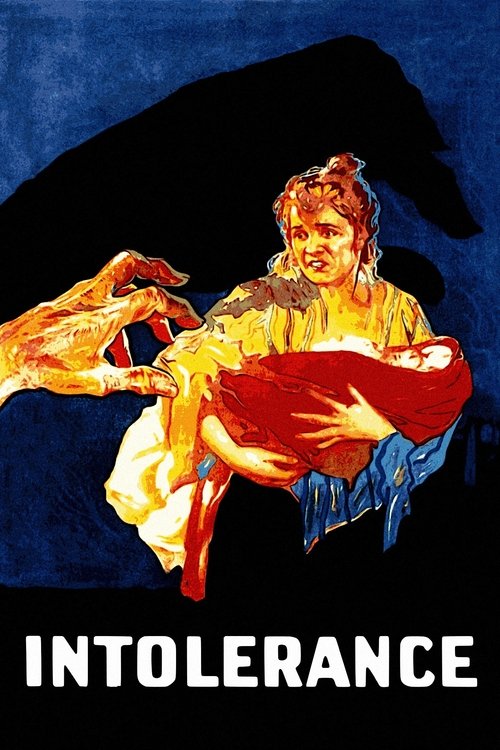
Intolerance: Love's Struggle Throughout the Ages1916
Griffith's ambitious four-narrative poem about power, greed, and how little has changed across centuries. It's the ancestor of everything The Good Earth tried to do with scale. Visually staggering and thematically obsessed with mercy.
But At 187 minutes, it's sprawling and sometimes incoherent. The Babylon sequence will either seem revolutionary or exhaustingly long. It requires faith.
The Remains of the Day1993
A servant looks back on a life of quiet complicity. Like Wang Lung, Stevens mistakes duty for wisdom and wakes too late. Both films are about the cost of politeness—how it can hollow you from within.
But It's a portrait of emotional restraint, which means very little actually happens. If you want release or catharsis, this film withholds it. Deliberately.

Stalker1979
Tarkovsky's film about a man guiding others through a mysterious zone toward a room that grants wishes. Structurally it mirrors The Good Earth: the long journey toward something promised, the question of whether arrival justifies the cost.
But It's glacially slow and philosophical. There's no plot twist, no action, no conventional drama. If you need forward momentum, you will find it punishing.

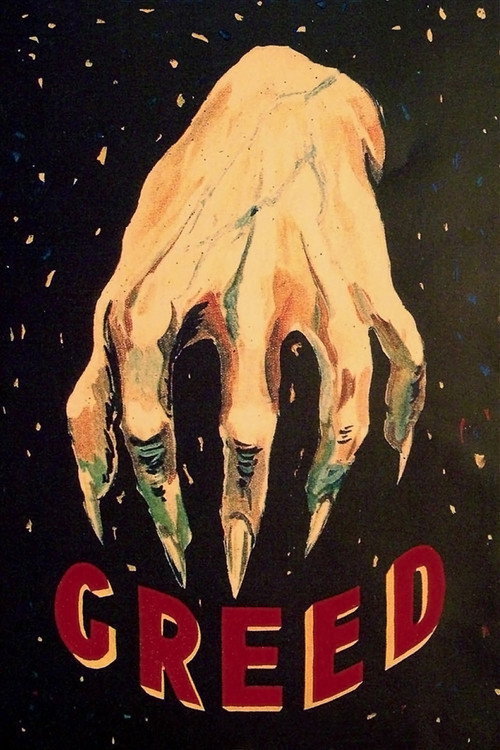
Greed1924
Stroheim's savage epic about how a small windfall destroys a marriage and a man. The narrative DNA is nearly identical to The Good Earth—prosperity arrives, character fractures, everything collapses. Greed does it in black and white and does it without mercy.
But The surviving cut is heavily truncated. You're watching a ruin of what Stroheim made. Some scenes feel like fragments. And the tone is so bleak it approaches parody.
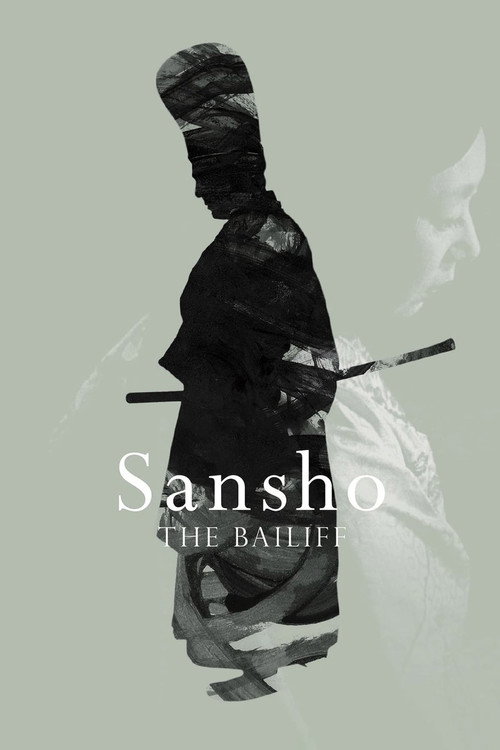
Sansho the Bailiff1954
Both are non-Western epics from different eras telling stories of how poverty and circumstance degrade human relationships. Both trust the audience to sit with suffering without looking away.
Mizoguchi's masterpiece about a family destroyed by slavery and the long, difficult path toward reunion. It's a story of survival and moral compromise across time, told with the same formal, patient beauty that makes The Good Earth's best moments work.
But It's a story about the physical and sexual exploitation of children and women. The violence is implicit but the subject matter is dark. And it's slow in a way that assumes you're meditating, not being entertained.
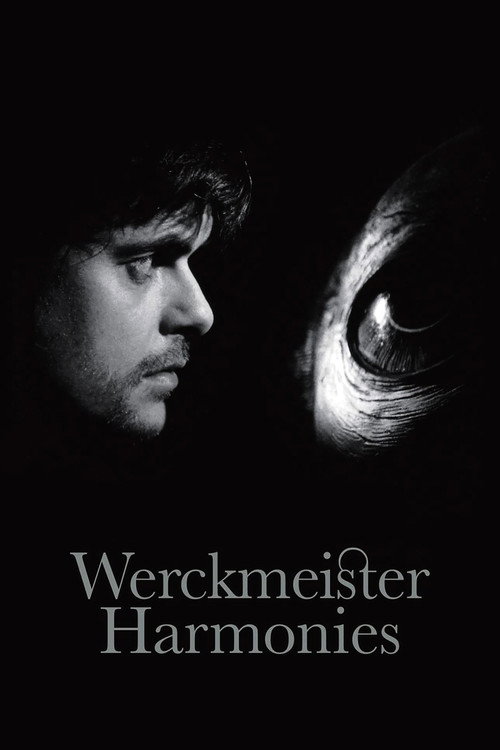
Werckmeister Harmonies2001
Both films use landscape and long takes to show how historical forces reshape individual lives. But The Good Earth believes in endurance; Werckmeister Harmonies believes in collapse. They're opposite answers to the same question.
Béla Tarr's apocalyptic vision of a small Hungarian town waiting for something that never arrives. Like The Good Earth, it's about a community transformed by the promise of something vast and new. But where The Good Earth shows you the transformation, Werckmeister shows you the despair of anticipation itself.
But It's three hours of black-and-white cinematography, minimal dialogue, and creeping dread. There's no release. No character learns anything that helps. It's a funeral for hope, and funerals aren't entertainment.
People
Cast
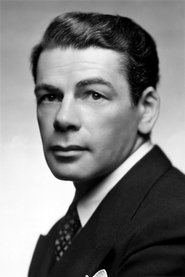 Paul MuniWang
 Luise RainerO-Lan
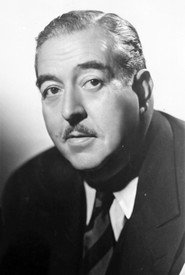 Walter ConnollyUncle
 Tilly LoschLotus
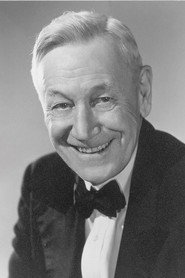 Charley GrapewinOld Father
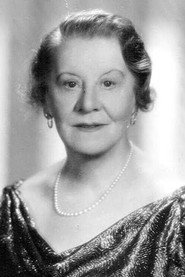 Jessie RalphCuckoo
 Soo YongAunt
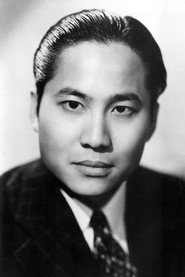 Keye LukeElder Son
- Roland LuiYounger Son
- Suzanna KimLittle Fool
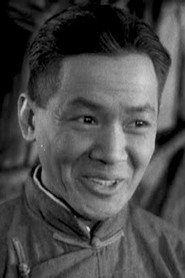 Ching Wah LeeChing
 Harold HuberCousin
Directing
- Sidney FranklinDirector
Writing
- Pearl S. BuckNovel
- Claudine WestScreenplay
- Talbot JenningsScreenplay
- Tess SlesingerScreenplay
- Donald DavisTheatre Play
- Owen DavisTheatre Play
Production
- Albert LewinAssociate Producer
- Irving ThalbergProducer
Recommended by
Samson and Delilah, Hollywood on Trial, Heidi, For Whom the Bell Tolls, O Pioneers!, State Fair, So Big!, Indiscretion of an American Wife, Come and Get It, Breaking the Ice