
Film
So Big!
A widow inherits a failing farm and raises her late husband's difficult son with stubborn grace and frontier grit. This 1932 melodrama captures something genuinely moving about women's quiet resilience—the unglamorous work of building a life from nothing. Stanwyck is magnificent: capable, lonely, and absolutely real. The pacing feels episodic but that's the point: watching a woman endure season after season. For anyone drawn to Depression-era character studies or to Stanwyck at her most formidable.
Should you watch it?
Watch it if you love melodramas of stubborn women and hard-won ideals, where the emotional arc of a single mother's sacrifice matters more than plot twists and the dialogue lands with old-Hollywood sincerity.
Skip it if you need brisk pacing or modern naturalism, since the 1932 pre-Code style is stagey, sentimental and leans on big speeches, and the runtime of barely eighty minutes still feels long on its earnest tone.
What it asks of you: Settle in for a slow, earnest stretch of years rather than a tight story, with the mood moving between hardship and tenderness and most of your attention going to Stanwyck's face.
Not sure? Find tonight's pick in a minute.
If you liked this
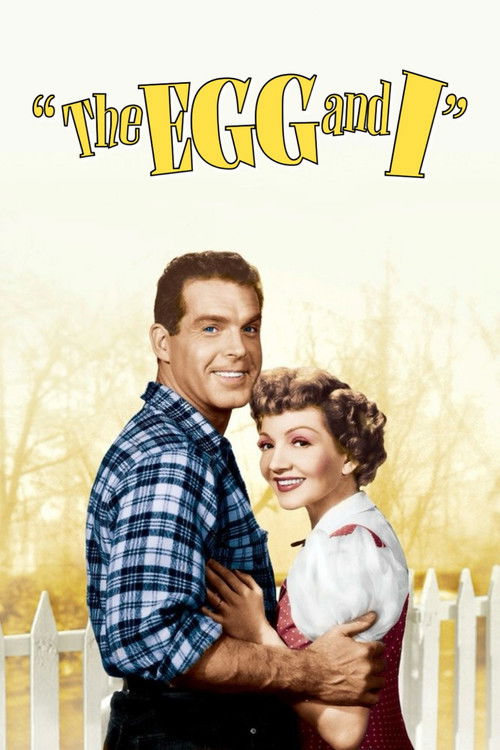
The Egg and I1947
Claudette Colbert as another determined woman carving out a life on hostile land. Like So Big!, it's about the specific exhaustion of pioneering—physical labour, isolation, and the slow realization that you're stronger than you knew. Stanwyck's spiritual cousin.
But It's gentler and more comic than So Big!, and some of the attitudes toward Indigenous people haven't aged well. The tone can feel uneven.
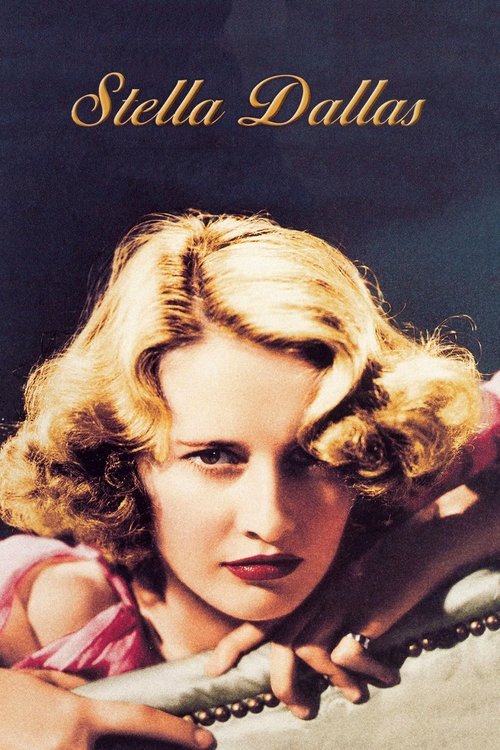
Stella Dallas1937
Barbara Stanwyck again, as a working-class mother willing to destroy her own reputation to give her daughter a better life. Same register of selfless endurance, same searing emotional honesty. This one cuts deeper.
But It's relentlessly bleak and the melodrama is at maximum volume. If you're not in the mood for a mother losing everything, skip it.
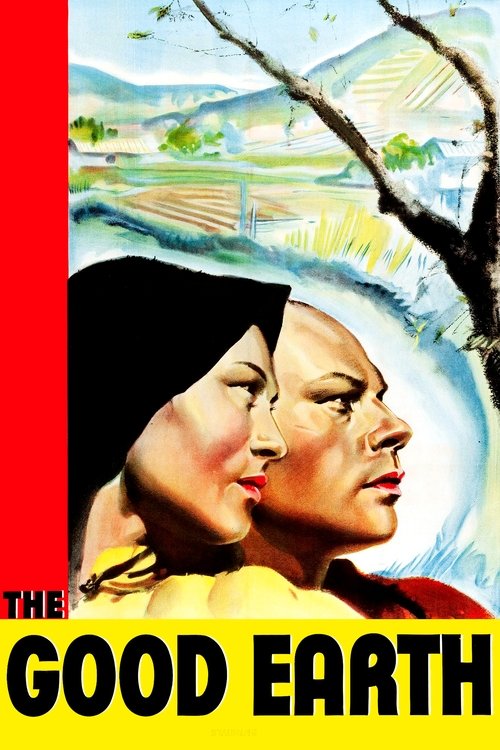
The Good Earth1937
A Chinese farmer and his wife transform barren land into abundance through pure will and work. Structurally identical to So Big!—seasons of labour, family conflict, the land as both enemy and redemption. Luise Rainer is extraordinary.
But It's three hours and the pacing is deliberate to the point of patience-testing. The portrayal of Chinese characters through Hollywood's lens is complicated.
Not sure tonight? Get a pick in a minute, starting from So Big!
The wildcard
Something you would not have found on your own.
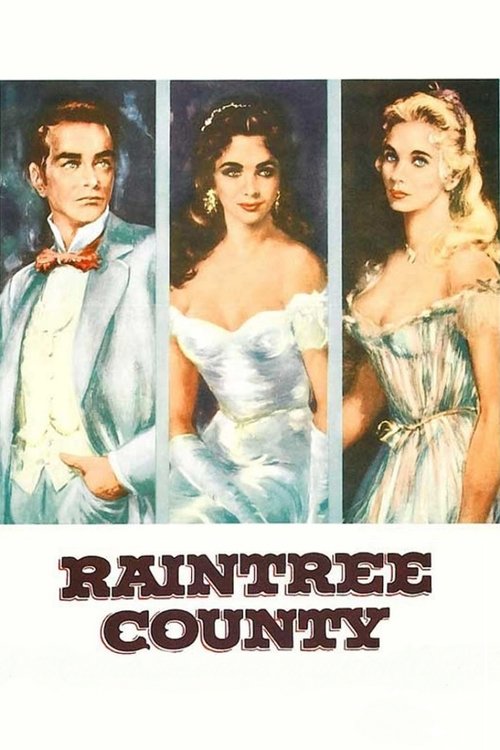
Raintree County1957
Both track a family across decades and landscapes, asking whether the land we inherit owns us more than we own it.
A vast, ambitious epic about an American family across generations—Civil War, Reconstruction, marriage, land ownership, loss. Montgomery Clift's character has the same kind of restless idealism that Dirk grows into. The connection: both are about how American soil shapes American souls, and how that shaping breaks people.
But It's nearly four hours, wildly uneven, and the melodrama lurches into the absurd. Elizabeth Taylor's accent is questionable. The editing is visibly damaged.
More like this (8)
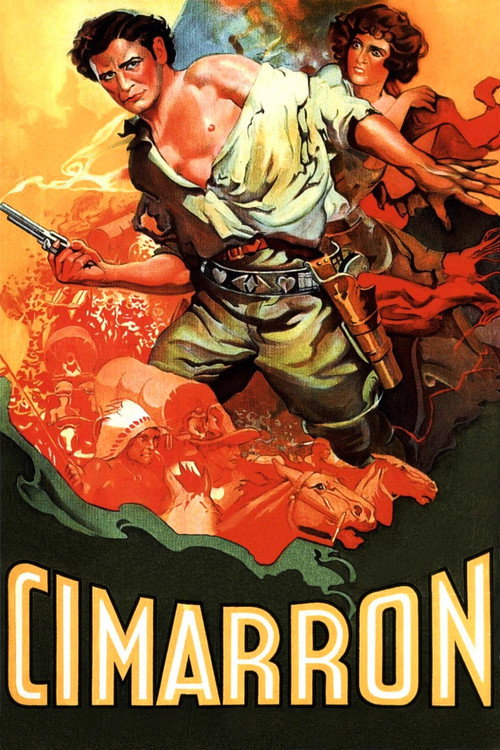
Cimarron1931
The Oklahoma Land Rush as an epic of settlement and moral compromise. Like So Big!, it's about building civilization from nothing, but it's wider in scope and more interested in political consequence. Richard Dix and Irene Dunne anchor it beautifully.
But It's stuffed with historical attitudes that are actively offensive. The romance overshadows the real story and some of the editing is abrupt.
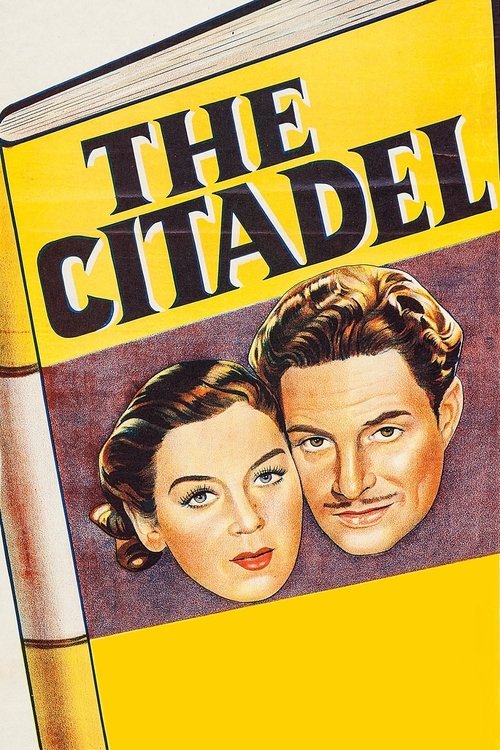
The Citadel1938
A Scottish doctor rises from poverty through talent and principle. Similar DNA: a young idealist learning what sacrifice actually costs, the tension between ambition and integrity, gorgeous monochrome cinematography of work and hardship.
But The structure meanders and Robert Donat's character arc gets abstract. The middle sags.
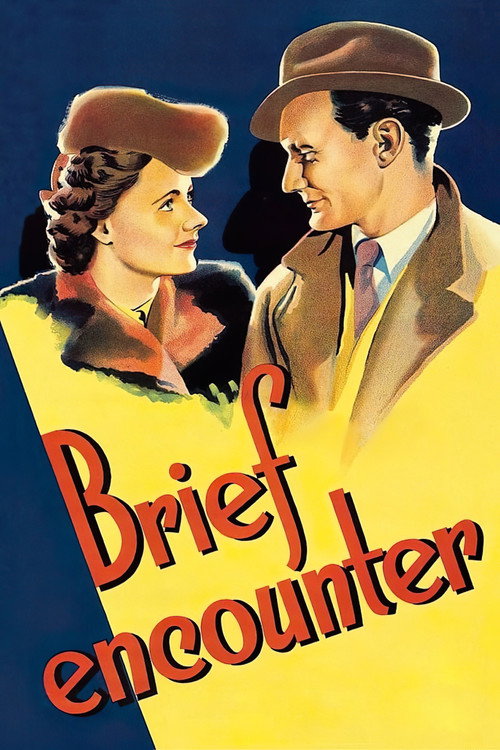
Brief Encounter1945
Two middle-aged people in an ordinary life meet and fall in love for thirteen minutes a week. Emotionally it's the opposite of So Big!'s extroversion—quiet, restrained, devastatingly tender. Same era, same knowledge that love costs something.
But It's deliberately anticlimactic and the affair is chaste by modern standards. If you need plot momentum, this will frustrate you.
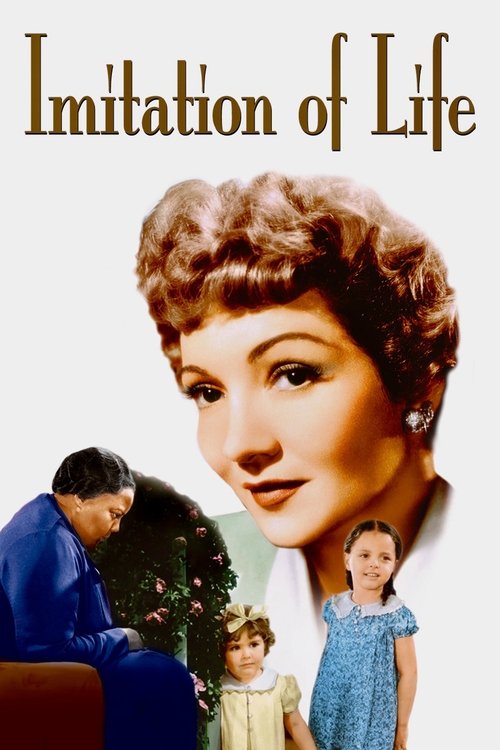
Imitation of Life1934
Claudette Colbert and Warren William as two single mothers building a business from nothing. Rooted in the same Depression pragmatism as So Big!. Both women have to choose between their own happiness and their children's futures, and both choose wrong in interesting ways.
But The racial subplot is genuinely painful to watch and the melodrama peaks a little too high. Some scenes feel like they're from a different film entirely.
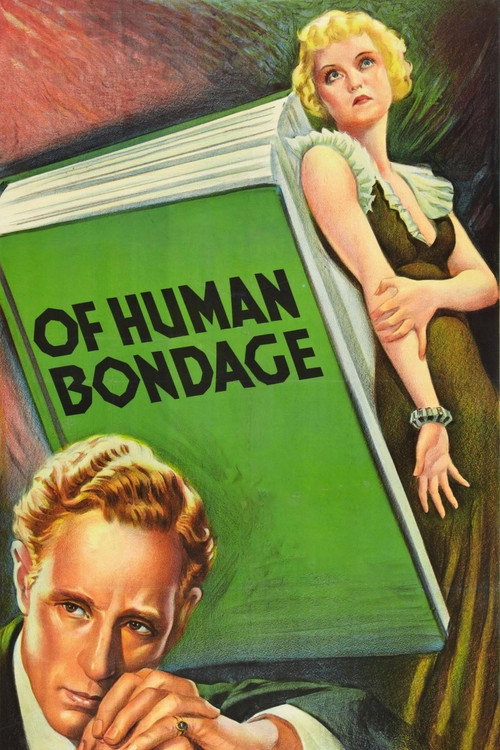
Of Human Bondage1934
Bette Davis (who plays a schoolteacher in So Big!) delivers a career-defining performance as a waitress who destroys a man through sheer indifference to his love. If you want to see Davis act circles around everyone, this is it. The moral complexity is stunning.
But The pacing is uneven and it's emotionally exhausting. Davis's character is so callous that some scenes feel almost unwatchable.
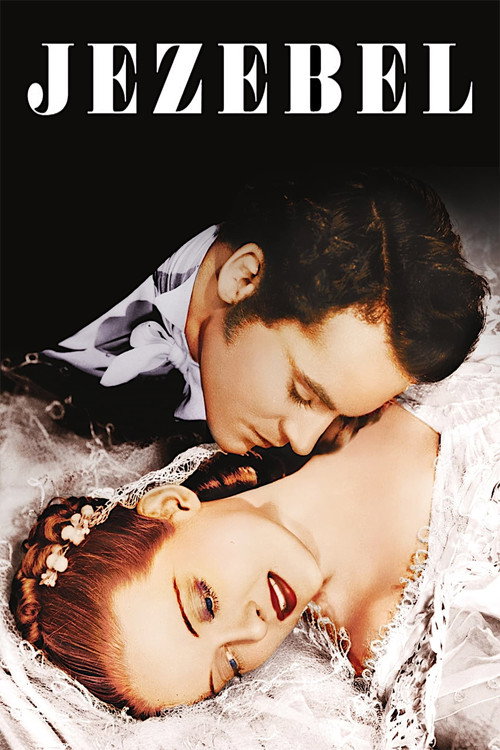
Jezebel1938
Bette Davis again, this time as a Southern belle who weaponizes her sexuality and pays for it. The yellow fever sequence is genuinely shocking. It's about consequence and pride in ways that echo So Big!'s moral seriousness.
But The first hour is slow society-drama stuff and the stakes don't land until the final act. Henry Fonda is wooden.
Letter from an Unknown Woman1948
Both centre an unseen inner life—a woman's private devotion to an unworthy object. Both understand loneliness as a kind of nobility.
Joan Fontaine writes a letter to the man she loved in silence, revealing a lifetime of devotion he never knew existed. It's told in reverse, intimate, and utterly devastating. Like So Big!, it's about a woman's quiet internal world and the gap between what she gives and what she receives.
But It's a melodrama in German Expressionist clothing—deliberately artificial, high-strung emotionally. If you want realism, the style will feel overwrought. The story is entirely from her perspective and some find it one-note.

Come and See1985
Both are fundamentally about the relationship between human effort and the land—one about building a life, the other about erasing one. Both treat this as sacred and tragic.
A Belarusian teenage boy joins the Soviet partisans and watches war annihilate everything he is. It's a war film that functions as the dark mirror to So Big!—a story of land, labour, and the human cost of building and destroying. Elem Klimov photographs devastation with the same care Stanwyck brings to endurance.
But It is one of the most harrowing films ever made. The violence is graphic and intentional. It's in Russian with subtitles. Watching it is not entertainment, it's an ordeal.

People
Cast
 Barbara StanwyckSelina Peake De Jong
 George BrentAdult Roelf Pool
 Dickie MooreYoung Dirk De Jong
 Bette DavisMiss Dallas O'Mara
 Mae MadisonJulie Hempel
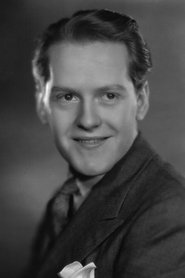 Hardie AlbrightAdult Dirk De Jong
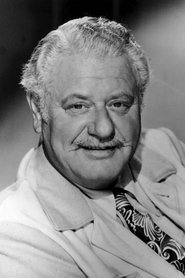 Alan HaleKlass Pool
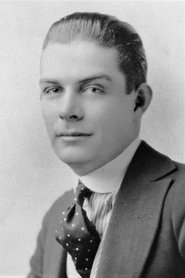 Earle FoxePervus De Jong
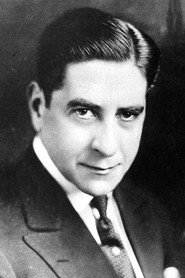 Robert WarwickSimeon Peake
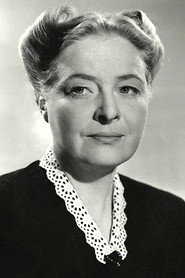 Dorothy PetersonMaartje Pool
 Noel FrancisMabel
 Dick WinslowYoung Roelf Pool
Directing
- William A. WellmanDirector
Writing
- Edna FerberNovel
- John TwistScreenplay
Production
- Jack L. WarnerProducer
- Lucien HubbardSupervising Producer