
Film
They Were Expendable
John Ford's 1945 war film follows a squadron of PT boat commanders proving their unconventional vessels in the Pacific theatre. It's a character-driven combat drama that balances camaraderie with the weight of impossible orders. Thoughtful and occasionally elegiac, it's for viewers who want war films that linger on the human cost rather than glorify the spectacle.
Should you watch it?
Watch it if you enjoy wartime stories where camaraderie and bureaucratic frustration count for as much as the fighting, and you like a sincere, old-fashioned tone.
Skip it if you want tight, fast-cut action or a modern sensibility; this one moves at a leisurely pace, plays its patriotism earnestly, and runs well past two hours.
What it asks of you: A patient two and a quarter hours, with long stretches of briefing-room talk and boat-deck routine before the action arrives, so settle in rather than expecting constant momentum.
Not sure? Find tonight's pick in a minute.
If you liked this
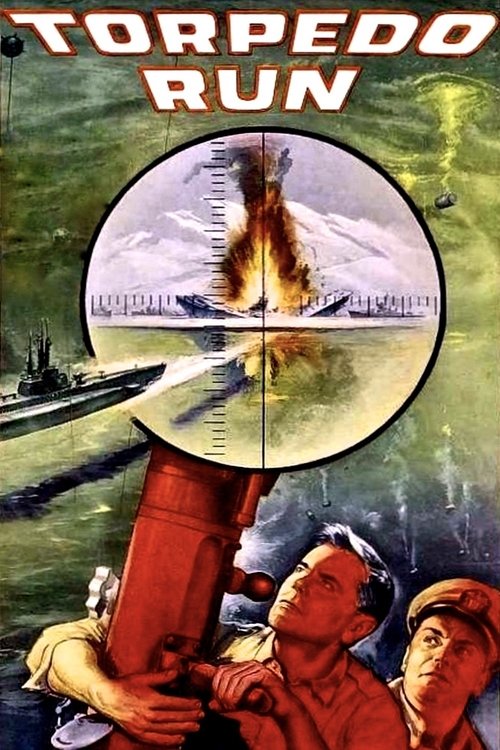
Torpedo Run1958
A submarine warfare drama with similar themes of underdog tactics and crew dynamics. Features the same blend of technical expertise, tight quarters tension, and moral weight that makes They Were Expendable resonate.
But It's less character-focused than Ford's film, and the pacing can feel plodding to modern audiences accustomed to faster editing.
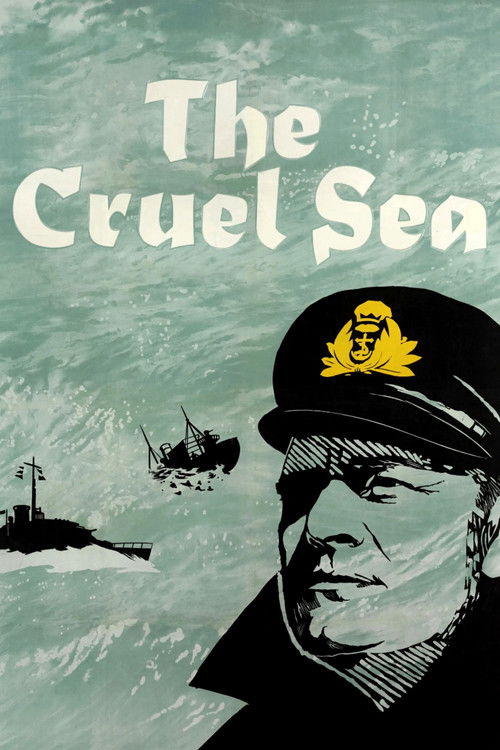
The Cruel Sea1953
A British naval drama that shares Ford's unflinching view of war's cost. Captures the grinding psychological toll of combat command with extraordinary restraint and authenticity.
But It's deliberately bleak and repetitive—the film mirrors the monotony of service—which some find tedious rather than immersive.
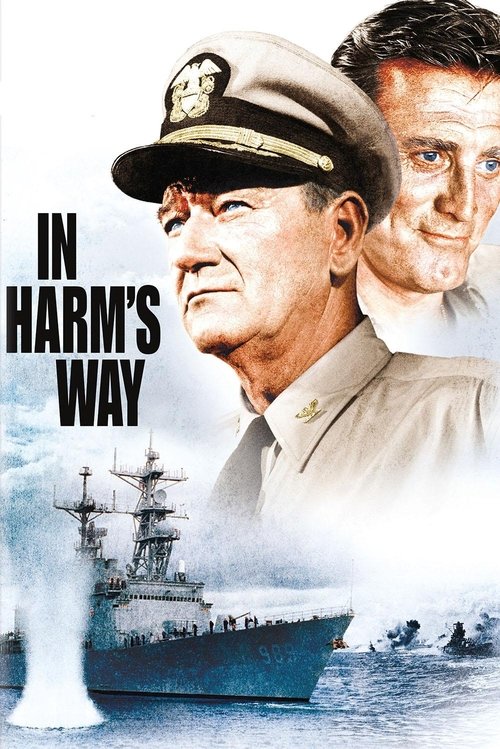
In Harm's Way1965
John Wayne again, in another Ford production about naval warfare in the Pacific. Explores command decisions, loyalty, and the gap between orders and conscience with real dramatic weight.
But It's long, sometimes melodramatic, and Wayne's presence can feel larger than the material wants. Also problematic in its treatment of Japanese characters.
Not sure tonight? Get a pick in a minute, starting from They Were Expendable
The wildcard
Something you would not have found on your own.
Harakiri1962
Both films are elegies for men following orders they know are impossible, shot with a formalist precision that refuses to sentimentalize their sacrifice. Each asks: what does honor mean when the system itself is corrupt?
Masaki Kobayashi's masterpiece examines duty, honor, and the machinery of military hierarchy—but from inside the Japanese samurai code. A formal, devastating meditation on obedience and its costs. The inverse perspective clarifies what Ford was doing.
But It's 135 minutes of mounting dread and emotional brutality with minimal action. The formal style keeps you at a distance even as it breaks your heart.

More like this (8)
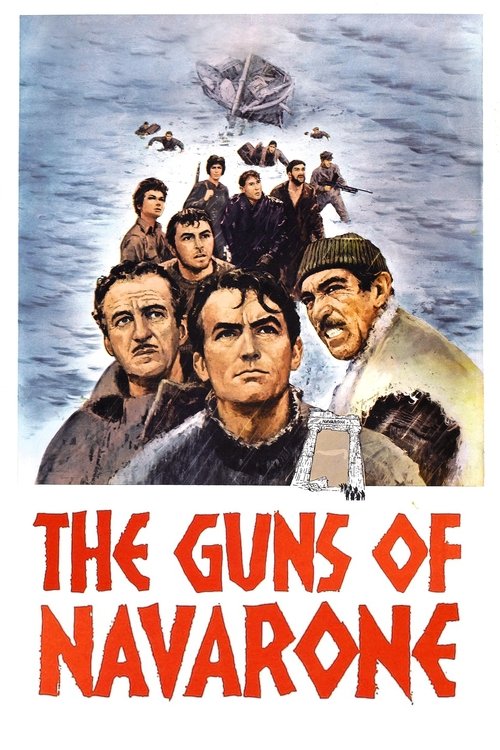
The Guns of Navarone1961
A taut ensemble war film about a specialized unit executing an impossible mission. Has the same tactical ingenuity and focus on how ordinary men handle extraordinary pressure.
But It's more of a heist-adventure than a character study, and much lighter in tone than Ford's approach.
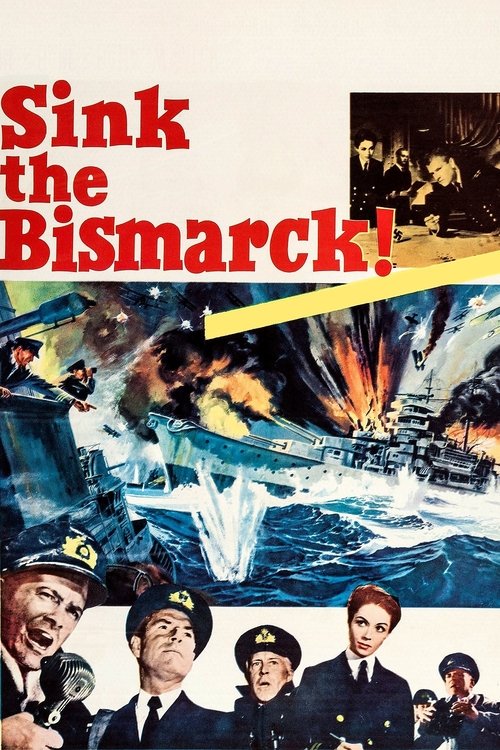
Sink the Bismarck!1960
A procedural naval drama about coordination and determination across impossible odds. Gives equal weight to the men aboard and those directing from shore, much like They Were Expendable does.
But It's nearly documentary in its approach, which creates distance rather than intimacy. Some may find it dry.
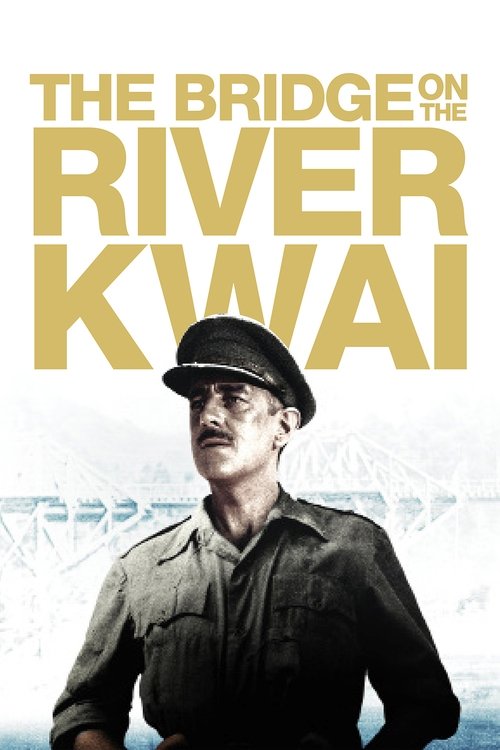
The Bridge on the River Kwai1957
Alec Guinness leads an ensemble through the moral complexities of command under extreme duress. Shares Ford's interest in how authority corrodes and what we owe each other.
But At over three hours, it demands patience. The ending's emotional logic divides viewers sharply.
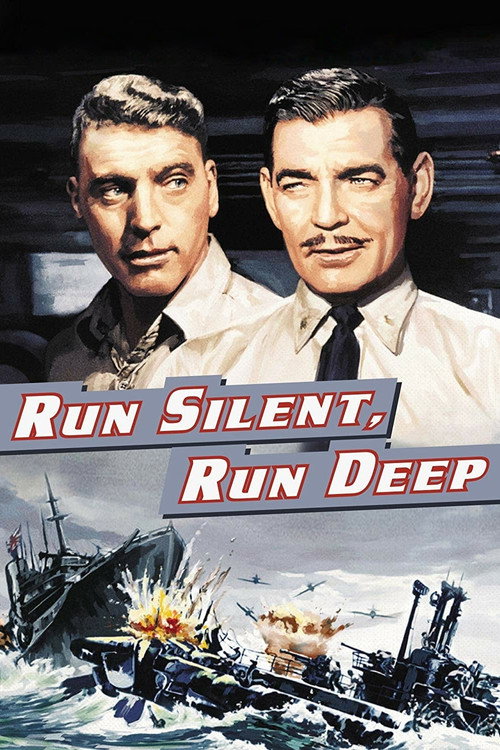
Run Silent, Run Deep1958
A submarine crew drama focused on obsession, duty, and the weight of command. Lancaster and Gable carry the film with quiet intensity, much in Ford's register.
But The pacing is slow even by 1950s standards, and some of the subplot feels obligatory.
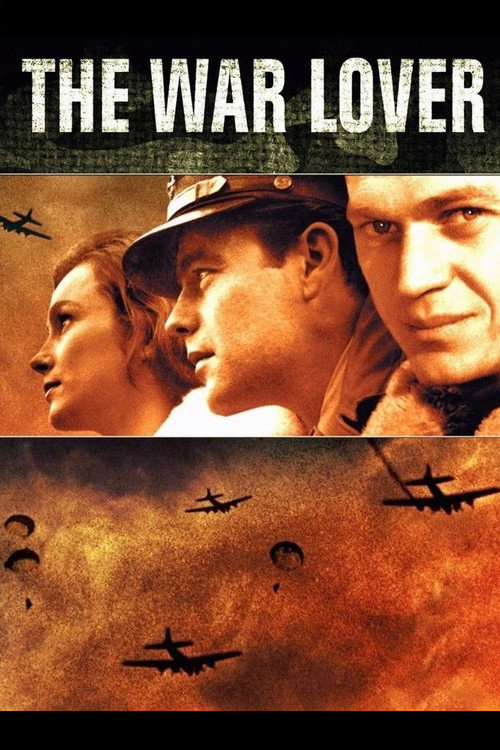
The War Lover1962
Steve Reeves and Robert Wagner in a bomber crew drama that questions what courage means and why men keep fighting. Darker and more psychologically complex than typical war films.
But It's deliberately unglamorous and unsettling. The protagonist is difficult to like, which some interpret as the film being difficult to watch.
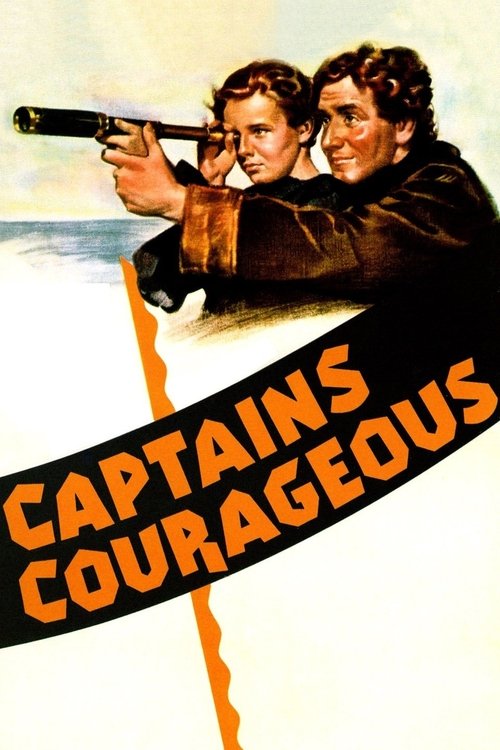
Captains Courageous1937
An earlier Ford collaboration exploring how men of different backgrounds form bonds under pressure at sea. Similar attention to camaraderie and the dignity of skilled work.
But It's sentimental in ways that feel dated now, and the class politics are baked in without examination.
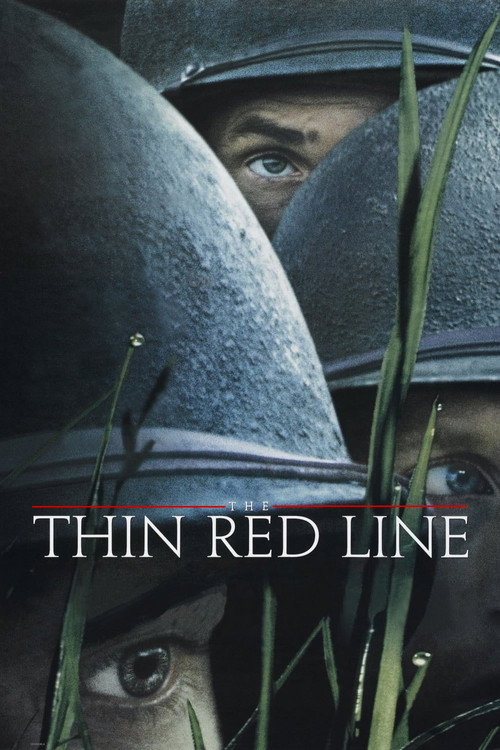
The Thin Red Line1998
Both films refuse the heroic narrative—they're interested in the grinding gap between orders and survival, and in how individuals fracture under institutional pressure. Malick updates Ford's register to the art cinema of the 1990s, but the moral questions are identical.
Terrence Malick's meditation on a single battle, told through overlapping consciousness and philosophical voice-over. Less interested in tactics than in what war does to the soul. Visually stunning and morally uncompromising.
But It's deliberately elliptical and dreamlike. Plot matters less than mood, which frustrates viewers wanting a traditional narrative. Also quite violent.
Come and See1985
Like Ford, Klimov uses formal precision and ensemble dynamics to examine the machinery that feeds young men into impossible situations. But where Ford finds dignity in duty, Klimov asks whether dignity is even possible in such systems. Both arrive at the same moral clarity through opposite tonal registers.
Elem Klimov's apocalyptic Soviet film follows a boy conscripted into combat in World War II. Visually ravishing and utterly devastating—a systematic dismantling of any romanticized notion of military duty. One of cinema's great moral achievements.
But It's deeply traumatic and not interested in catharsis. The violence is relentless and the despair is unironic. Many viewers find it unwatchable, and that reaction is valid.

People
Cast
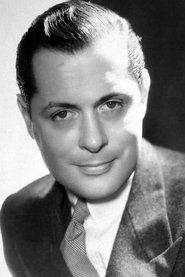 Robert MontgomeryLt. John Brickley
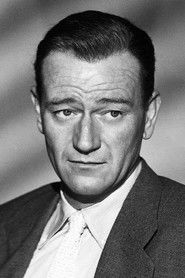 John WayneLt. (J.G.) 'Rusty' Ryan
 Donna ReedLt. Sandy Davyss
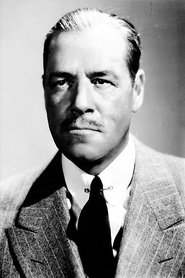 Jack HoltGeneral Martin
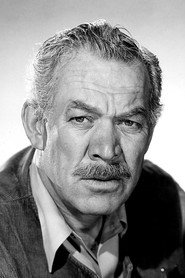 Ward Bond"Boats" Mulcahey, Chief Boatswain's Mate
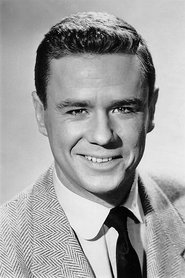 Marshall ThompsonEns. 'Snake' Gardner
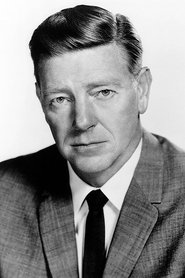 Paul LangtonEns. 'Andy' Andrews
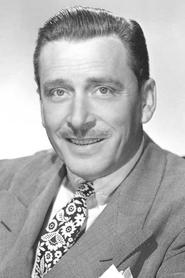 Leon AmesMajor James Morton
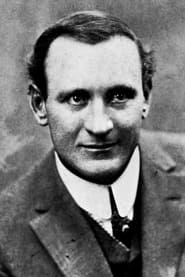 Arthur WalshSeaman Jones
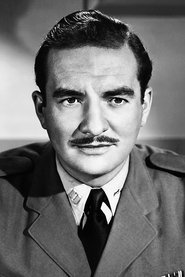 Donald CurtisLt. (J.G.) 'Shorty' Long
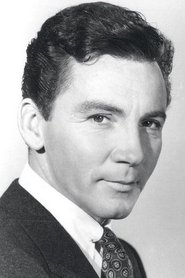 Cameron MitchellEns. George Cross
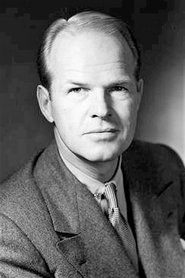 Louis Jean Heydt'Ohio'
Directing
- Edward O'FearnaAssistant Director
- John FordDirector
Writing
- William L. WhiteBook
- Christina SteadScreenplay
- Frank WeadScreenplay
Production
- John FordProducer
Recommended by
Sergeant York, The Fighting Sullivans, Desert Victory, Gentle Annie, Winged Victory, The Earth Cries Out