
Film
The First of the Few
A 1942 British wartime biopic about the visionary designer and pilot who created the Spitfire. It's a purposeful, earnest film made while the battle it celebrates was still being fought, mixing technical ingenuity with personal sacrifice. Gripping for anyone moved by engineering ambition and the human cost of innovation.
If you liked this
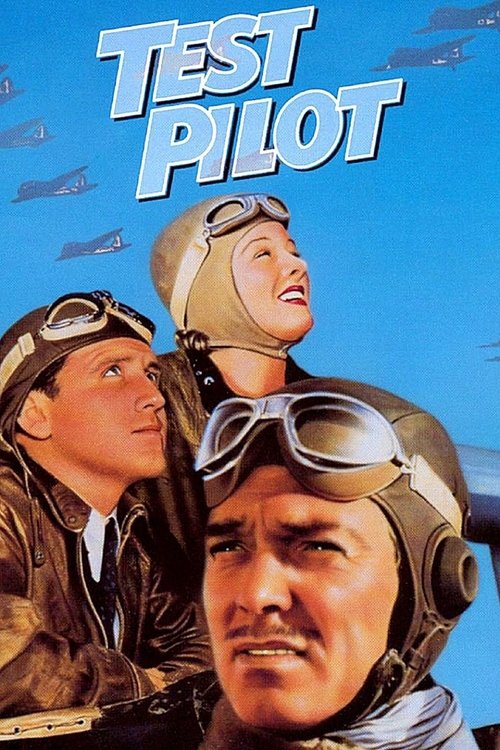
Test Pilot1938
Spencer Tracy and Clark Gable as test pilots pushing aircraft to the edge. A glamorous, thrilling precursor that shares the same blend of technical mastery, camaraderie, and the knowledge that flying kills.
But It's lighter than The First of the Few—more Hollywood romance, less wartime gravity. The tone can feel dated even by 1930s standards.
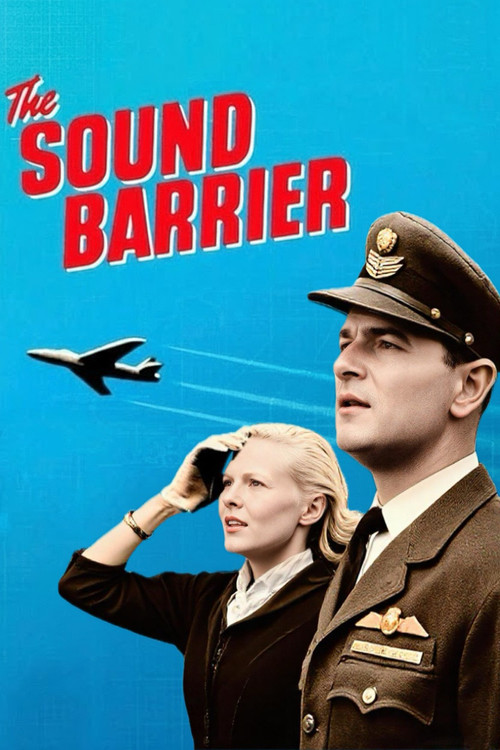
The Sound Barrier1952
David Lean's magnificent film about breaking the sound barrier, with that same obsessive engineering detail and the tension between ambition and human lives. Ralph Richardson is extraordinary as the driven patriarch.
But It's a post-war film looking back, so the stakes feel less urgent. The pacing is deliberate; some find it slow.
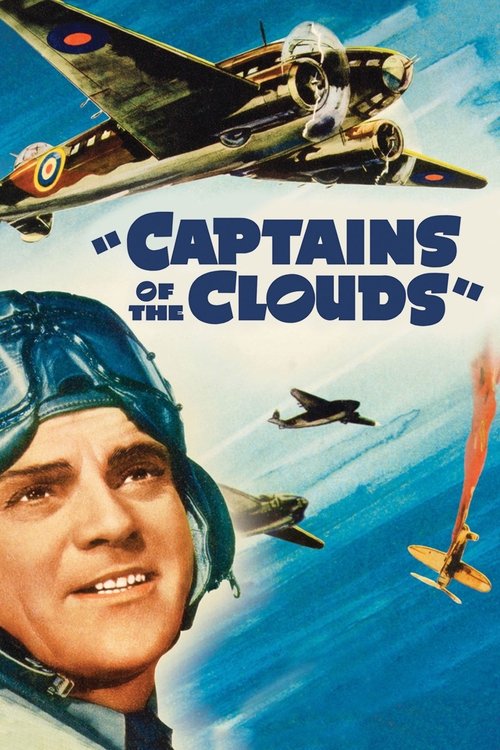
Captains of the Clouds1942
James Cagney in a wartime aviation drama made the same year, celebrating the Canadian air force with genuine aerial footage and Technicolor sweep. The energy is infectious and the flying scenes are real.
But It's more flag-waving than The First of the Few, and Cagney can overshadow subtler storytelling. The romance subplot feels obligatory.
Not sure tonight? Get a pick in a minute, starting from The First of the Few
The wildcard
Something you would not have found on your own.
Achtung! The Desert Tigers1977
Both films were made by their nations' studios as expressions of pride in their aviation heritage, but where The First of the Few is a reverent monument, this is cinema as pure propaganda carnival. They're flip sides of the same impulse—one made you believe in the Spitfire, the other would make you believe anything if the stunts look good enough.
A wildly entertaining Italian B-movie war film about a commando raid. It's technically incompetent trash with a ludicrous plot, genuine stunt flying, and the sheer anarchic energy of cinema made without concern for plausibility.
But It's not a serious film and doesn't pretend to be. If you want wartime authenticity or narrative coherence, this will infuriate you.
More like this (8)
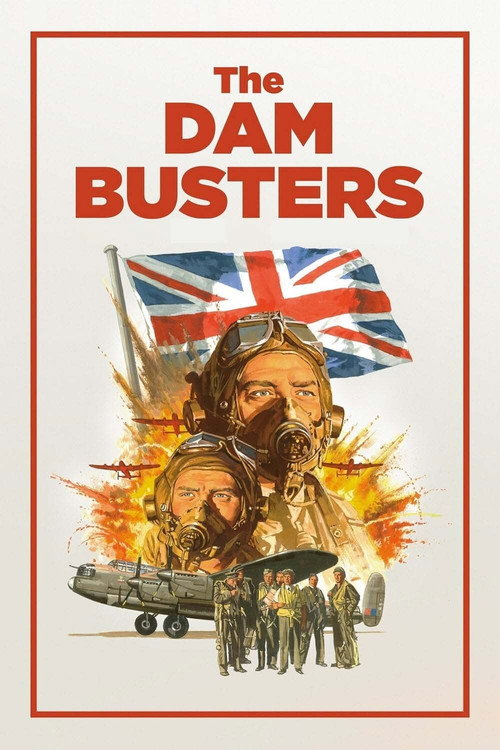
The Dam Busters1955
A taut British war film about engineering a solution to an impossible problem. Michael Anderson's direction gives it documentary precision, and the climactic sequence is unforgettable.
But The technical sections can feel exposition-heavy. It's also very much a product of 1950s attitudes, which show.
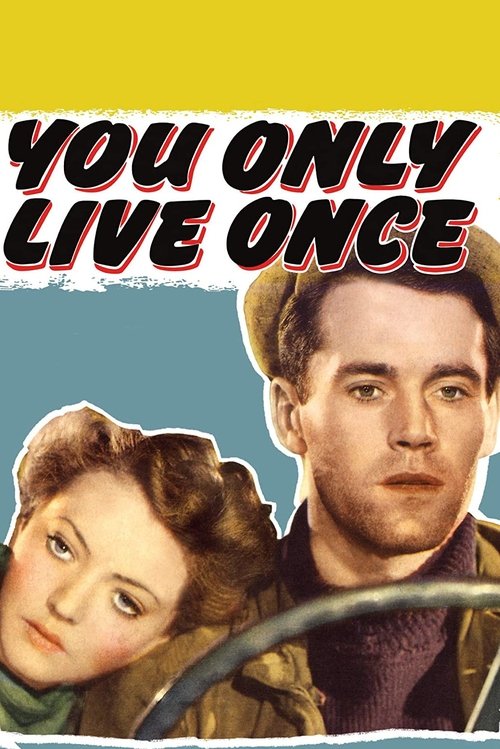
You Only Live Once1937
Fritz Lang's darkly fatalistic film about two outsiders hunted by circumstance. It shares The First of the Few's obsession with how individual brilliance collides with forces beyond control.
But It's a noir-inflected tragedy with no heroes—utterly unlike the patriotic tone of the 1942 film. The story is relentlessly grim.
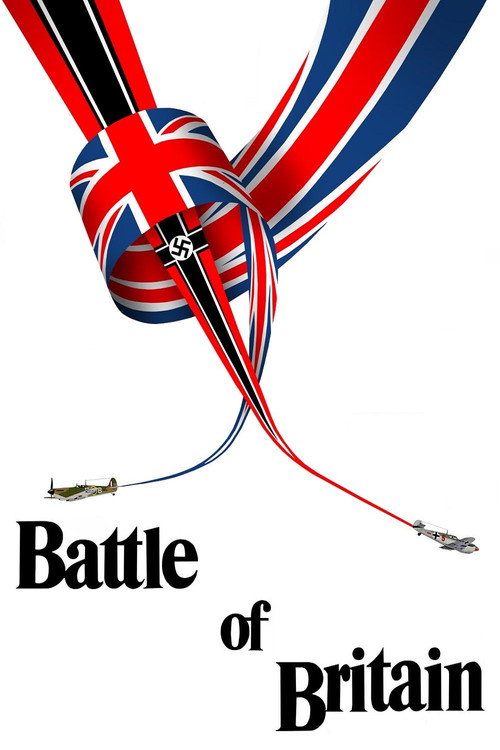
Battle of Britain1969
An epic ensemble film that shows the Spitfire in action on the massive scale it deserves. The aerial combat is filmed with real conviction, and it captures the broader context Mitchell's vision made possible.
But It's a war film first and a character study nowhere. At nearly three hours, the dramatic focus diffuses. Some sequences feel like documentary padding.
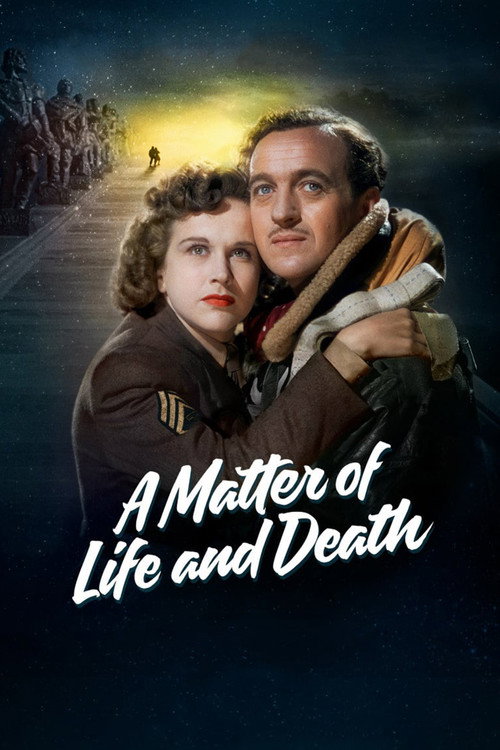
A Matter of Life and Death1946
A fantastical British film about a RAF pilot facing judgment after a crash. Michael Powell and Emeric Pressburger craft something that feels like wartime myth, which is what The First of the Few attempts.
But The supernatural framing is deeply strange and won't work for everyone. It's more poetic than realistic, which betrays the earlier film's approach.
The Wright Brothers1997
A straightforward documentary about aviation's pioneers. If you loved the technical problem-solving in The First of the Few, this explores the same human drive to master flight with clarity and archival rigor.
But It's a documentary, so there's no drama or character arc. The pacing is academic rather than cinematic.
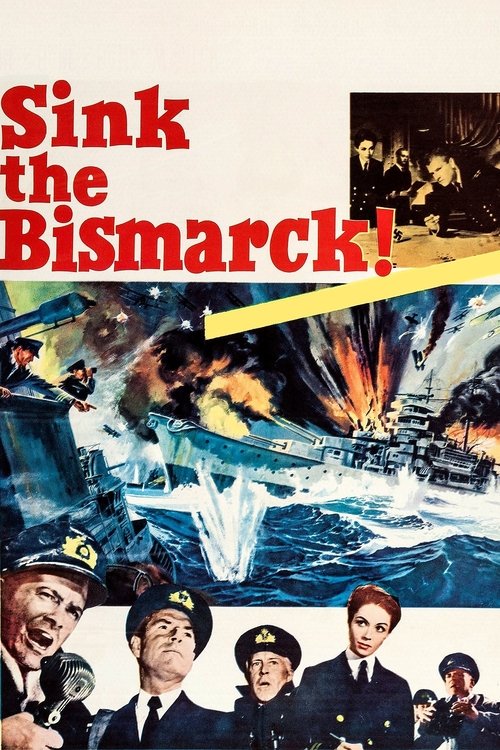
Sink the Bismarck!1960
Kenneth More in a tense procedural about hunting a German battleship. It has the same blend of British wartime determination and technical strategy, with genuine suspense about logistics and will.
But It's more about command-room decisions than individual genius. The human element can feel secondary to the machinery of war.
Come and See1985
The First of the Few is about the ingenuity and sacrifice that built a weapon. Come and See is about what that weapon did. They're the same war seen from opposite angles—one exalting the men who designed it, the other showing the children it killed. Both are necessary.
Elem Klimov's devastating Soviet film follows a Belarusian boy through the Nazi invasion. It's the most harrowing war film ever made—handheld, visceral, focused on what machines like the Spitfire actually do to the ground below.
But It's not a film for evening entertainment. It's graphically brutal and will leave you shaken for days. Some viewers find it unwatchably difficult.

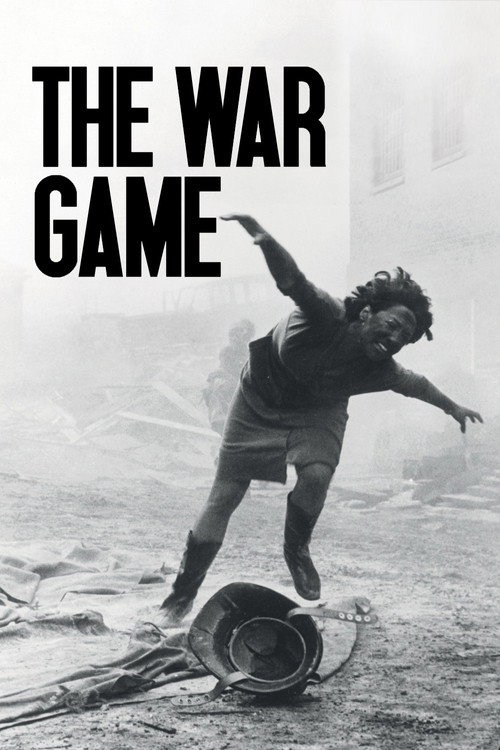
The War Game1966
The First of the Few celebrates British innovation in service of survival. The War Game asks what that innovation ultimately survives *for*. One is about triumph; the other is about whether triumph matters. Made 23 years later, Watkins answers The First of the Few's faith with cold doubt.
Peter Watkins's banned BBC docudrama imagines nuclear war's impact on a British city. Shot like a news film with documentary restraint, it's technically audacious and politically furious—a completely different register of wartime cinema.
But It was considered too disturbing to broadcast. The fictional nuclear devastation is relentless and nihilistic. If you want affirmation, this offers none.
People
Cast
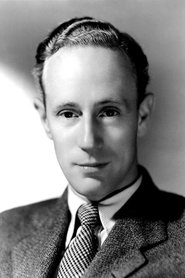 Leslie HowardR.J. Mitchell
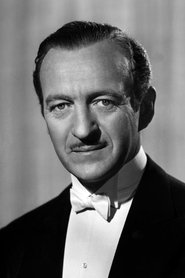 David NivenGeoffrey Crisp
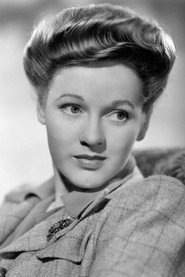 Rosamund JohnDiana Mitchell
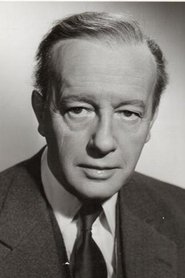 Roland CulverCommander Bride
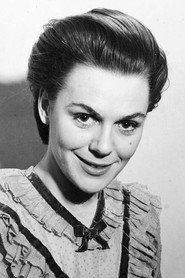 Anne FirthMiss Harper
 David HorneMr. Higgins
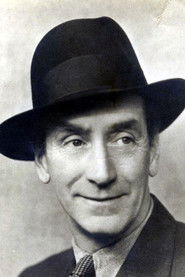 J.H. RobertsSir Robert McLean
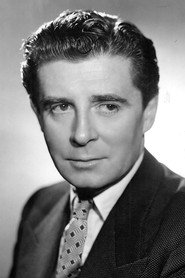 Derrick De MarneySquadron Leader Jefferson
- Rosalyn BoulterMabel Lovesay
- Herbert CameronMacPherson
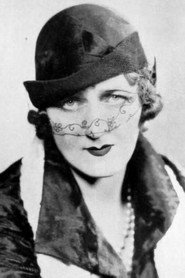 Toni Edgar-BruceLady Houston
 Gordon McLeodMajor Buchan
Directing
- George PollockAssistant Director
- Leslie HowardDirector
Writing
- Henry C. JamesOriginal Story
- Katherine StruebyOriginal Story
- Anatole de GrunwaldScreenplay
- Miles MallesonScreenplay
Production
- Leslie HowardProducer
- Adrian BrunelProduction Manager
- Phil C. SamuelProduction Manager