
Film
The Sea Beast
A silent-era reimagining of Moby Dick that trades the novel's philosophical depths for swashbuckling adventure. John Barrymore chews scenery as a vengeful sea captain, while the film leans into spectacle and melodrama rather than existential dread. This is Melville filtered through the Hollywood vernacular of the 1920s—a vigorous, strange, surprisingly entertaining relic that shows how differently another era could see the same story.
Should you watch it?
Watch it if you love silent-era spectacle, where a vast ocean and a grim, obsessive captain are carried by faces and gesture rather than dialogue.
Skip it if you need talk and a brisk pace; at over two hours of silent storytelling, the long stretches at sea can drag, and the intertitles will test your patience.
What it asks of you: Settle in for a long, unhurried silent picture of about two and a quarter hours, where attention goes to faces and the slow build of the voyage.
Not sure? Find tonight's pick in a minute.
If you liked this
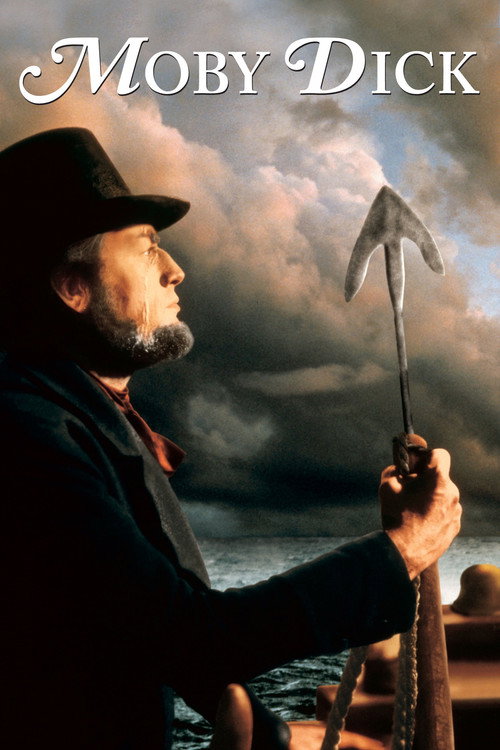
Moby Dick1956
John Huston's adaptation respects Melville's intellectual architecture while delivering genuine whale-hunting terror and Orson Welles stealing every scene. Essential if you want to see the source material interpreted by someone who understood what made it matter.
But It's slow, philosophical, and treats the obsession as tragedy rather than adventure. At over two hours, the meditative passages can test your patience.
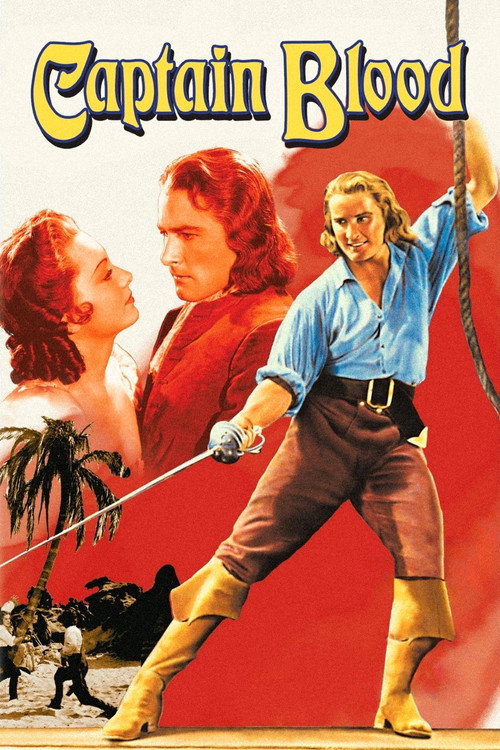
Captain Blood1935
Errol Flynn swinging across a screen with identical verve to Barrymore, but with better dialogue and brighter Technicolor. Same era's adventure sensibility, same charisma, far sharper filmmaking.
But The plot is straightforward and the politics of piracy get smoothed over for romance. If you want substance alongside spectacle, this leans harder into the latter.
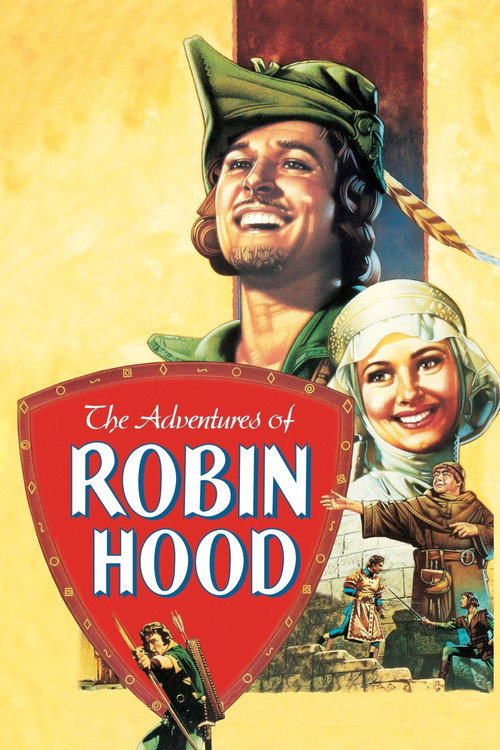
The Adventures of Robin Hood1938
Emerges from the same swashbuckling DNA as The Sea Beast but refined by six more years of technology and craft. Errol Flynn again, but with wit, colour, and a script that doesn't lumber beneath its own earnestness.
But It's cheerful and almost camp. If you're drawn to The Sea Beast for its darkness and obsession, this will feel too light and breezy.
Not sure tonight? Get a pick in a minute, starting from The Sea Beast
The wildcard
Something you would not have found on your own.
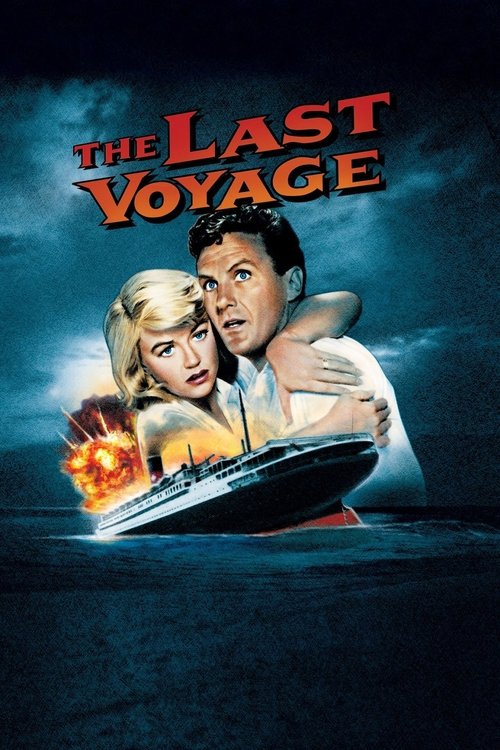
The Last Voyage1960
Both pit humans against an implacable maritime force, but The Last Voyage locates the horror not in individual obsession but in institutional failure and human smallness in the face of logistics gone wrong. Same setting, inverted mythology.
A sinking-ship disaster film starring Robert Stack that recasts the doomed-voyage narrative as bureaucratic and systemic rather than personal. The obsessed captain is absent; the tragedy is procedural and modern. Completely reimagines what a sea-tragedy film can be about.
But It's austere and procedural in ways that might feel slow if you're expecting melodrama. The emotional register is cold, not cathartic.
More like this (8)
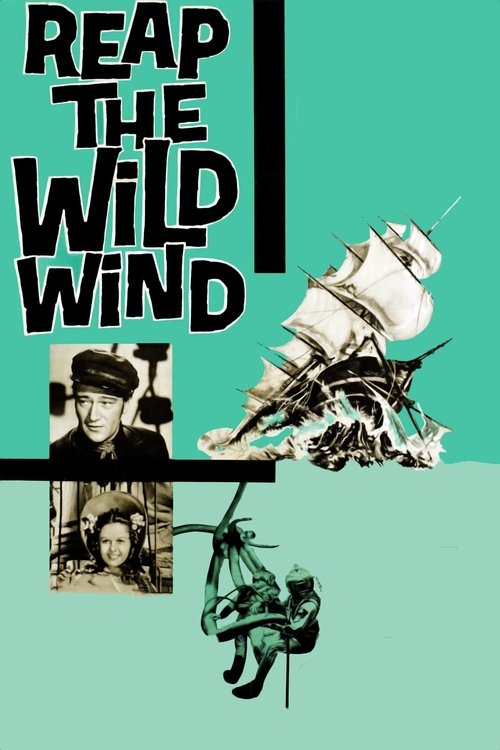
Reap the Wild Wind1942
Cecil B. DeMille's maritime spectacle with genuine danger and wreck sequences that still hold up. Ray Milland and Paulette Goddard in a love-versus-ambition story set against undersea salvage. Gorgeous Technicolor madness.
But The romantic subplot is obligatory rather than organic, and the film prioritizes romance over the sea-captain tragedy that made The Sea Beast compelling.
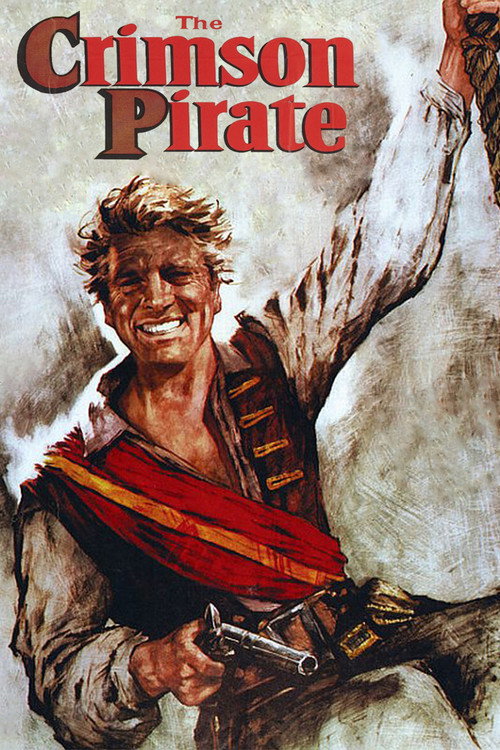
The Crimson Pirate1952
Burt Lancaster at peak charm, leaping and fighting across the frame with genuine acrobatic joy. Adventure as pure physical delight—the opposite of brooding obsession, but equally committed to pure cinema.
But It's practically a comedy, and completely uninterested in moral weight or tragedy. If you want to sit with a character's darkness, this isn't it.
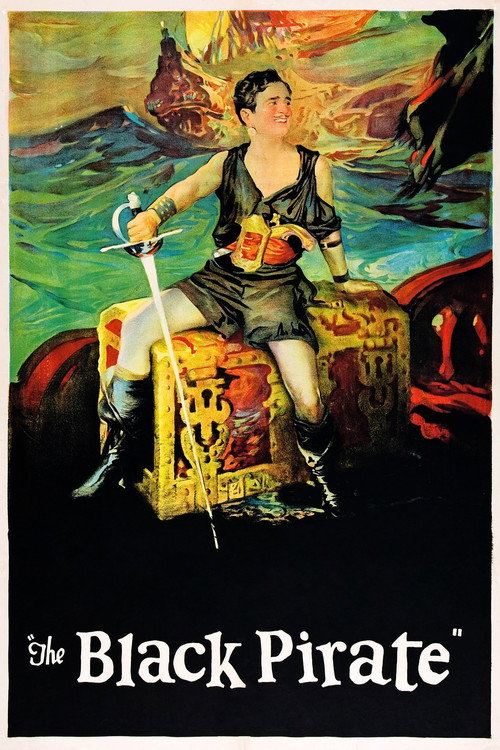
The Black Pirate1926
Released the same year as The Sea Beast, Douglas Fairbanks Sr. delivers silent-era athleticism that rivals Barrymore's histrionics. An instructive comparison in how two studios handled adventure film in the same moment.
But The plot is tissue-thin and the film moves at a silent-era pace that will feel glacial if you're used to modern pacing. The acrobatics matter more than narrative coherence.
Sunrise: A Song of Two Humans1927
F.W. Murnau's German Expressionist masterpiece, released just a year after The Sea Beast. Shows what a different approach to cinema could achieve in the same era—visually sophisticated, emotionally complex, technically daring.
But It's about marital anguish and urban alienation, not adventure. If you're looking for more spectacle and action, this will feel like an artistic left turn into territory you didn't ask for.

The Phantom Carriage1921
Enskög's Swedish silent masterpiece with visual effects and emotional complexity that makes The Sea Beast look straightforward. Proof that the best silent cinema could rival anything in ambition and execution.
But It's haunted, philosophical, and sometimes difficult to follow. The pacing is deliberate and the mood is melancholic rather than thrilling.

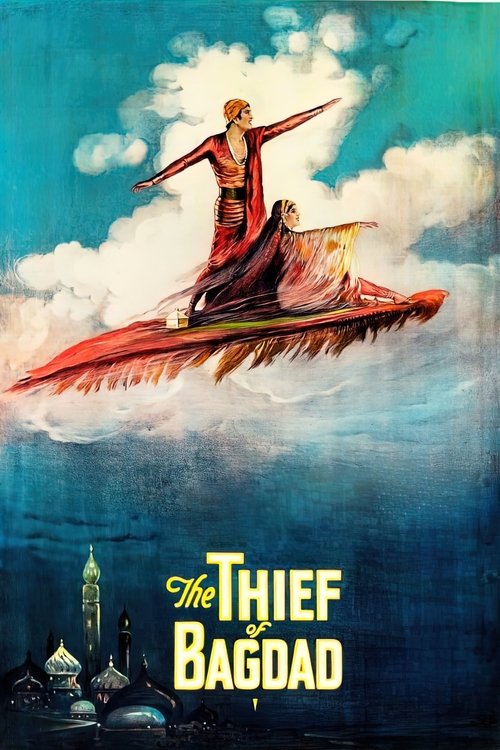
The Thief of Bagdad1924
Douglas Fairbanks in his most elaborate production—impossible sets, imaginative fantasy, technical mastery that shows what 1920s cinema could achieve. Pure visual storytelling at its most inventive.
But The narrative is thin and orientalist in ways that register problematically now. If you want plot or contemporary sensibility, this artifact of its time will feel dated.
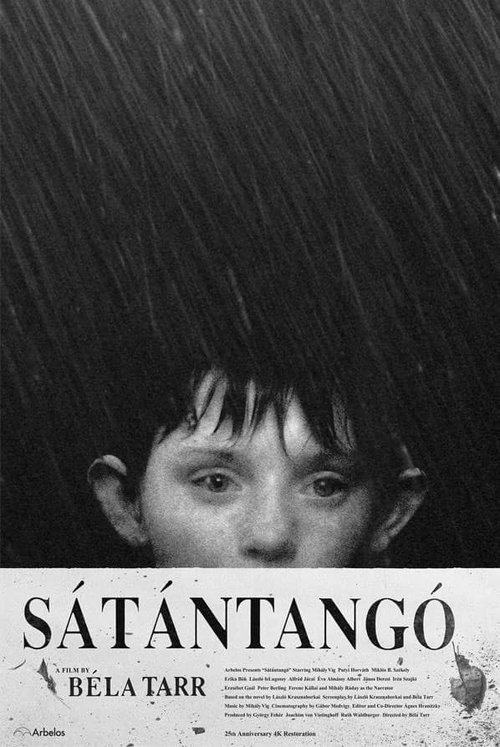
Satantango1994
Both are portraits of obsession and ruined ambition, but where The Sea Beast gives you a roaring captain, Sátántangó gives you an entire society slowly drowning in inertia and false hope. Same thematic engine, radically different register and medium.
Béla Tarr's Hungarian masterpiece, eight hours of grayscale transcendence about a community's slow disintegration and false redemption. It's obsession and doom played out across weather and silence rather than action. Hypnotic and desolate.
But It requires patience that borders on asceticism. Single shots hold for minutes. If you need narrative momentum or tonal variety, this will feel punishing rather than rewarding.
Under the Skin2014
The Sea Beast obsesses over conquest of the unconquerable; Under the Skin obsesses over consumption and predation. Both treat their central drive as total and inexplicable, but Under the Skin locates the mystery on the other side—not the hunter's mania but the hunted's absolute otherness. Same fever, alien source.
Jonathan Glazer's alien-predator film that works as a slow, queasy meditation on bodies, consumption, and the incomprehensible. Scarlett Johansson driving through Scotland in minimal dialogue, collecting prey. Hypnotic and deeply strange.
But There's almost no plot and very little conventional drama. Long stretches have no dialogue. If you need a traditional narrative arc or character development, this will frustrate you intensely.

People
Cast
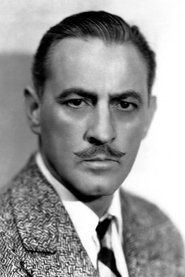 John BarrymoreCaptain Ahab Ceeley
 Dolores CostelloEsther Harper
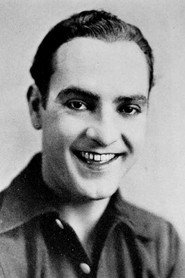 George O'HaraDerek Ceeley
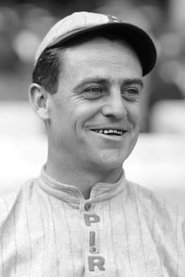 Mike DonlinFlask
- Sam BakerQueequeeq
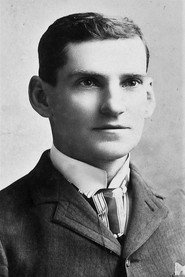 George BerrellPerth (as George Burrell)
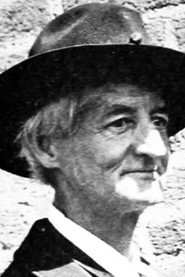 Sam AllenCaptain
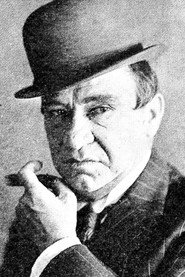 Frank NelsonStubbs
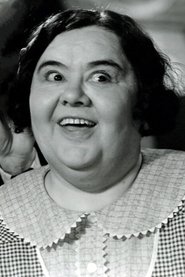 Mathilde ComontMula
 James O. BarrowsRev. Harper
 Sôjin KamiyamaFedallah (as Sojin)
Directing
- Millard WebbDirector
Writing
- Herman MelvilleNovel
- Bess MeredythWriter