
Film
Morning Departure
- Survival thriller
- Action
- War drama
- Very dark
A British submarine lies crippled on the ocean floor with its crew trapped inside, air running out. Morning Departure is a taut, claustrophobic rescue drama that treats ordinary men facing extraordinary pressure with unflinching realism. It's fundamentally about courage—not the heroic kind, but the quiet kind that surfaces when there's nowhere left to run. Made in 1950, it feels documentary-precise.
Should you watch it?
Watch it if you love taut, wartime-era submarine dramas where the tension comes from quiet men doing exacting work under pressure, and you are happy to sit with a stiff upper lip and a slow-building dread.
Skip it if you need fast cutting, modern effects or big emotional outbursts, since this 1950 British film trusts restraint and procedure over spectacle and keeps its feelings buttoned up.
What it asks of you: About a hundred minutes of patient, dialogue-driven attention, with a measured pace and a grey, sober mood that rewards close listening more than constant action.
Not sure? Find tonight's pick in a minute.
If you liked this
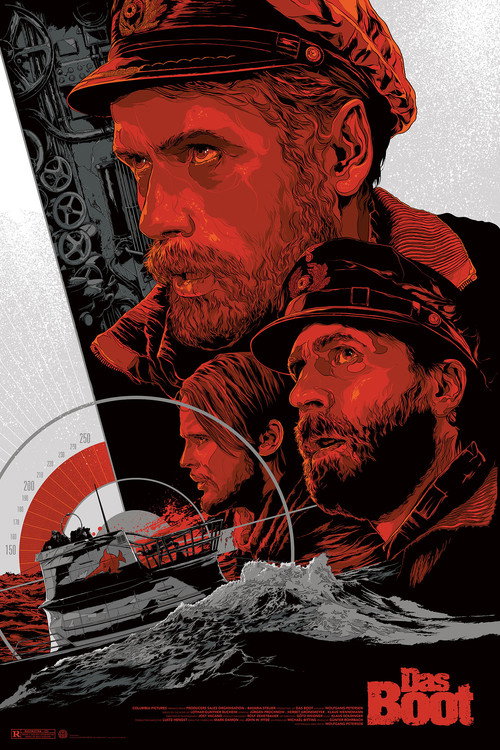
Das Boot1981
A German U-boat crew's routine patrol becomes a grinding nightmare of mechanical failure and psychological disintegration. It's submarine cinema perfected: technical, intimate, and merciless about what fear does to men in a metal tube.
But Nearly three hours long, and the pacing is deliberately slow. It can feel more like endurance than entertainment, which is partly the point.
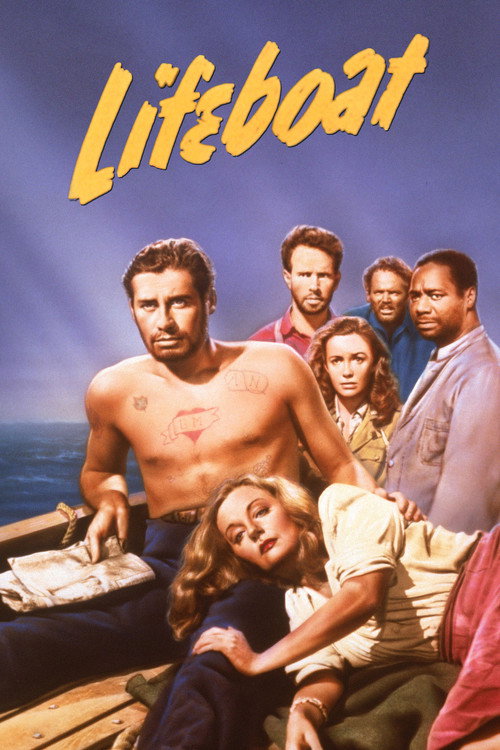
Lifeboat1944
Hitchcock traps a group of survivors in a small boat after a shipwreck, watching them fracture under pressure. Claustrophobic, psychologically intricate, and made with staggering economy—one room, one camera idea, perfect execution.
But Dialogue-heavy and theatrical. The small cast and single setting might feel stagey if you're expecting spectacle rather than character work.
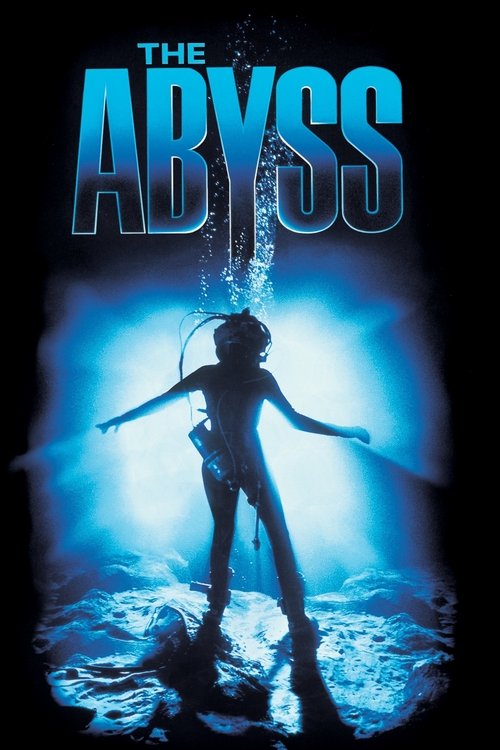
The Abyss1989
A underwater drilling crew faces a crisis in the deepest part of the ocean while something unknown lurks below. It combines the technical anxiety of submarine dramas with genuine mystery and moral complexity, shot with extraordinary visual clarity.
But The sci-fi element might feel incongruous to you if you wanted straight procedural tension. Some of the final act choices polarize viewers.
Not sure tonight? Get a pick in a minute, starting from Morning Departure
The wildcard
Something you would not have found on your own.
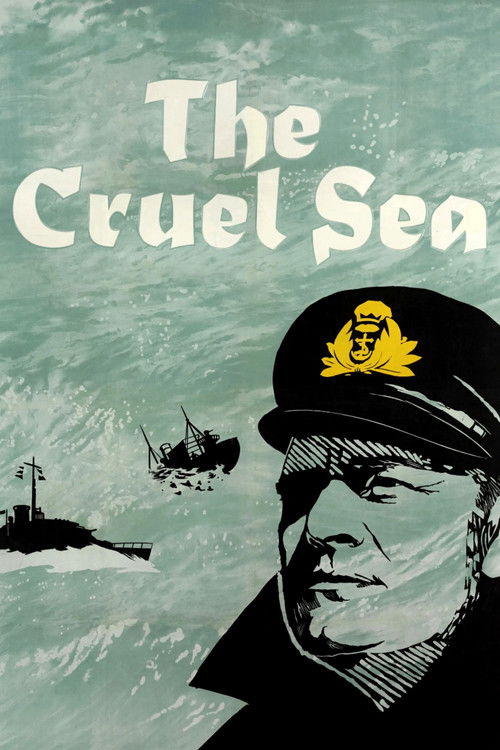
The Cruel Sea1953
Both are British naval dramas made in the same era that understand service as a form of slow suffering. Both find dignity in ordinary men facing mechanical and moral failure. Both move quietly—the kind of film that sits with you for days rather than exhilarates in the moment.
A British minesweeper escort ship endures years of Atlantic convoys, U-boat attacks, and moral decisions that haunt the captain. It's less about one crisis than about grinding, accumulative loss—how war hollows you rather than how it kills you. Genuinely shattering.
But It's slow-building and structurally episodic. The payoff is emotional and philosophical, not plot-driven, which means it demands patience and won't give you the catharsis of a single dramatic peak.
More like this (8)
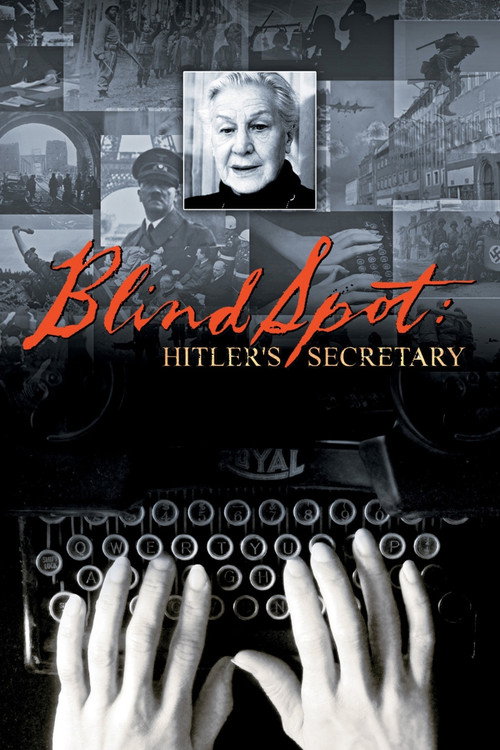
Blind Spot: Hitler's Secretary2002
An elderly woman—Hitler's personal secretary—recounts her life with precision and unsettling calm. It's a documentary that sits you down with history and makes you examine how ordinary people inhabit extraordinary evil without flinching.
But It's a single woman speaking to camera for 90 minutes. If you need conventional narrative structure or visual movement, this will feel static and slightly suffocating.
The Poseidon Adventure1972
A luxury ship capsizes in an ocean disaster, and a desperate group fights upward through flooding corridors toward the hull. It's the disaster film prototype: the thrills are real, the human moments between them genuine, and the ensemble cast uniformly excellent.
But The pacing is deliberately slow and deliberate, and by modern standards it can feel a touch stagey. Some deaths feel earned; others feel like they're just clearing the cast list.
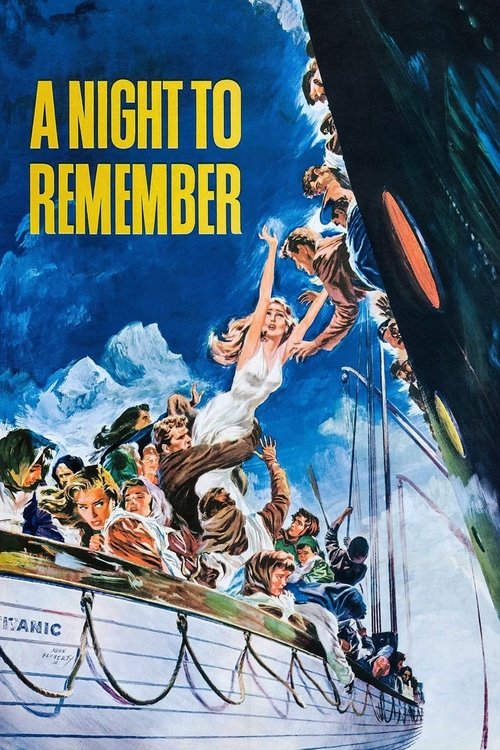
A Night to Remember1958
The Titanic sinking told through dozens of perspectives—crew, passengers, the rescue ship. It's meticulous, moving, and treats the disaster as a profound human event rather than a spectacle, with extraordinary period detail and restraint.
But It's elegiac rather than exciting. If you want romance or drama foregrounded, the tone is determinedly documentary and architectural about how things fell apart.
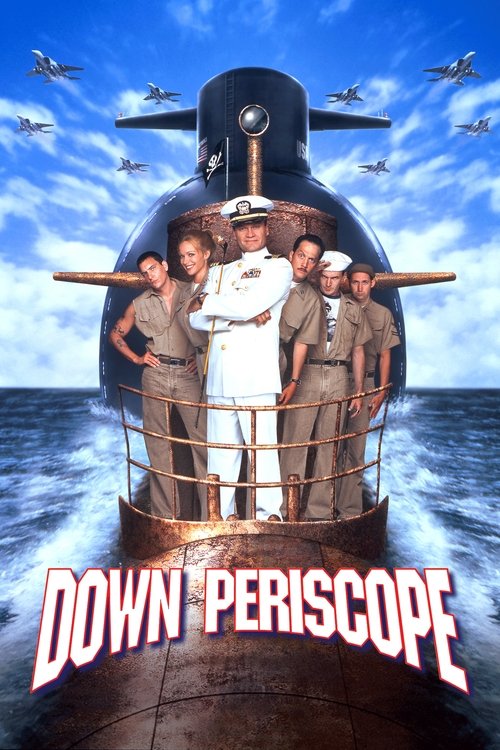
Down Periscope1996
Kelsey Grammer commands a submarine crewed by misfits in a Navy exercise. It's lighter than the others here—genuinely funny, with unexpected warmth and a real affection for the absurdity of military hierarchy, but technically accurate about submarine life.
But It's comedy first, procedural second. If you came for tension and realism, this undercuts both with slapstick regularly and thoroughly.
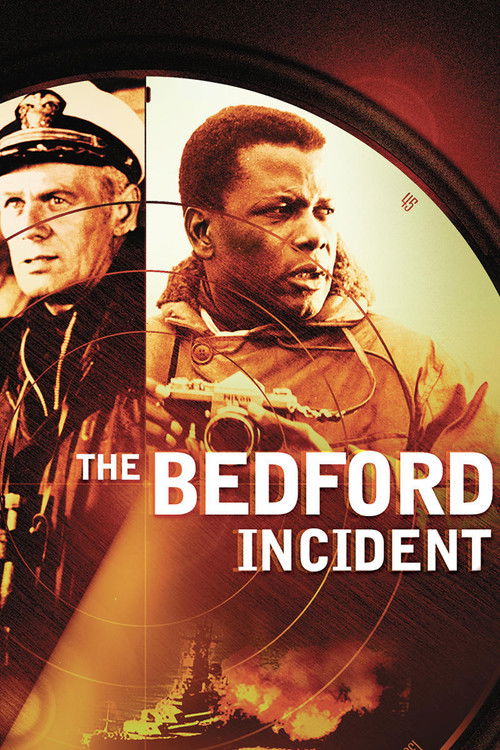
The Bedford Incident1965
A U.S. destroyer captain obsessed with tracking a Soviet submarine pushes his crew toward catastrophe through sheer will and paranoia. It's a Cold War pressure cooker where the real danger is the man giving orders, not the enemy you can't see.
But It's deliberately repetitive and circular—same arguments, same tension, no release until the ending. That's the point, but it can feel like being trapped with someone's obsession rather than moved by a story.
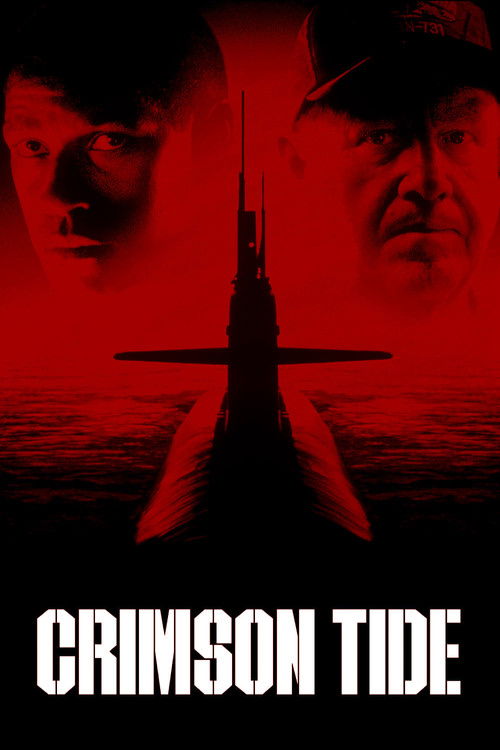
Crimson Tide1995
A nuclear submarine captain and his first officer clash over whether to launch weapons during a potential Russian confrontation. Denzel Washington and Gene Hackman create genuine intellectual and moral friction; it's tense, smart, and asks real questions about authority.
But It pivots between procedural authenticity and Hollywood theatricality. Some submarine officers find it technically laughable; others just find it dramatically overdone.
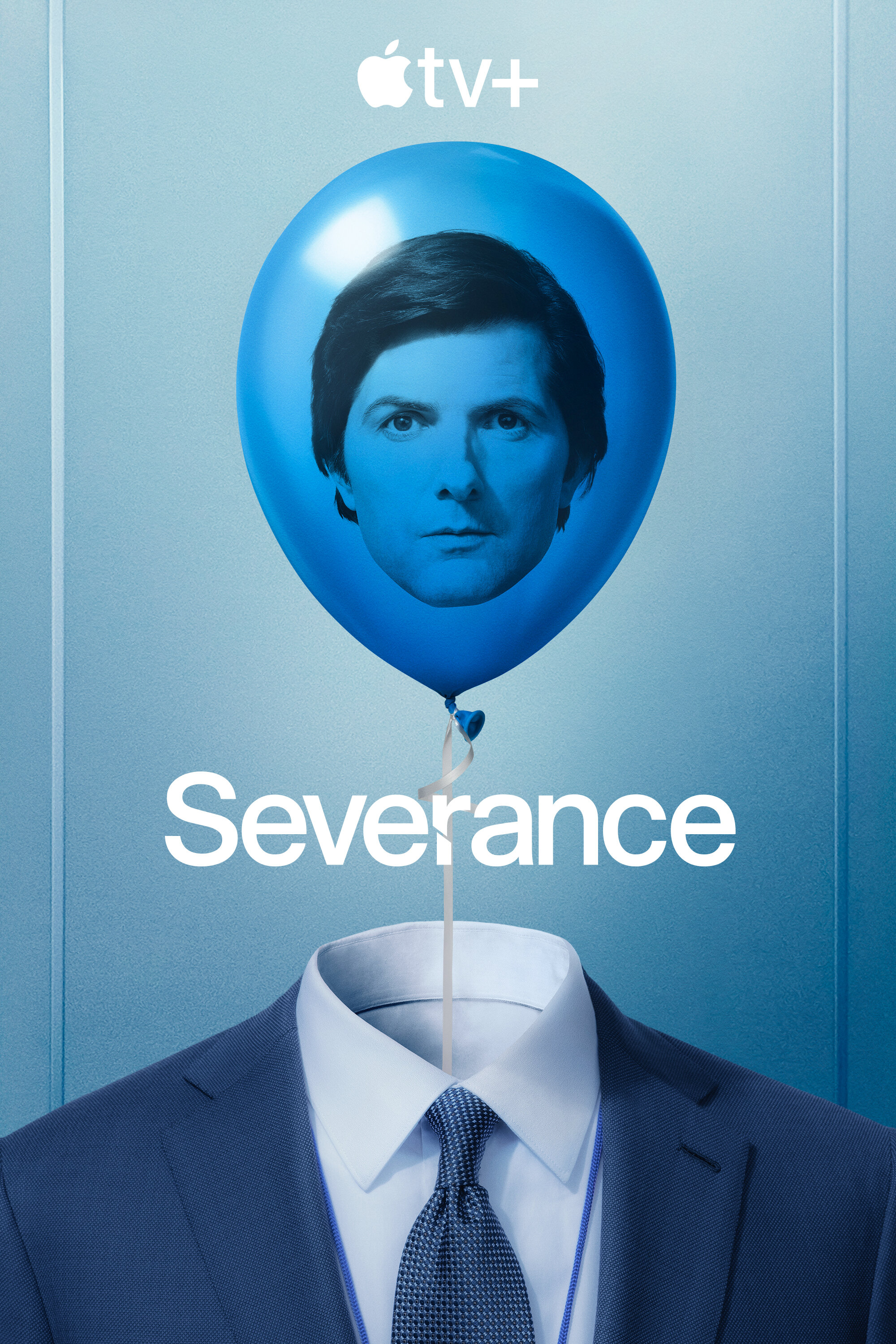
Severance2022
Both trap their characters and us in a claustrophobic space where the real threat is psychological. Both use technical precision and workplace hierarchy to explore what people do when escape is impossible. Both understand that confinement and information control are more terrifying than explosions.
Workers in a dystopian corporation have their memories surgically split—work life and personal life completely separated. It's a psychological thriller disguised as sci-fi, about identity under pressure, and the craft is extraordinary: every detail means something, every episode leaves you breathless.
But It's deliberately withholding. You won't understand what's happening for a long time, and the show doesn't apologize for that. If you need answers before the final episode, you'll be frustrated.
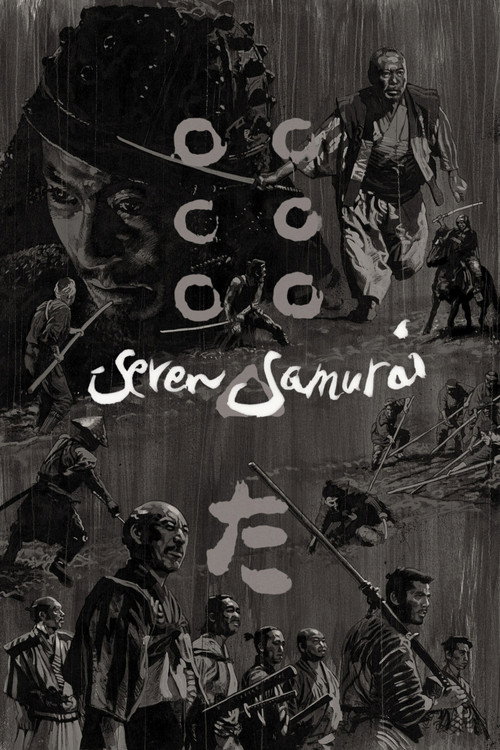
Seven Samurai1954
Like Morning Departure, it's about ordinary people (a farmer is just a farmer, a carpenter is just a carpenter) forced to act with precision under extreme pressure. Both explore how humans organize under threat and what bonds form when everything is at stake. Both believe that courage is showing up when you're afraid, not being fearless.
A village hires seven warriors to defend against bandits. It's an epic about competent people under pressure, where the real story is how strangers become a unit and what each person contributes when it matters. Kurosawa's formal control is absolute—every scene breathes perfectly.
But It's 3 hours 27 minutes and in Japanese. The pacing is meditative, not propulsive, and extended scenes of tactical planning or character work might feel slow if you're expecting action cinema.
People
Cast
 John MillsLt. Cmdr. Armstrong
 Richard AttenboroughStoker Snipe
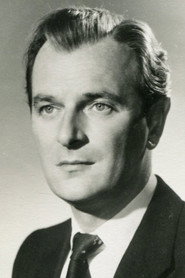 Nigel PatrickLt. Manson
 George ColeERA Marks
 Bernard LeeCmdr. Gates
 Peter HammondSub-Lt. Oakley
 Andrew CrawfordSub-Lt. J. McFee
 Michael BrennanCPO Barlow




Directing
- Roy Ward BakerDirector
Writing
- Kenneth WoollardTheatre Play
- W.E. FairchildWriter
Production
- Tina L. ScottCasting
- Jay LewisProducer
- Herbert SmithProduction Manager