
Film
The Sinking of the Lusitania
- Action
- Very dark
Winsor McCay's 1918 animated reconstruction of the Lusitania's sinking is a technical marvel and historical document rolled into one. Twelve minutes of painstaking hand-drawn animation depicting a real maritime disaster, designed as WWI propaganda but remarkable for its ambition and craft. A bridge between early cinema and modern animation.
Should you watch it?
Watch it if you love early animation as craft and are curious how a pioneer's hand-drawn frames were bent into wartime persuasion, the way a propaganda historian would.
Skip it if you want a slick, modern animated piece with characters you come to know, since this is a brief, crude, one-note pitch built to provoke rather than to tell a story.
What it asks of you: Twelve minutes of silent, flickering drawings, so the attention it wants is brief and the pace is quick, with little room for mood or subtlety.
Not sure? Find tonight's pick in a minute.
If you liked this
Häxan1922
Silent Swedish film about witchcraft using proto-documentary techniques and fantastical staging. Visually daring, historically significant, and genuinely eerie despite its age. A masterclass in atmospheric filmmaking without dialogue.
But Pacing feels glacial by modern standards, and some sequences are genuinely disturbing in ways that may feel exploitative rather than educational.

Battleship Potemkin1925
Eisenstein's revolutionary silent film about a naval mutiny uses montage and propaganda in ways that influenced all cinema after. Explosive kinetic energy despite being wordless. The Odessa Steps scene alone justifies watching.
But The political messaging is unsubtle, and the lack of conventional character development may feel cold and didactic to modern viewers seeking emotional engagement.

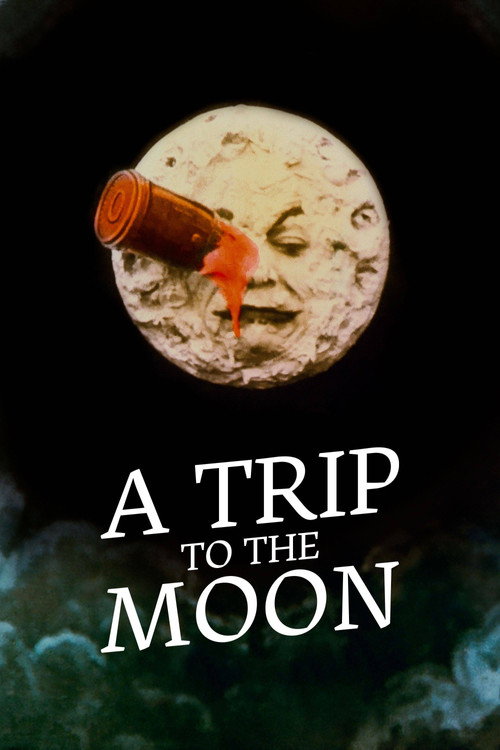
A Trip to the Moon1902
Méliès' twelve-minute fantasia predates narrative cinema as we know it. Hand-coloured, imaginative, delightful. Shows why early cinema felt like magic. Essential viewing for anyone curious about where it all began.
But Plot is minimal and pacing uneven by current standards. The charm is archaeological—you're watching film history, which isn't the same as being entertained.
Not sure tonight? Get a pick in a minute, starting from The Sinking of the Lusitania
The wildcard
Something you would not have found on your own.
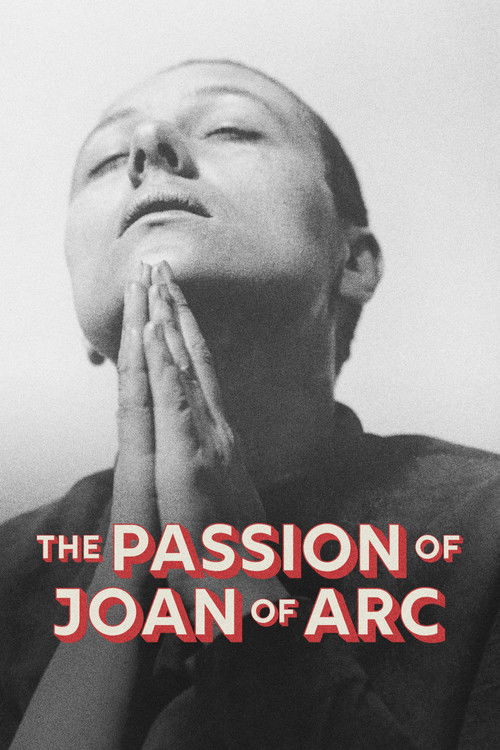
The Passion of Joan of Arc1928
Both films use animation or unorthodox visual technique to bear witness to a real historical tragedy with gravity and formal ambition. Both are trying to do something morally urgent, not just entertain.
Dreyer's silent close-up of Joan of Arc's trial is almost abstract in its intensity. Carl Theodor Dreyer films Renée Jeanne Falconetti's face for forty minutes and it becomes unbearable, transcendent cinema. Extreme formal restraint meets extreme emotional power.
But Literally a woman being tried and executed. No plot in the conventional sense, only faces and faith and suffering. Some find it glacial; others find it one of cinema's peaks. There is no middle ground.
More like this (8)
Metropolis1927
Lang's vision of a dystopian future city is staggering in scale and design. Combines technical innovation with genuine emotional stakes. The restored version recovers much of what was lost. Jaw-dropping even now.
But Runs over two hours, the political allegory is heavy-handed, and surviving prints are fragmentary. Some restored sequences feel pasted in.

Nosferatu1922
Murnau's vampire film is atmospheric, visually inventive, and genuinely unsettling. Silent horror done right—shadows and movement do the work dialogue can't. A template for everything that followed.
But The frame rate and image quality can feel remote and difficult. Without sound, atmosphere requires patience to absorb.

M1931
Lang's first sound film is a masterpiece about a city hunting a child-murderer. Suspenseful, socially complex, with a chilling final debate about justice and mob rule. Feels urgently modern.
But German with subtitles, grim subject matter, and the ending offers no comfort. Deliberately unsettling rather than cathartic.

Intolerance: Love's Struggle Throughout the Ages1916
D.W. Griffith's ambitious four-story epic connecting intolerance across history. Visually stunning, narratively audacious, and surprisingly moving. A film that wanted to say something big.
But Three-and-a-half hours, uneven tone, and Griffith's problematic politics seep in despite his intentions. Structure can feel chaotic.

The Cabinet of Dr. Caligari1920
German Expressionist nightmare about madness and authority. The distorted sets and shadows create a world that feels genuinely wrong. Visually unlike anything before or since.
But Plot is thin and the ending feels like a copout. The style can overwhelm substance, and pacing drags in the second half.

The Phantom Carriage1921
Swedish supernatural drama about a man confronted by death on New Year's Eve. Genuinely spooky, elegantly shot, and unexpectedly moving about redemption and wasted life.
But Slow, emotionally heavy, and the special effects—while inventive—can look quaint. Not everyone connects with silent melodrama.

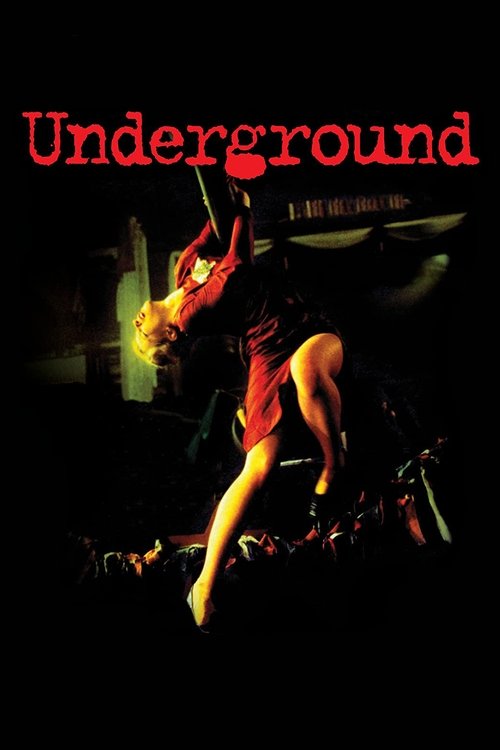
Underground1995
Both use visual spectacle and distortion to process historical catastrophe that defies straightforward representation. Both are propaganda in form and content—they're *about* how propaganda works by embodying it.
Emir Kusturica's three-hour surrealist epic about Yugoslav war uses theatre, absurdism, and grotesque spectacle to depict how propaganda and myth-making corrupt a nation. Formally wild, politically furious, deeply humanist beneath the chaos. A film that embodies its subject rather than narrating it.
But Wildly uneven, deliberately provocative, structurally baffling, and it asks things of viewers most cinema doesn't. Also, its own politics are debated. Not comfortable viewing in any sense.
Night and Fog1956
Like McCay's film, it is a short work wrestling with how to visualize historical atrocity responsibly. Both use formal innovation to resist easy emotion—they want you to *think*, not just feel sad.
Alain Resnais' thirty-minute essay film intercuts colour footage of abandoned Auschwitz with black-and-white archival images and survivor testimony. Composed rather than explained. Devastatingly intelligent about how to make the unimaginable visible without exploiting it.
But It is a documentary about genocide. The formal beauty can feel obscene. Some argue it aestheticizes atrocity. Watching it requires moral readiness, not just time.

People
Cast
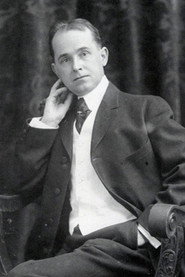 Winsor McCayHimself
Directing
- Winsor McCayDirector
Writing
- Winsor McCayWriter