
Film
Women on the Verge of a Nervous Breakdown
Almodóvar's masterpiece about a woman undone—and everyone around her—after her actor lover disappears. A screwball symphony of colour, chaos, and feeling, where every frame looks like a painting and every line lands. For anyone who's ever loved badly and survived spectacularly.
Should you watch it?
Watch it if you enjoy farce that treats heartbreak as a frantic, colour-saturated party, where overlapping crises collide and the tone stays giddy even as the stakes climb.
Skip it if the zany, sitcom-speed scramble can feel exhausting if you prefer slow, quiet character studies, and its bright surfaces sometimes outrun its emotional depth.
What it asks of you: It asks for a brisk ninety minutes or so of attention, staying alert to rapid cuts, overlapping conversations and sudden shifts from panic to tenderness.
Not sure? Find tonight's pick in a minute.
If you liked this
Mulholland Drive2001
Another tale of women fractured by love and ambition in a city of mirrors. Lynch's dreamlike structure and Patricia Arquette's raw vulnerability create the same sense of reality unspooling that makes Almodóvar's film so magnetic.
But At three hours and deliberately nonlinear, it demands you sit with its mysteries rather than resolve them. That's a feature, not a bug, but it's not for a casual watch.

La Haine1995
Like Pepa's world, this film captures the energy of a society in freefall—except viewed from the ground up. Mathieu Kassovitz's black-and-white rage and momentum will devastate you in entirely different ways than Almodóvar manages.
But It's far more brutal and political. The comedy here is pitch-black gallows humour, not the bright absurdism you get from Almodóvar. The pace is relentless.

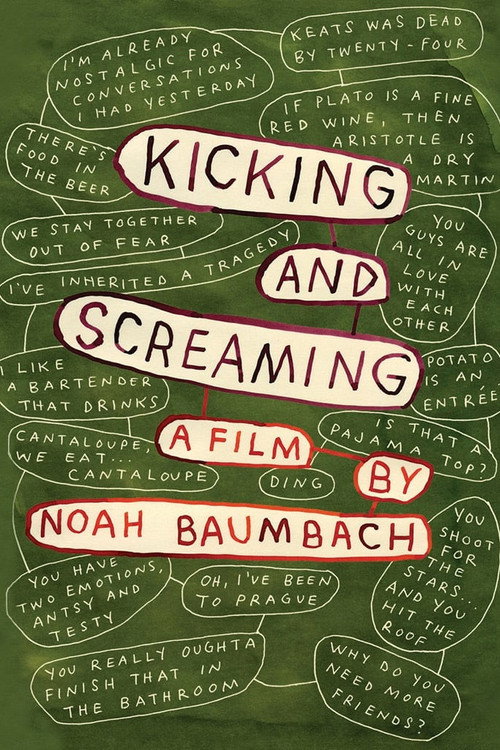
Kicking and Screaming1995
Noah Baumbach's debut captures that same feeling of smart people collapsing under their own neuroses, relationships imploding with wit intact. The chatter is frantic; the feeling underneath is genuine devastation.
But It's a mumblecore film shot on a shoestring. No visual flourish, no colour—just awkward dialogue and people in rooms. Some find that tedious rather than piercing.
Not sure tonight? Get a pick in a minute, starting from Women on the Verge of a Nervous Breakdown
The wildcard
Something you would not have found on your own.
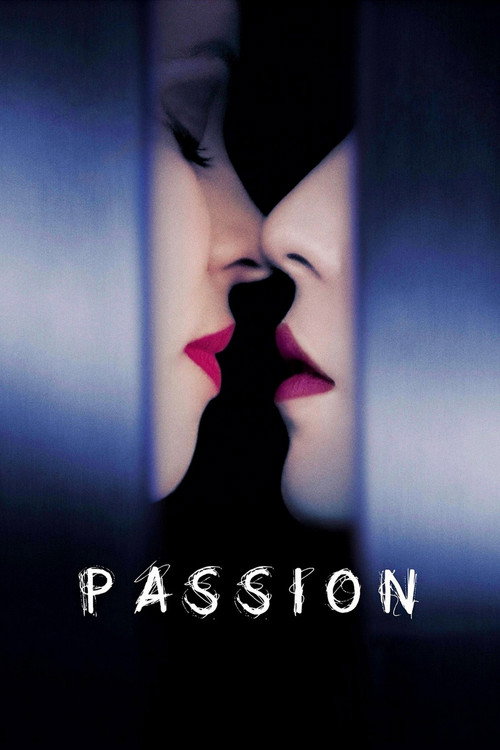
Passion2013
Both use women's emotional unravelling as their engine, but *Passion* strips away the chaotic supporting cast and farcical speed—it's the same combustion, but filmed like a Rembrandt.
Almodóvar himself, making a chamber film about two women and obsession with the same formal precision he brought to *Verge*—but distilled, darker, more operatic. Béatrice Dalle and Brigitte Bardot smoulder. It's a masterclass in colour and fury compressed into 95 minutes.
But It's genuinely nasty at times. The plot hinges on cruelty and betrayal. If you admire *Verge* for its warmth and absurdist lightness, this film will feel like watching someone you love make something genuinely cold.
More like this (7)
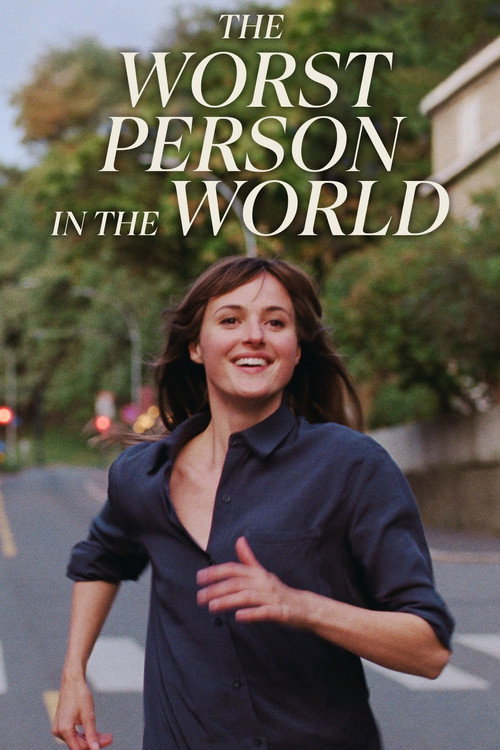
The Worst Person in the World2021
Joachim Trier's portrait of a woman adrift in Oslo—love, ambition, chaos—has Almodóvar's warmth toward human mess and a similar visual wit. Renate Reinsve is luminous, and the film's structure splinters your heart beautifully.
But It's quieter and more melancholic than Almodóvar. At two hours twenty, it earns its length, but if you want breakneck pace, this moves at feeling-time instead.
Under the Skin2014
Glazer's hypnotic film about an alien woman moving through Scotland is as formally audacious as anything Almodóvar made. Scarlett Johansson disintegrates across its landscape in ways that parallel Pepa's unravelling.
But It's slow, dialogue-sparse, and deeply unsettling rather than exhilarating. Some will find it self-indulgent or simply alienating—there's no plot to hang onto.

Permanent Record
Elisabeth Moss in a film about a girl in 1980s New York navigating identity, attraction, and the brink of total collapse. It has Almodóvar's colour sense and a similar eye for the absurd cruelty of being young and lost.
But It's quiet and impressionistic. A lot of people found it frustratingly slow and formless, preferring narratives with clearer bones.
The Comedy2012
Rick Alverson's portrait of a man and his circle in freefall has the same pitch as Almodóvar—human comedy and genuine pain sitting on top of each other. It's about the chaos people make when they stop pretending.
But Tim Heidecker is not a conventional lead, and the film is deliberately static and hostile. It doesn't court you. Some found it repellent rather than revealing.

A Prophet2009
Jacques Audiard's prison epic has the same meticulous visual language and sense of lives colliding and transforming. Like Almodóvar, Audiard finds humanity in extreme circumstances and refuses easy sentiment.
But It's grim and violent. The tone is far from farcical—this is about survival and moral corruption. If you loved Almodóvar for the colour and speed, this will feel punishingly grey.

Made in Hong Kong1997
Both films find profound comedy and humanity in chaos, but where Almodóvar uses colour and Cinemascope to dazzle you, Chan uses 8mm rot and silence. Same emotional register, opposite aesthetic language.
Fruit Chan's portrait of teenage aimlessness in Hong Kong has the same eye for how desperation and human comedy live in the same room. Shot on Super 8, it feels like someone's fever dream about growing up. Utterly singular.
But The image is deliberately degraded and murky. There's no plot to speak of. Some found it pretentious or unbearably depressing—it's not entertaining in the way *Verge* is.

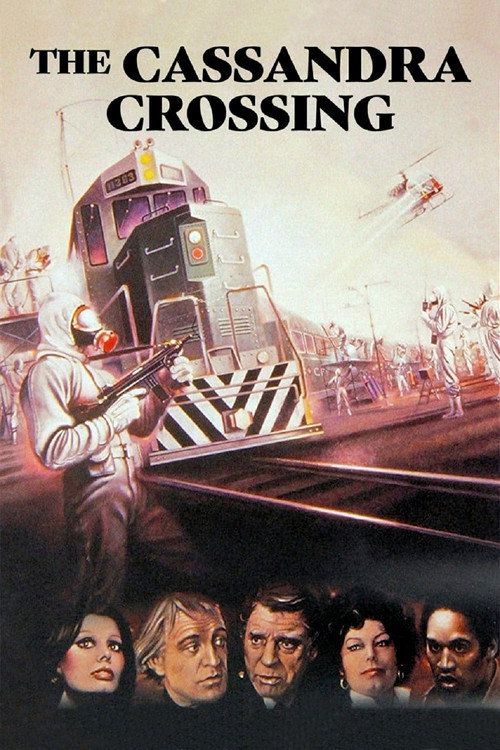
The Cassandra Crossing1976
Both films use a central female consciousness in crisis—but where *Verge* radiates outward into farce and connection, *Cassandra* turns inward into prophecy and solitude. Same emotional starting point, opposite geometries.
Christa Wolf's East German adaptation of the Trojan myth, a woman alone in a room with her voice and her knowledge of doom. It's formally radical—nearly silent, intensely interior. Inert until it cracks you open. A meditation on isolation and prescience that gutted everyone who saw it.
But It's extremely slow and demands active listening. You get monologue and ambiguous imagery, not plot. Shot on grainy video, it looks like a transmission from another world. Many found it boring rather than profound.
People
Cast
 Carmen MauraPepa
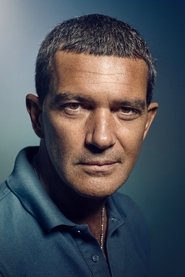 Antonio BanderasCarlos
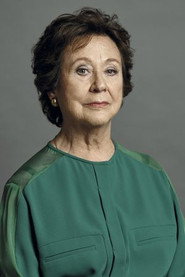 Julieta SerranoLucía
 María BarrancoCandela
 Rossy de PalmaMarisa
 Kiti MánverPaulina Morales
 Guillermo MontesinosTaxi Driver
 Chus LampreaveJehovah's Witness Goalkeeper
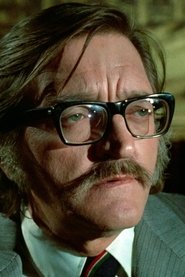 Eduardo CalvoLucía's Father
 Loles LeónSecretary
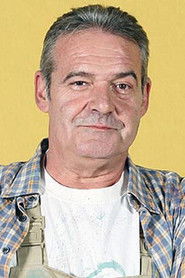 Ángel de Andrés LópezPolice I
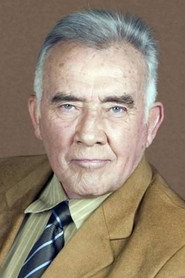 Fernando GuillénIván
Directing
- Julián Núñez SánchezAssistant Director
- Miguel Ángel Pérez CamposAssistant Director
- Pedro AlmodóvarDirector
- Marisa IbarraScript Supervisor
Writing
- Pedro AlmodóvarScreenplay
Production
- Antonio LlorensAssociate Producer
- Agustín AlmodóvarExecutive Producer
- Juan Carlos GarridoLocation Manager
- Alejandro VázquezProduction Assistant
- Esther GarcíaProduction Manager
- Fernanda ArnalProduction Secretary