
Film
The Comedy
A bleak, nearly plotless film about wealthy Manhattan aimlessness. Tim Heidecker and Eric Wareheim drift through absurdist pranks and performance-art cruelty, treating strangers and each other as props in games nobody wins. It's glacial, uncomfortable, and genuinely funny in a way that makes you feel complicit. For people who love uncomfortable comedy and don't need narrative permission to care.
Should you watch it?
Watch it if you enjoy deadpan, aimless characters whose jokes curdle into discomfort, and you are happy to laugh while feeling slightly complicit, the way Tim and Eric's sketches make you wince.
Skip it if you need a story that moves, since this drifts through hangouts and provocations with little momentum, and its cruelty can feel like a test of patience.
What it asks of you: It runs ninety-three minutes of loose scenes, long silences and unhurried framing that wants you to sit with the awkwardness rather than be rescued from it.
Not sure? Find tonight's pick in a minute.
If you liked this
Synecdoche, New York2008
Charlie Kaufman's masterpiece about a director staging an increasingly elaborate reproduction of reality. Like The Comedy, it's formally daring, funny in spite of itself, and deeply concerned with the cost of treating life as material.
But Genuinely exhausting. Three hours of escalating existential dread. You'll need to sit with it afterward.

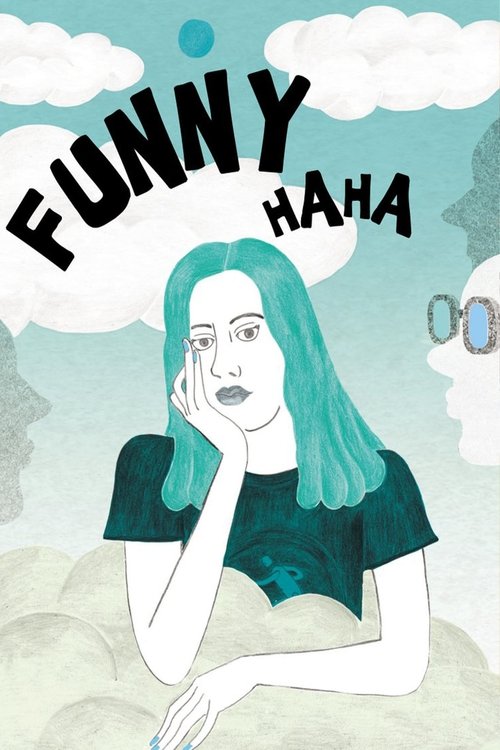
Funny Ha Ha2003
Andrew Bujalski's indie comedy about young people making bad decisions and hurting each other without meaning to. Structurally shapeless, dialogue-heavy, and interested in the gap between how we perform and who we are.
But Minimal plot. If you need momentum or likable characters, it's going to feel like watching someone's phone notes come to life.
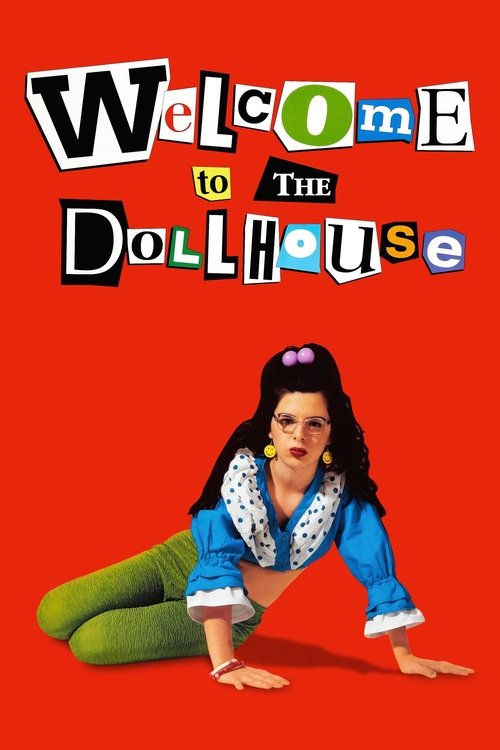
Welcome to the Dollhouse1996
Todd Solondz's caustic film about a miserable teenager. Like The Comedy, it finds darkly funny cruelty in everyday human interactions and doesn't offer the comfort of resolution or growth.
But Genuinely bleak and mean. The main character is tormented relentlessly. Solace is not the point.
Not sure tonight? Get a pick in a minute, starting from The Comedy
The wildcard
Something you would not have found on your own.
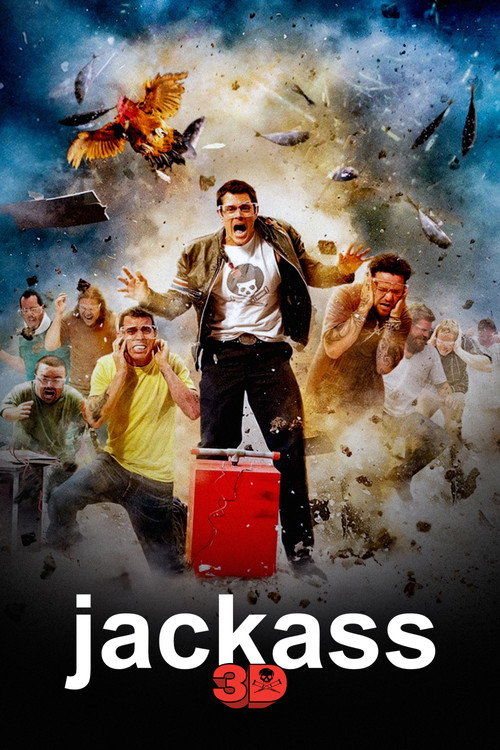
Jackass 3D2010
Both treat physical or social vulnerability as comic fuel. The key difference: Jackass directs the injury inward. The Comedy's nastiness is always outward-facing.
Professional chaos. The Jackass guys have perfected the art of harm as comedy—self-directed, absurdist, and genuinely inventive. Like The Comedy, it's about performance and cruelty, but it's the inverse: their damage, not others'.
But Literally painful to watch. You're squeamish about bodies being destroyed in pursuit of a laugh? This isn't your movie. Also: it's stupid in the way that requires absolute commitment.
More like this (8)
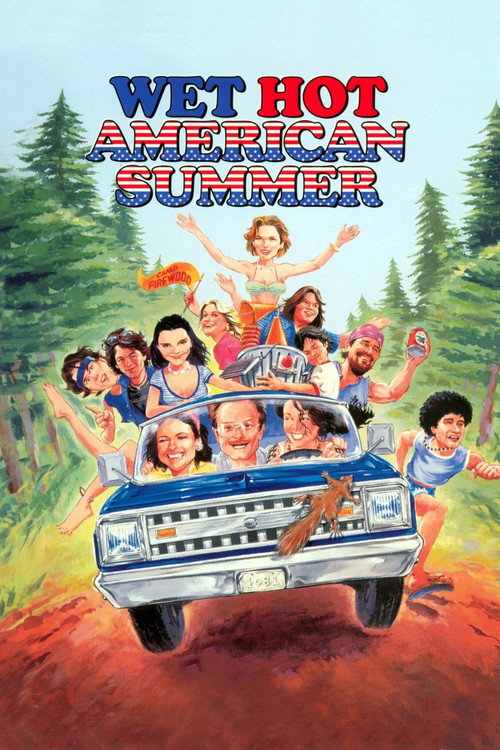
Wet Hot American Summer2001
An ensemble comedy structured like a fever dream, full of non-sequiturs and mock-sincere dialogue. It shares The Comedy's commitment to absurdism and the idea that plot is optional.
But Aggressively silly. If you're watching for narrative coherence, you're watching the wrong thing entirely.
A Ghost Story2017
David Lowery's haunting film about time, memory, and the unbearable lightness of being. It has the same formal oddness as The Comedy—a shape you don't expect—but it's mournful rather than arch.
But Slow and meditative to the point of stillness. There's a famous scene of someone eating pie in real time. Patience is required.

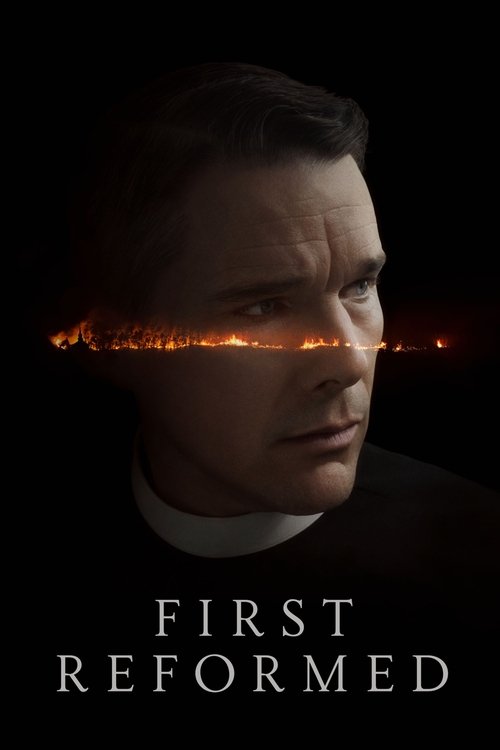
First Reformed2018
Paul Schrader's crushing meditation on faith, ecology, and masculine despair. Like The Comedy, it's uncomfortable and formally weird, but it's powered by genuine moral urgency rather than play.
But Genuinely depressing. It ends in a place The Comedy only gestures at. Not a relief watch.
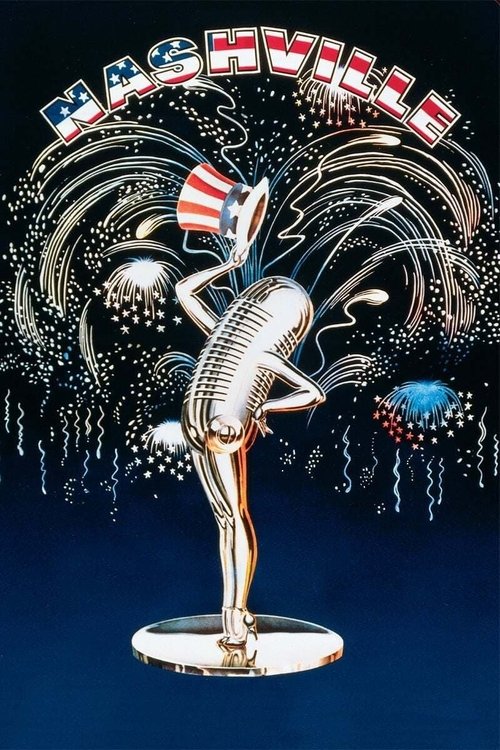
Nashville1975
Robert Altman's sprawling, plotless ensemble film about 24 hours in a city full of self-interested people. Formally radical, funny without trying, and interested in performance as survival.
But Three-hour sprawl. No through-line. If you need a movie to hold your hand, this will infuriate you.
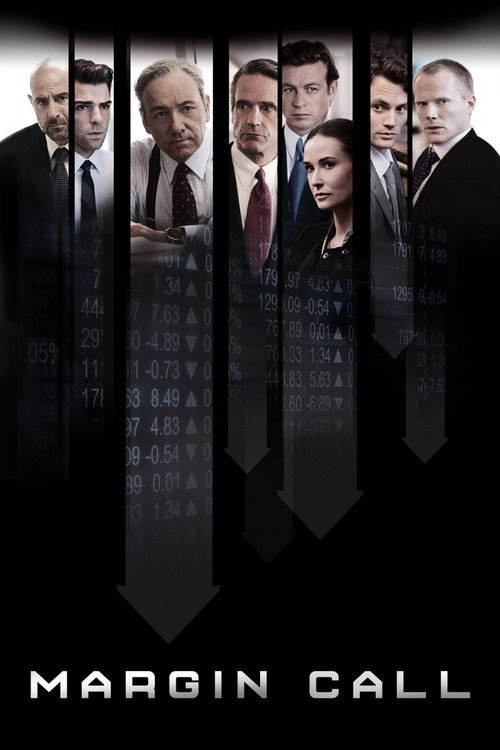
Margin Call2011
J.C. Chandor's tense financial thriller told in real time. It has the same lean, functional energy as The Comedy and the same interest in how smart people rationalize terrible behavior.
But Talky and procedural. If you're not interested in financial mechanics or moral compromise, the dialogue will feel abstract.
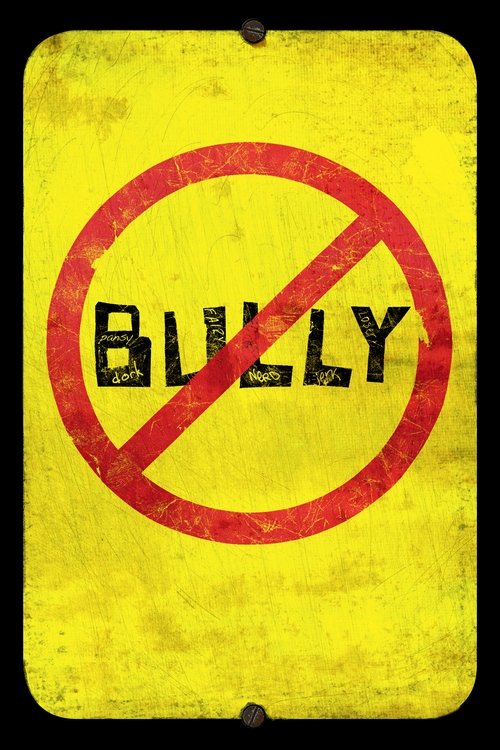
Bully2011
Larry Clark's unflinching documentary about teenagers in suburban Florida. It shares The Comedy's fascination with cruelty as social currency and doesn't look away from the damage it causes.
But Genuinely disturbing. Real people, real harm. It's blunt and sometimes exploitative. Not entertainment in any comfortable sense.
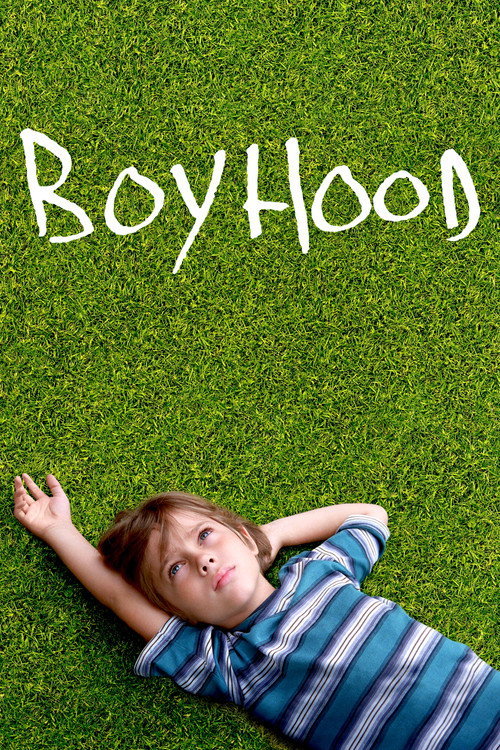
Boyhood2014
Both are interested in how people actually spend time and talk. Both privilege behavior over plot. Where The Comedy stalls in cruelty, Boyhood stalls in observation.
Richard Linklater filmed the same cast over twelve years. Structurally, it's The Comedy's inverse: a film that accumulates meaning through time rather than rejecting narrative. Same deadpan, naturalistic tone, but pointed toward growth instead of stasis.
But Glacially paced even by arthouse standards. Also: familiarity breeds contempt. After three hours watching a teenager fail to develop as a person, you may wish he'd hurry up.
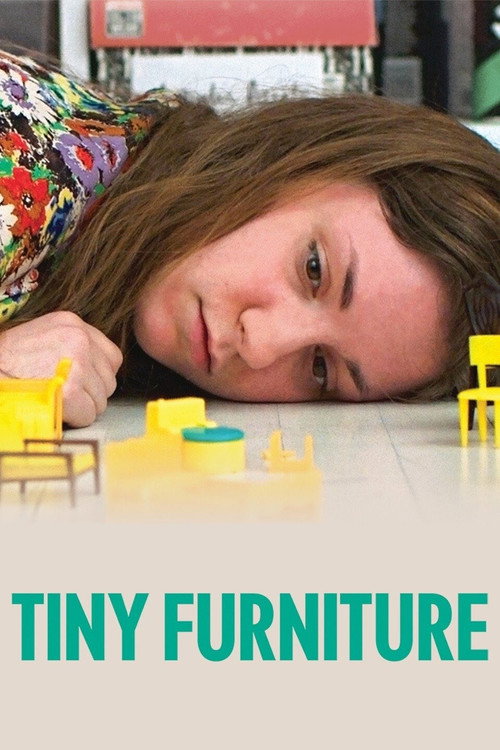
Tiny Furniture2010
Both are fascinated by aimless people in enclosed spaces, treating relationships as material for performance. Both reject the idea that watching people means they should change.
Lena Dunham's feature debut: a post-college woman adrift in her parents' apartment, hurting people casually, performing for anyone who might be watching. It has The Comedy's glacial pacing and its fascination with performance and emptiness, but it's genuinely intimate instead of glacial.
But Dunham's character is horrible and mostly unredeemable. If you're not willing to sit with moral discomfort and limited character growth, this will feel like a waste of your time and the characters'.
People
Cast
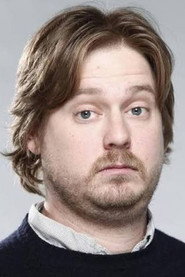 Tim HeideckerSwanson
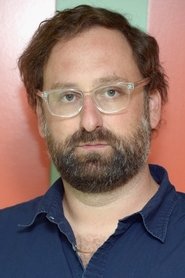 Eric WareheimVan Arman
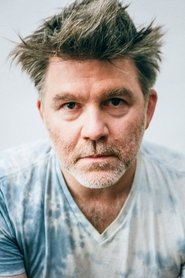 James MurphyBen
 Kate Lyn SheilWaitress
 Adam ScarimboloRestaurant Manager
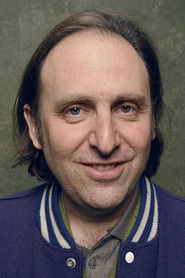 Gregg TurkingtonBobby
 Alexia RasmussenYoung Woman
 Grace RexHospital Nurse
- Liza KateSister-In-Law
 Rock KohliRaj
- Richard SwiftRichard
- Will SheffWill
Directing
- Rick AlversonDirector
Writing
- Colm O'LearyWriter
- Rick AlversonWriter
- Robert DonneWriter
Production
- Larry FessendenAssociate Producer
- Alex PlapingerExecutive Producer
- Ben SwansonExecutive Producer
- Chris SwansonExecutive Producer
- Danny McBrideExecutive Producer
- Darius Van ArmanExecutive Producer
- David Gordon GreenExecutive Producer
- Jody HillExecutive Producer
- Jonathan CargillExecutive Producer
- Matt ReillyExecutive Producer
- Brent KunkleProducer
- Mike S. RyanProducer
Recommended by
Women on the Verge of a Nervous Breakdown, Choke, Ghosted, The Switch, Buster's Mal Heart, Manglehorn, 44 Inch Chest, That's Life!