
Film
Panic on the 5:22
A taut 1974 hostage thriller set entirely aboard a private railroad car, where three armed criminals seize control and the passengers must find ways to survive and resist. It's a lean, efficient exercise in claustrophobic tension—the kind of B-movie that proves you don't need a sprawling cast or budget to trap an audience. Best for genre devotees who love the pressure-cooker setup.
Should you watch it?
Watch it if you enjoy suspense built from tight quarters and plain-spoken menace, the kind of 1970s thriller where a handful of strangers and a locked car do all the heavy lifting.
Skip it if the plotting is thin and the characters are sketched in fast, so if you need people to breathe, this will feel like a sketch.
What it asks of you: Seventy-three minutes, no wasted scenes, and a tension that tightens steadily rather than in bursts; you settle in and let it run.
Not sure? Find tonight's pick in a minute.
If you liked this
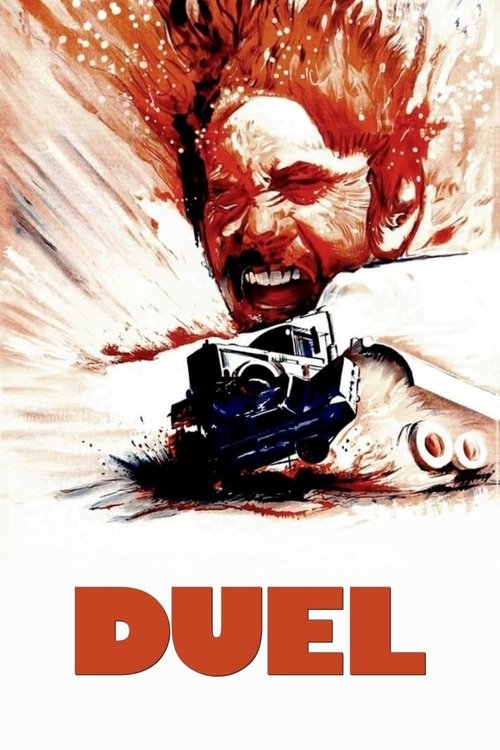
Duel1971
Spielberg's masterclass in suspense: one man hunted by a faceless truck driver across the desert. The principle is identical—isolation, threat, limited options—but translated to asphalt. Raw, relentless, and proof the confined premise can be expanded without losing its grip.
But Some find it slow and repetitive; the truck is not a character, and if you need personality from your antagonist, you'll be frustrated.
Rififi1955
A jewel heist becomes something closer to ballet—precise, nearly wordless, and mesmerizing. Like Panic on the 5:22, it proves a well-wound criminal premise needs no fancy dialogue, just clarity of purpose and escalating stakes.
But It's French noir from the 1950s, which means it moves at its own pace and assumes you'll sit still for it. Impatience is your enemy here.

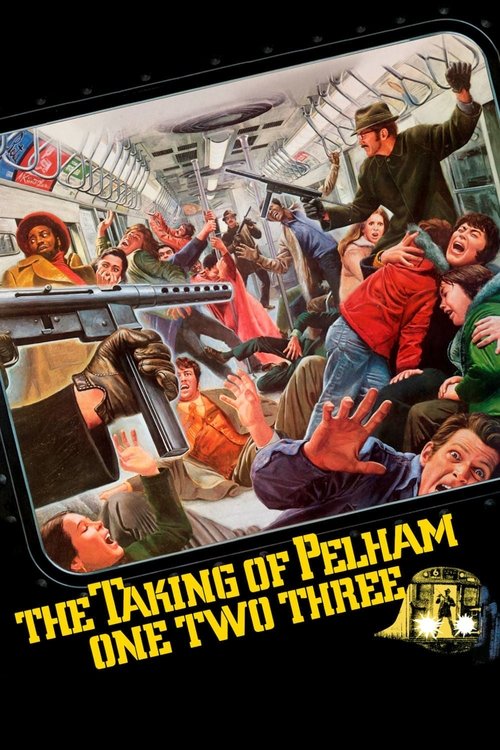
The Taking of Pelham One Two Three1974
Released the same year, it's the gold standard: subway hijacking, hostages, negotiation, and a gallery of New York characters crackling with wit. If you loved Panic's setup, this shows what happens when you add compelling dialogue and genuine star power.
But It's nearly two and a half hours, and the pacing can feel leisurely compared to more modern thrillers. Patience required.
Not sure tonight? Get a pick in a minute, starting from Panic on the 5:22
The wildcard
Something you would not have found on your own.
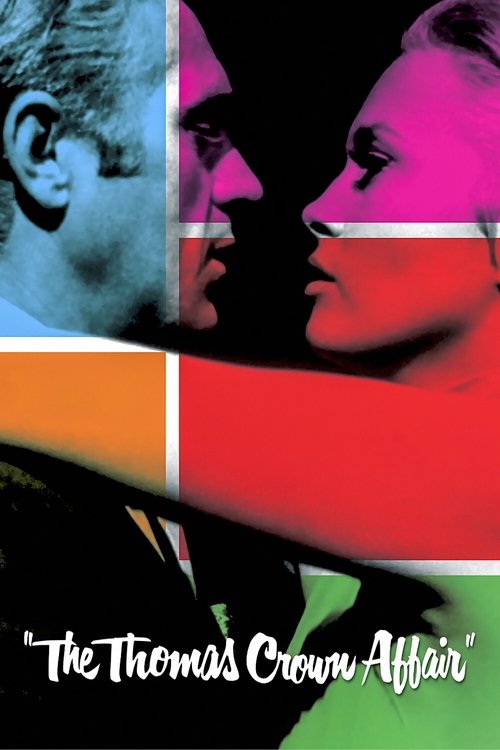
The Thomas Crown Affair1968
Both trap their characters in games with rules they didn't write. Both are about what happens when survival—or victory—depends on reading the person across from you.
A wealthy financier orchestrates an art heist for the thrill; an insurance investigator pursues him. It's a train-ride film in disguise—two protagonists locked in a dance of risk, trust, and betrayal, escalating toward a conclusion neither controls. The principle of Panic (limited resources, escalating stakes, strangers in proximity) becomes something far more playful.
But It's stylish and mannered in a way that can feel dated, and the heist itself is almost secondary to the seduction game. If you want plot to matter more than atmosphere, it may feel hollow.
More like this (7)
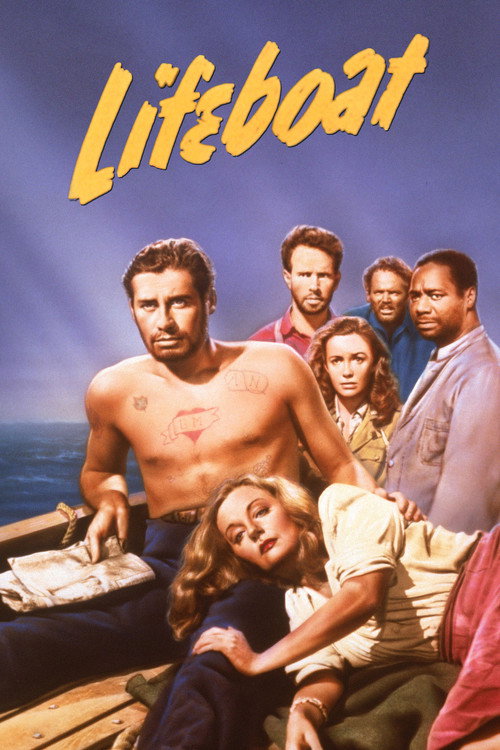
Lifeboat1944
Hitchcock traps nine people in a lifeboat with a Nazi U-boat captain. Pure constraint, pure psychology—everyone is suspect, resources are finite, and claustrophobia becomes the plot. The DNA of Panic lives here.
But It's wartime propaganda, and Hitch's interest is in character and paranoia rather than action. Some will find it talky and slow-building.
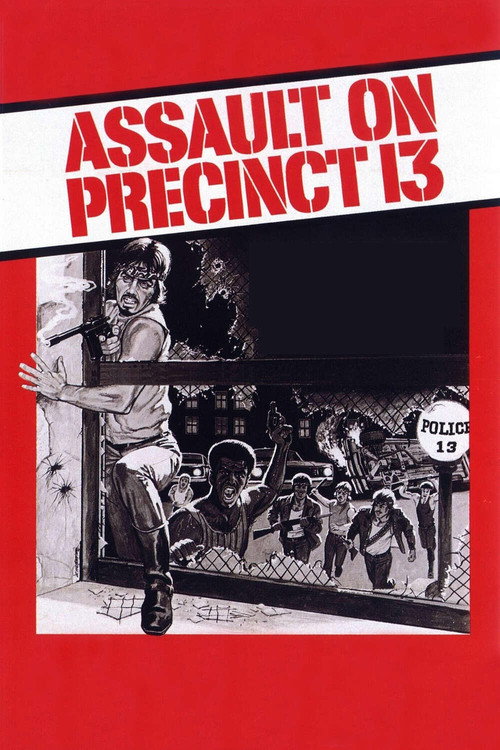
Assault on Precinct 131976
Carpenter's urban siege film: a handful of cops and criminals trapped in a precinct as a gang lays siege outside. Economical, brutal, inventive with its location, and proof that confinement breeds creativity.
But The dialogue can be clunky and the plotting occasionally feels mechanical. It's rough-edged in a way that grates if you want polish.
The Poseidon Adventure1972
A ship capsizes and survivors must navigate upward through a maze of wreckage and peril. Larger in scale than Panic, but it shares the DNA: limited space, multiple personalities under pressure, moment-to-moment survival.
But It's an ensemble disaster film with soap-opera melodrama woven throughout. If you want lean thriller efficiency, this bloats the formula with emotional subplots.
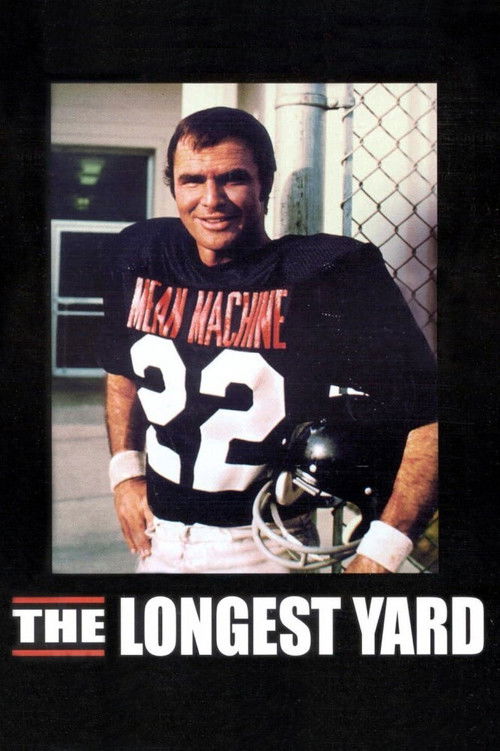
The Longest Yard1974
Burt Reynolds in prison organizing a football game: another confined space, another high-stakes game with rules and antagonists. It's lighter in tone but structurally similar—a closed system where everyone has skin in the game.
But It's comedy-action first and thriller second. If you want genuine danger and tension, the humor undercuts the stakes.
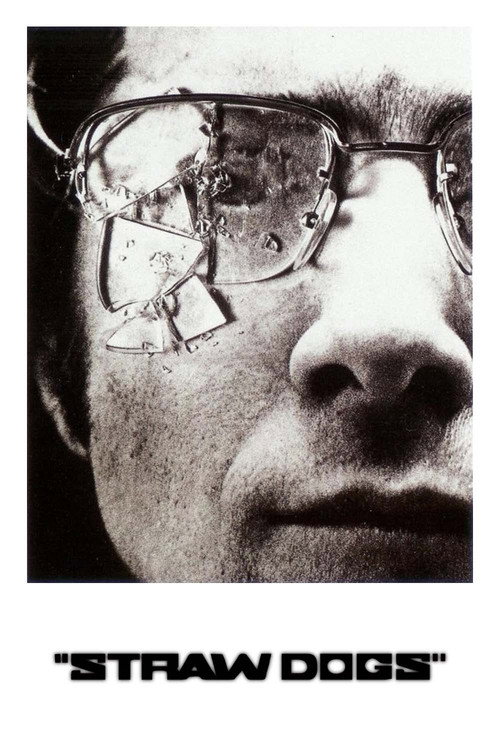
Straw Dogs1971
An American mathematician and his wife are besieged by local thugs in a remote English village. The pressure builds methodically until the final act explodes. A masterpiece of siege cinema, deeply uncomfortable and unflinching.
But It contains graphic violence and sexual assault depicted without flinching. The discomfort is intentional, not incidental. Many find it morally queasy despite its artistic power.
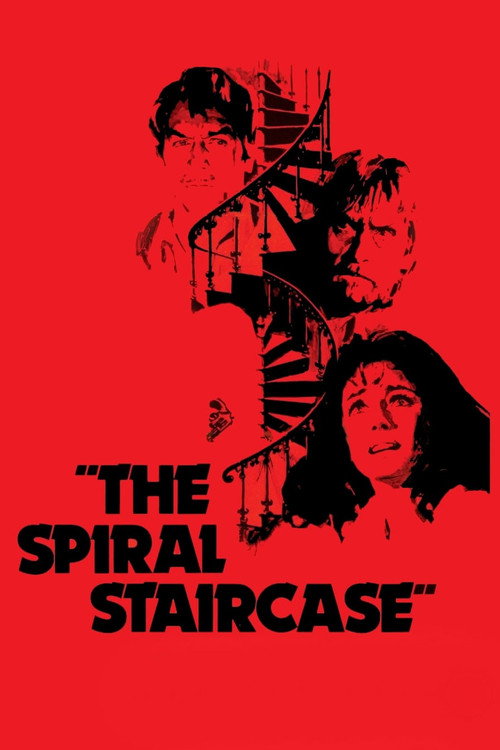
The Spiral Staircase1975
A woman trapped in a snowbound mansion with a killer. Slasher-adjacent but rooted in '70s paranoia and architectural terror. The house becomes as much antagonist as the killer, and it's gorgeously composed throughout.
But The pacing is deliberate and the shocks are sparse. Modern audiences raised on jump scares may find it frustratingly restrained.
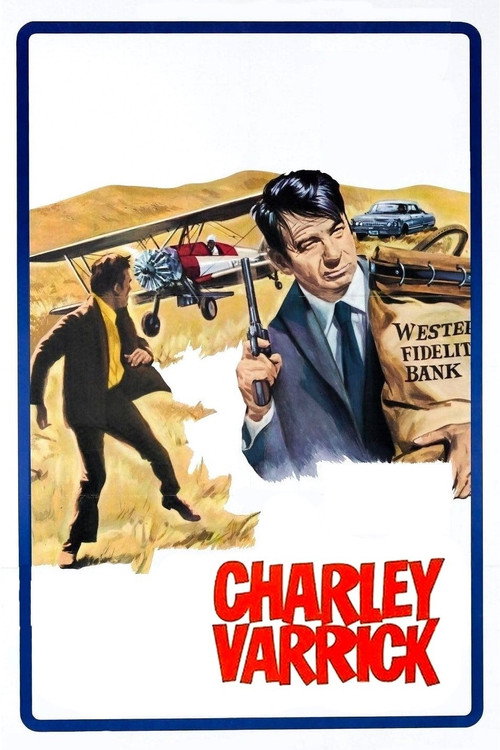
Charley Varrick1973
Both are about people improvising survival against larger forces. Both believe that cunning matters more than violence, and that the smartest person in the room might not be the one with the gun.
A small-time bank robber unintentionally steals mob money and must outwit both the criminals chasing him and a mysterious fixer hunting him down. It's a chase film, not a siege, but it shares Panic's DNA: ordinary people trapped in extraordinary circumstances, forced to think faster than the people hunting them. Don Harris plays the amoral fixer with ice-cold precision.
But It's a 1970s crime film where the protagonist is fundamentally a crook, and the morality is murky throughout. If you need to root for someone, this movie is indifferent to your comfort.
People
Cast
 Ina BalinCountess Hedy Maria Tovarese
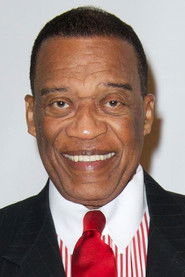 Bernie CaseyWendell Weaver
- Linden ChilesTony Ebsen
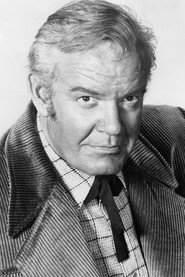 Andrew DugganHarlan Jack Garner
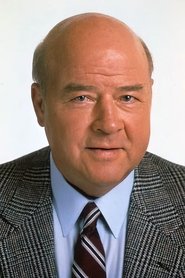 Dana ElcarHal Rodgers
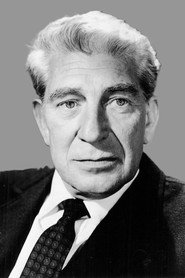 Eduard FranzJerome Hartford
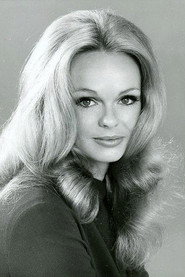 Lynda Day GeorgeMary Ellen Lewis
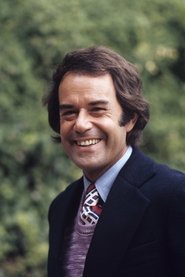 Laurence LuckinbillLawrence Lewis
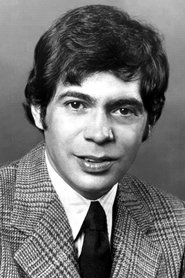 Reni SantoniEmil Linz
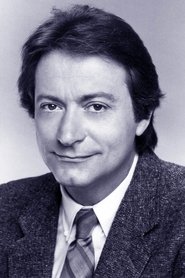 James SloyanFrankie Scamantino
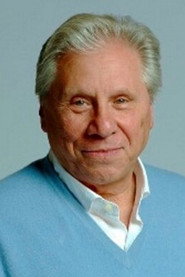 Robert WaldenEddie Chiario
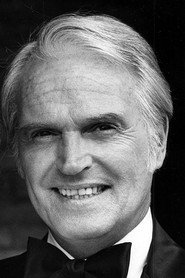 Dennis PatrickDudley Stevenson
Directing
- Harvey HartDirector
- Carl BarthSecond Unit Director
Writing
- Eugene PriceWriter
Production
- Quinn MartinExecutive Producer
- Anthony SpinnerProducer
- Russell StonehamSupervising Producer