
Film
Goldfinger
The third Bond film and the one that cracked the formula: Sean Connery at his peak, facing a villain so magnificent he overshadows the spy himself. Goldfinger is where the series learned to love itself—funny, inventive, visually stunning, with gadgets that actually matter and a plot that somehow involves both Fort Knox and a golf game. Essential.
Should you watch it?
Watch it if you enjoy glossy, tongue-in-cheek spy capers where gadgets, card-table banter and a lavish villain matter more than grit, and you like the blueprint that later Bond films kept returning to.
Skip it if you want a lean, modern thriller; its pace is leisurely by today's standards, the gender politics feel dated, and the plot's sheer silliness may frustrate you.
What it asks of you: Settle in for a little under two hours with a leisurely build-up, then let the set pieces land; the payoff rewards patience more than hurry.
Not sure? Find tonight's pick in a minute.
If you liked this
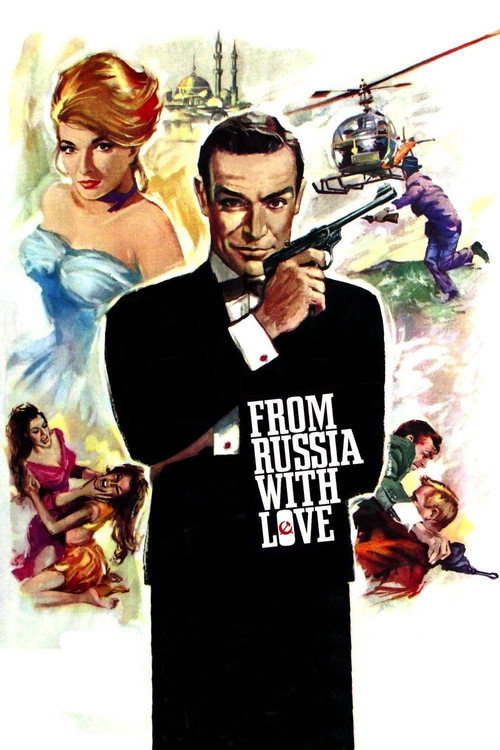
From Russia with Love1963
The second Bond film that set the template Goldfinger perfected. Connery is leaner and more dangerous here, the romance feels earned, and the action sequences are genuinely tense rather than playful. A masterclass in spy thriller economy.
But It moves more deliberately than its successor and lacks the baroque villain charisma. If you want pure spectacle, this is more restraint than rush.
Thunderball1965
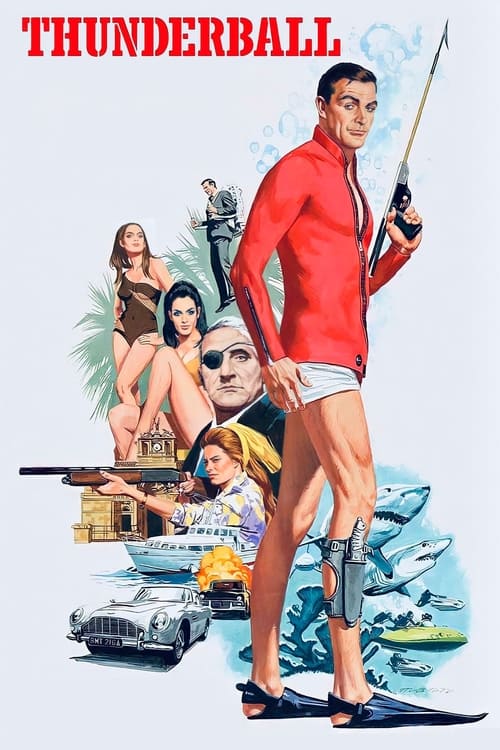
The immediate follow-up, with Connery still perfect and an underwater world that hadn't been explored on screen before. The plot is genuinely high-stakes and the gadgetry reaches new heights. A visual feast made when the technology was still astounding.
But At 130 minutes it feels it—the underwater sequences, however beautiful, can drag. The romance is perfunctory and the pacing occasionally sags.
Casino Royale2006
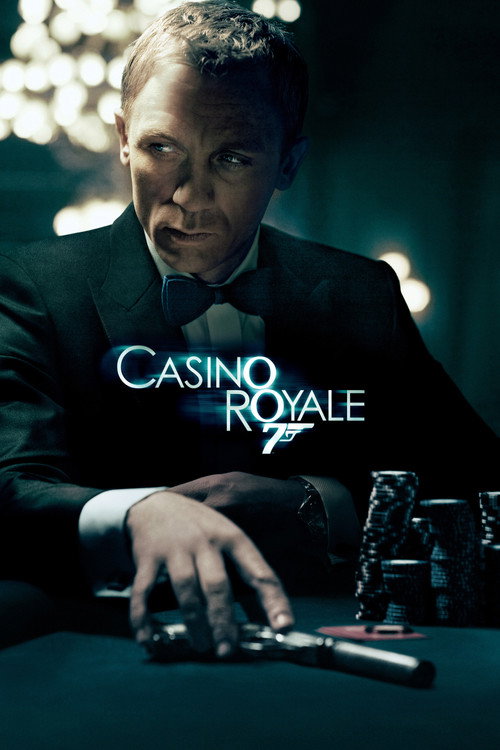
Daniel Craig's debut stripped Bond back to grit and consequence. The poker game is tense as anything, the action is brutal and balletic, and it proves the character could survive without the cartoonish excess while staying utterly entertaining.
But It's deliberately stripped of the humor and elegance that make Goldfinger feel like a fantasy. Grittier, colder—some find that more satisfying, others feel it misses the point.
Not sure tonight? Get a pick in a minute, starting from Goldfinger
The wildcard
Something you would not have found on your own.
North by Northwest1959
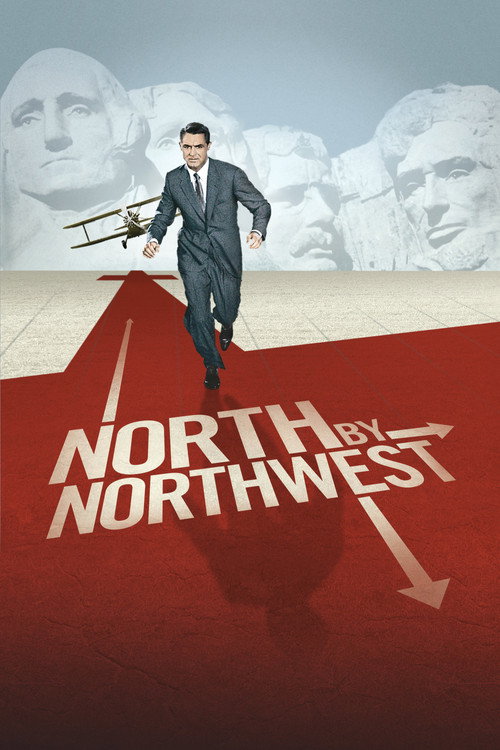
Both are about style as substance: the real pleasure is watching someone navigate an impossible situation with wit and poise. Hitchcock invented the template; Bond learned his name.
Hitchcock's thriller is what Goldfinger aspired to be: a wronged man thrust into a world of espionage and deception, with set pieces of such visual ingenuity they shaped action cinema forever. The crop-duster scene is the ancestor of everything Bond became.
But It's a thriller, not an adventure—slower, more psychologically intricate. There are no gadgets, no exoticism, and the violence carries weight. If you want escapism, this is claustrophobia.
More like this (8)
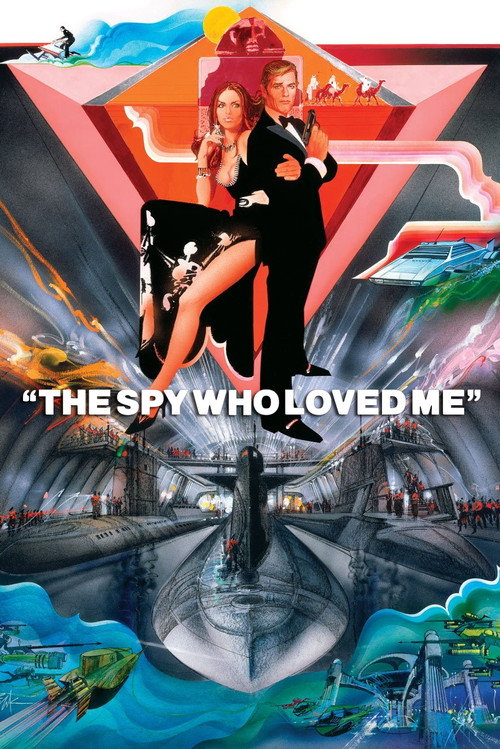
The Spy Who Loved Me1977
Roger Moore takes over and leans fully into the fun: a villain with a steel teeth henchman, a submarine base, a jaws-powered speedboat, and genuine chemistry with the lead. It's what Goldfinger became, distilled and amplified.
But Moore is deliberately lighter than Connery; if you like your Bond dangerous, this verges on pantomime. The plotting is thinner and the romance is strictly decorative.
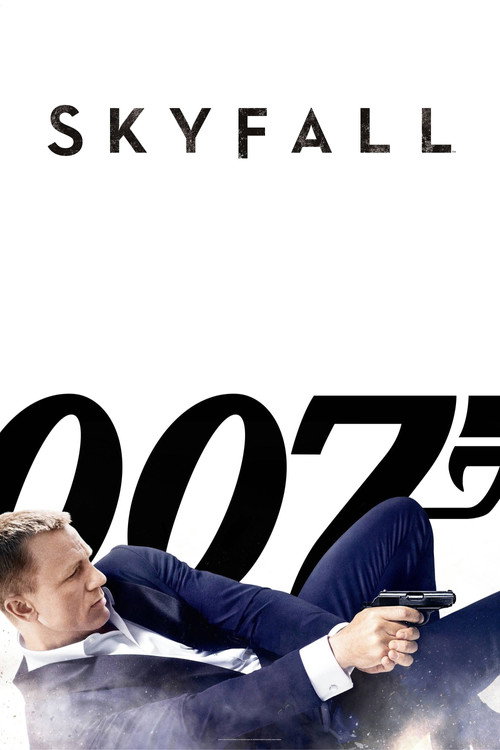
Skyfall2012
A Bond film that feels like a real film. Roger Deakins' cinematography is stunning, the villain is psychologically complex, and Craig gives a performance of actual depth. It earns its emotional beats and its action sequences.
But It's reflective and melancholic—some find that pretentious in a Bond film. At two-and-a-half hours it asks patience, and the plot mechanics matter less than the mood.
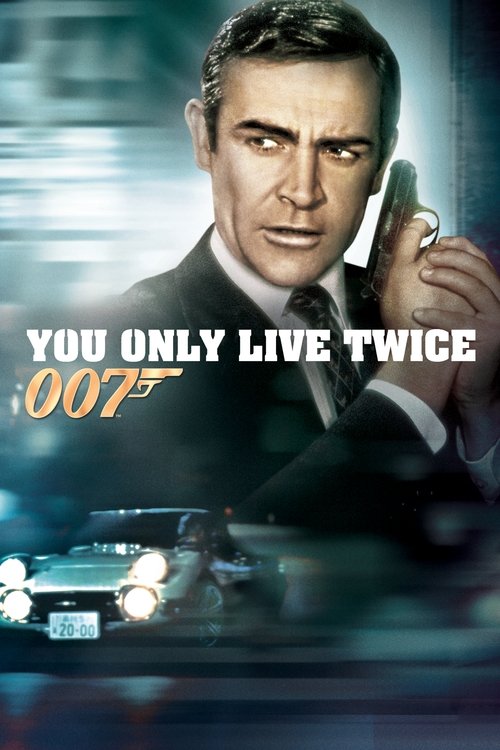
You Only Live Twice1967
Peak Connery confidence, a volcano lair that influenced a thousand action films, and Ken Adam's production design that makes every room look like a museum piece. The formula at its most outlandish and fun.
But The plot is thin even for Bond, the romantic subplot is uncomfortable, and Connery's karate disguise is genuinely silly. It prioritizes spectacle over sense.
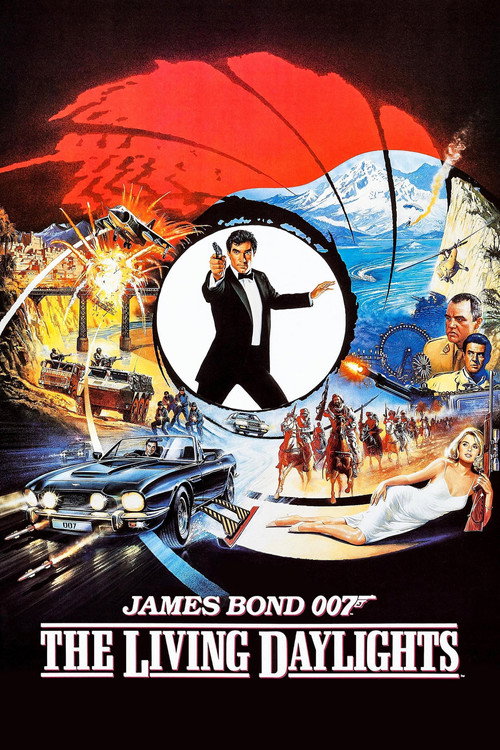
The Living Daylights1987
Timothy Dalton's first outing finds the sweet spot between Connery's danger and Moore's fun. The action is inventive, the romance feels real, and the villain's motivation is more complex than usual. A lean, smart thriller.
But Dalton's performance can feel stiff to those raised on Moore's charm. The film is more earnest than playful, and some find that exhausting.
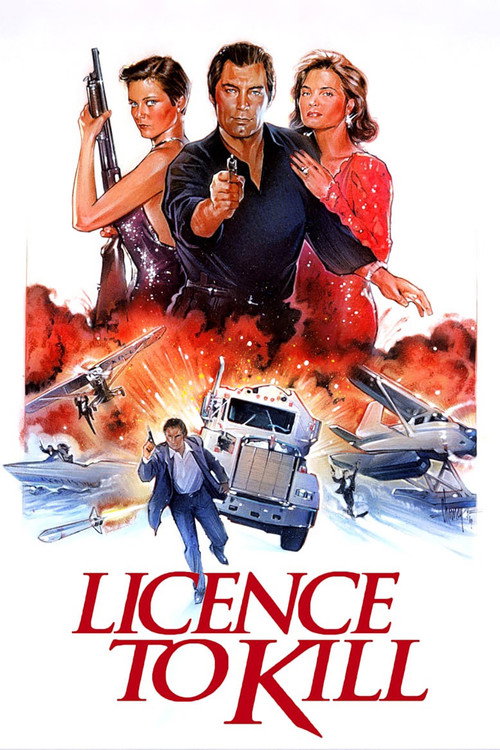
Licence to Kill1989
Dalton doubles down on the grittiness, making a Bond film that feels genuinely personal and vengeful. The action is visceral, the plot moves like a thriller, and it dares to make 007 messy and morally uncertain.
But It's the darkest, most serious Bond film—some see that as bold, others as missing what makes Bond fun. The tonal shift alienated audiences in 1989 and still divides them.
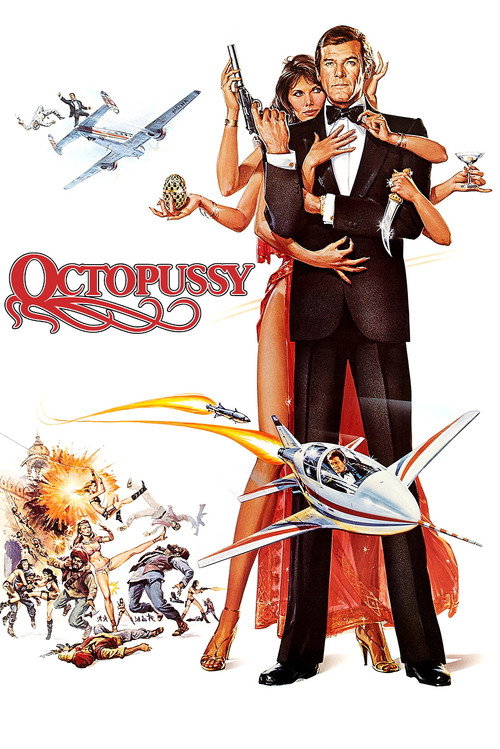
Octopussy1983
Moore at his most charming, a female lead with actual agency and intelligence, and a plot that involves a jeweled egg, a circus, and a tiger tank. It's frivolous and knows it, but it's also genuinely clever about its frivolity.
But The tone is entirely cartoonish. If you want your spy films serious, you'll find this exhausting. The romance is purely decorative and the villain is barely a threat.
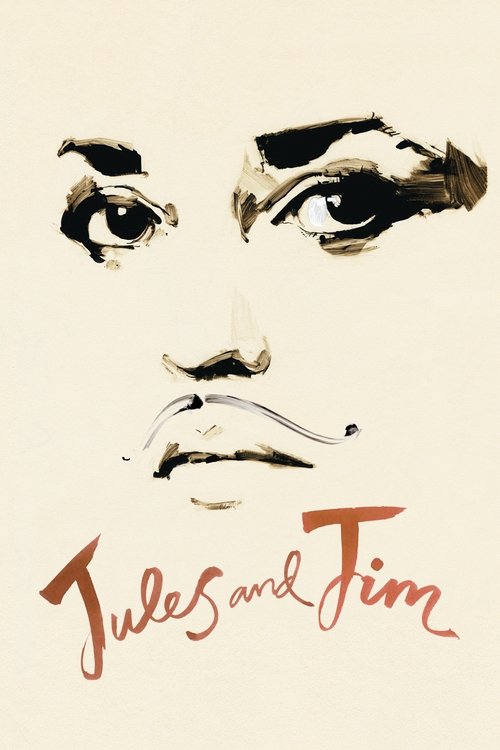
Jules and Jim1962
Both are products of 1962-64, when European cinema was discovering how to make style and substance inseparable. Where Bond uses elegance as armor, this film uses it to expose vulnerability.
Truffaut's masterpiece about love and betrayal moves through time with such grace that watching it feels like memory itself. Honor Blackman's Pussy Galore carries an echo of this film's free-spirited eroticism—and it's far more honest about what desire actually costs.
But It's French New Wave, 1960s cinema philosophy, slow and digressive. No action, no plot momentum, just people talking and feeling. If you need a story to propel you, you'll lose patience.
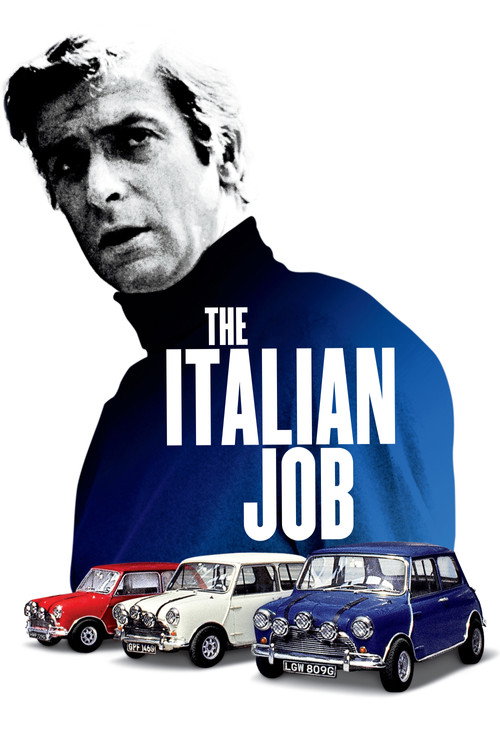
The Italian Job1969
Both celebrate competence and style over consequence. Bond and the robbers want the same thing: to pull off something audacious and impossible with elegance, then walk away. Both prove that's enough.
Michael Caine's heist film has the same DNA as Goldfinger—impossible theft, gadgetry, wit, and a romance that's entirely secondary to the thrill. But it's British, it's small-scale, it's about working-class criminals outwitting institutions. The same appetite for clever fun, a different accent and perspective.
But It's not a spy film, it's a heist. No exotic locations or world-class villains, just men with a plan and Mini Coopers. The romance is genuinely minimal and the stakes are financial, not geopolitical.
People
Cast
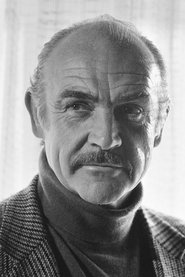 Sean ConneryJames Bond
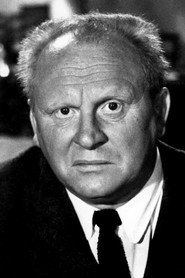 Gert FröbeAuric Goldfinger
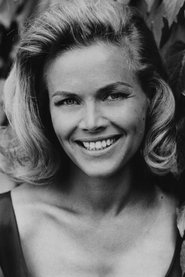 Honor BlackmanPussy Galore
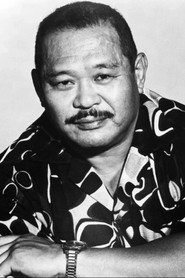 Harold SakataOddjob
 Shirley EatonJill Masterson
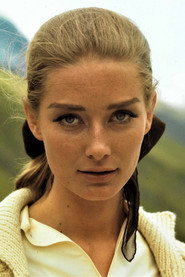 Tania MalletTilly Masterson
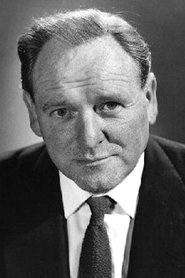
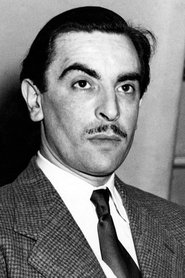 Martin BensonMartin Solo
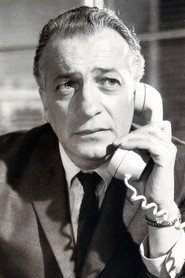 Cec LinderFelix Leiter
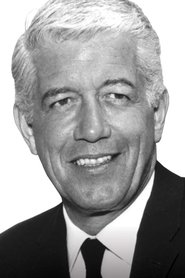 Austin WillisSimmons
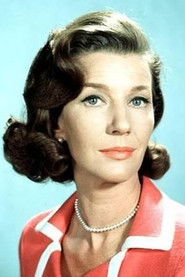 Lois MaxwellMiss Moneypenny
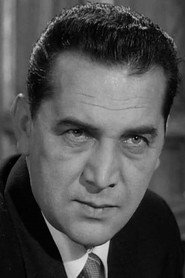 Bill NagyMidnight
Directing
- Frank ErnstAssistant Director
- Connie WillisContinuity
- Guy HamiltonDirector
Writing
- Ian FlemingNovel
- Paul DehnScreenplay
- Richard MaibaumScreenplay
- Berkely MatherStory
Production
- Albert R. BroccoliProducer
- Harry SaltzmanProducer
- Ron QuelchProduction Assistant
- L. C. RudkinProduction Manager
Recommended by
Modesty Blaise, Arabesque, From Russia with Love, Dr. No, Thunderball, You Only Live Twice, Live and Let Die, Moonraker, The Man with the Golden Gun, A View to a Kill, Page Eight, Diamonds Are Forever, On Her Majesty's Secret Service, SurfSide 6, Secret Agent 101, Black Lizard, The Blood of Fu Manchu, Yakeen