
Film
Black Lizard
A 1968 Japanese crime caper where a master thief with baroque tastes kidnaps a jeweler's daughter to score a legendary diamond. It's campy, theatrical, and wildly stylish—part mystery, part absurdist comedy, all artifice and swagger. For anyone who thinks crime films have to be grim.
Should you watch it?
Watch it if you enjoy crime capers played as stylized theatre, where a cool villainess, baroque staging and deliberate artifice matter more than realism and a camp streak runs through the whole thing.
Skip it if you want a grounded mystery with clues that click into place, since this one leans on flamboyant performance, absurd set pieces and a playful unreality that may feel more like a stage show than a puzzle.
What it asks of you: It runs a brisk eighty-six minutes and asks you to accept heightened, almost painted visuals and broad acting, and to let the mood carry you rather than track every logical step.
Not sure? Find tonight's pick in a minute.
If you liked this
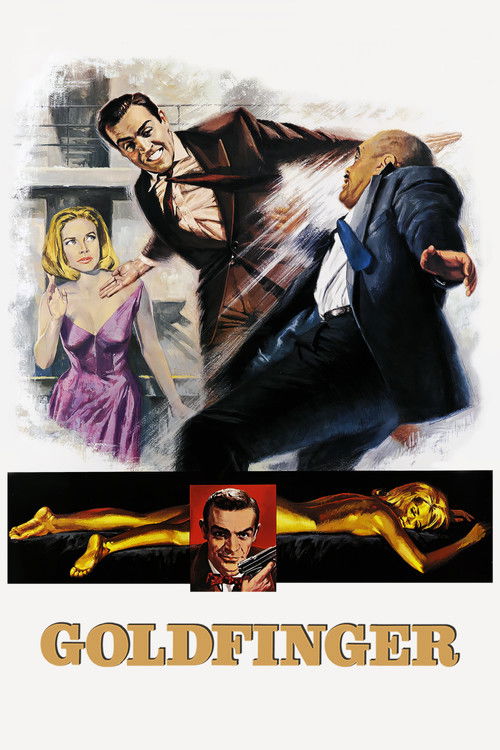
Goldfinger1964
The template for stylish, playful villain-versus-hero capers. Connery and Gert Fröbe have the same theatrical chemistry that makes Black Lizard hum—luxury, wit, and mutual respect between adversaries.
But If you need your thrills grounded in anything resembling plausibility, the increasingly absurd set pieces will frustrate rather than delight.
In a Lonely Place1950
Bogart as a detective in a Hollywood mystery with real darkness lurking beneath the genre trappings. The paranoia and moral ambiguity elevate it beyond a simple whodunit.
But It's bleak and inward-turning where Black Lizard is extroverted. The pacing is deliberate, sometimes glacial.

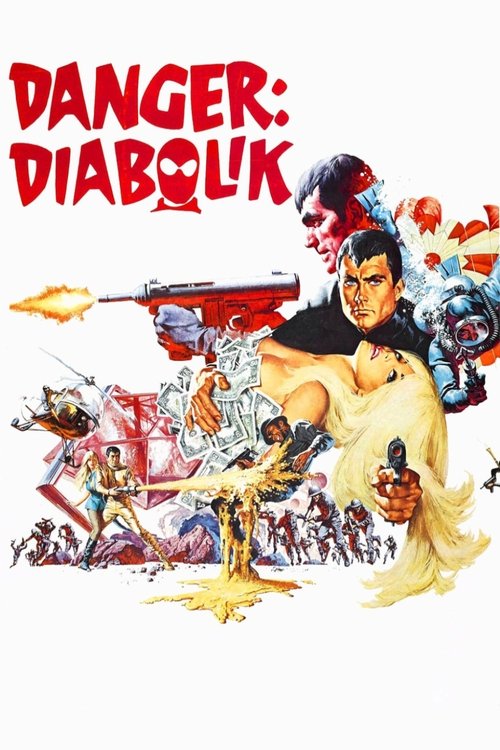
Danger: Diabolik1968
Released the same year, this Italian crime-fantasy has the same electric color, the same love of style-over-substance, the same glee in watching a beautiful criminal outsmart the world.
But The plot is genuinely thin, and if you're watching for narrative substance rather than aesthetic pleasure, you'll feel the lack.
Not sure tonight? Get a pick in a minute, starting from Black Lizard
The wildcard
Something you would not have found on your own.
Daisies1966
Both treat cinema as a playground where rules (narrative, visual, moral) are meant to be vandalized. Both are anarchic in form and spirit, but where Black Lizard channels that into crime theater, Daisies channels it into pure artistic rebellion.
A Czech New Wave explosion of anarchic color and destruction, where two women wage war on society itself. It has Black Lizard's visual audacity and gleeful nihilism, but turned inward as a manifesto against order.
But It's genuinely abrasive and has no plot to speak of. If you need narrative coherence or sympathetic characters, this is aggressive refusal of both.

More like this (8)
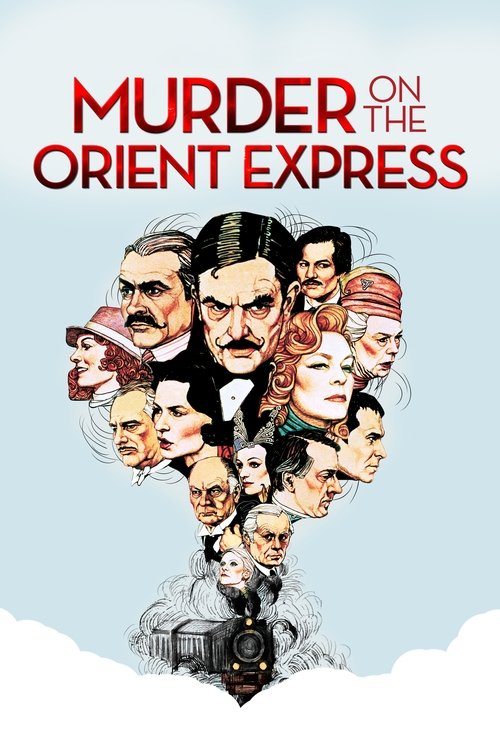
Murder on the Orient Express1974
Agatha Christie mystery with a detective (Poirot) who relishes the intellectual game as much as solving it. The ensemble cast and locked-room puzzle have real elegance.
But It's considerably more sober and procedural. There's no camp, no theatrical villainy, no visual excess.
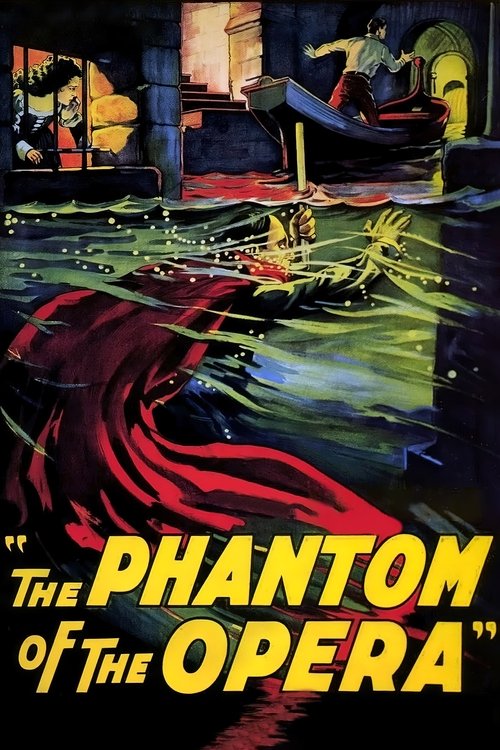
The Phantom of the Opera1925
Silent cinema at its most operatic—a criminal mastermind with taste, style, and a twisted artistic vision. The production design is baroque and hypnotic.
But The pacing is glacial by modern standards, and the emotional register is pure melodrama, which some find unintentionally funny.
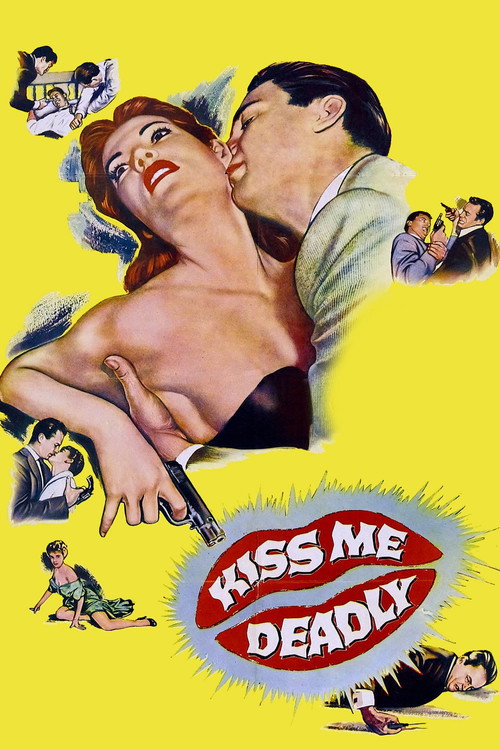
Kiss Me Deadly1955
A private detective stumbling through a noir labyrinth of beautiful, dangerous people. The style is impeccable and the mystery genuinely clever.
But It's hardboiled and cynical where Black Lizard is playful. The tone is relentlessly bleak and misanthropic.
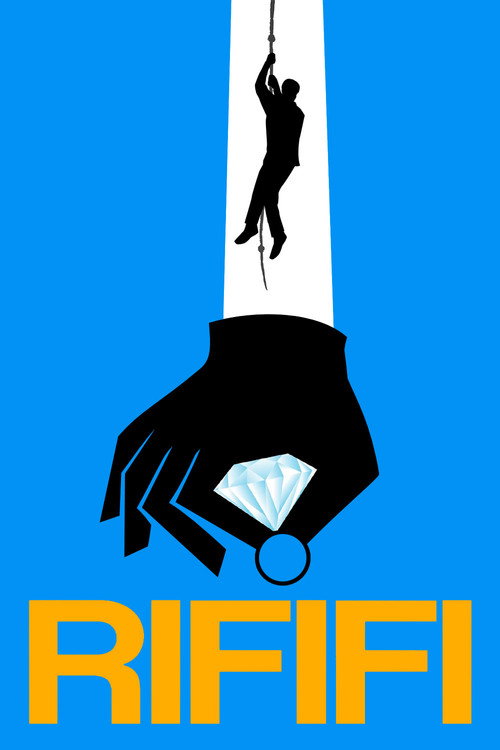
Rififi1955
A heist film with a famous silent robbery sequence and real craft in the plotting. The criminals are intelligent and stylish, the detective work methodical.
But French noir gravity throughout—it never winks at the audience, and if you want that theatrical pleasure, you won't find it here.
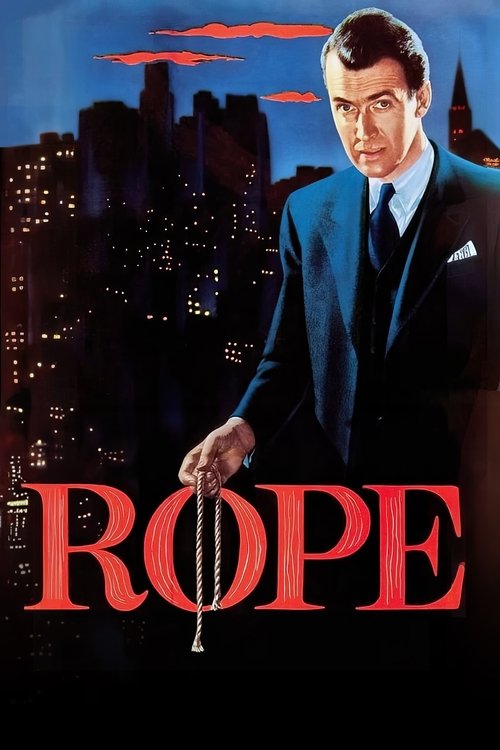
Rope1948
Hitchcock's real-time chamber mystery where two murderers host a dinner party while a detective circles closer. The artificiality is deliberate and thrilling.
But It's confined and theatrical in ways that feel stagebound. The gimmick—shot in real time—can feel more like a limitation than an asset.
The Asphalt Jungle1950
The template for heist films, with criminals presented as professionals with codes and craft. The planning sequences are genuinely tense.
But It's dourly realistic where Black Lizard is fantastical. There's no color, no camp, no joy in the criminality.

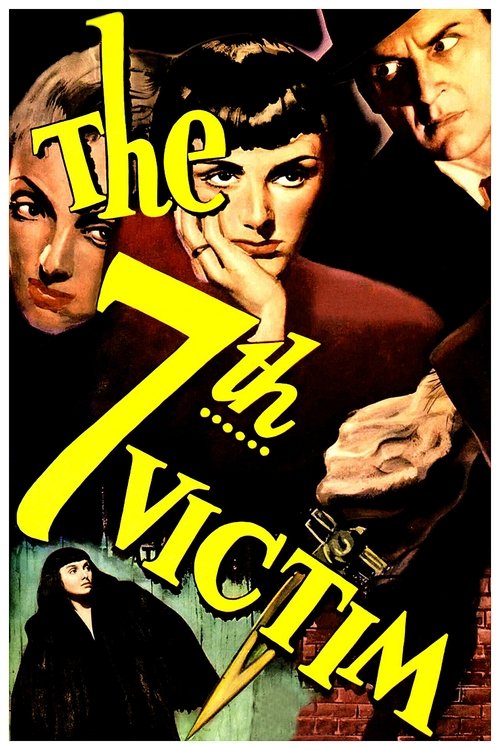
The Seventh Victim1943
Both films trust atmosphere and artifice over plot mechanics. Both use theater and style as a substitute for conventional storytelling. Both are more interested in the texture of evil than its explanation.
A Val Lewton horror film about a woman searching for her missing sister in wartime New York. Dreamlike, theatrical, psychological—it prioritizes mood and visual strangeness over coherent plot.
But The narrative is deliberately oblique and sometimes incoherent. If you're frustrated by mysteries that resist being solved, this will infuriate you.
Stalker1979
Both films are about characters pursuing something beautiful and dangerous—a diamond, a wish—that represents more than itself. Both treat the pursuit as theater, the goal as secondary to the obsession. But where Black Lizard is extroverted spectacle, Stalker is interior and spiritual, asking what desire actually means.
Tarkovsky's science-fiction meditation on desire, obsession, and the things we seek. It moves with glacial intentionality toward a room that grants wishes—or reveals that we don't want what we think we do.
But It's nearly three hours of philosophical slow-burn. There is no plot in any conventional sense, and impatience will make it torture.

People
Cast
 Akihiro MiwaBlack Lizard (Mrs. Midorikawa)
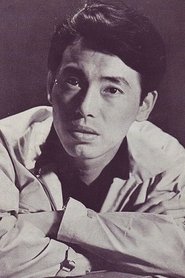 Isao KimuraKogoro Akechi / Matsukichi
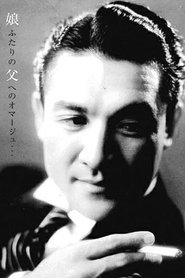 Jun UsamiShobei Iwase

- Mitsuko TakaraShow dancer
- Tetsuji HattoriToyama
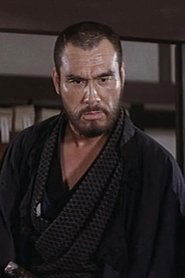 Kyōichi SatōÔkawa
- Ryuji FunahashiKozu
 Sōnosuke OdaHarada

Directing
- Hideo OeAssistant Director
- Kinji FukasakuDirector
Writing
- Rampo EdogawaNovel
- Kinji FukasakuScreenplay
- Masashige NarusawaScreenplay
- Yukio MishimaTheatre Play
Production
- Akira OdaExecutive Producer