
Film
The Blood of Fu Manchu
A 1968 adventure film where Christopher Lee's Fu Manchu weaponizes a deadly venom through brainwashed women assassins. It's pulp villainy played entirely straight—camp without winking, exotic locations, and Lee commanding every frame with unflappable menace. For anyone who loves their spy thrillers weird, colorful, and unashamed of their own absurdity.
If you liked this
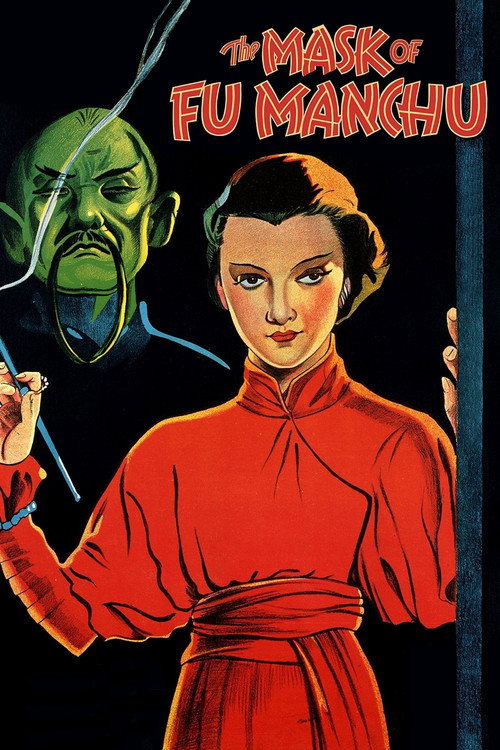
The Mask of Fu Manchu1932
The original 1932 adaptation with Boris Karloff as the villain. It established the template Lee would inherit: lavish sets, pseudoscientific plots, and a villain whose intellect genuinely terrifies the heroes around him. Essential context.
But Shot and paced like a 1932 picture—languid by modern standards, with theatrical acting that takes adjustment. Black-and-white and just over an hour long.
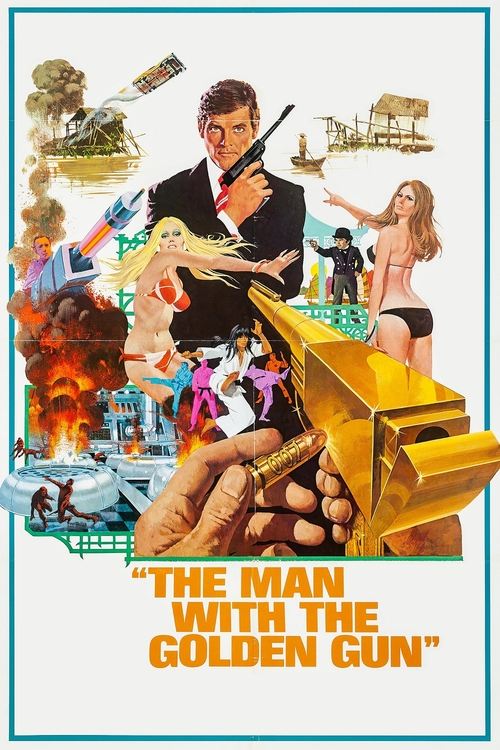
The Man with the Golden Gun1974
Roger Moore's Bond faces Christopher Lee as Scaramanga, a contract killer with style and resources. Lee brings genuine threat to what could be a one-note role. The film is also gorgeously shot and genuinely tense in places.
But Moore's Bond is lighter and sometimes flippant in ways that undercut the tension. The pacing sags in the middle and the plot pivots awkwardly.
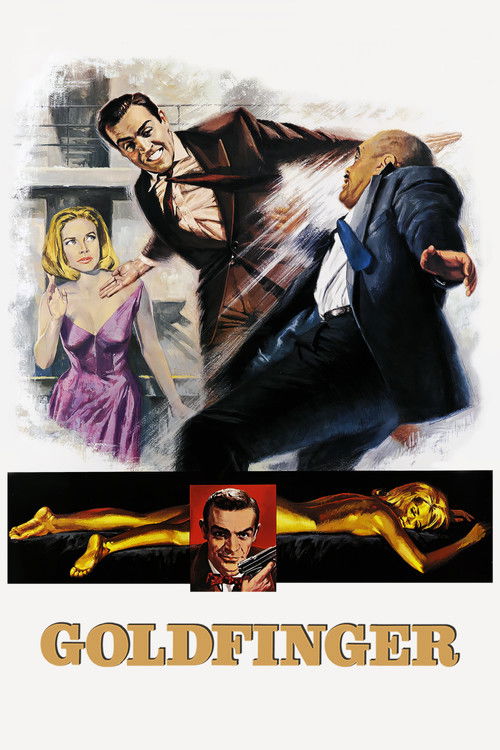
Goldfinger1964
The goldstandard spy-adventure with a megalomaniac villain (Gert Fröbe), exotic locations, and a plan of operatic scope that's somehow both ridiculous and thrilling. Connery at his peak, the formula perfectly calibrated.
But It's 1964, so some of the gadgetry and gender politics feel period. If you've seen it before, there's little new to discover.
Not sure tonight? Get a pick in a minute, starting from The Blood of Fu Manchu
The wildcard
Something you would not have found on your own.
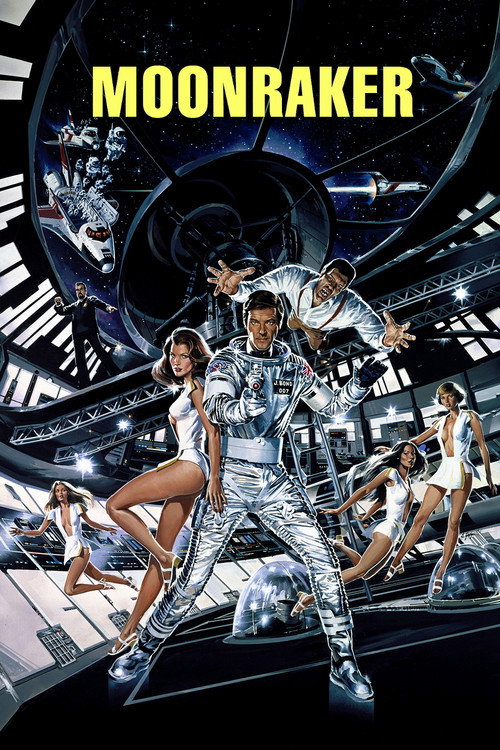
Moonraker1979
Both pit a brilliant, patient villain with global ambitions against a hero who must stop him—but where Fu Manchu uses venom and cults, Bond's villain weaponizes space itself. Same baroque megalomaniacal engine, different fuel.
Roger Moore's Bond enters orbit for a villain with a plan to replace humanity. It's where spy-adventure becomes science fiction fantasy. The scale is genuinely vast and the production design is breathtaking.
But It abandons grounded spy-craft entirely for spectacle. Some find it too silly even for Bond and the pacing sags in the middle act.
More like this (8)
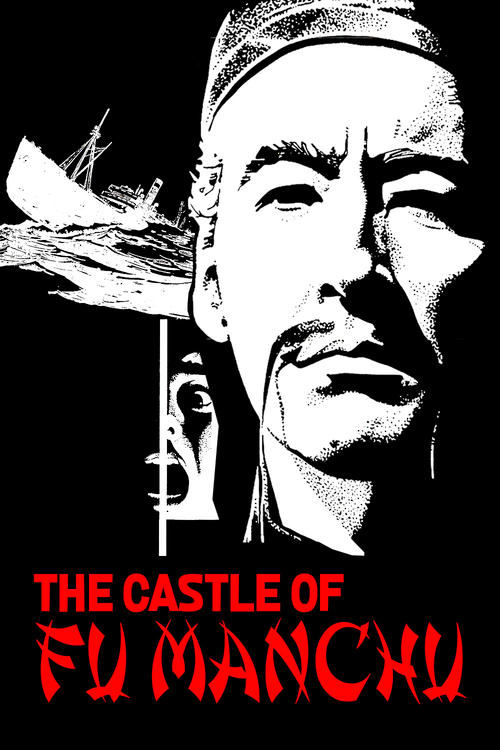
The Castle of Fu Manchu1969
Fu Manchu returns in this Lee outing with an even more baroque scheme: a castle, mind control, and plans to freeze or destroy the world. The ambition is glorious even as the execution strains the budget.
But The pacing is genuinely slack and the special effects are rough. Some scenes feel padded and the plot meanders without gaining momentum.
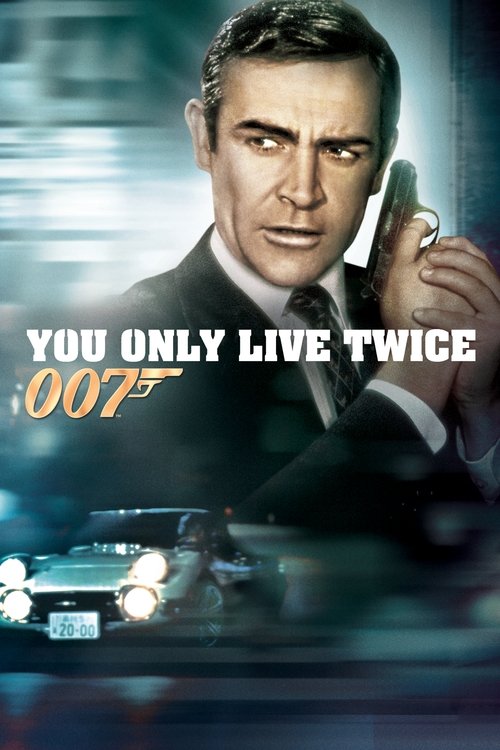
You Only Live Twice1967
Connery's Bond travels to Japan for a visually stunning adventure with a volcano base and a scheme that dwarfs ordinary villainy. The production design is sumptuous and the action set pieces are inventive.
But The plot is thinly motivated and some of the cultural representation is dated. It runs long and the middle section stalls.
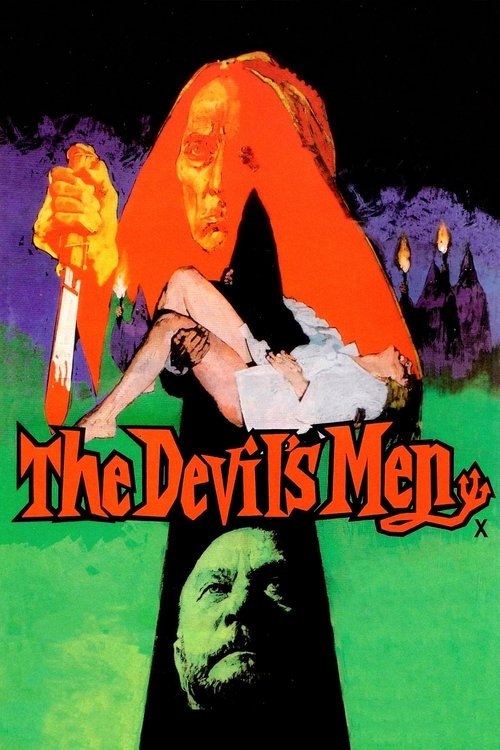
The Devil's Men1976
Donald Pleasence runs an island cult with sinister purposes. It's grimy 1970s exploitation wrapped in spy-thriller DNA, with atmosphere to burn and a genuine sense of dread beneath the schlock.
But It's genuinely unpleasant in places and the pacing is deliberately slow-burn. The ending is bleak rather than satisfying.
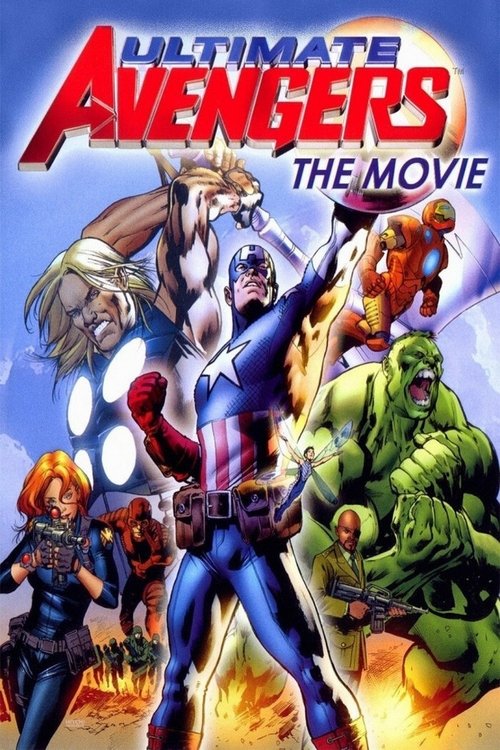
Ultimate Avengers: The Movie2006
Uma Thurman and Ralph Fiennes in a campy, visually extravagant spy romp with a villain planning global destruction. It's deliberately arch and the production design is a riot of color and invention.
But It's widely considered a misfire—tonally confused between parody and earnestness. The plot is incoherent and the chemistry misfires.
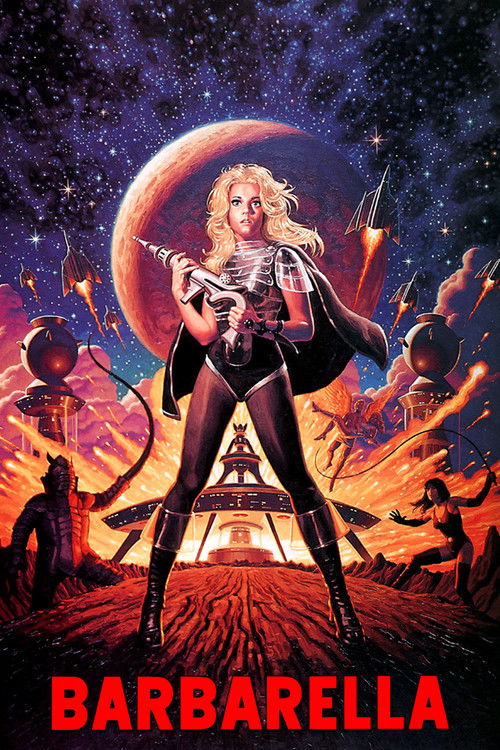
Barbarella1968
Jane Fonda in a space-age adventure with elaborate sets, a delirious plot, and a camp sensibility that never apologizes. It's the same year as Fu Manchu and speaks the same cheerful language of pulp excess.
But The gender politics are complicated and the film's commitment to its own ideas wavers. Some find it tedious rather than fun.
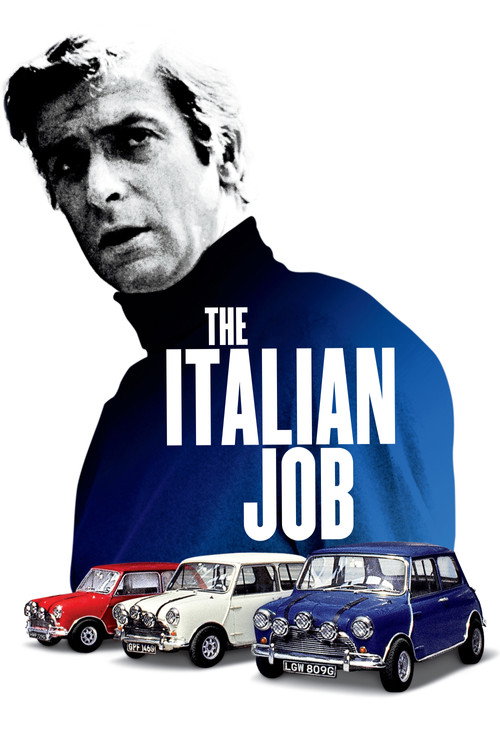
The Italian Job1969
A heist film where Michael Caine leads a crew through Turin with style, humor, and ingenuity. It's caper adventure with real stakes and the cast has genuine fun together.
But It's a heist film, not a Fu Manchu-style megalomaniac plot. The tone is lighter and more comedic than what you're looking for.
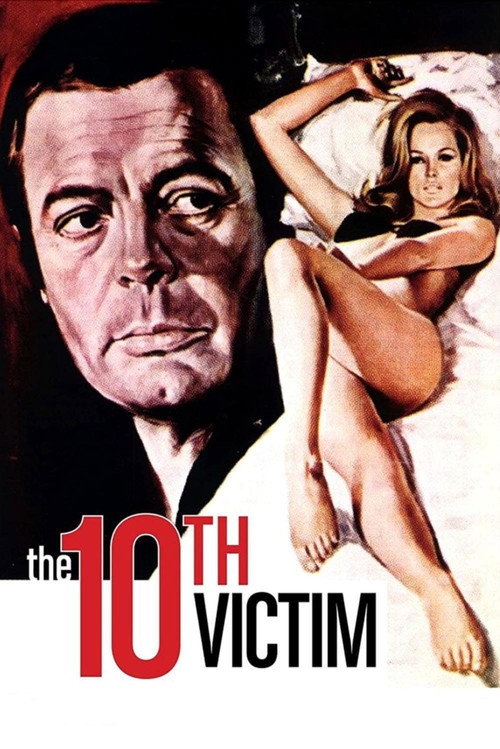
The 10th Victim1965
Both are 1960s European adventure films made outside the English-speaking mainstream, with gleaming sets, elaborate schemes, and a aesthetic that treats pulp material as worthy of real style and craft. Same confidence in artifice.
An Italian sci-fi film where Marcello Mastroianni and Ursula Andress play assassins in a world where hunting each other is legal sport. It's gorgeous, weird, and genuinely funny without condescension toward its own ideas.
But It's deeply concerned with 1960s design and philosophy in ways that can feel precious. The plot is subordinate to mood and it won't appeal if you want narrative momentum.
The Leopard1963
Christopher Lee plays traditional villainy with aristocratic authority—Fu Manchu is power incarnate. The Leopard is about what happens when aristocratic power confronts a world that no longer wants it. One is pulp fantasy, the other tragedy, but both are fascinated by the aesthetics of authority and the men who wield it without apology.
Luchino Visconti's epic about a Sicilian prince navigating revolution and obsolescence. It's slow, gorgeous, and melancholic—a meditation on power, legacy, and the impossibility of stopping change.
But It's nearly three hours, in Italian with subtitles, and deliberately paced. There are no action scenes. If you want entertainment, not contemplation, it will feel like work.

People
Cast
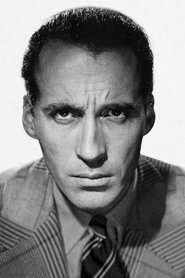 Christopher LeeDr. Fu Man Chu
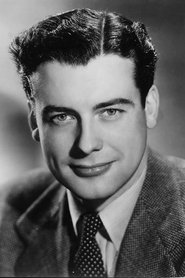 Richard GreeneNayland Smith
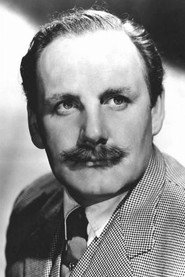 Howard Marion-CrawfordDr. Petrie
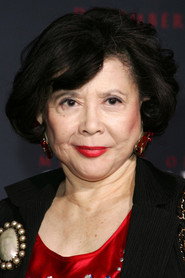 Tsai ChinLin Tang
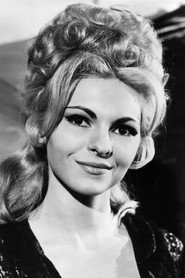 Maria RohmUrsula Wagner
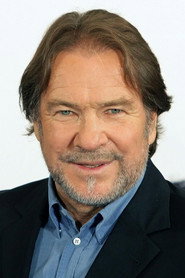 Götz GeorgeCarl Jensen
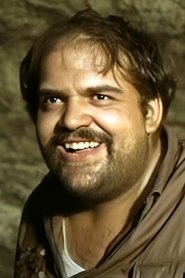 Ricardo PalaciosSancho Lopez
 Loni von FriedlCeleste
- Frances KhanCarmen
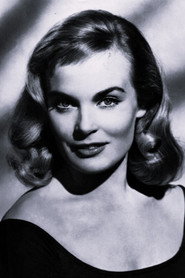 Shirley EatonBlack Widow
Directing
- Jesús FrancoDirector
Writing
- Sax RohmerNovel
- Harry Alan TowersScreenplay
- Jesús FrancoScreenplay
- Manfred R. KöhlerScreenplay
- Harry Alan TowersStory
- Jesús FrancoStory
- Manfred R. KöhlerStory
Production
- Harry Alan TowersProducer