
Film
The Creeping Flesh
- Horror
- Science fiction
- Very dark
A Victorian scientist's skeleton from Papua New Guinea grows flesh when wet, awakening something ancient and malevolent. Peter Cushing and Christopher Lee anchor this deliciously weird '70s horror-sci-fi hybrid, where intellectual ambition collides with primal evil. It's creepy and strange in ways that feel entirely its own—part gothic thriller, part body-horror curiosity, designed for people who like their monsters thoughtful and their atmosphere thick.
If you liked this
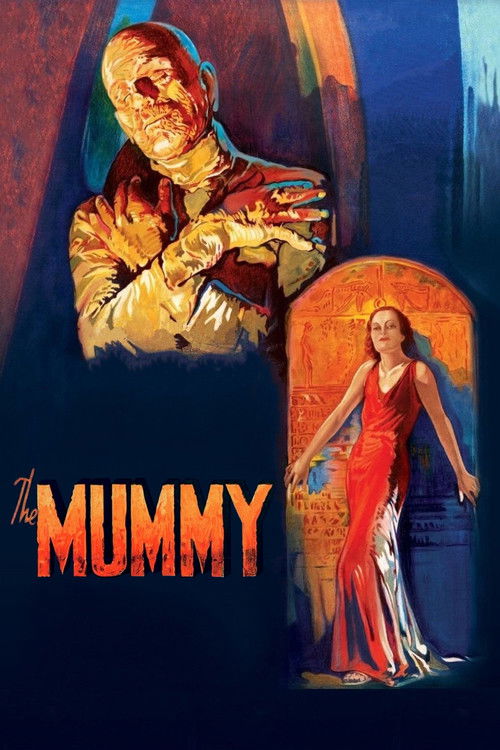
The Mummy1932
Universal's template for erudite horror: a scientist's hubris awakens something ancient and unstoppable. Boris Karloff's mummy has the same weight of inevitability as Cushing's cursed skeleton, and the colonial anxieties mirror perfectly.
But It's 92 years old, slow by modern standards, and the pacing assumes patience. If you need spectacle to stay interested, the restraint will feel like nothing happens.
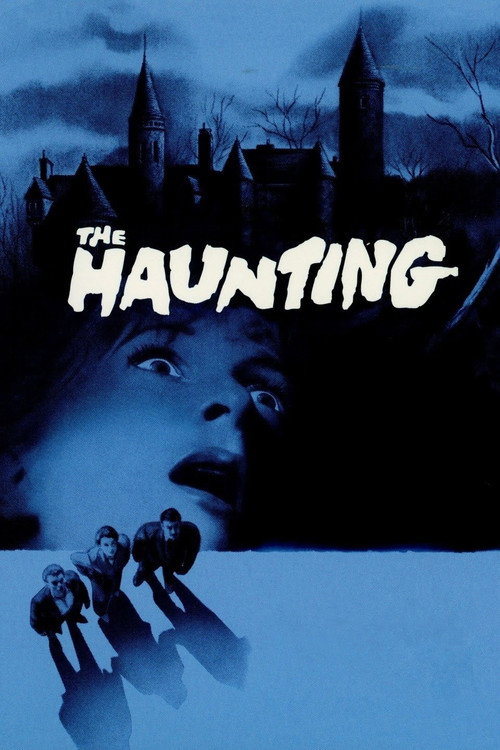
The Haunting1963
Wise's psychological masterpiece treats the supernatural as a force that exploits human weakness. Like *Creeping Flesh*, it's genuinely unsettling without relying on gore, building dread through atmosphere and the characters' own unravelling.
But No jump scares, no action beats. The horror lives in suggestion and silences. Modern viewers sometimes find it tedious until the final act, when it suddenly becomes devastating.
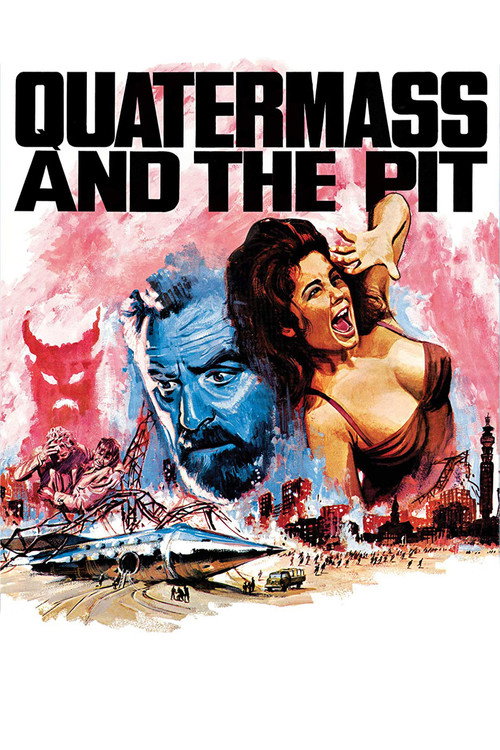
Quatermass and the Pit1967
Crisply made British sci-fi-horror fusion with Roy Ward Baker directing. A scientific investigation uncovers something buried and wrong, forcing rational men to confront the irrational. Matches *Creeping Flesh* beat for beat in tone.
But The effects are obviously practical and dated. The science exposition can feel clunky if you're not in the mood for a puzzle to solve alongside the terror.
Not sure tonight? Get a pick in a minute, starting from The Creeping Flesh
The wildcard
Something you would not have found on your own.
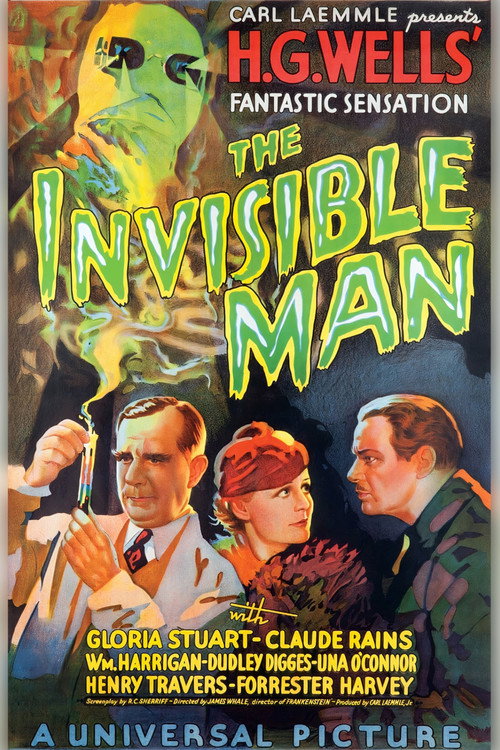
The Invisible Man1933
Both films centre on scientists whose discovery doesn't empower them—it unleashes something they can't control, something that reveals the darkness already inside themselves. The skeleton and the invisibility are just the vehicle.
James Whale's masterpiece understands what *Creeping Flesh* also knows: the real horror is a man transformed by obsession and power. Claude Rains as the invisible scientist is chaos incarnate—see what happens when ambition unmoors someone entirely from humanity.
But It's a 1933 film, which means theatrical performances and dialogue that can sound arch. The invisibility effects are clever but obviously mechanical by modern standards.
More like this (8)
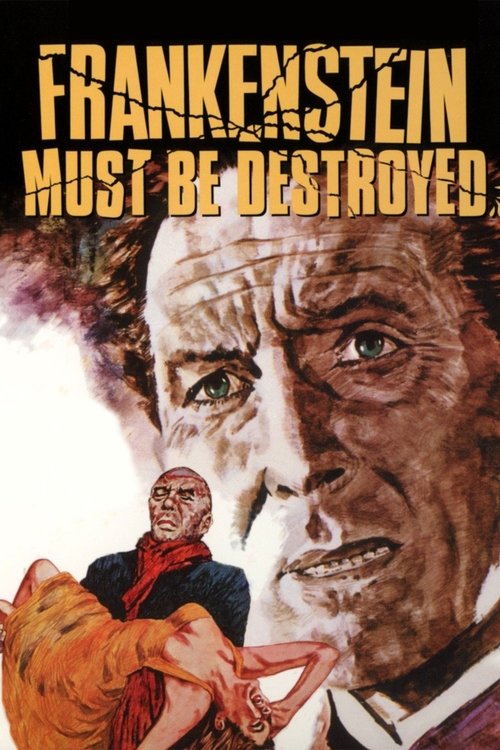
Frankenstein Must Be Destroyed1969
Cushing returns to his most famous role, and he's in fine form: cold, obsessed, utterly convinced his science justifies everything. Terence Fisher directs this as a tragedy about men corrupted by their own brilliance. Directly spiritual kin to *Creeping Flesh*.
But The '60s Hammer aesthetic—all primary-coloured sets and theatrical violence—won't work for everyone. It's more melodrama than horror if you're expecting subtlety.
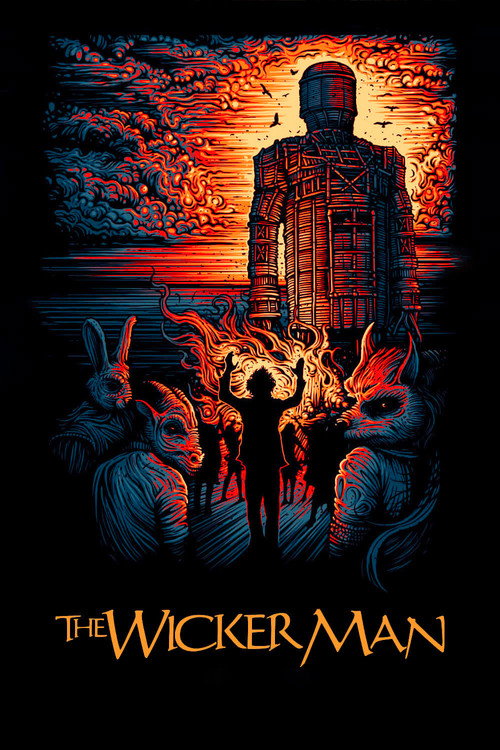
The Wicker Man1973
Released the same year, equally weird, equally British, equally committed to its strange mythology. A man's rational worldview collides with forces beyond his understanding. The atmosphere is thick and the ending haunts you.
But It's deliberately paced and builds on slow accumulation. The folk-horror vibe is hypnotic to some people and grating to others—there's no middle ground.
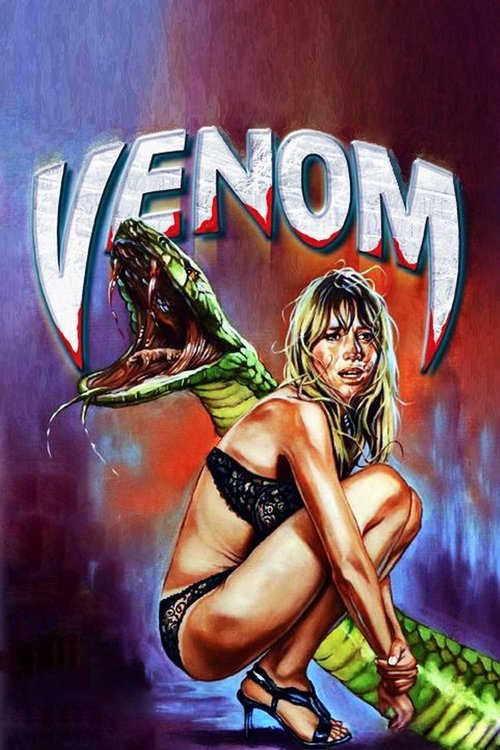
Venom1981
Piers Haggard's lean, taut thriller where Lee and Cushing's real-life tension crackles on screen. A snake in a house, but also a siege film and character study. It proves both actors could still anchor horror in their later years.
But It's a contained thriller rather than cosmic horror. If you're drawn to *Creeping Flesh* for the supernatural dread, this won't scratch that itch—it's meat-and-potatoes suspense.
The Blood of Fu Manchu1968
Lee commands the screen as a mad scientist deploying biological weapons from his mountain lair. Camp and pulpy, yes, but there's real menace underneath. It's the flip side of Cushing's intellectual horror—evil as spectacle.
But It's aggressively silly and looks like it was shot on a tight budget in the Spanish heat. The plot is baroque to the point of incoherence.

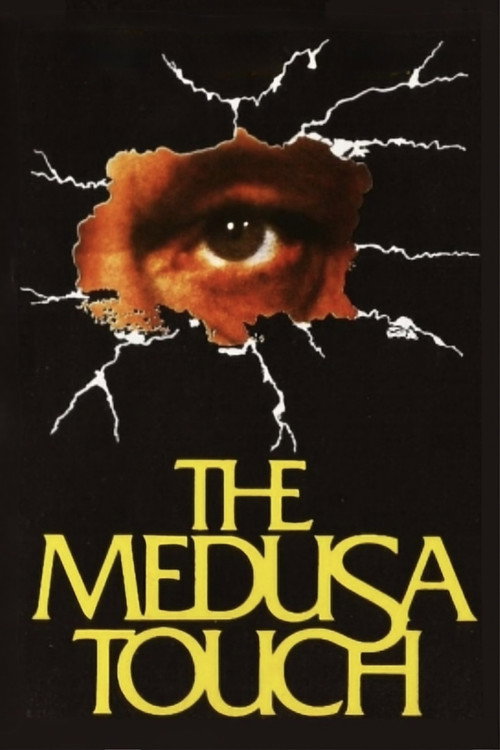
The Medusa Touch1978
Richard Burton as a man with psychic powers that destroy. Middlebrow sci-fi-horror that takes its premise seriously, with Burton's theatrical intensity anchoring the absurdity. Built from the same puzzle-box DNA as *Creeping Flesh*.
But It's self-serious in a way that occasionally tips into unintentional comedy. The special effects are trying very hard and not quite landing.
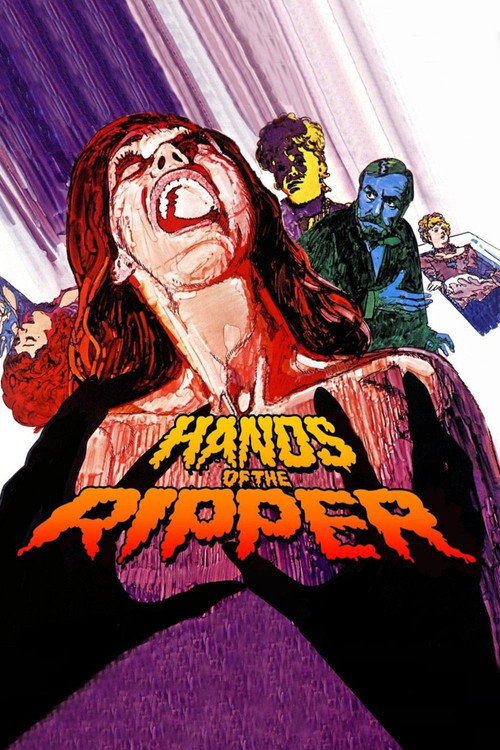
Hands of the Ripper1971
Peter Sasdy's tight, intimate psychological horror: Jack the Ripper's daughter is cursed to repeat his murders in a trance state. It's body-horror before the term existed, and deeply unsettling in ways a slasher isn't.
But The violence is sudden and brutal when it comes. The film treats trauma as contagion, which is powerful but relentless, with no catharsis—just accumulating dread.
The Wailing2016
Both films locate horror in the space between science and superstition, reason and madness. Both leave you unsure whether the evil is external or whether it's always been waiting inside the people we trust.
Na Hong-jin's stunning Korean thriller about a village cursed by something that might be supernatural, might be human evil, might be a plague of faith itself. Nobody knows what's really happening; the dread lives in that uncertainty. Visually lush and morally complex.
But It's nearly three hours and deeply ambiguous—it won't give you closure. If you need a clear answer about what's happening and why, this will frustrate you profoundly.

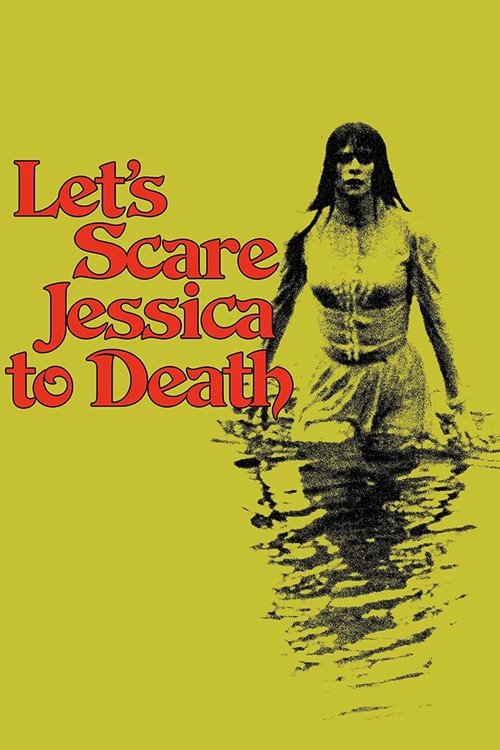
Let's Scare Jessica to Death1971
Like *Creeping Flesh*, it uses the supernatural to explore damage already present—trauma, fractured minds, the erosion of reality when you can't trust your own perception. The monster is almost incidental to the psychological dissolution.
A woman recently released from a psychiatric hospital rents a house where something is deeply, cosmically wrong. You're never quite sure if she's perceiving real horror or experiencing a breakdown—the ambiguity is the entire point. Haunting, hallucinatory, intimate.
But It's deliberately low-key and it never explains itself. The budget shows. If you watch horror for plot mechanics and explanations, this will leave you feeling cheated.
People
Cast
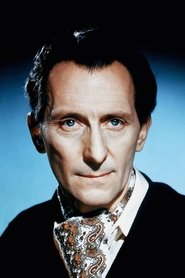 Peter CushingEmmanuel Hildern
 Lorna HeilbronPenelope Hildern
 Christopher LeeJames Hildern
 George BensonWaterlow
 Catherine FinnEmily
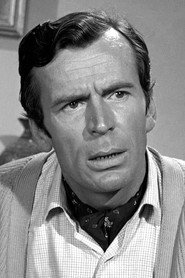 Hedger WallaceDoctor Perry
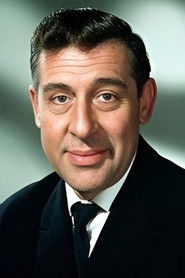 Duncan LamontInspector
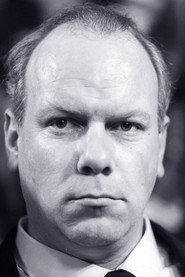 Kenneth J. WarrenCharles Lenny
- Larry TaylorChief Asylum Warder
 Harry LockeBarman
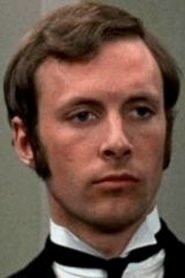 Robert SwannYoung Aristocrat
 Jenny RunacreMarguerite Hildern
Directing
- Freddie FrancisDirector
Writing
- Jonathan RumboldScreenplay
- Peter SpenceleyScreenplay
Production
- Anne DonneCasting
- Norman PriggenExecutive Producer
- Tony TenserExecutive Producer
- Michael P. RedbournProducer