
Film
The Mask of Fu Manchu
A 1932 adventure-horror film starring Boris Karloff as the arch-villain Fu Manchu, racing across exotic locations for occult artifacts. It's a beautifully shot, genuinely creepy serial with real production values, but also a period piece thick with racial stereotypes and imperialist attitudes that cannot be untangled from the story itself.
Should you watch it?
Watch it if you love vintage pulp serials with a sinister mastermind, a flicker of studio-bound menace, and a villain who gets the best lines and the best lighting.
Skip it if you can't abide the racial caricatures and stagey dated attitudes of early-1930s Hollywood adventure, since the premise leans on that old yellow-peril thinking and the dialogue shows its age.
What it asks of you: A brisk sixty-eight minutes with little patience for slow build; expect creaky studio sets, quick scene changes, and a plot that keeps moving by sheer momentum.
Not sure? Find tonight's pick in a minute.
If you liked this
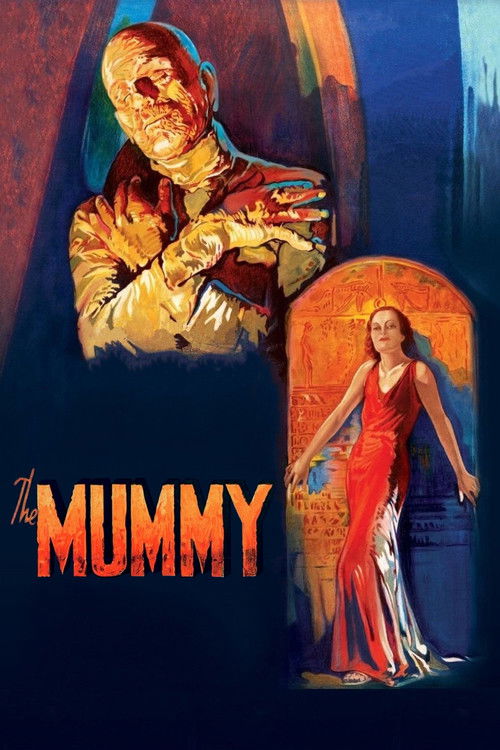
The Mummy1932
Released the same year, equally lush and atmospheric, with Karloff giving a performance of extraordinary restraint and sadness. A masterclass in how to make horror from stillness and suggestion.
But The pacing is slow by modern standards, and the emotional core requires patience to find beneath the period trappings.
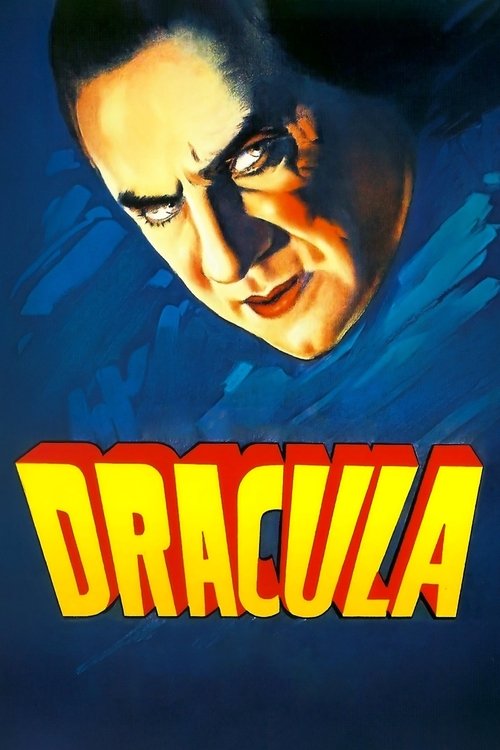
Dracula1931
Bela Lugosi's iconic turn in this atmospheric, stage-influenced horror. Sparse sets amplify dread; the film trusts silence and shadow over spectacle. Karloff's contemporary.
But It feels more like a filmed play than modern cinema. Long stretches have almost no dialogue, which demands active watching.
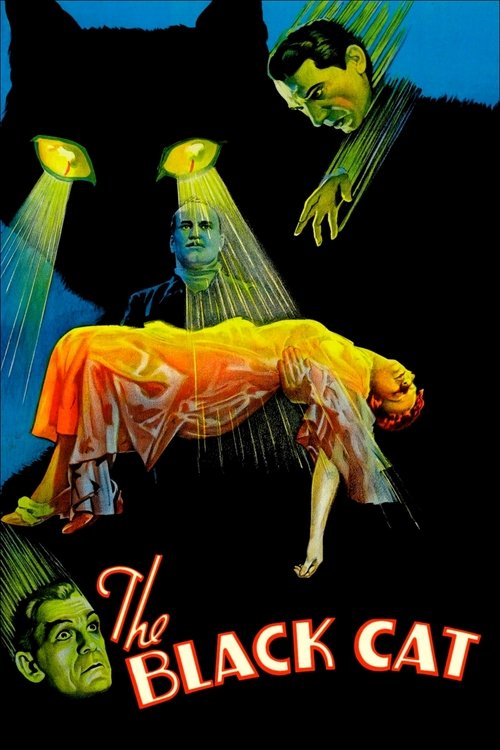
The Black Cat1934
Karloff and Lugosi in their only pairing, a fever dream of Deco production design and psychological horror wrapped in a Home Invasion plot. Visually extraordinary and deeply weird.
But The plot barely holds together, and the sexual undercurrent may disturb. It's more unsettling mood than coherent narrative.
Not sure tonight? Get a pick in a minute, starting from The Mask of Fu Manchu
The wildcard
Something you would not have found on your own.
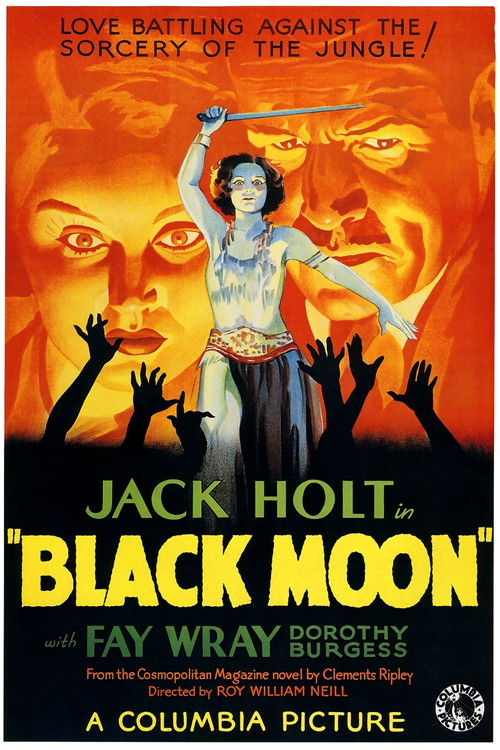
Black Moon1934
Both are adventure-fantasies wrapped in imperial anxieties, but Black Moon inverts the power dynamic: colonizers becoming the threatened party, yet treated with equal disdain. A strange mirror.
An art-deco fever dream about colonialism and mind control on a South Pacific island, shot in crisp black-and-white by Roy Pomeroy. Visually precise where Fu Manchu is lush; equally strange, half the runtime.
But The script is thin and the emotional logic baffles on first watch. It feels more like a visual idea than a story.
More like this (7)
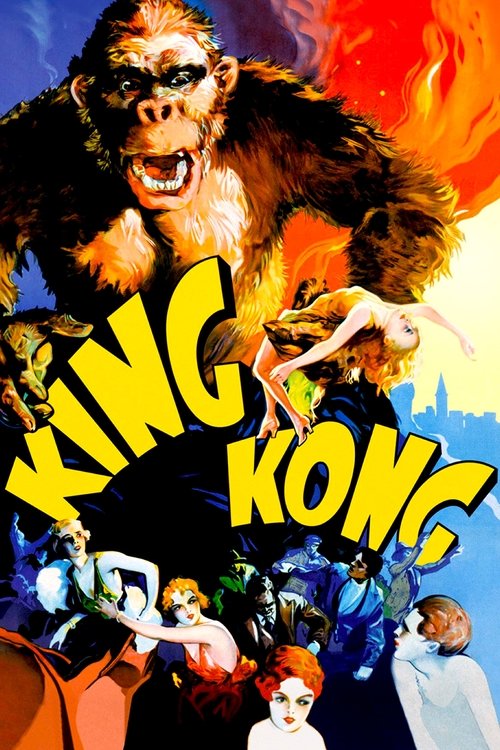
King Kong1933
The same era's most ambitious adventure-spectacle: groundbreaking stop-motion, genuine thrills, and a moral weight beneath the monster-hunting. The Empire State Building sequence still lands.
But The pacing is episodic, and the racial attitudes of its island sequences are even more objectionable than Fu Manchu's.
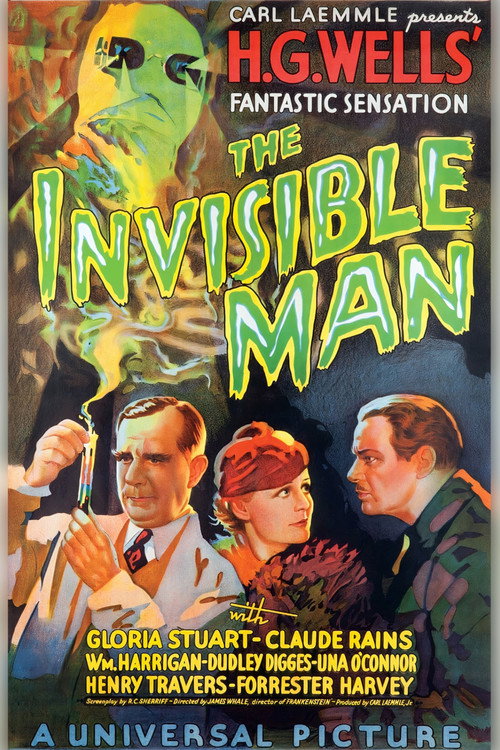
The Invisible Man1933
James Whale's darkly comic twist on Wells: a man driven mad by invisibility, each visual effect a joke that also builds dread. Faster and funnier than Fu Manchu, same craftsmanship.
But The tone veers from horror to comedy in ways that might feel inconsistent if you're not expecting it.
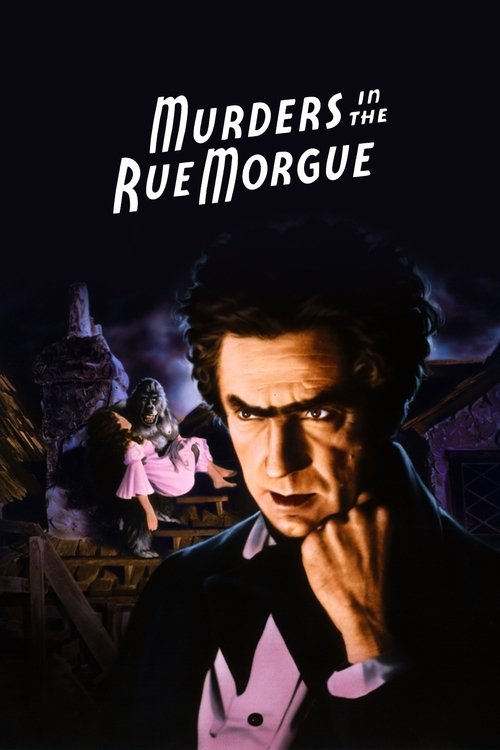
Murders in the Rue Morgue1932
Karloff in an earlier 1932 role, exploring similar exotic menace but with a stronger plot. Lugosi's presence and creeping atmosphere make this a solid alternative entry point to the era.
But Less visually distinctive than his other early roles, and the plot resolves in ways that feel rushed.
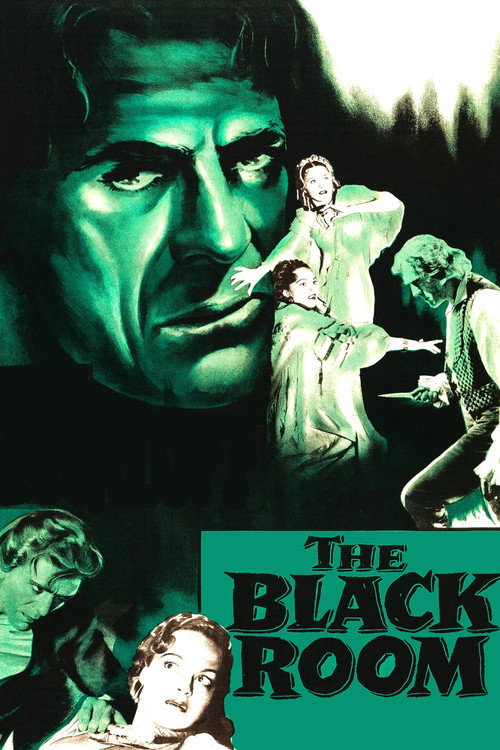
The Black Room1935
Karloff in dual roles: one noble, one sinister. Gothic atmosphere and twin-switcheroo plotting that's genuinely clever. A lesser-known gem from his peak.
But The castle setting is studio-bound and occasionally feels claustrophobic rather than expansive in the way Fu Manchu does.
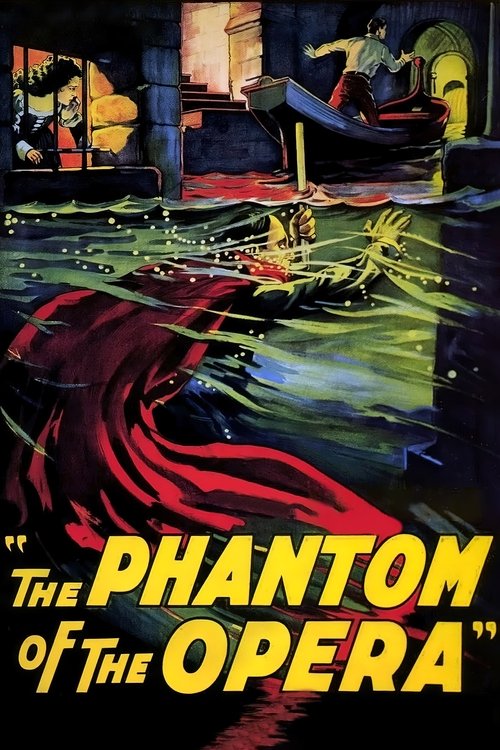
The Phantom of the Opera1925
Lon Chaney in what may be the greatest performance of the silent era, a film of genuine architectural grandeur and pathos. The Masquerade sequence is unforgettable.
But It's silent, so it requires adjustment; some viewers find the pacing ponderous even by 1920s standards.
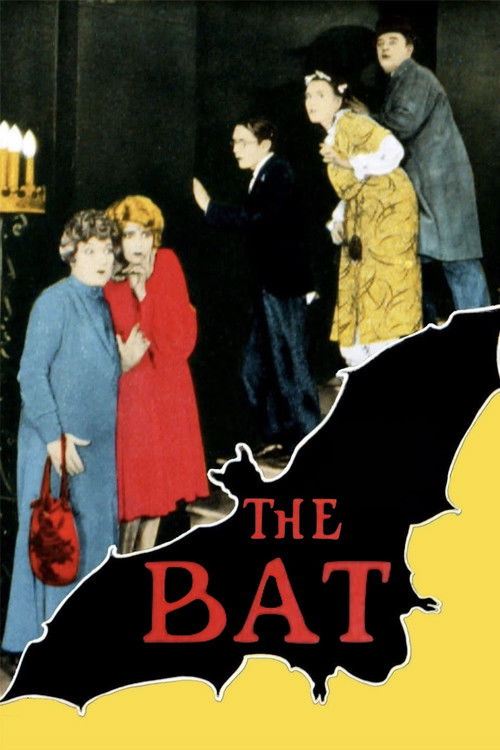
The Bat1926
A proto-slasher mystery with real momentum and genuine scares. Less famous than contemporary Universal horrors but sharper and faster, with a killer whose identity actually surprises.
But As a mystery, it hinges on plot mechanics that feel contrived in retrospect, even for the era.
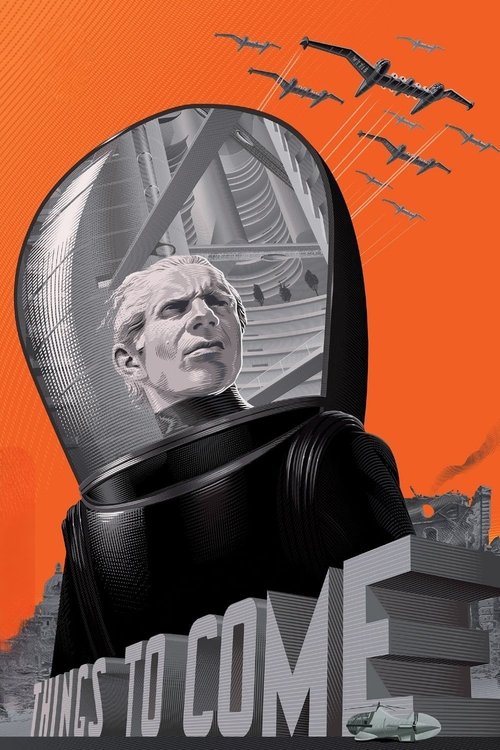
Things to Come1936
Both pit a visionary villain against conventional heroes; both believe in the power of ancient symbols and future technology as paths to dominion. Fu Manchu wants to resurrect the past; this film wants to obliterate it. Same hunger, opposite direction.
H.G. Wells' own adaptation of his vision of the future: vast futuristic cities, aerial warfare, and genuine technological imagination. The anti-hero Fu Manchu reimagined as a rational totalitarian dreaming of order. Stunning design.
But The dialogue is heavy-handed and expository. The vision of the future can feel smug, and the film privileges ideology over character.
People
Cast
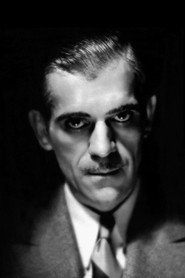 Boris KarloffDr. Fu Manchu
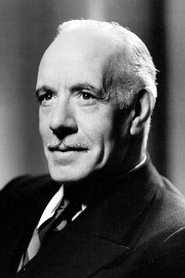 Lewis StoneNyland Smith
 Karen MorleySheila Barton
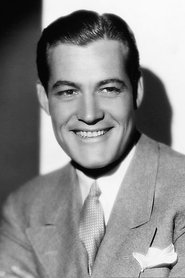 Charles StarrettTerence Granville
 Myrna LoyFah Lo See
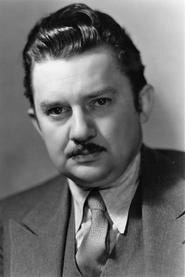 Jean HersholtVon Berg
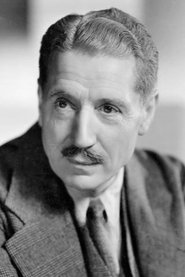 Lawrence GrantSir Lionel Barton
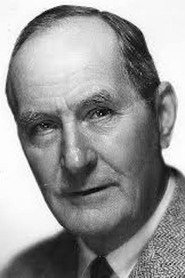 David TorrenceMcLeod
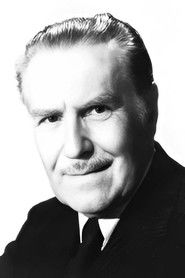 C. Montague ShawCurator Dr. Fairgyle - British Museum Official (uncredited)
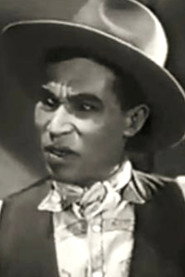 Steve ClementeKnife Thrower (uncredited)
- Allen JungCoolie (uncredited)
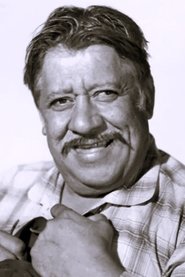 Chris-Pin MartinPotentate (uncredited)
Directing
- John WatersAssistant Director
- Charles BrabinDirector
Writing
- Sax RohmerNovel
- Edgar Allan WoolfScreenplay
- Irene KuhnScreenplay
- John WillardScreenplay
Production
- Charles VidorProducer
Recommended by
King Solomon's Mines, Come See the Paradise, Daughter of the Dragon, The Blood of Fu Manchu, The Castle of Fu Manchu