
Film
You Only Live Twice
The fifth Bond film sends 007 to Japan to stop a rogue spacecraft plot and finally face Blofeld. It's visually gorgeous, endlessly inventive, and marked the franchise's full embrace of gadgetry and absurdity over spy-craft realism. The action is kinetic, the women are vivid, and Sean Connery is still coasting on charisma. Perfect if you want Bond at peak spectacle.
Should you watch it?
Watch it if you love Bond as a pure pleasure machine, with gadgets, volcano lairs, and a lush, sun-drenched Japan that feels more like a fever dream than a real place.
Skip it if you want a tight, grounded spy story; this one leans on spectacle and cheeky set pieces, and its plot logic can feel loose even by the series' generous standards.
What it asks of you: Settle in for a little over two hours of brisk, playful escapism, where the pace stays easy and the tone stays light even when the stakes climb.
Not sure? Find tonight's pick in a minute.
If you liked this
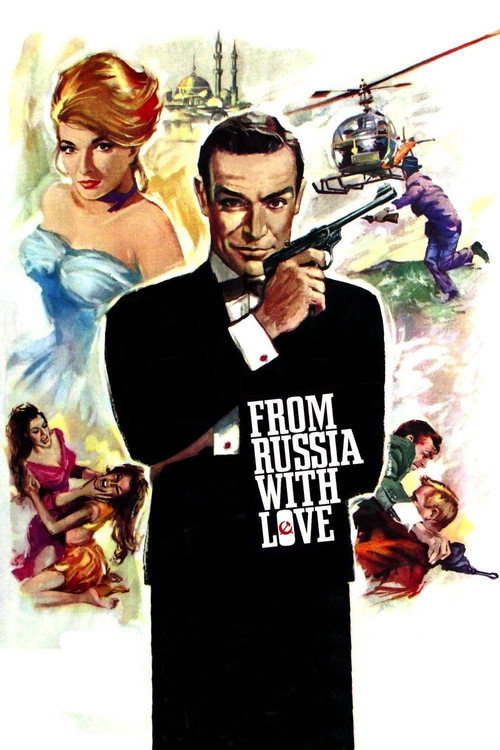
From Russia with Love1963
The second Bond film that set the template: a genuine spy thriller with grace, humour, and a villain you believe in. Connery is charming without being silly, and the action feels earned rather than inevitable.
But It moves slowly by modern standards, and there's no winking at the camera. If you want the fantasy, not the craft, this will feel restrained.
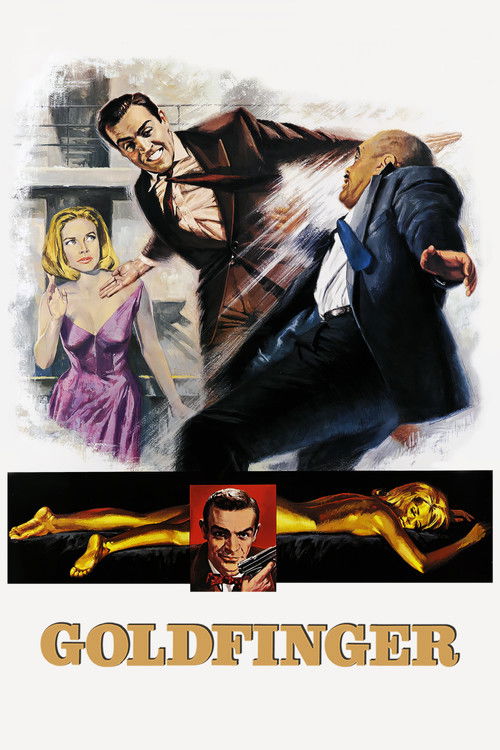
Goldfinger1964
The third film that somehow perfected the formula: Gert Fröbe as Auric Goldfinger is genuinely threatening, the plot is audacious, and Connery hits every note of wit and danger. The Aston Martin scene is iconic for a reason.
But It's structured around a extended golf match, which sounds dull and occasionally plays that way. The pacing dips in the middle hour.
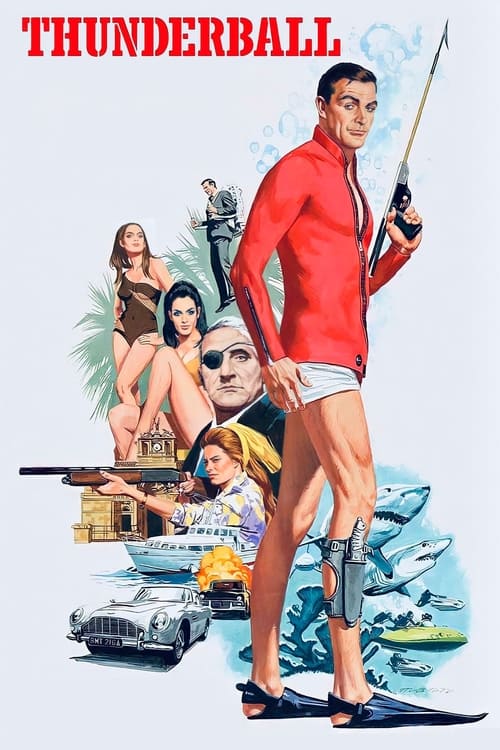
Thunderball1965
Underwater sequences that still dazzle, a larger-than-life villain in Adolfo Celi, and some of the most confident spectacle the series had yet attempted. Bond on a yacht, Bond in SCUBA gear—pure visual pleasure.
But The plot is genuinely complicated and easy to lose. At 130 minutes, it's bloated, and some of the underwater action, while beautiful, slows momentum.
Not sure tonight? Get a pick in a minute, starting from You Only Live Twice
The wildcard
Something you would not have found on your own.
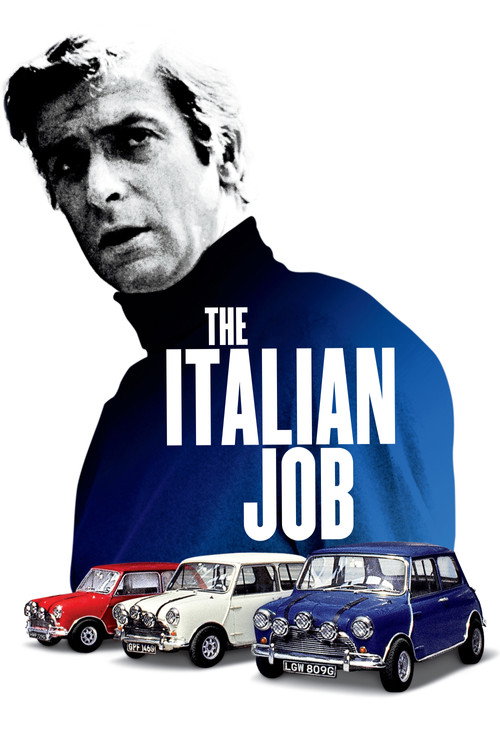
The Italian Job1969
Both are 1960s films that marry technical spectacle with aesthetic pleasure—the *look* of the thing is as important as the story. Both are heists dressed as action films.
A heist film with the same swinging-sixties swagger, the same visual confidence, and the same mix of wit and adrenaline as *You Only Live Twice*. Michael Caine leads a team through Turin with style. It's *YOLT*'s spiritual cousin.
But It's resolutely British in idiom and humour. The ending is deliberately unresolved in a way that infuriated audiences. And it's a heist, not an espionage, so if you need spy apparatus you won't find it.
More like this (8)
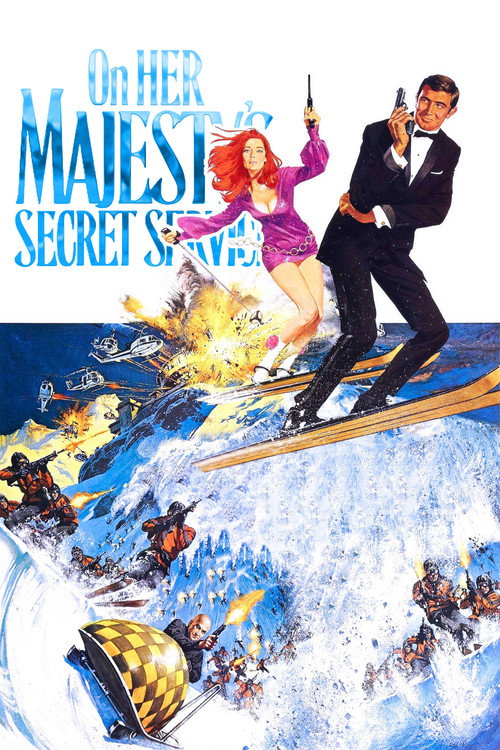
On Her Majesty's Secret Service1969
George Lazenby replaces Connery and the film goes for broke emotionally. A love story, a heist, and a tragedy. Diana Rigg is magnificent. It's the first Bond film that risks something beyond spectacle.
But Lazenby is untested as an actor and the film knows it. The opening credits are jarringly comic. Some viewers resent the departure from Connery's tone.
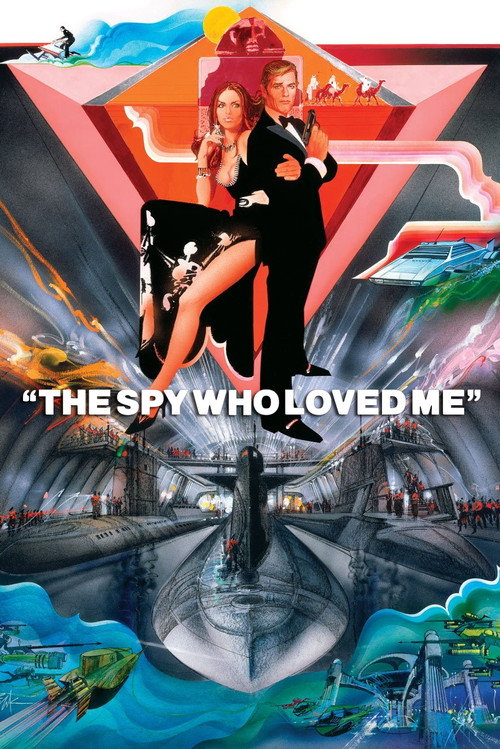
The Spy Who Loved Me1977
Roger Moore takes over and leans into playfulness. Jaws as a henchman is unforgettable, the gadgets are delirious, and Moore's ease with absurdity makes the fantastical feel natural. Pure fun.
But There's no dramatic stakes whatsoever. If you want tension or character growth, you're watching the wrong film. Moore's winking can feel like self-parody.
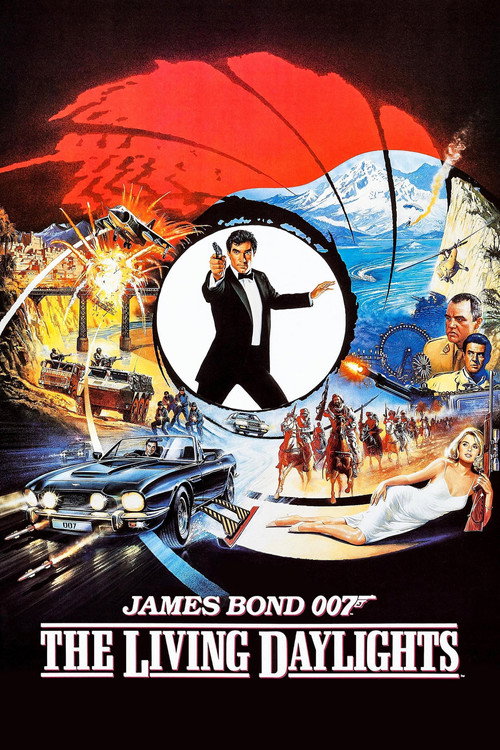
The Living Daylights1987
Timothy Dalton brings gravitas and danger back to Bond. A Soviet defection, a cello-playing cellist spy, and action that feels consequential. It's a real thriller that happens to star James Bond.
But It's sombre compared to Moore, and slower paced than the spectacle-focused entries. If you came for gadgets and one-liners, you'll feel shortchanged.
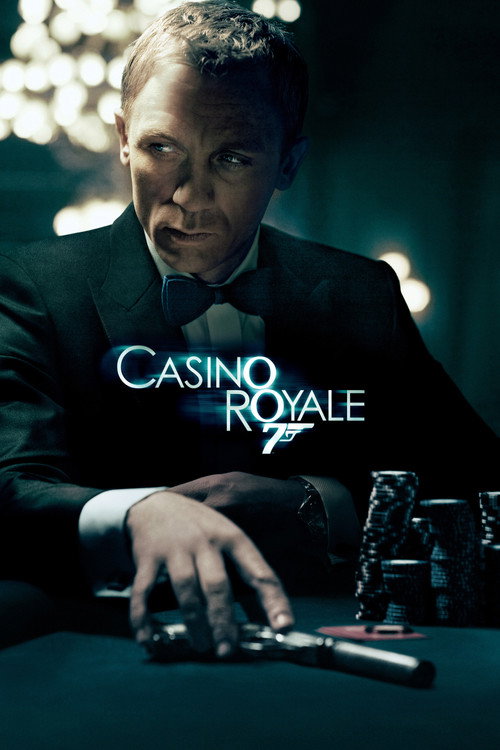
Casino Royale2006
Daniel Craig's debut rebuilds Bond from the ground up: brutal, vulnerable, and actually skilled at espionage. A poker game becomes unbearably tense. Craig's physicality and the parkour chase are still extraordinary.
But It's nearly two and a half hours. The middle sags. And it commits to emotional depth, which some Bond fans find antithetical to the character's appeal.
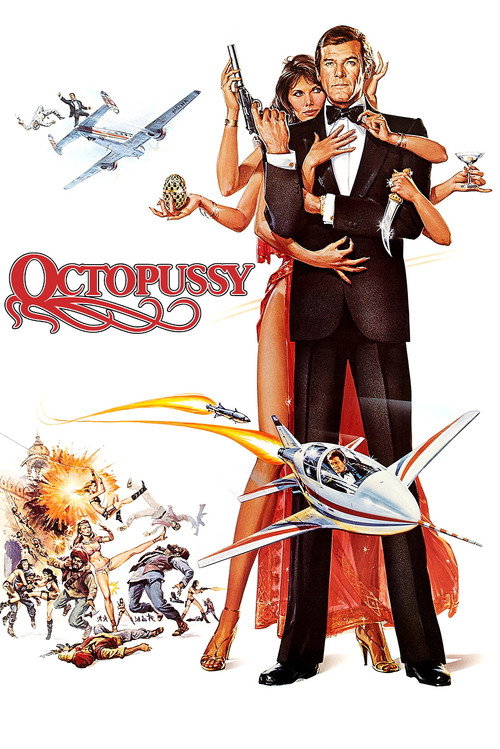
Octopussy1983
Roger Moore at his peak, with a female lead who's genuinely dangerous and capable. A plot about a jewelled Fabergé egg, a flying circus, and a nuclear threat. It's silly but confident, with action that flows beautifully.
But The title is hard to say without smirking. There's a moment involving blackface. The gender politics are dated in ways that distract.
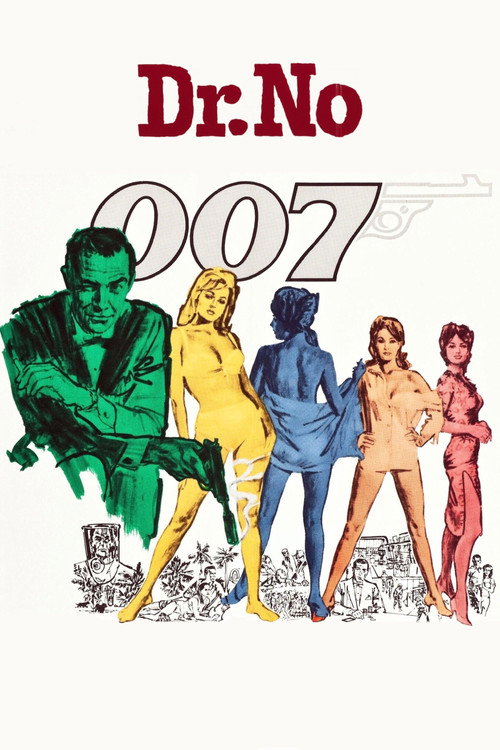
Dr. No1962
The first Bond film that started it all. Connery introduces 007 with understated cool. The plot is tight, the villain is elegant, and it feels like a real spy story before the franchise knew how big it could be.
But It's slow and deliberately paced compared to what came after. If you're expecting gadgets and globe-trotting spectacle, you'll find a modest thriller instead.
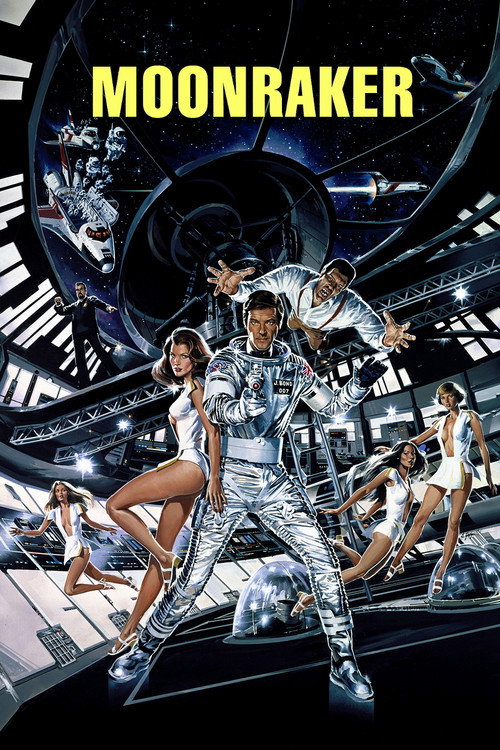
Moonraker1979
Where *YOLT* was the Bond film that first embraced gadgetry and spectacle over realism, *Moonraker* is what that impulse looks like at its most extreme—the logical endpoint of the trajectory *YOLT* started.
Roger Moore in space. Not metaphorically—actual space, with space shuttles and an orbiting laser station. It's absurdist spectacle at full tilt: a film that abandoned all pretence of realism and became pure fantasy.
But It's a parody of a James Bond film sometimes, almost accidentally. The zero-gravity sequences are fun but unconvincing. If you want spycraft or tension, you've come to the wrong place.
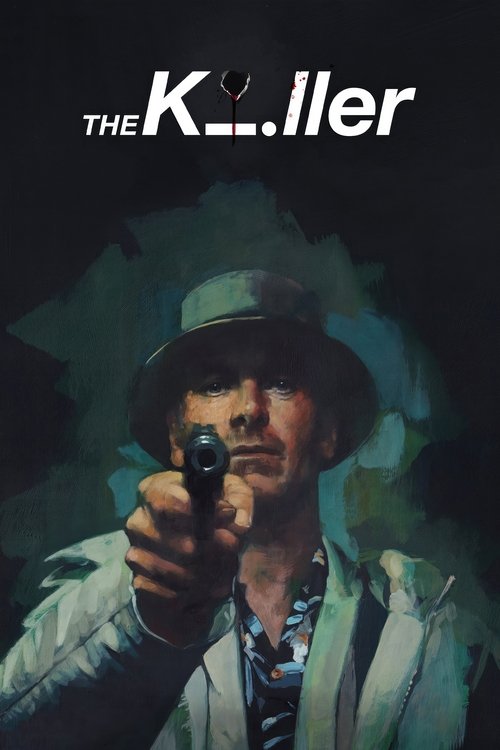
The Killer2023
Both are about professional assassins/spies at work; but where Bond glories in the glamour and excitement, *The Killer* shows you the repetition, loneliness, and moral cost. It's the shadow side of the fantasy *YOLT* sells.
David Fincher's meditation on a professional operative: methodical, controlled, utterly precise. Michael Fassbender as a hitman going through the motions. It's anti-Bond—the pleasure is in craft, routine, and moral emptiness, not heroics or charm.
But It's slow, austere, and deliberately dull in places. There's no spectacle or wit. The violence is clinical. If you want entertainment rather than cinema, skip it.
People
Cast
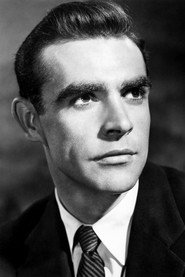 Sean ConneryJames Bond

 Mie HamaKissy Suzuki
 Tetsuro TambaTiger Tanaka
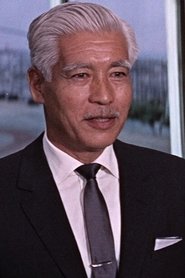 Teru ShimadaMr. Osato
 Karin DorHelga Brandt
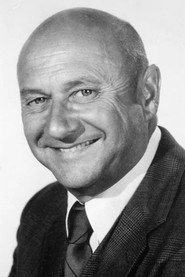 Donald PleasenceErnst Stavro Blofeld
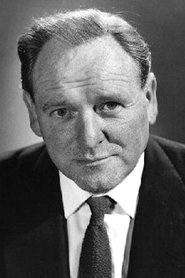
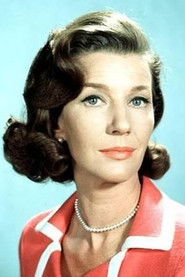 Lois MaxwellMiss Moneypenny
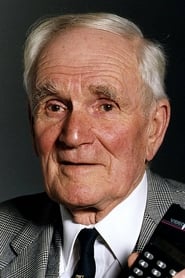
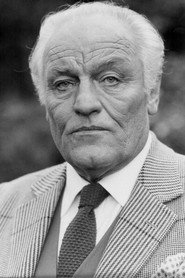 Charles GrayDikko Henderson
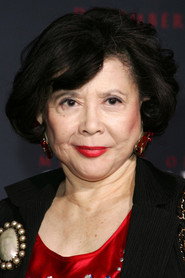 Tsai ChinLing
Directing
- William P. CartlidgeAssistant Director
- Lewis GilbertDirector
- Peter R. HuntSecond Unit Director
Writing
- Ian FlemingNovel
- Roald DahlScreenplay
- Harold Jack BloomWriter
Production
- Albert R. BroccoliProducer
- Harry SaltzmanProducer
- Ron QuelchProduction Assistant
- David MiddlemasProduction Supervisor
Recommended by
Goldfinger, Thunderball, Live and Let Die, Moonraker, The Blood of Fu Manchu, The Castle of Fu Manchu, The Spy with a Cold Nose