
Film
The Deep
The Deep is a 1977 underwater thriller that makes the Caribbean itself a character—tense, beautiful, and lethal. Jacqueline Bisset and Nick Nolte stumble into a wreck's secrets and find themselves hunted by people who want those secrets buried. It's Jaws' elegant cousin: slower-burn, more mysterious, genuinely atmospheric about the sea as a place that keeps its promises to no one.
Should you watch it?
Watch it if you like your adventure slow-building and sun-bleached, with the menace coming from murky water and greedy people rather than from explosions.
Skip it if the pace is deliberate and the underwater scenes linger, so if you want brisk plotting and a runtime under ninety minutes, this will test your patience.
What it asks of you: Two hours and change, with long stretches of patient diving and quiet unease before the tension builds; it rewards attention more than restlessness.
Not sure? Find tonight's pick in a minute.
If you liked this
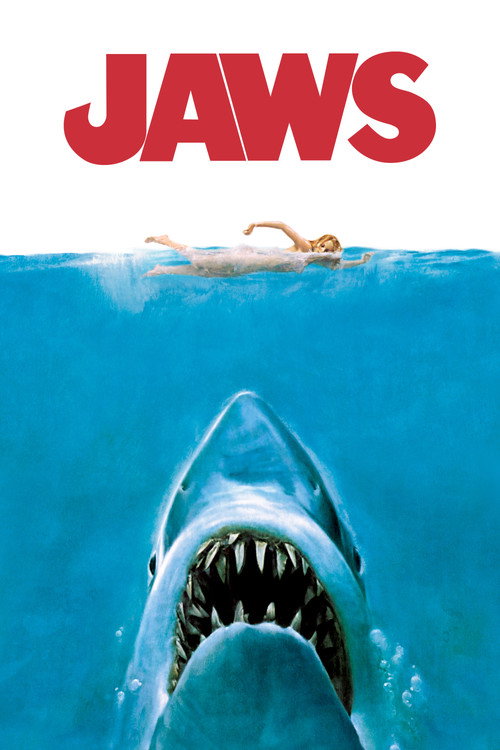
Jaws1975
The obvious ancestor: Spielberg's masterclass in tension, creature design, and coastal dread. If you love The Deep's underwater menace and mystery, this is the gold standard of what suspense in water can achieve.
But Jaws is everywhere—you may have already seen it multiple times, and it moves at a different pace than The Deep's slower, stranger rhythm.
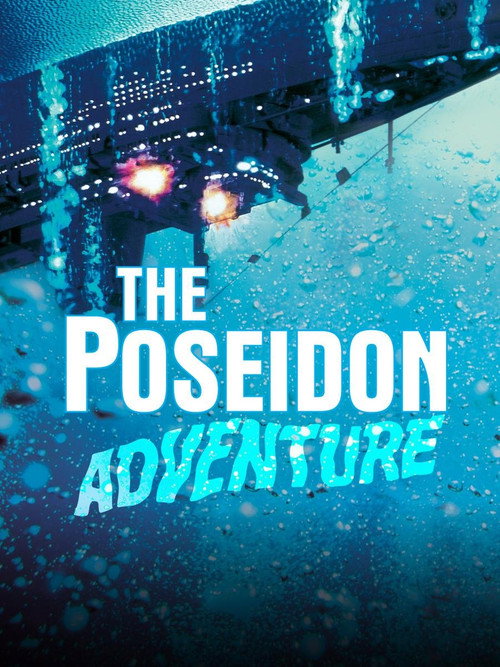
The Poseidon Adventure1972
A disaster film with the same '70s craftsmanship and practical stunt work. People trapped in an impossible underwater or submerged space, fighting both the environment and each other. Same era, same stakes, same lack of CGI shortcuts.
But It's a disaster spectacle rather than a thriller—less intimate, more about the scale of the catastrophe than the mystery driving character choices.
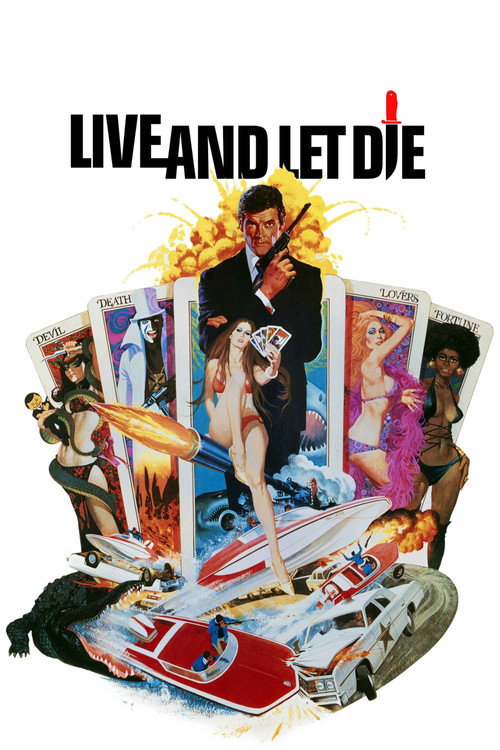
Live and Let Die1973
A Bond film that doubles as an island adventure with genuine voodoo atmosphere and real danger. Exotic locations, corrupt treasure hunters, underwater sequences that feel tactile. Roger Moore's lightness keeps it playful.
But It's Bond—camp is baked in, and the film's racial politics haven't aged entirely well. If you want unironic tension, this trades some of it for adventure-movie fun.
Not sure tonight? Get a pick in a minute, starting from The Deep
The wildcard
Something you would not have found on your own.
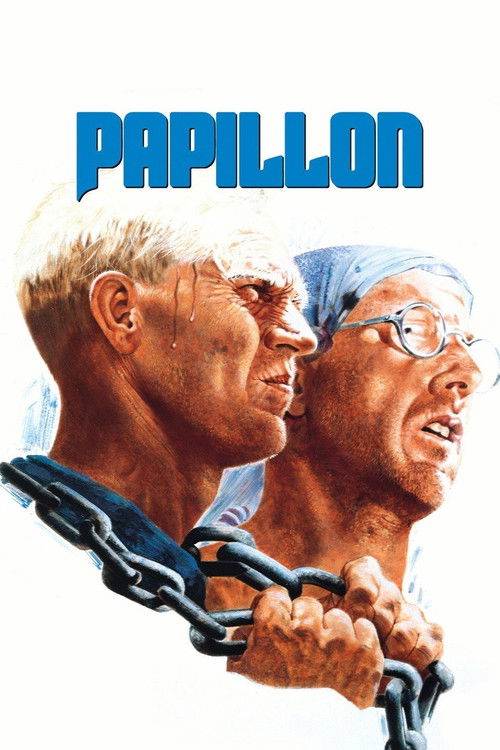
Papillon1973
Both films trust the camera to linger on an environment as a character in itself. Both are about people caught between forces larger than themselves—nature, greed, bureaucracy—and neither flinches from showing the physical toll.
Steve Reeves and Dustin Hoffman trapped in escape-proof environments, hunted by authorities and the sea itself. It's an adventure film, but one where the ocean is as much a jailer as the prison. Practical, tense, and built on the actors' exhaustion and desperation rather than spectacle.
But It's nearly two and a half hours long, and much of it is just survival—eating bugs, climbing cliffs, waiting. If you want plot momentum, you'll find patience-testing stretches instead.
More like this (8)
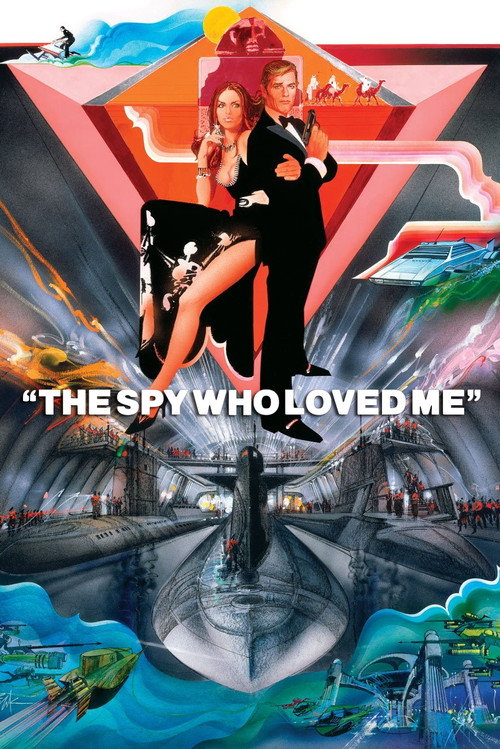
The Spy Who Loved Me1977
Released the same year as The Deep, it also mixes exotic underwater sequences with treasure-hunting intrigue. Jill St. John and Roger Moore in an undersea lair. Pure '70s adventure glamour with real stunt work.
But It's lighter and campier than The Deep—more willing to wink at the camera. If you want sustained mystery and dread, you'll find humour in the way here.
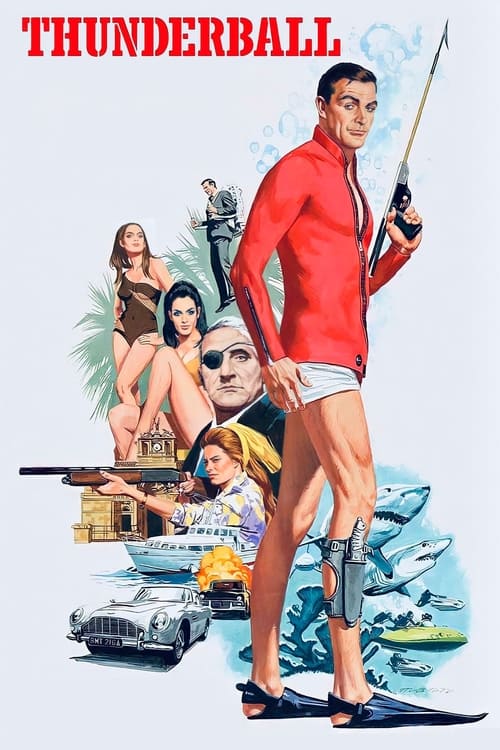
Thunderball1965
The underwater Bond film that set the template: diving sequences shot with real care, a sunken island lair, nuclear weapons, and extended underwater combat. It's slow and hypnotic in a way modern spy films rarely are.
But It's long and deliberately paced even by '60s standards. The underwater action, however beautiful, can feel repetitive if you're not patient with its rhythm.
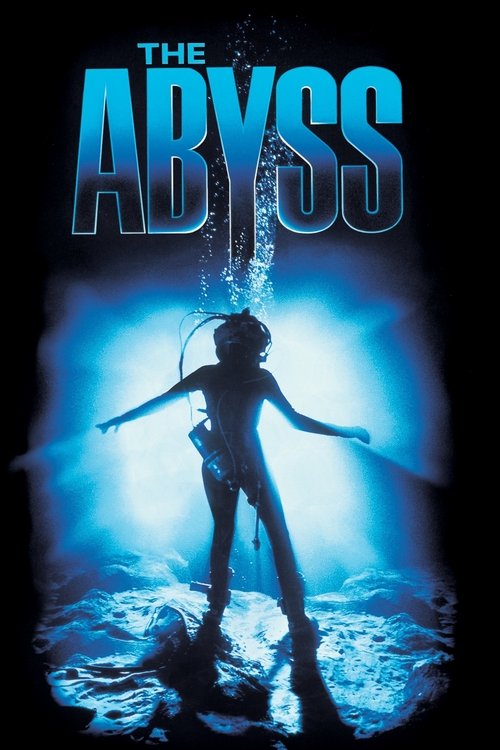
The Abyss1989
A deep-sea thriller that takes the mysterious wreck and isolation seriously. James Cameron's obsession with underwater cinematography pays off—it's claustrophobic, visually stunning, and genuinely weird in its final act.
But The creature design in the third act polarizes people, and the film's emotional payoff depends on buying into a relationship dynamic that some find schmaltzy.
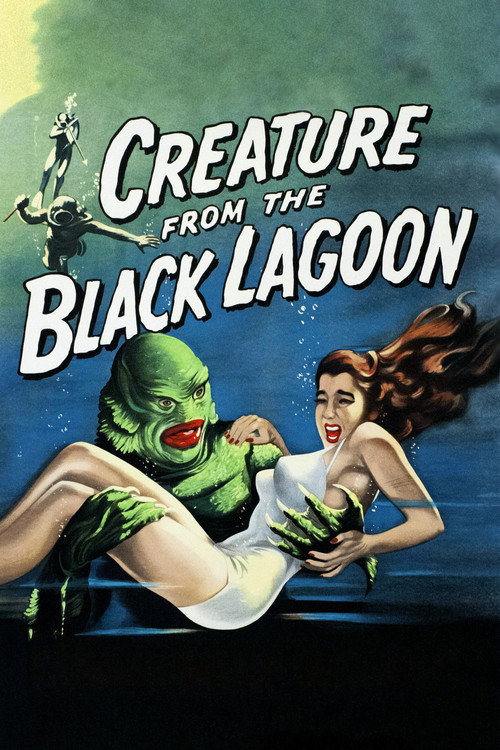
Creature from the Black Lagoon1954
The gold standard of creature films shot in practical water. Black-and-white underwater cinematography that's eerie and elegant. A small team, a monster, and the murky depths—pure atmosphere over spectacle.
But It's in black and white, it's from the '50s, and the pacing is deliberate. If you want constant action, you'll find long stretches of quiet exploration instead.
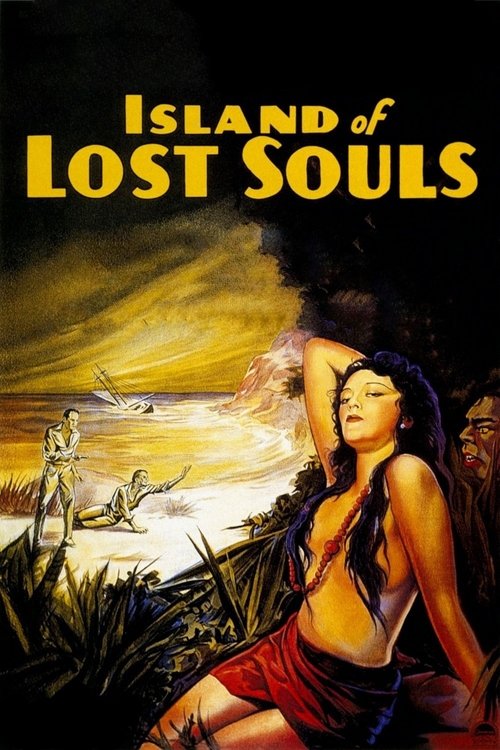
Island of Lost Souls1932
An island thriller about humans doing unspeakable things in isolation. Charles Laughton as a mad scientist. The same sense that civilization is a thin veneer over something darker—and that some places bring out the worst in people.
But It's 90 years old and moves like it. The special effects are dated, and the film's interest is in dialogue and atmosphere rather than action sequences.
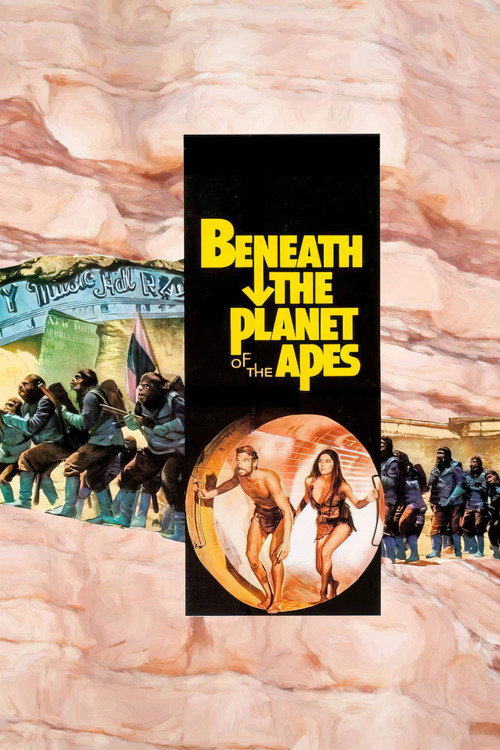
Beneath the Planet of the Apes1970
An adventure film that pairs exploration of an unknown world with the creeping realization that danger isn't just environmental—it's human and ideological. Excellent '70s production design on a television budget.
But It's a sequel to something you may not have seen, and it's campy in ways that undercut the genuine darkness of its premise. The ending is genuinely bleak, but getting there is uneven.
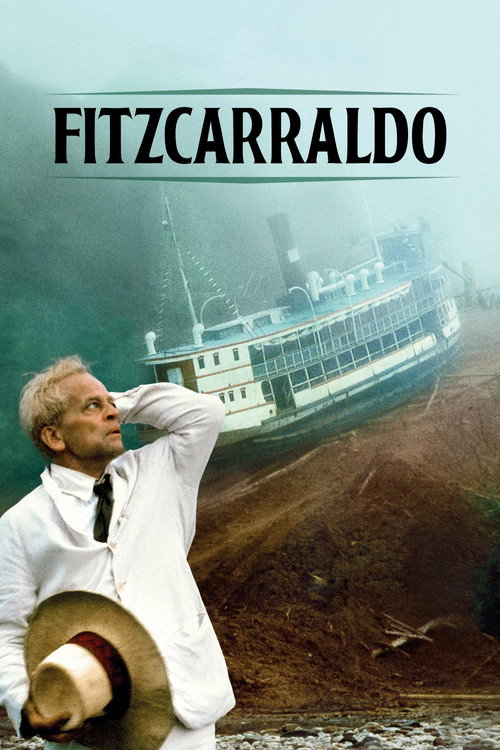
Fitzcarraldo1982
Both films were made by directors obsessed with capturing the authentic weight and smell of real places. Both treat the environment—sea or jungle—as a force that can't be reasoned with or overcome by will alone, only endured or escaped.
Werner Herzog's fever dream about a man obsessed with reaching an opera house in the Amazon, which requires hauling a steamship over a mountain in the jungle. It's not a thriller, but it captures the same '70s sense of nature as an impassive, patient killer. Real locations, real stunts, real obsession.
But It's slow, philosophical, and about the inner landscape of ambition rather than plot. Herzog's narration can feel pretentious. And it requires patience for what some will see as self-indulgence.
Suspiria1977
Both are films from 1977 that refuse to explain themselves fully. Both trust the viewer to sit in confusion and visual beauty. Both treat their locations—wreck, academy—as places with their own logic and danger that the characters are learning to navigate. Both are mysteries that don't resolve into clarity.
Released the same year as The Deep, Dario Argento's film is a giallo thriller with no interest in naturalism. A young woman arrives at a mysterious place; strange things happen; the logic is dreamlike and operatic. Every shot is composed like a painting. It's hypnotic and deeply weird.
But It prioritizes atmosphere and visual design over plot coherence. You won't understand what's happening in a conventional sense, and the score is relentlessly loud. Some find it gorgeous; others find it frustrating.

People
Cast
 Robert ShawRomer Treece
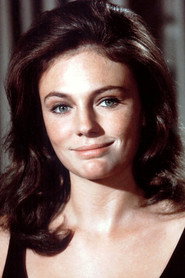 Jacqueline BissetGail Berke
 Nick NolteDavid Sanders
 Louis Gossett Jr.Henri Cloche
 Eli WallachAdam Coffin
 Robert TessierKevin

 Bob MinorWiley
 Earl MaynardRonald
 Teddy TuckerThe Harbor Master
Directing
- Peter YatesDirector
Writing
- Peter BenchleyNovel
- Peter BenchleyScreenplay
- Tracy Keenan WynnScreenplay
Production
- George JustinAssociate Producer
- Jane FeinbergCasting
- Mike FentonCasting
- Peter GuberProducer
- George JustinProduction Manager
Recommended by
Orca, Daylight, When Time Ran Out..., Oceans of Fire, The Island, The Voyage of the Mimi, Warlords of Atlantis, Pressure, The Neptune Factor, Tentacles, Eaten Alive!, Last Breath, The Last Shark, Meg 2: The Trench, Black Sea