
Film
The Island
Other titles called The Island: the 2005 film.
Michael Caine vs. Caribbean pirates in this sweaty, brutal 1980 thriller about a reporter hunting the truth behind vanished yachts. David Warner's charismatic villain runs a brutal society of raiders who capture and assimilate outsiders. It's pulpy, darkly funny, and genuinely unsettling—a b-movie that swings for the fences and mostly connects.
If you liked this
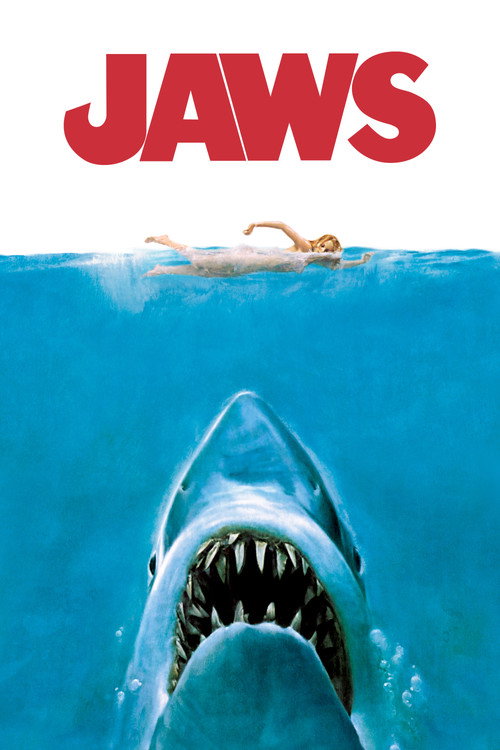
Jaws1975
Spielberg's masterclass in sustained tension. A community under siege, a resourceful outsider forced into danger, and a villain you partially understand. The template for everything that follows.
But Pacing feels deliberate rather than urgent by modern standards. The mechanical shark malfunction becomes a feature, not a bug, but some find it dated.
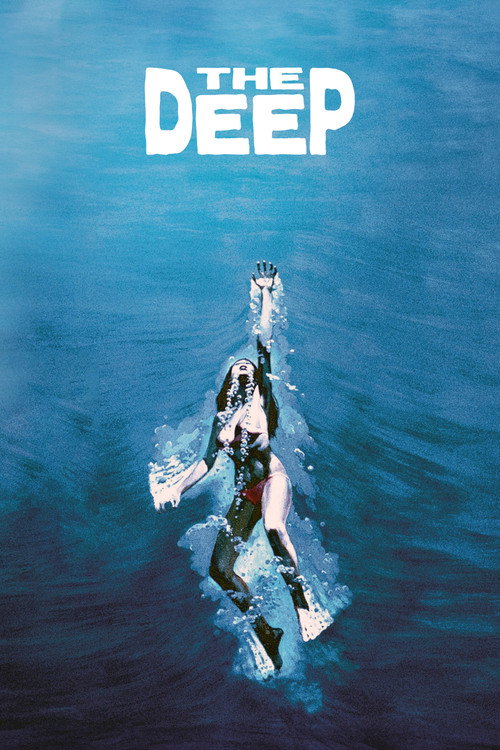
The Deep1977
Another ocean thriller with Caine, diving deep into mystery and violence. Treasure, secrets, and moral compromise—it shares The Island's interest in what happens when civilisation drops away.
But The plot tangles itself toward the end. Underwater photography, however beautiful, can feel slow.
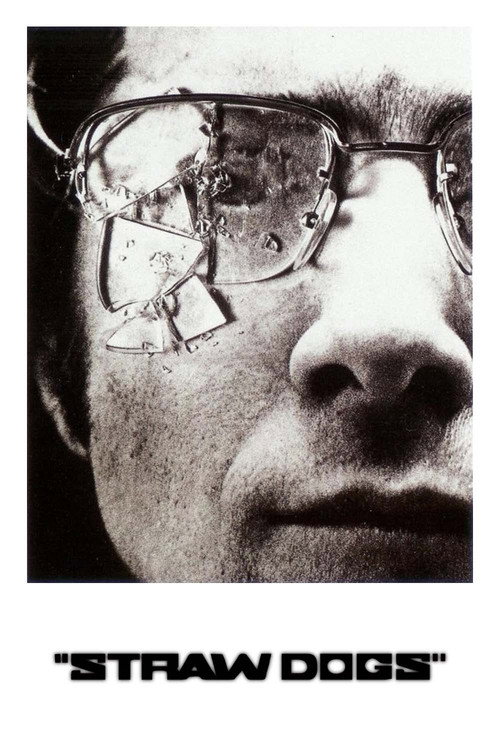
Straw Dogs1971
Peckinpah's savage exploration of civility stripped away. A man is forced to become violent to defend his home and family. The Island echoes this moral descent, but cranks the nihilism higher.
But Genuinely brutal and uncomfortable. The sexual violence is not incidental; it's the point, which many find unwatchable rather than instructive.
Not sure tonight? Get a pick in a minute, starting from The Island
The wildcard
Something you would not have found on your own.
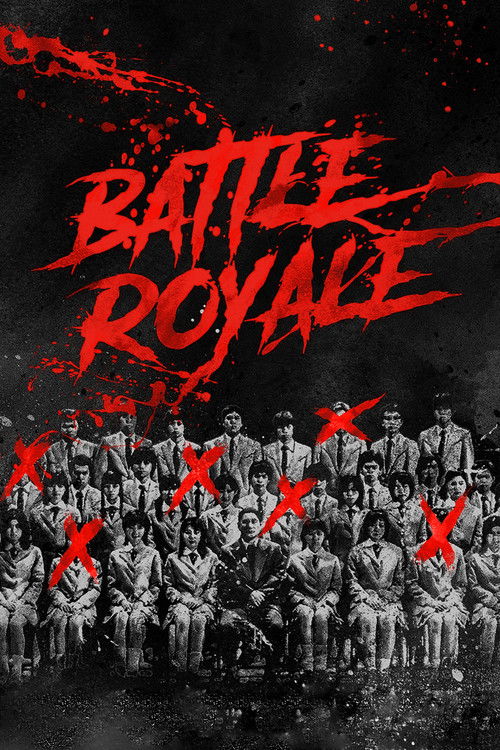
Battle Royale2000
Both films depict cultures where violence is woven into the social fabric and new arrivals are forced to adapt or die. Neither flinches from showing how effective this socialisation can be.
A Japanese film about schoolchildren forced into lethal competition by authority. Like The Island, it's a closed society with its own brutal logic, where the rules are enforced absolutely and some participants accept them. It's more visceral and philosophically ruthless.
But Children are killed onscreen, graphically. The film doesn't look away, which some find exploitative rather than confrontational. Japanese cinema grammar may feel unfamiliar.
More like this (8)
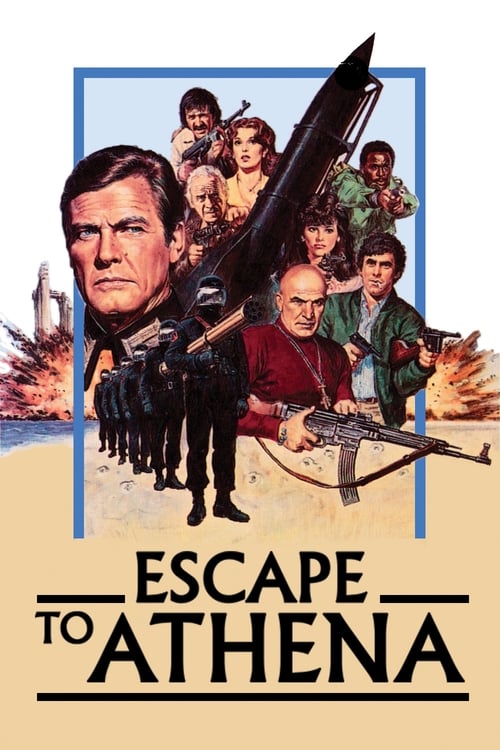
Escape to Athena1979
A rollicking adventure about a prison camp run by an unlikely commandant. Caine again, charm and cunning under pressure, with the same ensemble chaos The Island revels in.
But It's frivolous where The Island is ugly. If you want moral weight, you won't find it here—and that's the point.
The Poseidon Adventure1972
A disaster ensemble that works because everyone is fighting the same enemy. The Island inverts this: the threat is human and charismatic, and some of the captives start to agree with it.
But The spectacle overwhelms character. It's a puzzle to solve rather than a descent to witness.
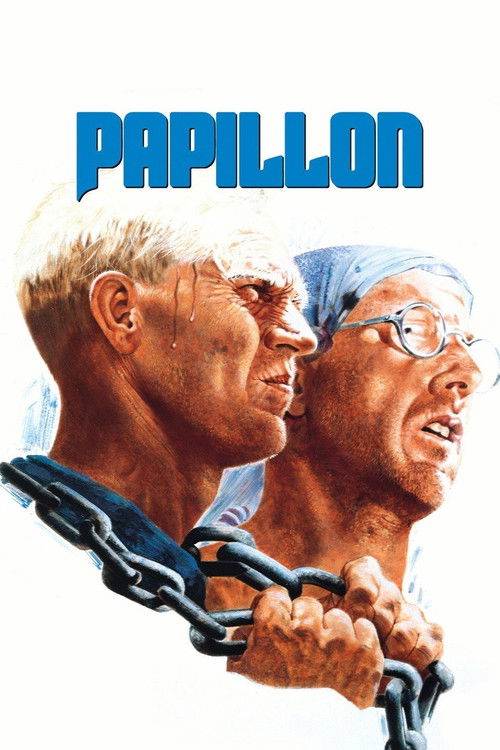
Papillon1973
McQueen's escape fantasy, but grounded in real desperation and the corrosive effect of captivity. The Island's prisoners face a more seductive trap: acceptance.
But Nearly three hours, and the pacing is episodic. The escape itself feels inevitable long before it arrives.
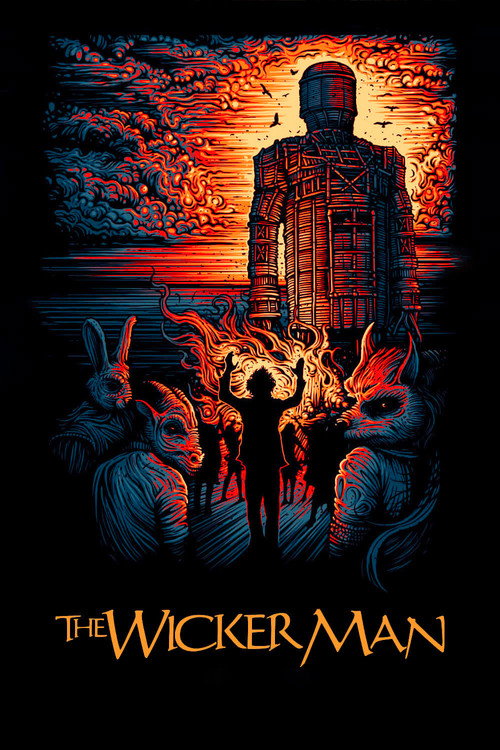
The Wicker Man1973
A stranger arrives to investigate a closed community with its own brutal rules and charismatic leader. The horror comes from realising the logic of their world makes sense to them.
But The ending is not a twist—it's a statement. If you need the protagonist to win, this will infuriate you.
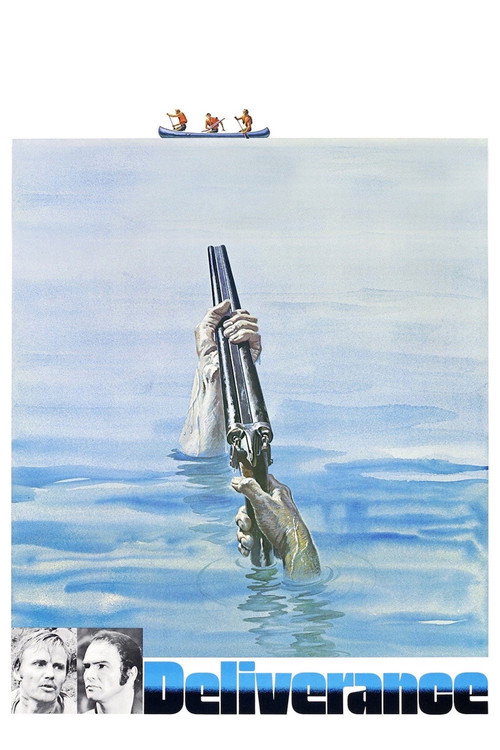
Deliverance1972
Civilised men pushed into violence by circumstance and river. The film is interested in how quickly the veneer cracks and what lies underneath. The Island asks the same question about forced belonging.
But Rape is central to the plot, not decoration. It's necessary to the film's argument, but that argument isn't comfortable.
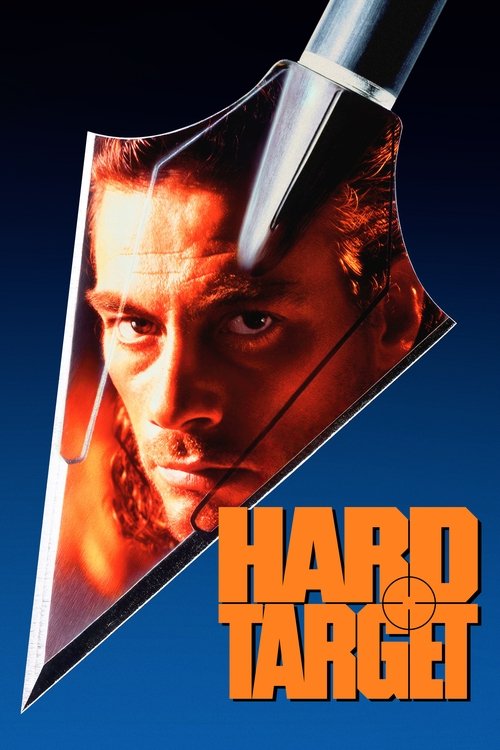
Hard Target1993
John Woo's American debut: a man hunted by rich sadists for sport. It's trashy fun with style, and it shares The Island's interest in predator and prey dynamics stripped of pretence.
But The action style is dated; Woo's signature slow-motion doesn't age gracefully. It's also far lighter in tone, which some will find cheap.
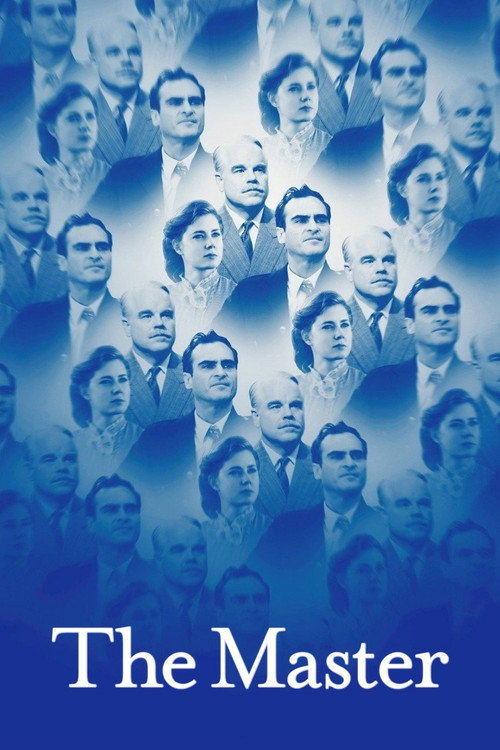
The Master2012
Both are about cults of personality and the specific vulnerability that makes a person susceptible to an attractive authoritarian. The Island shows it happening; The Master shows why it works.
Paul Thomas Anderson's portrait of a charismatic leader building a closed belief system around himself, and a man drawn in despite his doubts. It's slower and stranger than The Island, but the psychological machinery is identical: seduction through belonging.
But It's genuinely opaque—Anderson doesn't explain his characters' motivations. Some see depth; others see pretension. Three hours of ambiguity exhausts most viewers.
Come and See1985
Both films are fascinated by how quickly social bonds form under extreme pressure, and how that bonding deadens you to the violence around it. One is an adventure; one is a requiem for the same process.
A Soviet war film about a boy's descent into a living hell during WWII. Like The Island, it's relentless and brutal, concerned with how quickly humans adapt to atrocity. It's the blackest possible mirror to The Island's pirate society.
But It is one of the most disturbing films ever made. Not exploitation—genuine confrontation with human capacity for horror. It requires emotional fortitude most won't have.

People
Cast
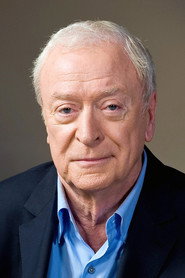 Michael CaineBlair Maynard
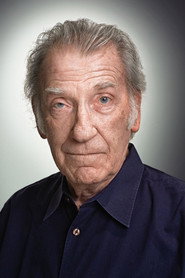 David WarnerDavid Nau

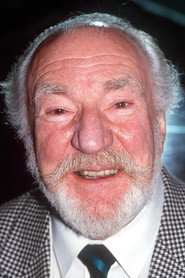 Frank MiddlemassWindsor
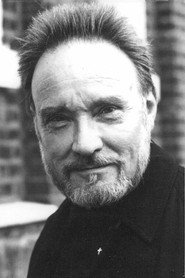 Don HendersonRollo
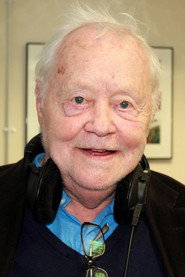 Dudley SuttonDr. Brazil
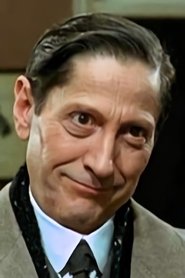 Colin JeavonsHizzoner
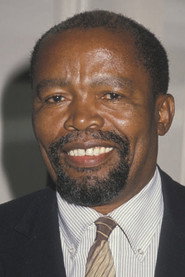 Zakes MokaeWescott
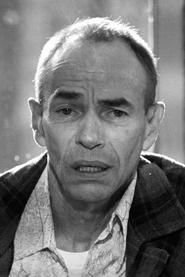 Brad SullivanStark
- Jeffrey FrankJustin Maynard
- John O'LearyDoctor #1
- Bruce McLaughlinDoctor #2
Directing
- Michael RitchieDirector
- Mishka CheykoFirst Assistant Director
- Chris CarrerasSecond Assistant Director
- Peter WallerSecond Assistant Director
Writing
- Peter BenchleyNovel
- Peter BenchleyScreenplay
Production
- David BrownProducer
- Richard D. ZanuckProducer
- Gary ChasonProduction Assistant
- Alan LevineUnit Production Manager