
Film
The Falcon and the Snowman
A true-crime thriller about two childhood friends—a defence contractor's son and a small-time drug dealer—who become Soviet spies in the 1970s. It's a tense, deliberately paced study of how ordinary people make extraordinary betrayals. Smart and deeply unsettling, for anyone fascinated by espionage, ideology, or the quiet collapse of conscience.
If you liked this
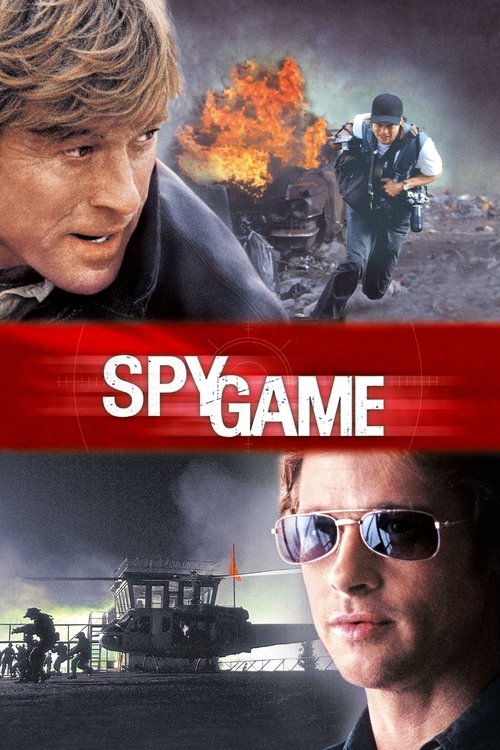
Spy Game2001
Brad Pitt and Robert Redford in a sleek, propulsive cat-and-mouse about a CIA officer extracting his former protégé from a Chinese prison. It has the same high-stakes tension and moral complexity, with a structure that keeps you guessing.
But It prioritizes action and narrative trickery over the quieter psychological dread that makes The Falcon and the Snowman unforgettable. Feels more like a polished thriller than a real betrayal.
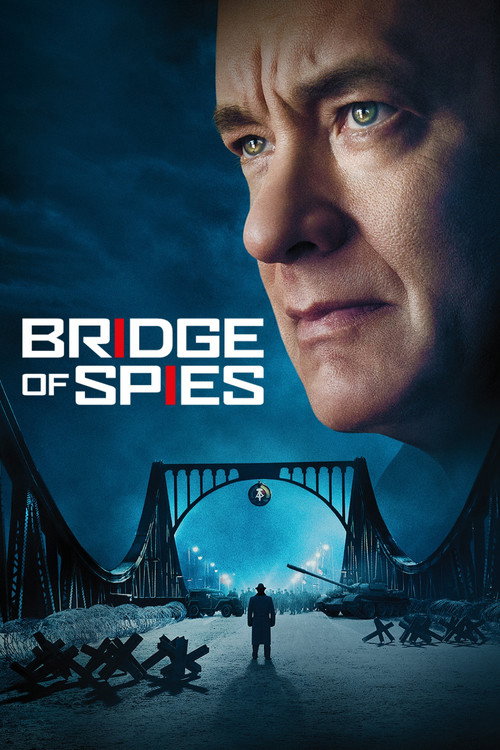
Bridge of Spies2015
Spielberg's immaculate Cold War drama about negotiating the exchange of a Soviet spy. Shares the same slow-burn tension, the moral ambiguity, and the meticulous attention to how espionage actually feels—all restraint and calculation.
But Deliberately unhurried. If you want propulsive plot momentum rather than atmosphere and character study, this will feel like watching paint dry in a very well-lit room.
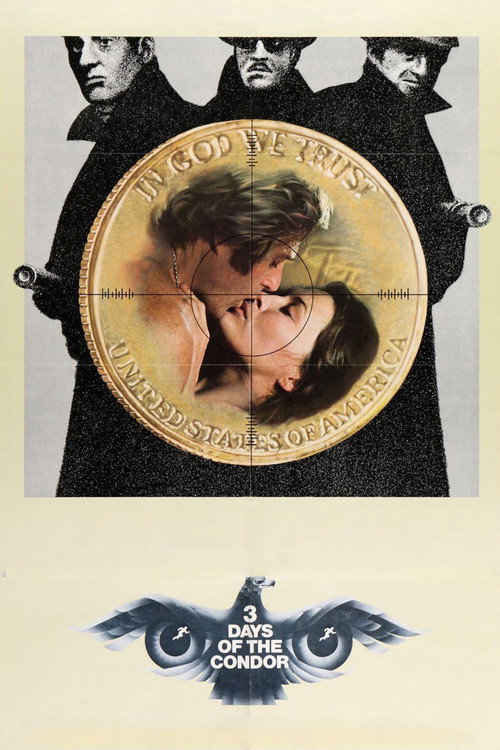
Three Days of the Condor1975
Robert Redford as a CIA analyst on the run after stumbling onto something he shouldn't have. It captures that same paranoid 70s espionage mood, where you can't trust anyone and the machinery chews up ordinary people.
But Less focused on the emotional core of betrayal; more interested in the procedural thriller machinery. The ending is quieter and less dramatically satisfying than you might want.
Not sure tonight? Get a pick in a minute, starting from The Falcon and the Snowman
The wildcard
Something you would not have found on your own.
Countdown to Looking Glass1984
Both are products of 1984-85, both obsessed with how ideology justifies actions, both built on the premise that the machinery of state is what corrupts the individual. Countdown shows the world The Falcon and the Snowman characters believed they were fighting against.
A live-action news-broadcast simulation of nuclear escalation between the US and USSR, airing just a year before The Falcon and the Snowman was made. It's a terrifying, brilliantly realized document of Cold War paranoia and the machinery of apocalypse—the ideological backdrop that made Boyce and Lee's betrayal seem, to them, almost righteous.
But Presented as a fake news broadcast with no narrative frame. It's deliberately disorienting and offers no traditional dramatic payoff; the horror is in the realism. Some will find it unwatchable; others will find it essential.
More like this (8)
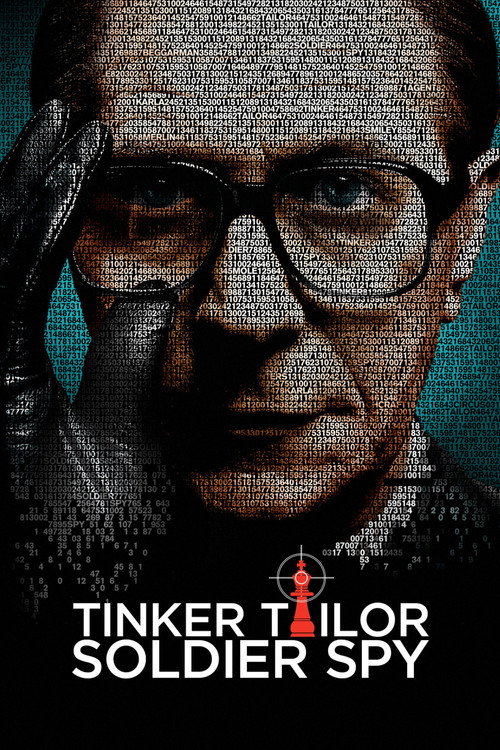
Tinker Tailor Soldier Spy2011
Gary Oldman as a British spy hunter pursuing a Soviet mole during the Cold War. It's deliberate, intelligent, and steeped in the moral fog of the era—exactly the register The Falcon and the Snowman hits.
But Glacially paced and deliberately obscure about plot mechanics. You have to work hard to follow it, and some viewers find that work feels like punishment rather than engagement.
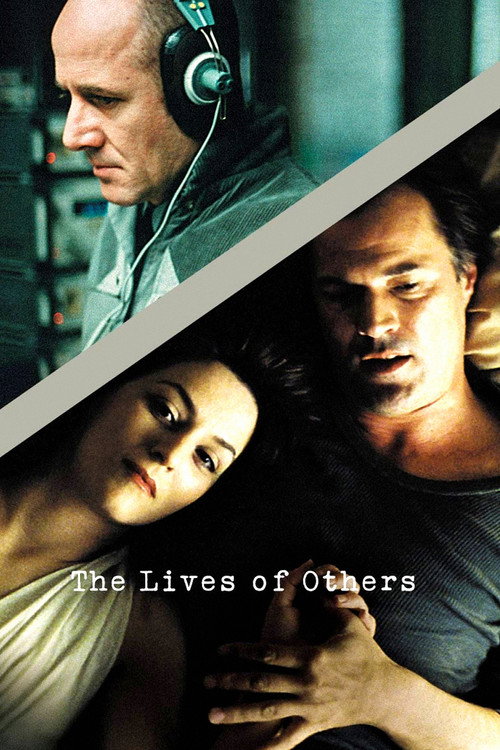
The Lives of Others2006
A Stasi surveillance officer becomes emotionally compromised by the people he's meant to be spying on in Cold War Berlin. It explores betrayal, conscience, and the machinery of state control with devastating precision and humanity.
But In German with subtitles. Deeply sad and morally exhausting; this is not escapist viewing. The quiet tragedy accumulates in a way that can leave you wrung out.
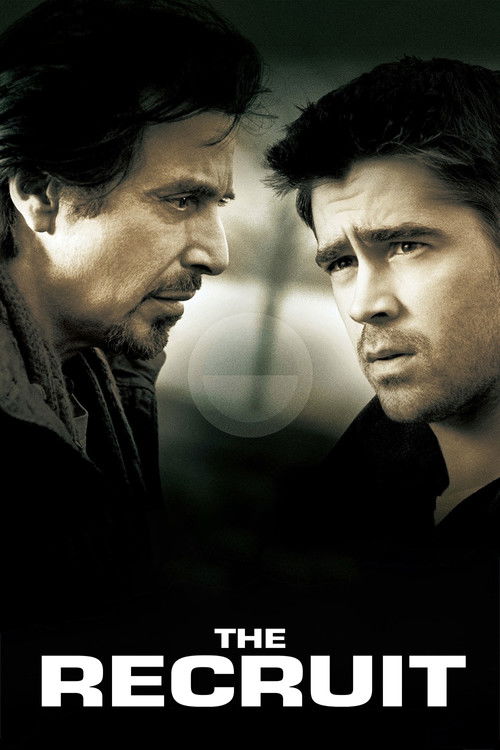
The Recruit2003
Colin Farrell as a rookie CIA officer seduced into a dangerous game by a mentor played by Al Pacino. It has echoes of the corrupting friendship and ideological uncertainty at the heart of The Falcon and the Snowman.
But Much glossier and more interested in plot twists than genuine moral complexity. Feels more like a slick entertainment than a meditation on how betrayal happens.
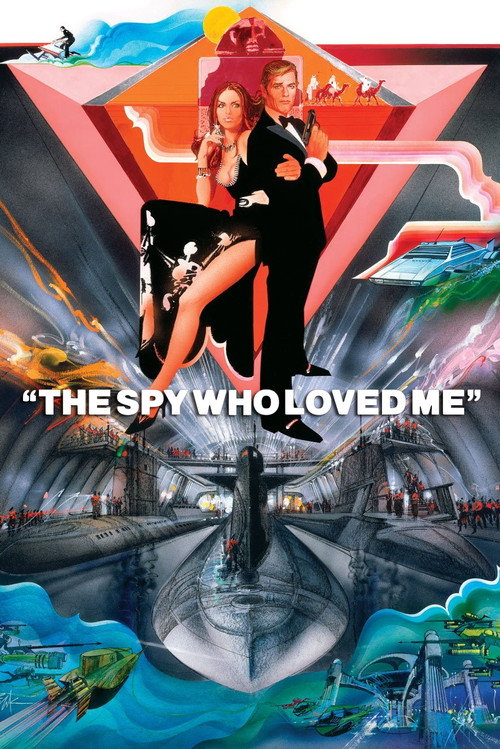
The Spy Who Loved Me1977
A lower-profile gem about a British double agent navigating the Cold War. It has the same meticulous, tension-filled approach to espionage and the same interest in how ideology crumbles under pressure.
But Genuinely obscure; not easy to find. The pacing is very deliberate, and some scenes feel baggy compared to tighter modern thrillers.
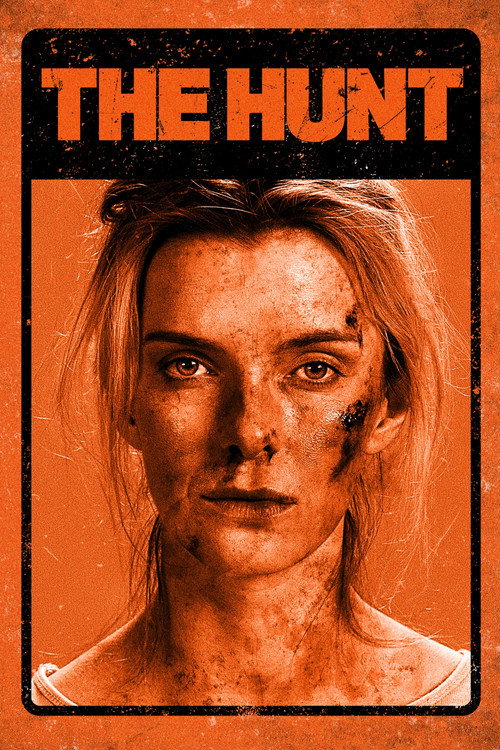
The Hunt2020
Taut, angry political thriller about the assumptions we make about loyalty and betrayal. It shares The Falcon and the Snowman's interest in how easily ideology can justify the unjustifiable.
But Deliberately contentious and designed to provoke. If you're watching for espionage craft rather than social commentary, you'll find it less interested in the mechanics.
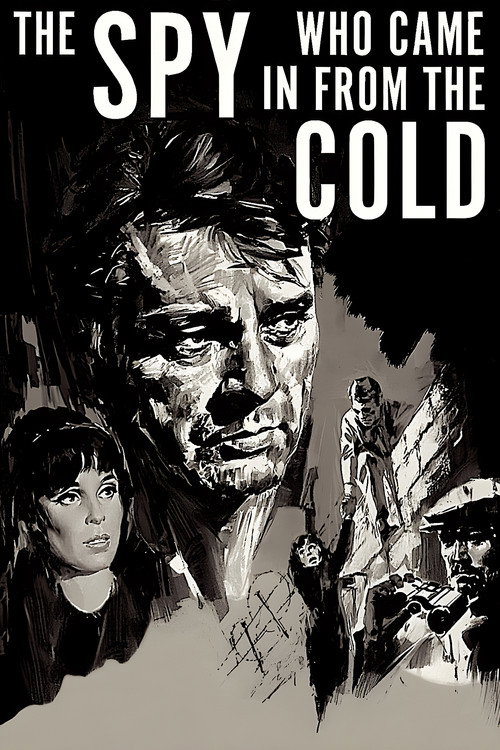
The Spy Who Came In from the Cold1965
The original le Carré adaptation, starring Richard Burton as a burned-out Cold War operative. It's the ur-text for this kind of moral erosion and ideological compromise dressed as realism.
But Very much a film of its era—shot in black and white, paced for 1965 audiences. The glamour and momentum you might expect from a spy film are deliberately absent.
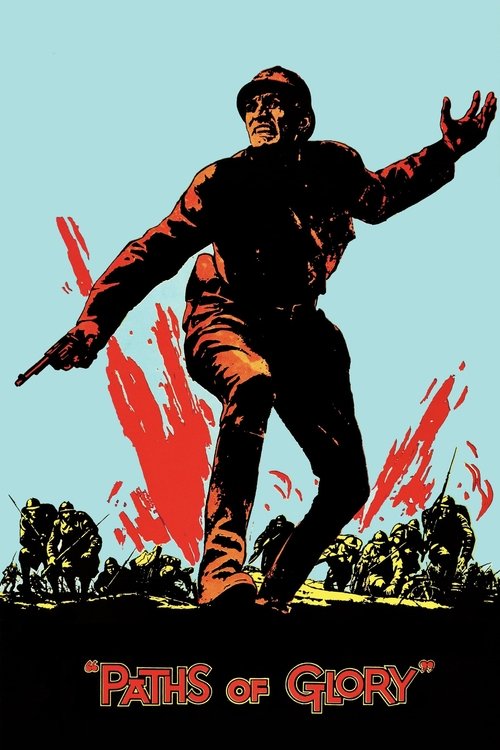
Paths of Glory1957
Both ask: at what point does obedience become complicity? Both argue that the real betrayal is the institution's demand that you betray yourself. Both are profoundly angry about this.
Kubrick's devastating film about generals ordering soldiers to die for meaningless objectives in World War One. Like The Falcon and the Snowman, it's about how institutional loyalty demands that individuals betray their conscience, and what happens when someone refuses.
But A war film rather than a spy thriller, shot in 1957 black and white. The language is formal and the pacing is classical. It will feel like a very different film, even though the moral question is identical.
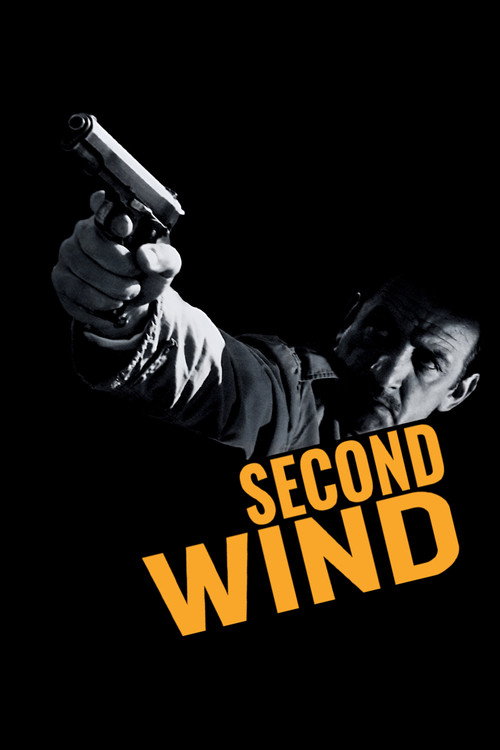
Le Deuxième Souffle1966
Both treat betrayal not as a moral choice but as an almost inevitable consequence of being trapped between systems. Both have a fatalistic, almost noir sensibility beneath their surfaces. Both understand that friendship and circumstance are more powerful than ideology.
A French New Wave crime film about an aging criminal re-entering the underworld. It's formally inventive and morally ambiguous in ways that feel startlingly modern—a meditation on loyalty, betrayal, and the way the system breaks people who don't belong in it.
But In French with subtitles. The plot is less important than the mood and the formal experimentation. If you want clear narrative momentum and a satisfying ending, this will frustrate you. It's interested in texture over catharsis.
People
Cast
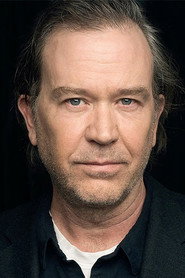 Timothy HuttonChristopher Boyce
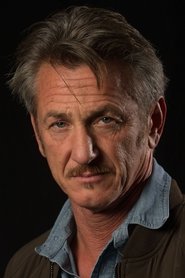 Sean PennDaulton Lee
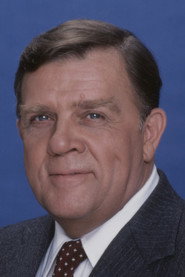 Pat HingleMr. Charlie Boyce
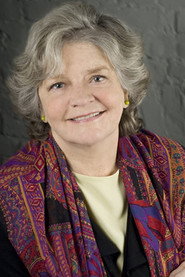 Joyce Van PattenMrs. Boyce
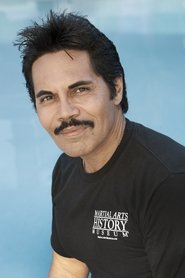 Art CamachoBoyce Child
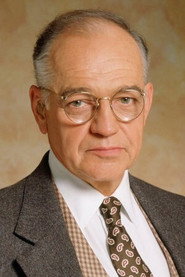 Richard DysartDr. Lee
 Priscilla PointerMrs. Lee
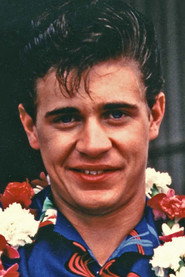 Chris MakepeaceDavid Lee
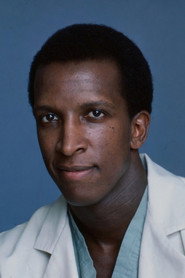 Dorian HarewoodGene
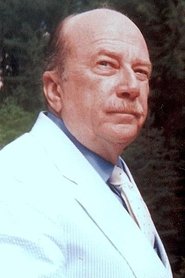 Macon McCalmanLarry Rogers
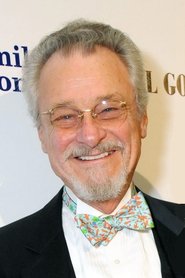 Jerry HardinTony Owens
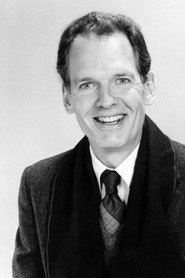 Nicholas PryorEddie
Directing
- Javier CarreñoAssistant Director
- Jesús MarínAssistant Director
- John SchlesingerDirector
- Patrick CrowleyFirst Assistant Director
- Ana Maria QuintanaScript Supervisor
- Hans BeimlerSecond Assistant Director
- Michael ChildersSecond Unit Director
Writing
- Robert LindseyNovel
- Steven ZaillianScreenplay
Production
- Deborah LucchesiAdditional Casting
- Michael ChildersAssociate Producer
- Wallis NicitaCasting
- Laura KennedyCasting Assistant
- Edward TeetsCo-Producer
- John DalyExecutive Producer
- Pablo PalominoExtras Casting
- Richard VaneLocation Manager
- Gabriel KatzkaProducer
- John SchlesingerProducer
- Vince HeilesonProduction Accountant
- Emily GamboaProduction Coordinator
- Patt McCurdyProduction Coordinator
- Luis BekrisProduction Manager
- Edward TeetsUnit Production Manager